CIESC Journal ›› 2025, Vol. 76 ›› Issue (12): 6134-6150.DOI: 10.11949/0438-1157.20250401
• Reviews and monographs • Previous Articles Next Articles
Kainan XIE1( ), Zhirong FU1, Yu HAN1, Xin ZHANG1, Yihao CHEN1, Baoju WANG1,2(), Yong LUO1()
Received:2025-04-16
Revised:2025-07-21
Online:2026-01-23
Published:2025-12-31
Contact:
Baoju WANG, Yong LUO
谢凯南1(), 付芝蓉1, 韩宇1, 张鑫1, 陈奕好1, 王保举1,2(), 罗勇1()
通讯作者:
王保举,罗勇
作者简介:谢凯南(2002—),女,博士研究生,xkn24@mails.tsinghua.edu.cn
基金资助:CLC Number:
Kainan XIE, Zhirong FU, Yu HAN, Xin ZHANG, Yihao CHEN, Baoju WANG, Yong LUO. Research progress of platinum-based catalysts for hydrogenation of aromatic nitro compounds[J]. CIESC Journal, 2025, 76(12): 6134-6150.
谢凯南, 付芝蓉, 韩宇, 张鑫, 陈奕好, 王保举, 罗勇. Pt基催化剂在芳香硝基化合物加氢中的研究进展[J]. 化工学报, 2025, 76(12): 6134-6150.
Add to citation manager EndNote|Ris|BibTeX
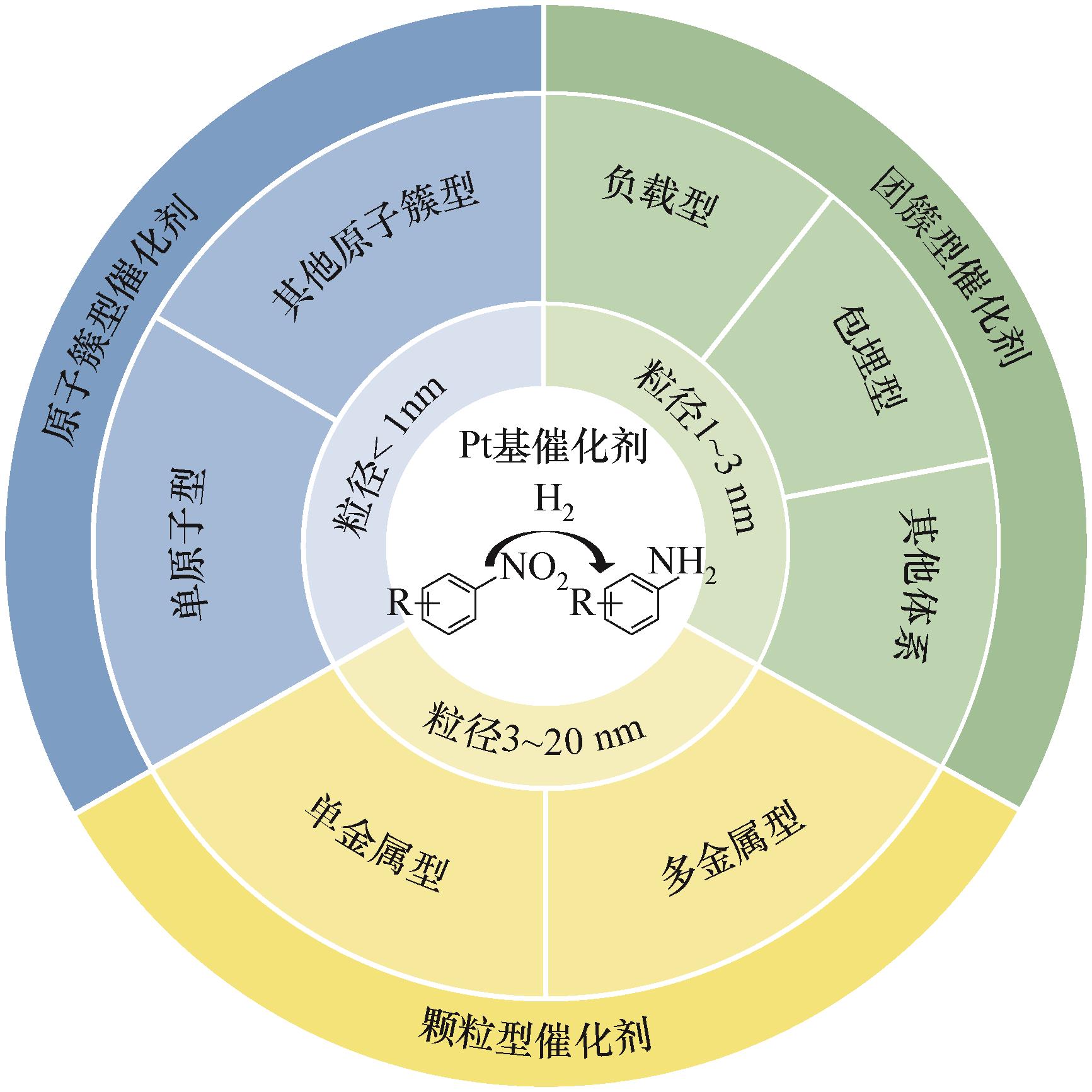
Fig.1 Pt-based catalyst used for the hydrogenation of aromatic nitro compounds
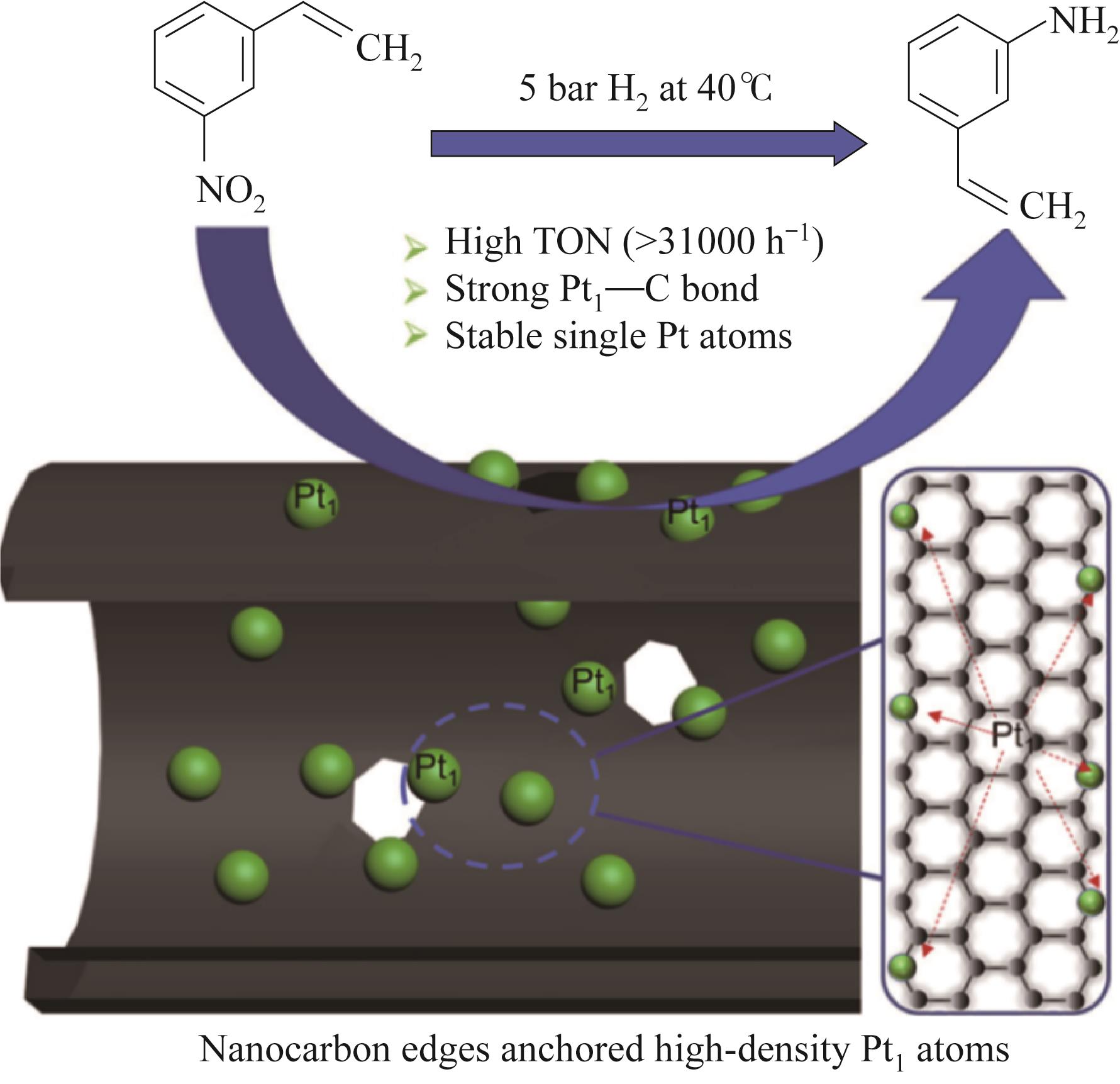
Fig.2 Nanocarbon-edge-anchored high-density Pt atoms for 3-nitrostyrene hydrogenation[18]
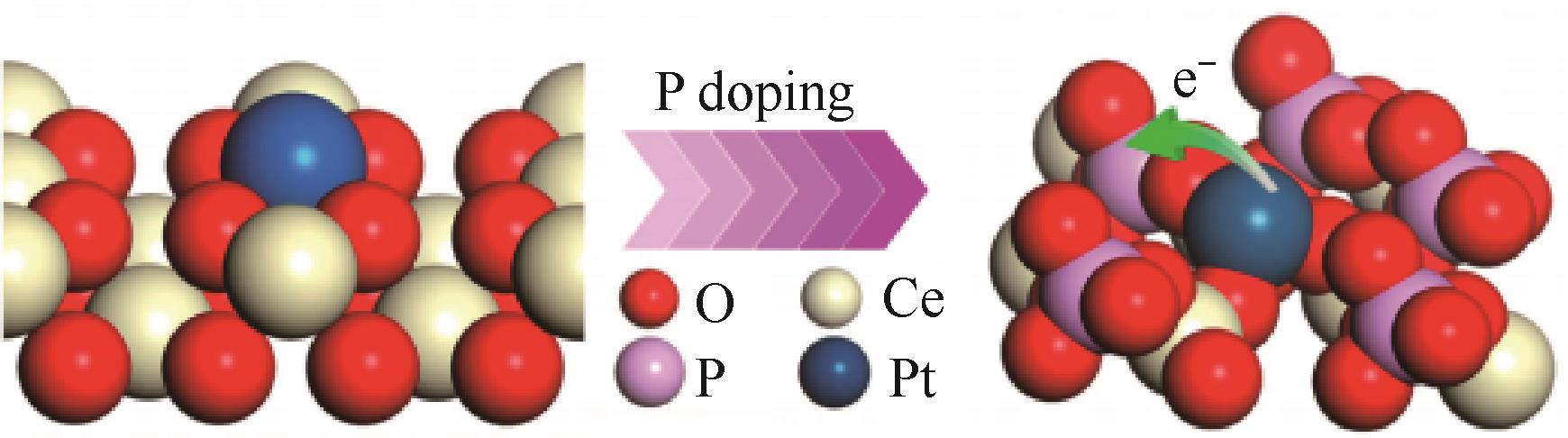
Fig.3 Proximal environment of Pt1 single atoms on CeO2 by P doping[26]
| 类型 | 催化剂 | 粒径/nm | 反应 | 反应条件 | 转化率/% | 选择性/% | TON/h-1 | 文献 |
|---|---|---|---|---|---|---|---|---|
| 单原子型 | Pt1/h-NC | 单原子 | 3-硝基苯乙烯→3-乙烯基苯胺 | 40℃、5 bar | 97.1 | 77.8 | 31157 | [ |
| Pt-PMA/AC | 单原子 | 硝基苯→苯胺 | 25℃、10 bar | — | 100 | 800 | [ | |
| 0.08%Pt/FeO x -R200 | 单原子 | 3-硝基苯乙烯→3-乙烯基苯胺 | 40℃、3 bar | 95.6 | 98.4 | 1494 | [ | |
| Pt1/PO4-CeO2 | 单原子 | 硝基苯→苯胺 | 60℃、1 bar | — | 100 | 273 | [ | |
| Pt1/C12A7 | 单原子 | 4-硝基苯→4-氯苯胺 | 60℃、5 bar | — | >99 | 25772 | [ | |
| Pt1/Ni | 单原子 | 3-硝基苯乙烯→3-乙烯基苯胺 | 40℃、3 bar | — | >99 | 1800 | [ | |
| 原子簇型 | Pt2/mpg-C3N4 | 双原子 | 硝基苯→苯胺 | 100℃、10 bar | >99 | 100 | — | [ |
| Pt n /ND@G | 0.2~0.5 | 2,4-二硝基甲苯→2,4-二氨基甲苯 | 25℃、10 bar | 100 | >99 | 40647 | [ | |
| Pt-Ni-Co | 单原子与原子簇组合 | 硝基苯→苯胺 | ≤40℃、10 bar | 100 | 100 | — | [ | |
| Pt/CeO2-300 | <1 | 5-硝基苯并噻唑→5-氨基苯并噻唑 | 80℃、20 bar | 约95 | >99 | — | [ |
Table 1 Summary table of atomically dispersed catalysts (ACs)
| 类型 | 催化剂 | 粒径/nm | 反应 | 反应条件 | 转化率/% | 选择性/% | TON/h-1 | 文献 |
|---|---|---|---|---|---|---|---|---|
| 单原子型 | Pt1/h-NC | 单原子 | 3-硝基苯乙烯→3-乙烯基苯胺 | 40℃、5 bar | 97.1 | 77.8 | 31157 | [ |
| Pt-PMA/AC | 单原子 | 硝基苯→苯胺 | 25℃、10 bar | — | 100 | 800 | [ | |
| 0.08%Pt/FeO x -R200 | 单原子 | 3-硝基苯乙烯→3-乙烯基苯胺 | 40℃、3 bar | 95.6 | 98.4 | 1494 | [ | |
| Pt1/PO4-CeO2 | 单原子 | 硝基苯→苯胺 | 60℃、1 bar | — | 100 | 273 | [ | |
| Pt1/C12A7 | 单原子 | 4-硝基苯→4-氯苯胺 | 60℃、5 bar | — | >99 | 25772 | [ | |
| Pt1/Ni | 单原子 | 3-硝基苯乙烯→3-乙烯基苯胺 | 40℃、3 bar | — | >99 | 1800 | [ | |
| 原子簇型 | Pt2/mpg-C3N4 | 双原子 | 硝基苯→苯胺 | 100℃、10 bar | >99 | 100 | — | [ |
| Pt n /ND@G | 0.2~0.5 | 2,4-二硝基甲苯→2,4-二氨基甲苯 | 25℃、10 bar | 100 | >99 | 40647 | [ | |
| Pt-Ni-Co | 单原子与原子簇组合 | 硝基苯→苯胺 | ≤40℃、10 bar | 100 | 100 | — | [ | |
| Pt/CeO2-300 | <1 | 5-硝基苯并噻唑→5-氨基苯并噻唑 | 80℃、20 bar | 约95 | >99 | — | [ |
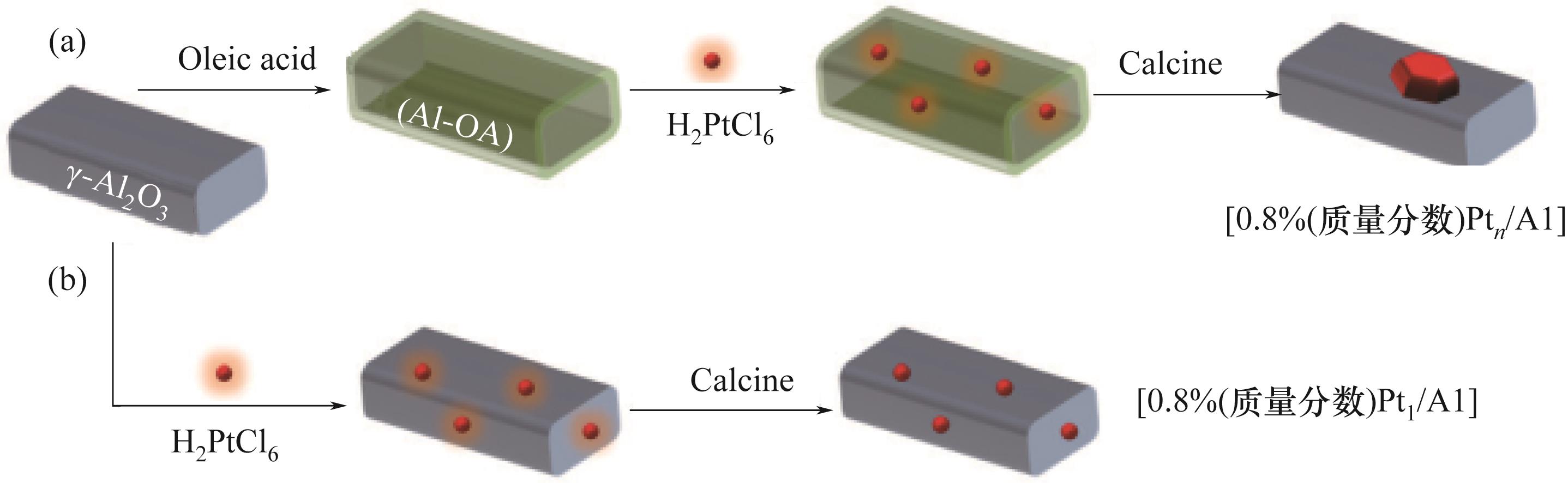
Fig.4 Schematic of the synthesis process of (a) Pt n /Al prepared by OA interference and (b) Pt1/Al obtained by direct impregnation[69]
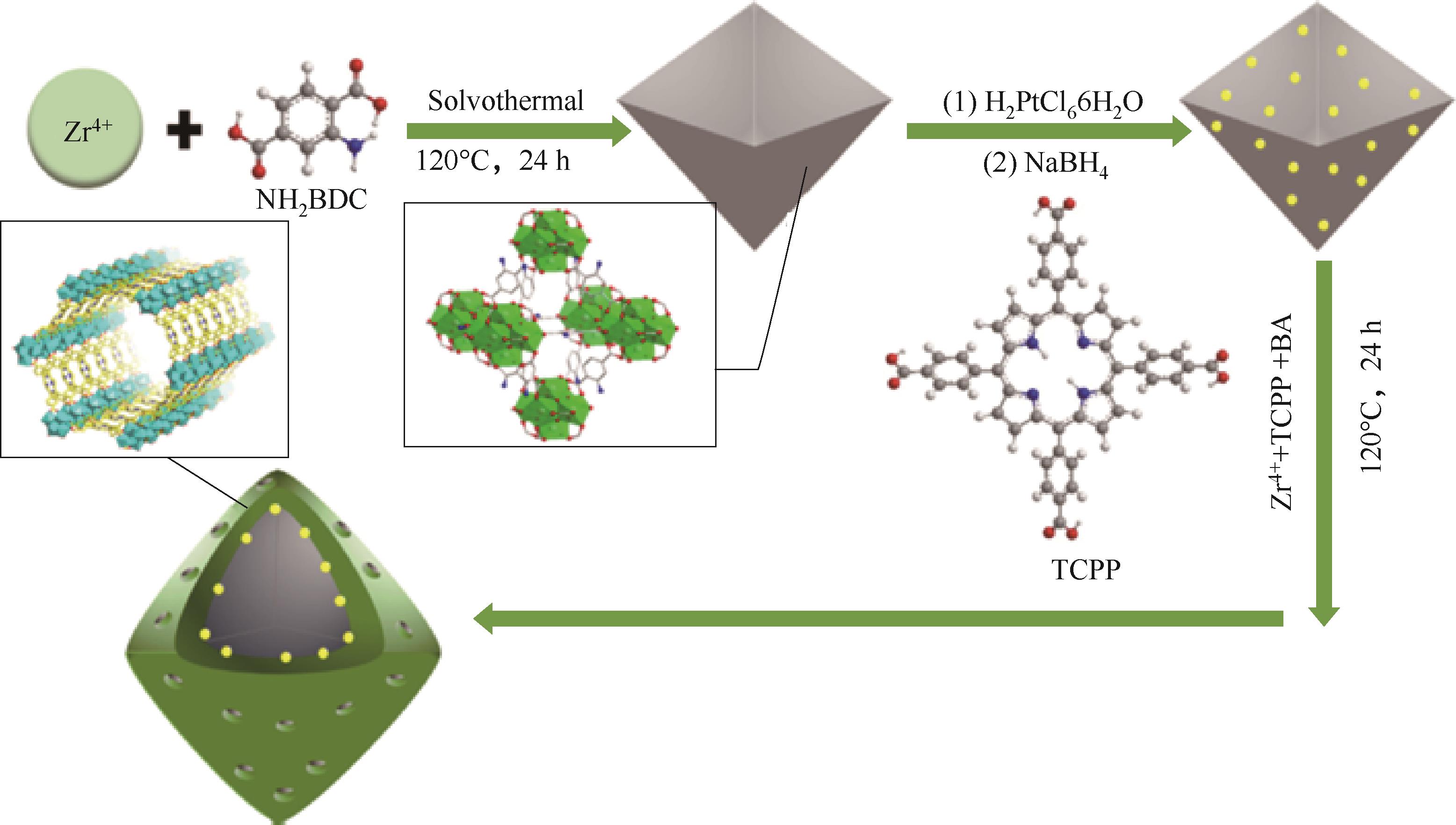
Fig.5 SchematicrepresentationforthefabricationprocessesofsandwichnanostructuresUiO-66-NH2@Pt@PCN-222[74]
| 类型 | 催化剂 | 粒径/nm | 反应 | 反应条件 | 转化率/% | 选择性/% | TON/h-1 | 文献 | |
|---|---|---|---|---|---|---|---|---|---|
负载型 | 碳材料 | Pt/ACH-450 | 2.5~3.2 | 3-硝基苯乙烯→3-乙烯基苯胺 | 100℃、40 bar | 91.0 | 96.0 | 60 | [ |
| Pt/RGO-EG | 3.1±0.4 | 硝基苯→苯胺 | 0℃、10 bar | 94.3 | 100 | — | [ | ||
| Pt/CNT | 2.8±0.8 | 3,4-二氯硝基苯→ 3,4-二氯苯胺 | 30℃、10 bar | 95.9 | 96.9 | 30960 | [ | ||
| 金属氧化物 | 0.08%(质量分数)Pt/TiO2 ‘red.’ | 1.2~1.6 | 3-硝基苯乙烯→ 3-乙烯基苯胺 | 40℃、30 bar | — | >90 | 2000 | [ | |
| Pt/CeO2 | 1.3~1.8 | 硝基苯→苯胺 | 25℃、10 bar | — | >99 | — | [ | ||
| Pt/γ-Fe2O3 | 2.6 | 邻溴硝基苯→邻溴苯胺 | 30℃、20 bar | — | >99.9 | — | [ | ||
| Ptn/Al | 约3 | 邻溴硝基苯→邻溴苯胺 | 60℃、8 bar | 100 | 92.0 | 3700 | [ | ||
| 包埋型 | UiO-66-NH2@Pt@PCN-222 | 约2.8 | 对硝基甲苯→对甲苯胺→β-酮烯胺 | 60℃、1 bar | >99 | 98.0 | — | [ | |
| UiO-66-NH2@Pt@mSiO2 | 2.5~3 | 硝基苯→苯胺→亚胺→N-苄基苯胺 | 25℃、1 bar | >99 | 92.4 | — | [ | ||
| Pt@MFI | 约3 | 4-硝基苯乙烯→4-氨基苯乙烯 | 80℃、10 bar | 100 | 80.0 | — | [ | ||
| 其他体系 | Pt-Ⅱ(乙二醇还原制备) | 1.7±0.4 | 邻氯硝基苯→邻氯苯胺 | 60℃、40 bar | — | >99.1 | 6639 | [ | |
| Pt@sc-PLA-PEG | 1.4±0.3 | 2-氯硝基苯→2-氯苯胺 | 30℃、5 bar | — | >99.4 | 7161 | [ | ||
| PtNCs/CS-GA | 2.2 | 4-硝基苯酚→4-氨基苯酚 | 22℃ | 96.4 | — | 0.3 | [ | ||
| 0.4% Pt/FeNi-LDHs | — | 2-氯硝基苯→2-氯苯胺 | 60℃、30 bar | — | 100 | 1107.2 | [ | ||
Table 2 Summary table of cluster-type catalysts (NCs)
| 类型 | 催化剂 | 粒径/nm | 反应 | 反应条件 | 转化率/% | 选择性/% | TON/h-1 | 文献 | |
|---|---|---|---|---|---|---|---|---|---|
负载型 | 碳材料 | Pt/ACH-450 | 2.5~3.2 | 3-硝基苯乙烯→3-乙烯基苯胺 | 100℃、40 bar | 91.0 | 96.0 | 60 | [ |
| Pt/RGO-EG | 3.1±0.4 | 硝基苯→苯胺 | 0℃、10 bar | 94.3 | 100 | — | [ | ||
| Pt/CNT | 2.8±0.8 | 3,4-二氯硝基苯→ 3,4-二氯苯胺 | 30℃、10 bar | 95.9 | 96.9 | 30960 | [ | ||
| 金属氧化物 | 0.08%(质量分数)Pt/TiO2 ‘red.’ | 1.2~1.6 | 3-硝基苯乙烯→ 3-乙烯基苯胺 | 40℃、30 bar | — | >90 | 2000 | [ | |
| Pt/CeO2 | 1.3~1.8 | 硝基苯→苯胺 | 25℃、10 bar | — | >99 | — | [ | ||
| Pt/γ-Fe2O3 | 2.6 | 邻溴硝基苯→邻溴苯胺 | 30℃、20 bar | — | >99.9 | — | [ | ||
| Ptn/Al | 约3 | 邻溴硝基苯→邻溴苯胺 | 60℃、8 bar | 100 | 92.0 | 3700 | [ | ||
| 包埋型 | UiO-66-NH2@Pt@PCN-222 | 约2.8 | 对硝基甲苯→对甲苯胺→β-酮烯胺 | 60℃、1 bar | >99 | 98.0 | — | [ | |
| UiO-66-NH2@Pt@mSiO2 | 2.5~3 | 硝基苯→苯胺→亚胺→N-苄基苯胺 | 25℃、1 bar | >99 | 92.4 | — | [ | ||
| Pt@MFI | 约3 | 4-硝基苯乙烯→4-氨基苯乙烯 | 80℃、10 bar | 100 | 80.0 | — | [ | ||
| 其他体系 | Pt-Ⅱ(乙二醇还原制备) | 1.7±0.4 | 邻氯硝基苯→邻氯苯胺 | 60℃、40 bar | — | >99.1 | 6639 | [ | |
| Pt@sc-PLA-PEG | 1.4±0.3 | 2-氯硝基苯→2-氯苯胺 | 30℃、5 bar | — | >99.4 | 7161 | [ | ||
| PtNCs/CS-GA | 2.2 | 4-硝基苯酚→4-氨基苯酚 | 22℃ | 96.4 | — | 0.3 | [ | ||
| 0.4% Pt/FeNi-LDHs | — | 2-氯硝基苯→2-氯苯胺 | 60℃、30 bar | — | 100 | 1107.2 | [ | ||
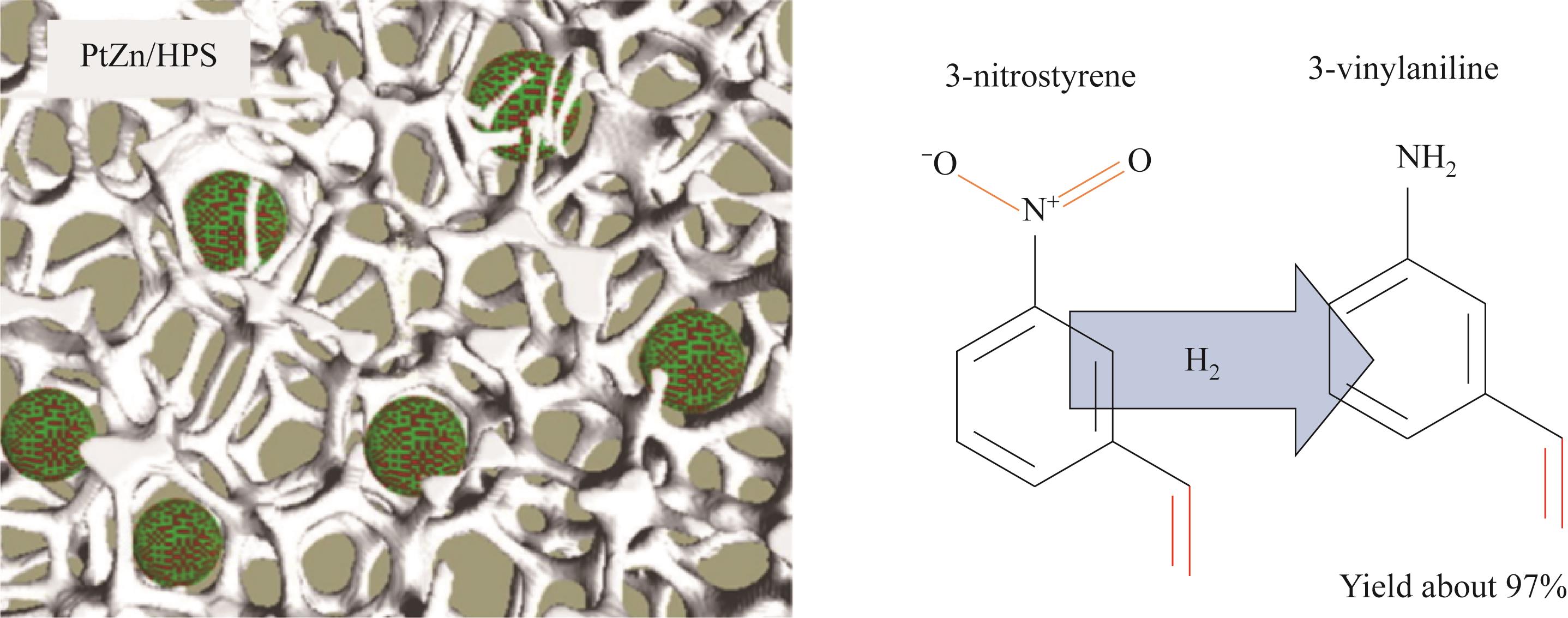
Fig.6 Pt-Zn HPS catalyst for liquid-phase hydrogenation of 3-NS to 3-VA[109]
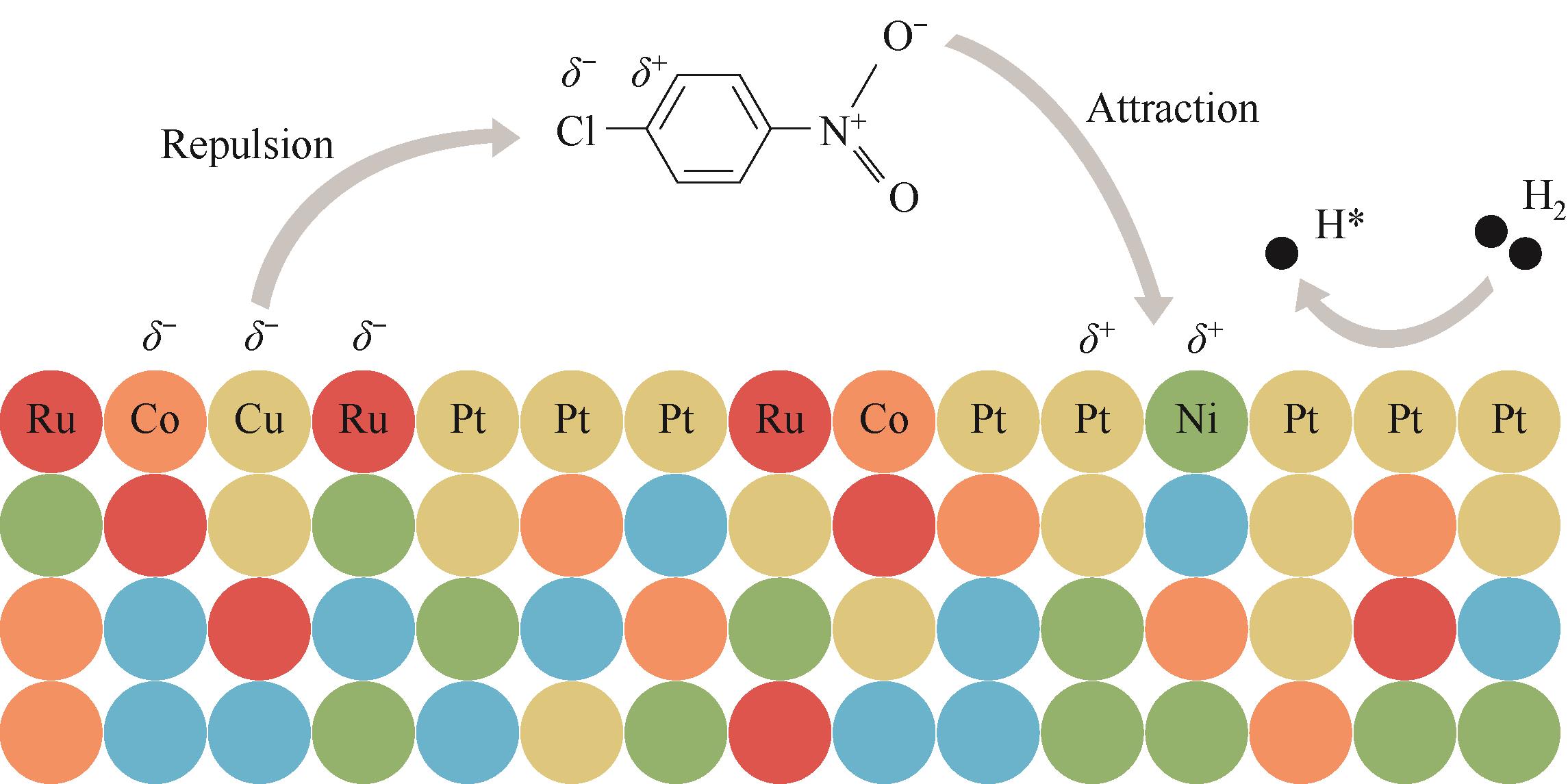
Fig.7 Mechanism of catalytic p-CNB hydrogenation reaction by PtRuCoCuNi/CNFs[114]
| 类型 | 催化剂 | 粒径/nm | 反应 | 反应条件 | 转化率/% | 选择性/% | TON/h-1 | 文献 |
|---|---|---|---|---|---|---|---|---|
单金属 纳米颗粒 | Pt/C | 约3 | 间二硝基苯→间硝基苯胺 | 10℃、1 bar | 100 | 92.3 | — | [ |
| Pt/TiO2 | — | 3-硝基苯乙烯→3-乙烯基苯胺 | 120℃、9 bar | >98 | 96.0 | — | [ | |
| 0.3%Pt/TiO2 | 4.0 | 3-硝基苯乙酮加氢→3-氨基苯乙酮 | 30℃、10 bar | 100 | 100 | — | [ | |
| Pt/TiO2-200 | 3.6 | 5-硝基苯并噻唑→5-氨基苯并噻唑 | 80℃、40 bar | 约99 | >99 | 363 | [ | |
| 0.9% Pt-CeO2 | 2~5 | 对硝基苯酚→对氨基苯酚 | 25℃、15 bar | 100 | 99.0 | — | [ | |
| Pt/C@g-C3N4 | 5~10 | 硝基苯→4-氨基苯酚 | 75℃、10 bar | 100 | 99.0 | — | [ | |
多金属 纳米颗粒 | PtCo nanoflower | 约10 | 硝基苯→苯胺 | 25℃、1 bar | 99.9 | 100.0 | — | [ |
| Pt-SnO2/Al2O3 | 3.2±0.4 | 邻氯硝基苯→邻氯苯胺 | 45℃、1 bar | 100 | 94.1 | — | [ | |
| Pt-Zn/HPS(Pt/Zn=0.5) | 4.7±1.0 | 3-硝基苯乙烯→3-乙烯基苯胺 | 75℃、10 bar | 100 | 97.0 | — | [ | |
| PVP-Pt/Ru(Pt/Ru=1∶4) | 约3 | 邻氯硝基苯→邻氯苯胺 | 25℃、1 bar | 100 | 99.0 | — | [ | |
| Pd@Pt-1/0.25/Al2O3 | 6.1±0.7 | 对氯硝基苯→对氯苯胺 | 45℃、1 bar | 98.5 | 82.1 | — | [ | |
AuPt/γ-Al2O3 | 3.89~6.02 | 对氯硝基苯→对氯苯胺 | 45℃、1 bar | 95.3 | 99.3 | — | [ | |
| 对硝基苯甲醚→对氨基苯甲醚 | 99.0 | 100 | — | |||||
| 邻硝基苯乙酮→邻氨基苯乙酮 | 97.5 | 100 | — | |||||
| PtRuCoCuNi/CNFs | 约26 | 对氯硝基苯→对氯苯胺 | 25℃、1 bar | 100 | 100 | — | [ |
Table 3 Summary table of nanoparticles (NPs) catalysts
| 类型 | 催化剂 | 粒径/nm | 反应 | 反应条件 | 转化率/% | 选择性/% | TON/h-1 | 文献 |
|---|---|---|---|---|---|---|---|---|
单金属 纳米颗粒 | Pt/C | 约3 | 间二硝基苯→间硝基苯胺 | 10℃、1 bar | 100 | 92.3 | — | [ |
| Pt/TiO2 | — | 3-硝基苯乙烯→3-乙烯基苯胺 | 120℃、9 bar | >98 | 96.0 | — | [ | |
| 0.3%Pt/TiO2 | 4.0 | 3-硝基苯乙酮加氢→3-氨基苯乙酮 | 30℃、10 bar | 100 | 100 | — | [ | |
| Pt/TiO2-200 | 3.6 | 5-硝基苯并噻唑→5-氨基苯并噻唑 | 80℃、40 bar | 约99 | >99 | 363 | [ | |
| 0.9% Pt-CeO2 | 2~5 | 对硝基苯酚→对氨基苯酚 | 25℃、15 bar | 100 | 99.0 | — | [ | |
| Pt/C@g-C3N4 | 5~10 | 硝基苯→4-氨基苯酚 | 75℃、10 bar | 100 | 99.0 | — | [ | |
多金属 纳米颗粒 | PtCo nanoflower | 约10 | 硝基苯→苯胺 | 25℃、1 bar | 99.9 | 100.0 | — | [ |
| Pt-SnO2/Al2O3 | 3.2±0.4 | 邻氯硝基苯→邻氯苯胺 | 45℃、1 bar | 100 | 94.1 | — | [ | |
| Pt-Zn/HPS(Pt/Zn=0.5) | 4.7±1.0 | 3-硝基苯乙烯→3-乙烯基苯胺 | 75℃、10 bar | 100 | 97.0 | — | [ | |
| PVP-Pt/Ru(Pt/Ru=1∶4) | 约3 | 邻氯硝基苯→邻氯苯胺 | 25℃、1 bar | 100 | 99.0 | — | [ | |
| Pd@Pt-1/0.25/Al2O3 | 6.1±0.7 | 对氯硝基苯→对氯苯胺 | 45℃、1 bar | 98.5 | 82.1 | — | [ | |
AuPt/γ-Al2O3 | 3.89~6.02 | 对氯硝基苯→对氯苯胺 | 45℃、1 bar | 95.3 | 99.3 | — | [ | |
| 对硝基苯甲醚→对氨基苯甲醚 | 99.0 | 100 | — | |||||
| 邻硝基苯乙酮→邻氨基苯乙酮 | 97.5 | 100 | — | |||||
| PtRuCoCuNi/CNFs | 约26 | 对氯硝基苯→对氯苯胺 | 25℃、1 bar | 100 | 100 | — | [ |
| [1] | Blaser H U, Steiner H, Studer M. Selective catalytic hydrogenation of functionalized nitroarenes: an update[J]. ChemCatChem, 2009, 1(2): 210-221. |
| [2] | 陈金艳. 基于芳硝基化合物还原反应的研究进展[J]. 化工技术与开发, 2023, 52(3): 55-59. |
| Chen J Y. Research progress of reduction reaction based on aromatic nitro compounds[J]. Chemical Technology and Development, 2023, 52(3): 55-59. | |
| [3] | Han A, Zhang J, Sun W, et al. Isolating contiguous Pt atoms and forming Pt-Zn intermetallic nanoparticles to regulate selectivity in 4-nitrophenylacetylene hydrogenation[J].Nature Communications, 2019, 10(1): 3787. |
| [4] | 蔡宇晨, 徐子涵, 王丽丽, 等. 芳硝基化合物加氢催化剂研究进展[J]. 山东化工, 2023, 52(12): 84-86. |
| Cai Y C, Xu Z H, Wang L L, et al. Research progress of hydrogenation catalysts for aromatic nitro compounds[J]. Shandong Chemical Industry, 2023, 52(12): 84-86. | |
| [5] | Ma Z H, Liu H, Yue M. Magnetically recyclable Sm2Co17/Cu catalyst to chemoselectively reduce the 3-nitrostyrene into 3-vinylaniline under room temperature[J]. Nano Research, 2019, 12(12): 3085-3088. |
| [6] | 倪自林. 若干重要芳硝基化合物加氢催化剂的研究[D]. 南京: 南京大学, 2018. |
| Ni Z L. Research on Several important hydrogenation catalysts for aromatic nitro compounds[D]. Nanjing: Nanjing University, 2018. | |
| [7] | Guo M, Li H, Ren Y Q, et al. Improving catalytic hydrogenation performance of Pd nanoparticles by electronic modulation using phosphine ligands[J]. ACS Catalysis, 2018, 8(7): 6476-6485. |
| [8] | 祝东红. 负载型贵金属催化剂(Pd、Pt)的表面修饰及催化加氢性能研究[D]. 南京: 南京大学, 2020. |
| Zhu D H. Study on surface modification and catalytic hydrogenation performance of supported noble metal catalysts (Pd, Pt)[D]. Nanjing: Nanjing University, 2020. | |
| [9] | Liu D, Nadia I, Fang C H, et al. Photo enhanced catalytic activity for hydrogenation of nitrobenzene over Pt-Au/TiO2 heterojunction[J]. Applied Catalysis A: General, 2022, 645: 118840. |
| [10] | Corma A, Serna P, Concepción P, et al. Transforming nonselective into chemoselective metal catalysts for the hydrogenation of substituted nitroaromatics[J].Journal of the American chemical society, 2008, 130(27): 8748-8753. |
| [11] | Zhang L L, Zhou M X, Wang A Q, et al. Selective hydrogenation over supported metal catalysts: from nanoparticles to single atoms[J]. Chemical Reviews, 2020, 120(2): 683-733. |
| [12] | Wang H W, Lu J L. A review on particle size effect in metal-catalyzed heterogeneous reactions[J]. Chinese Journal of Chemistry, 2020, 38(11): 1422-1444. |
| [13] | Stenlid J H, Brinck T. Extending the σ-hole concept to metals: an electrostatic interpretation of the effects of nanostructure in gold and platinum catalysis[J]. Journal of the American Chemical Society, 2017, 139(32): 11012-11015. |
| [14] | Kuhn J N, Huang W Y, Tsung C K, et al. Structure sensitivity of carbon-nitrogen ring opening: impact of platinum particle size from below 1 to 5 nm upon pyrrole hydrogenation product selectivity over monodisperse platinum nanoparticles loaded onto mesoporous silica[J]. Journal of the American Chemical Society, 2008, 130(43): 14026-14027. |
| [15] | Kliewer C J, Aliaga C, Bieri M, et al. Furan hydrogenation over Pt (111) and Pt (100) single-crystal surfaces and Pt nanoparticles from 1 to 7 nm: a kinetic and sum frequency generation vibrational spectroscopy study[J]. Journal of the American Chemical Society, 2010, 132(37): 13088-13095. |
| [16] | Peng Y H, Geng Z G, Zhao S T, et al. Pt single atoms embedded in the surface of Ni nanocrystals as highly active catalysts for selective hydrogenation of nitro compounds[J]. Nano Letters, 2018, 18(6): 3785-3791. |
| [17] | Yang X F, Wang A Q, Qiao B T, et al. Single-atom catalysts: a new frontier in heterogeneous catalysis[J]. Accounts of Chemical Research, 2013, 46(8): 1740-1748. |
| [18] | Lou Y, Wu H L, Liu J Y. Nanocarbon-edge-anchored high-density Pt atoms for 3-nitrostyrene hydrogenation: strong metal-carbon interaction[J]. iScience, 2019, 13: 190-198. |
| [19] | He T W, Zhang C M, Zhang L, et al. Single Pt atom decorated graphitic carbon nitride as an efficient photocatalyst for the hydrogenation of nitrobenzene into aniline[J]. Nano Research, 2019, 12(8): 1817-1823. |
| [20] | Zhang B, Asakura H, Zhang J, et al. Stabilizing a platinum1 single-atom catalyst on supported phosphomolybdic acid without compromising hydrogenation activity[J]. Angewandte Chemie (International Edition), 2016, 55(29): 8319-8323. |
| [21] | Dvořák F, Farnesi Camellone M, Tovt A, et al. Creating single-atom Pt-ceria catalysts by surface step decoration[J]. Nature Communications, 2016, 7: 10801. |
| [22] | Han B, Guo Y L, Huang Y K, et al. Strong metal-support interactions between Pt single atoms and TiO2 [J]. Angewandte Chemie (International Edition), 2020, 59(29): 11824-11829. |
| [23] | Qiao B T, Wang A Q, Yang X F, et al. Single-atom catalysis of CO oxidation using Pt1/FeO x [J]. Nature Chemistry, 2011, 3(8): 634-641. |
| [24] | Therrien A J, Hensley A J R, Marcinkowski M D, et al. An atomic-scale view of single-site Pt catalysis for low-temperature CO oxidation[J]. Nature Catalysis, 2018, 1(3): 192-198. |
| [25] | Wei H S, Liu X Y, Wang A Q, et al. FeO x -supported platinum single-atom and pseudo-single-atom catalysts for chemoselective hydrogenation of functionalized nitroarenes[J]. Nature Communications, 2014, 5: 5634. |
| [26] | Ma Y F, Chi B L, Liu W, et al. Tailoring of the proximity of platinum single atoms on CeO2 using phosphorus boosts the hydrogenation activity[J]. ACS Catalysis, 2019, 9(9): 8404-8412. |
| [27] | Hayashi K, Hirano M, Matsuishi S, et al. Microporous crystal 12CaO·7Al2O3 encaging abundant O-radicals[J]. Journal of the American Chemical Society, 2002, 124(5): 738-739. |
| [28] | Ye T N, Li J, Kitano M, et al. Electronic interactions between a stable electride and a nano-alloy control the chemoselective reduction reaction[J]. Chemical Science, 2016, 7(9): 5969-5975. |
| [29] | Hayashi K, Matsuishi S, Kamiya T, et al. Light-induced conversion of an insulating refractory oxide into a persistent electronic conductor[J]. Nature, 2002, 419(6906): 462-465. |
| [30] | Hayashi F, Tomota Y, Kitano M, et al. NH2- dianion entrapped in a nanoporous 12CaO·7Al2O3 crystal by ammonothermal treatment: reaction pathways, dynamics, and chemical stability[J]. Journal of the American Chemical Society, 2014, 136(33): 11698-11706. |
| [31] | Ye T N, Li J, Kitano M, et al. Unique nanocages of 12CaO·7Al2O3 boost heterolytic hydrogen activation and selective hydrogenation of heteroarenes over ruthenium catalyst[J]. Green Chemistry, 2017, 19(3): 749-756. |
| [32] | Ye T N, Xiao Z W, Li J, et al. Stable single platinum atoms trapped in sub-nanometer cavities in 12CaO·7Al2O3 for chemoselective hydrogenation of nitroarenes[J]. Nature Communications, 2020, 11(1): 1020. |
| [33] | Tian S B, Wang B X, Gong W B, et al. Dual-atom Pt heterogeneous catalyst with excellent catalytic performances for the selective hydrogenation and epoxidation[J]. Nature Communications, 2021, 12(1): 3181. |
| [34] | Si Y, Jiao Y Y, Wang M L, et al. Fully exposed Pt clusters for efficient catalysis of multi-step hydrogenation reactions[J]. Nature Communications, 2024, 15: 4887. |
| [35] | Zhu L H, Sun Y L, Zhu H Z, et al. Effective ensemble of Pt single atoms and clusters over the (Ni, Co)(OH)2 substrate catalyzes highly selective, efficient, and stable hydrogenation reactions[J]. ACS Catalysis, 2022, 12(13): 8104-8115. |
| [36] | Ren X M, Huang J Y, Ma J, et al. Boosting the activity in the liquid-phase hydrogenation of S-containing nitroarenes by dual-site Pt/CeO2 catalysts design[J]. Nature Communications, 2025, 16(1): 1-10. |
| [37] | Xin L, Yang F, Rasouli S, et al. Understanding Pt nanoparticle anchoring on graphene supports through surface functionalization[J]. ACS Catalysis, 2016, 6(4): 2642-2653. |
| [38] | Machado B F, Oubenali M, Rosa Axet M, et al. Understanding the surface chemistry of carbon nanotubes: toward a rational design of Ru nanocatalysts[J]. Journal of Catalysis, 2014, 309: 185-198. |
| [39] | Tan H, Tall O E, Liu Z H, et al. Selective oxidation of glycerol to glyceric acid in base-free aqueous solution at room temperature catalyzed by platinum supported on carbon activated with potassium hydroxide[J]. ChemCatChem, 2016, 8(9): 1699-1707. |
| [40] | Almarri M, Ma X L, Song C S. Role of surface oxygen-containing functional groups in liquid-phase adsorption of nitrogen compounds on carbon-based adsorbents[J]. Energy & Fuels, 2009, 23(8): 3940-3947. |
| [41] | Wei Z Z, Wang J, Mao S J, et al. In situ-generated Co0-Co3O4/N-doped carbon nanotubes hybrids as efficient and chemoselective catalysts for hydrogenation of nitroarenes[J]. ACS Catalysis, 2015, 5(8): 4783-4789. |
| [42] | Chu K, Wang F, Tian Y, et al. Phosphorus doped and defects engineered graphene for improved electrochemical sensing: synergistic effect of dopants and defects[J]. Electrochimica Acta, 2017, 231: 557-564. |
| [43] | Cao Y L, Mao S J, Li M M, et al. Metal/porous carbon composites for heterogeneous catalysis: old catalysts with improved performance promoted by N-doping[J]. ACS Catalysis, 2017, 7(12): 8090-8112. |
| [44] | Liu J, Liu Y, Liu N Y, et al. Metal-free efficient photocatalyst for stable visible water splitting via a two-electron pathway[J]. Science, 2015, 347(6225): 970-974. |
| [45] | Wang H-M, Wang H-X, Chen Y, et al. Phosphorus-doped graphene and (8, 0) carbon nanotube: structural, electronic, magnetic properties, and chemical reactivity[J]. Applied Surface Science, 2013, 273: 302-309. |
| [46] | Wang F, Hu C, Lian J L, et al. Phosphorus-doped activated carbon as a promising additive for high performance lead carbon batteries[J]. RSC Advances, 2017, 7(7): 4174-4178. |
| [47] | Wu Q F, Zhang B, Zhang C, et al. Significance of surface oxygen-containing groups and heteroatom P species in switching the selectivity of Pt/C catalyst in hydrogenation of 3-nitrostyrene[J]. Journal of Catalysis, 2018, 364: 297-307. |
| [48] | Li D, Kaner R B. Graphene-based materials[J]. Science, 2008, 320(5880): 1170-1171. |
| [49] | Scheuermann G M, Rumi L, Steurer P, et al. Palladium nanoparticles on graphite oxide and its functionalized graphene derivatives as highly active catalysts for the Suzuki-Miyaura coupling reaction[J]. Journal of the American Chemical Society, 2009, 131(23): 8262-8270. |
| [50] | Gao Y J, Ma D, Wang C L, et al. Reduced graphene oxide as a catalyst for hydrogenation of nitrobenzene at room temperature[J]. Chemical Communications, 2011, 47(8): 2432-2434. |
| [51] | Erickson K, Erni R, Lee Z, et al. Determination of the local chemical structure of graphene oxide and reduced graphene oxide[J]. Advanced Materials, 2010, 22(40): 4467-4472. |
| [52] | Imran Jafri R, Rajalakshmi N, Ramaprabhu S. Nitrogen doped graphene nanoplatelets as catalyst support for oxygen reduction reaction in proton exchange membrane fuel cell[J]. Journal of Materials Chemistry, 2010, 20(34): 7114-7117. |
| [53] | Li Y, Fan X B, Qi J J, et al. Palladium nanoparticle-graphene hybrids as active catalysts for the Suzuki reaction[J]. Nano Research, 2010, 3(6): 429-437. |
| [54] | Yoo E, Okata T, Akita T, et al. Enhanced electrocatalytic activity of Pt subnanoclusters on graphene nanosheet surface[J]. Nano Letters, 2009, 9(6): 2255-2259. |
| [55] | Nie R F, Wang J H, Wang L N, et al. Platinum supported on reduced graphene oxide as a catalyst for hydrogenation of nitroarenes[J]. Carbon, 2012, 50(2): 586-596. |
| [56] | Zhan N N, Xiao Y, Chen X K, et al. Carbon materials with different dimensions supported Pt catalysts for selective hydrogenation of 3,4-dichloronitrobenzene to 3,4-dichloroaniline[J]. Catalysts, 2024, 14(10): 724. |
| [57] | van Deelen T W, Hernández Mejía C, De Jong K P. Control of metal-support interactions in heterogeneous catalysts to enhance activity and selectivity[J]. Nature Catalysis, 2019, 2(11): 955-970. |
| [58] | Pacchioni G, Freund H J. Controlling the charge state of supported nanoparticles in catalysis: lessons from model systems[J]. Chemical Society Reviews, 2018, 47(22): 8474-8502. |
| [59] | Molina L M, Hammer B. Some recent theoretical advances in the understanding of the catalytic activity of Au[J]. Applied Catalysis A: General, 2005, 291(1/2): 21-31. |
| [60] | Zhang B, Qin Y. Interface tailoring of heterogeneous catalysts by atomic layer deposition[J]. ACS Catalysis, 2018, 8(11): 10064-10081. |
| [61] | Tauster S J, Fung S C, Baker R T K, et al. Strong interactions in supported-metal catalysts[J]. Science, 1981, 211(4487): 1121-1125. |
| [62] | Chen M S, Goodman D W. Interaction of Au with titania: the role of reduced Ti[J]. Topics in Catalysis, 2007, 44(1/2): 41-47. |
| [63] | Wang X D, Liang M H, Liu H Q, et al. Selective hydrogenation of bromonitrobenzenes over Pt/γ-Fe2O3 [J]. Journal of Molecular Catalysis A: Chemical, 2007, 273(1): 160-168. |
| [64] | Combita D, Concepción P, Corma A. Gold catalysts for the synthesis of aromatic azocompounds from nitroaromatics in one step[J]. Journal of Catalysis, 2014, 311: 339-349. |
| [65] | Makosch M, Sá J, Kartusch C, et al. Hydrogenation of nitrobenzene over Au/MeO x catalyst—A matter of the support[J]. ChemCatChem, 2012, 4(1): 59-63. |
| [66] | Wang X, Liu D P, Song S Y, et al. CeO2-based Pd(Pt) nanoparticles grafted onto Fe3O4/graphene: a general self-assembly approach to fabricate highly efficient catalysts with magnetic recyclable capability[J]. Chemistry—A European Journal, 2013, 19(16): 5169-5173. |
| [67] | Zhang Q S, Bu J H, Wang J D, et al. Highly efficient hydrogenation of nitrobenzene to aniline over Pt/CeO2 catalysts: the shape effect of the support and key role of additional Ce3+ sites[J]. ACS Catalysis, 2020, 10(18): 10350-10363. |
| [68] | Macino M, Barnes A J, Althahban S M, et al. Tuning of catalytic sites in Pt/TiO2 catalysts for the chemoselective hydrogenation of 3-nitrostyrene[J]. Nature Catalysis, 2019, 2(10): 873-881. |
| [69] | Gu R T, Meng D M, She M Y, et al. Appropriate aggregation is needed for highly active Pt/Al2O3 to enable hydrogenation of chlorinated nitrobenzene[J]. Chemical Communications, 2022, 58(55): 7630-7633. |
| [70] | Deng D H, Yu L, Chen X Q, et al. Iron encapsulated within pod-like carbon nanotubes for oxygen reduction reaction[J]. Angewandte Chemie(International Ed), 2013, 52(1): 371-375. |
| [71] | Zhao M T, Yuan K, Wang Y, et al. Metal-organic frameworks as selectivity regulators for hydrogenation reactions[J]. Nature, 2016, 539(7627): 76-80. |
| [72] | Zhu Y F, Qiu X Y, Zhao S L, et al. Structure regulated catalytic performance of gold nanocluster-MOF nanocomposites[J]. Nano Research, 2020, 13(7): 1928-1932. |
| [73] | Yun Y P, Sheng H T, Bao K, et al. Design and remarkable efficiency of the robust sandwich cluster composite nanocatalysts ZIF-8@Au25@ZIF-67[J]. Journal of the American Chemical Society, 2020, 142(9): 4126-4130. |
| [74] | Li H, Wang Y M, Guo R X, et al. Encapsulating UiO-66-NH2@Pt with defective PCN-222 as an active armor to fabricate a sandwich-type nanocatalyst for the tandem synthesis via hydrogenation of nitroarenes[J]. Journal of Catalysis, 2022, 407: 253-264. |
| [75] | Zhao H, Li B Y, Zhao H C, et al. Construction of a sandwich-like UiO-66-NH2@Pt@mSiO2 catalyst for one-pot cascade reductive amination of nitrobenzene with benzaldehyde[J]. Journal of Colloid and Interface Science, 2022, 606: 1524-1533. |
| [76] | Gu J, Zhang Z Y, Hu P, et al. Platinum nanoparticles encapsulated in MFI zeolite crystals by a two-step dry gel conversion method as a highly selective hydrogenation catalyst[J]. ACS Catalysis, 2015, 5(11): 6893-6901. |
| [77] | Xiao C X, Wang H Z, Mu X D, et al. Ionic-liquid-like copolymer stabilized nanocatalysts in ionic liquids ( Ⅰ ) : Platinum catalyzed selective hydrogenation of o-chloronitrobenzene[J]. Journal of Catalysis, 2007, 250(1): 25-32. |
| [78] | Colacino E, Martinez J, Lamaty F, et al. PEG as an alternative reaction medium in metal-mediated transformations[J]. Coordination Chemistry Reviews, 2012, 256(23/24): 2893-2920. |
| [79] | Lara P, Philippot K. The hydrogenation of nitroarenes mediated by platinum nanoparticles: an overview[J]. Catalysis Science & Technology, 2014, 4(8): 2445-2465. |
| [80] | Petrucci G, Oberhauser W, Bartoli M, et al. Pd-nanoparticles supported onto functionalized poly(lactic acid)-based stereocomplexes for partial alkyne hydrogenation[J]. Applied Catalysis A: General, 2014, 469: 132-138. |
| [81] | Oberhauser W, Evangelisti C, Jumde R P, et al. Palladium-nanoparticles on end-functionalized poly(lactic acid)-based stereocomplexes for the chemoselective cinnamaldehyde hydrogenation: effect of the end-group[J]. Journal of Catalysis, 2015, 330: 187-196. |
| [82] | Oberhauser W, Evangelisti C, Tiozzo C, et al. Platinum nanoparticles onto pegylated poly(lactic acid) stereocomplex for highly selective hydrogenation of aromatic nitrocompounds to anilines[J]. Applied Catalysis A: General, 2017, 537: 50-58. |
| [83] | Berger J, Reist M, Mayer J M, et al. Structure and interactions in covalently and ionically crosslinked chitosan hydrogels for biomedical applications[J]. European Journal of Pharmaceutics and Biopharmaceutics, 2004, 57(1): 19-34. |
| [84] | Kasaai M R. Determination of the degree of N-acetylation for chitin and chitosan by various NMR spectroscopy techniques: a review[J]. Carbohydrate Polymers, 2010, 79(4): 801-810. |
| [85] | Ali M E M, Abd El-Aty A M, Badawy M I, et al. Removal of pharmaceutical pollutants from synthetic wastewater using chemically modified biomass of green alga Scenedesmus obliquus [J]. Ecotoxicology and Environmental Safety, 2018, 151: 144-152. |
| [86] | Bertoni F A, González J C, García S I, et al. Application of chitosan in removal of molybdate ions from contaminated water and groundwater[J]. Carbohydrate Polymers, 2018, 180: 55-62. |
| [87] | Hataf N, Ghadir P, Ranjbar N. Investigation of soil stabilization using chitosan biopolymer[J]. Journal of Cleaner Production, 2018, 170: 1493-1500. |
| [88] | Berillo D, Mattiasson B, Kirsebom H. Cryogelation of chitosan using noble-metal ions: in situ formation of nanoparticles[J]. Biomacromolecules, 2014, 15(6): 2246-2255. |
| [89] | Guibal E. Heterogeneous catalysis on chitosan-based materials: a review[J]. Progress in Polymer Science, 2005, 30(1): 71-109. |
| [90] | Laudenslager M J, Schiffman J D, Schauer C L. Carboxymethyl chitosan as a matrix material for platinum, gold, and silver nanoparticles[J]. Biomacromolecules, 2008, 9(10): 2682-2685. |
| [91] | Kurita K. Chitin and chitosan: functional biopolymers from marine crustaceans[J]. Marine Biotechnology, 2006, 8(3): 203-226. |
| [92] | Kramareva N V, Stakheev A Y, Tkachenko O P, et al. Heterogenized palladium chitosan complexes as potential catalysts in oxidation reactions: study of the structure[J]. Journal of Molecular Catalysis A: Chemical, 2004, 209(1/2): 97-106. |
| [93] | Wu Z K, Jin R C. On the ligand's role in the fluorescence of gold nanoclusters[J]. Nano Letters, 2010, 10(7): 2568-2573. |
| [94] | Berillo D, Cundy A. 3D-macroporous chitosan-based scaffolds with in situ formed Pd and Pt nanoparticles for nitrophenol reduction[J]. Carbohydrate Polymers, 2018, 192: 166-175. |
| [95] | Liu J, Li X J, Zhang H, et al. Synthesis of layered double hydroxide-supported platinum nanocatalyst for highly efficient and selective hydrogenation of nitroaromatics[J]. Materials Chemistry and Physics, 2022, 287: 126241. |
| [96] | Rong Z M, Du W Q, Wang Y, et al. Carbon supported Pt colloid as effective catalyst for selective hydrogenation of nitroarenes to arylhydroxylamines[J]. Chemical Communications, 2010, 46(9): 1559-1561. |
| [97] | Corma A, Serna P. Chemoselective hydrogenation of nitro compounds with supported gold catalysts[J]. Science, 2006, 313(5785): 332-334. |
| [98] | Yin X C, He D P, Jiang P, et al. Well-dispersed Pt on TiO2: a highly active and selective catalyst for hydrogenation of 3-nitroacetophenone[J]. Applied Catalysis A: General, 2016, 509: 38-44. |
| [99] | Liu X Y, Ren Y Q, Wang M D, et al. Cooperation of Pt and TiO x in the hydrogenation of nitrobenzothiazole[J]. ACS Catalysis, 2022, 12(18): 11369-11379. |
| [100] | Shukla A, Singha R K, Sasaki T, et al. Nanocrystalline Pt-CeO2 as an efficient catalyst for a room temperature selective reduction of nitroarenes[J]. Green Chemistry, 2015, 17(2): 785-790. |
| [101] | Chen K F, Mousavi S H, Singh R, et al. Gating effect for gas adsorption in microporous materials—Mechanisms and applications[J]. Chemical Society Reviews, 2022, 51(3): 1139-1166. |
| [102] | Yao C, Shan J J, Liu J, et al. Gating effect of g-C3N4-encapsulated Pt-based catalysts for the hydrogenation and Bamberger rearrangement of nitroaromatics[J]. Journal of Materials Chemistry A, 2024, 12(48): 33606-33616. |
| [103] | Sinfelt J H. Supported “bimetallic cluster” catalysts[J]. Journal of Catalysis, 1973, 29(2): 308-315. |
| [104] | Toshima N, Yonezawa T. Bimetallic nanoparticles—Novel materials for chemical and physical applications[J]. New Journal of Chemistry, 1998, 22(11): 1179-1201. |
| [105] | Rousset J L, Cadete Santos Aires F J, Bornette F, et al. Characterization and reactivity of Pd-Pt bimetallic supported catalysts obtained by laser vaporization of bulk alloy[J]. Applied Surface Science, 2000, 164(1/2/3/4): 163-168. |
| [106] | Ghosh S K, Mandal M, Kundu S, et al. Bimetallic Pt-Ni nanoparticles can catalyze reduction of aromatic nitro compounds by sodium borohydride in aqueous solution[J]. Applied Catalysis A: General, 2004, 268(1/2): 61-66. |
| [107] | Miao H, Hu S W, Ma K L, et al. Synthesis of PtCo nanoflowers and its catalytic activity towards nitrobenzene hydrogenation[J]. Catalysis Communications, 2018, 109: 33-37. |
| [108] | Liu M M, Tang W Q, Xie Z H, et al. Design of highly efficient Pt-SnO2 hydrogenation nanocatalysts using Pt@Sn core-shell nanoparticles[J]. ACS Catalysis, 2017, 7(3): 1583-1591. |
| [109] | Yarulin A, Berguerand C, Yuranov I, et al. Pt-Zn nanoparticles supported on porous polymeric matrix for selective 3-nitrostyrene hydrogenation[J]. Journal of Catalysis, 2015, 321: 7-12. |
| [110] | Liu M H, Zhang J, Liu J Q, et al. Synthesis of PVP-stabilized Pt/Ru colloidal nanoparticles by ethanol reduction and their catalytic properties for selective hydrogenation of ortho-chloronitrobenzene[J]. Journal of Catalysis, 2011, 278(1): 1-7. |
| [111] | Zhang P P, Hu Y B, Li B H, et al. Kinetically stabilized Pd@Pt core-shell octahedral nanoparticles with thin Pt layers for enhanced catalytic hydrogenation performance[J]. ACS Catalysis, 2015, 5(2): 1335-1343. |
| [112] | Shao J L, Liu M M, Wang Z Z, et al. Controllable synthesis of surface Pt-rich bimetallic AuPt nanocatalysts for selective hydrogenation reactions[J]. ACS Omega, 2019, 4(13): 15621-15627. |
| [113] | Mori K, Hashimoto N, Kamiuchi N, et al. Hydrogen spillover-driven synthesis of high-entropy alloy nanoparticles as a robust catalyst for CO2 hydrogenation[J]. Nature Communications, 2021, 12(1): 3884. |
| [114] | Li M Z, Li Y S, Jing Z K, et al. Selective hydrogenation of nitroaromatics catalyzed by surface Pt-rich high-entropy alloy catalysts at room temperature[J]. Catalysis Science & Technology, 2025, 15(7): 2369-2378. |
| [115] | Benavides-Hernández J, Dumeignil F. From characterization to discovery: artificial intelligence, machine learning and high-throughput experiments for heterogeneous catalyst design[J]. ACS Catalysis, 2024, 14(15): 11749-11779. |
| [1] | Yu HAN, Le ZHOU, Xin ZHANG, Yong LUO, Baochang SUN, Haikui ZOU, Jianfeng CHEN. Preparation of high adhesion Pd/SiO2/NF monolithic catalyst and its hydrogenation performance [J]. CIESC Journal, 2024, 75(4): 1533-1542. |
| [2] | Yin ZHANG, Jianjian GUO, Huanjie REN, Juan CHENG, Haitao LI, Jianbing WU, Yongxiang ZHAO. Effect of intercalation anions on catalytic performance of hydrotalcite-like precursor Ni-Al2O3 catalyst for levulinic acid hydrogenation [J]. CIESC Journal, 2020, 71(8): 3614-3624. |
| [3] | Hanying ZOU,Yanhui FENG,Lin QIU,Xinxin ZHANG. Size effect of heat conduction mechanism on stearic acid [J]. CIESC Journal, 2019, 70(S2): 155-160. |
| [4] | Qian ZHANG, Yanhua WANG. Selective hydrogenation of α, β-unsaturated aldehydes and ketones over thermo regulated phase-separable Ir nano catalyst [J]. CIESC Journal, 2019, 70(9): 3396-3403. |
| [5] | Jiacheng TU, Le SANG, Ning AI, Jianhong XU, Jisong ZHANG. Research progress of continuous hydrogenation in organic synthesis [J]. CIESC Journal, 2019, 70(10): 3859-3868. |
| [6] | WANG Jie, ZHANG Yin, GUO Jianjian, ZHAO Lili, ZHAO Yongxiang. γ-Valerolactone synthesis from levulinic acid hydrogenation over Ni/ZrO2-SiO2 catalyst [J]. CIESC Journal, 2018, 69(8): 3452-3459. |
| [7] | LI Chenyang, FENG Miao, CUI Haifeng, CAO Guiping, LÜ Hui, CHEN Rongqi. Preparation of carbon nanotube catalyst on structure-modified cordierite monolith for polystyrene hydrogenation [J]. CIESC Journal, 2017, 68(7): 2746-2754. |
| [8] | PANG Hongqiang, SUI Zhijun, ZHU Yi'an, ZHOU Xinggui. Microkinetics analysis of acetylene hydrogenation over Pd/Al2O3 catalyst with different particle sizes [J]. CIESC Journal, 2016, 67(9): 3692-3698. |
| [9] | CHEN Lungang, LIU Yong, DING Mingyue, ZHANG Xinghua, LI Yuping, ZHANG Qi, WANG Tiejun, MA Longlong. Removal of oxygenates in aqueous phase product of F-T process by catalytic hydrogenation over Ru catalyst [J]. CIESC Journal, 2014, 65(11): 4347-4355. |
| [10] | SUN Meijuan1,HUANG Xiaodian1,GUAN Qingqing1,ZHANG Chunyun2,CHAI Xinsheng2,TIAN Senlin1,NING Ping1,GU Junjie1. Degradation behavior of phenol though catalytic hydrogenation in supercritical ethanol [J]. Chemical Industry and Engineering Progree, 2014, 33(07): 1902-1907. |
| [11] | SUN Hongzhi,WANG Qian,SONG Mingxiu,Abudoulajiang ? Nasi’er,WANG Fuyan,ZHU Weiqun. Progress in the chemical utilization of carbon dioxide [J]. Chemical Industry and Engineering Progree, 2013, 32(07): 1666-1672. |
| [12] | CUI Yiqing, WANG Zhirong, JIANG Juncheng. Size effect of methane-air mixture explosion intensity in spherical vessels and pipelines [J]. CIESC Journal, 2012, 63(S2): 204-209. |
| [13] | ZHANG Junhua1,GUO Haiguang1,HUAN Changyong1,JIANG Li2,SHEN Qiang1. Preparation of 4,4'-diaminostilbene-2,2'-disulfonic acid by Pt/C catalytic hydrogenation [J]. Chemical Industry and Engineering Progree, 2012, 31(09): 2070-2074. |
| [14] | ZHAO Deming,ZHANG Tan,ZHU Sanqi, JIN Ningren. Synthesis of 4,6-diethoxy phenylenediamine [J]. Chemical Industry and Engineering Progree, 2012, 31(03): 649-653. |
| [15] | LIU Shaowen1,2,TU Wenyan 2,BAO Chuanping 2. Effect of La2O3 on the properties of Ni/γ-Al2O3/cordierite structured catalysts for hydrogenation of MDN to MPDA [J]. Chemical Industry and Engineering Progree, 2012, 31(01 ): 122-125. |
| Viewed | ||||||
|
Full text |
|
|||||
|
Abstract |
|
|||||