CIESC Journal ›› 2025, Vol. 76 ›› Issue (5): 2219-2229.DOI: 10.11949/0438-1157.20241117
• Separation engineering • Previous Articles Next Articles
Yan LI1,2( ), Meili LEI2, Xingang LI1()
Received:2024-10-09
Revised:2024-11-19
Online:2025-06-13
Published:2025-05-25
Contact:
Xingang LI
李艳1,2(), 雷美丽2, 李鑫钢1()
通讯作者:
李鑫钢
作者简介:李艳(1990—),女,博士,副教授,YanLi@imut.edu.cn
基金资助:CLC Number:
Yan LI, Meili LEI, Xingang LI. Regulation strategy of sequential simulated moving bed structure based on separation performance[J]. CIESC Journal, 2025, 76(5): 2219-2229.
李艳, 雷美丽, 李鑫钢. 基于分离性能的顺序式模拟移动床结构调控策略[J]. 化工学报, 2025, 76(5): 2219-2229.
Add to citation manager EndNote|Ris|BibTeX
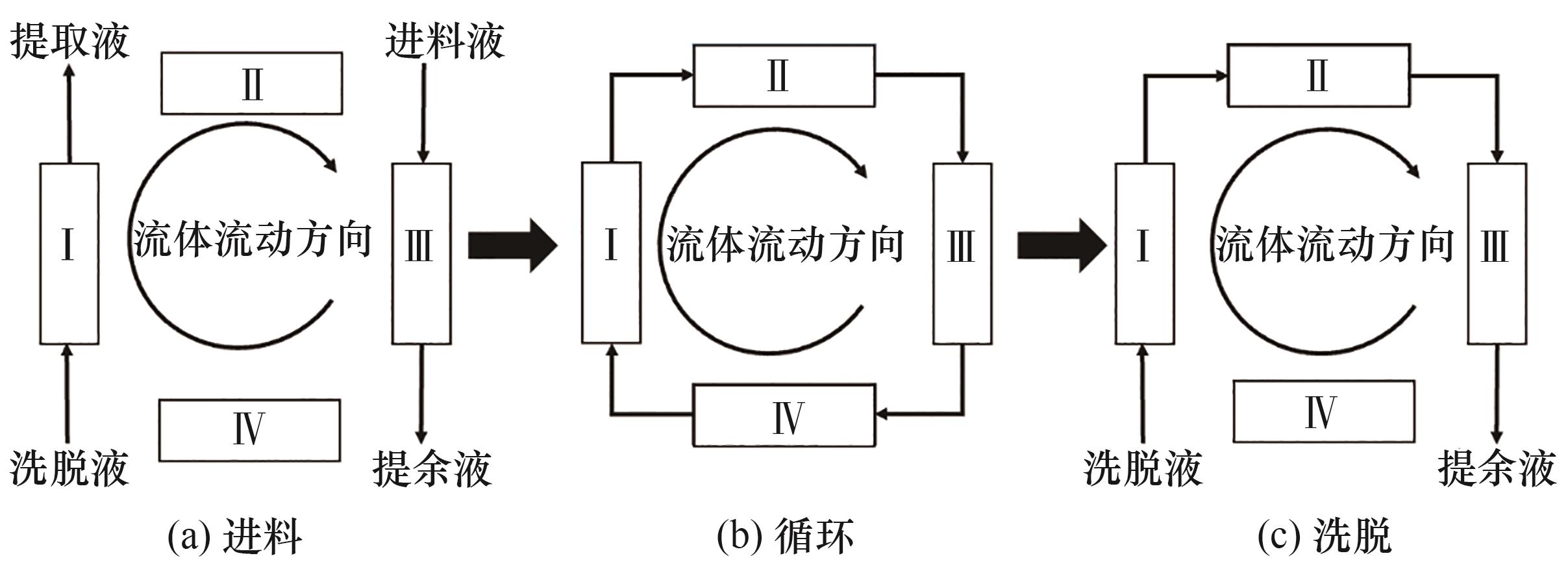
Fig.1 Working mechanism of sequential simulated moving bed
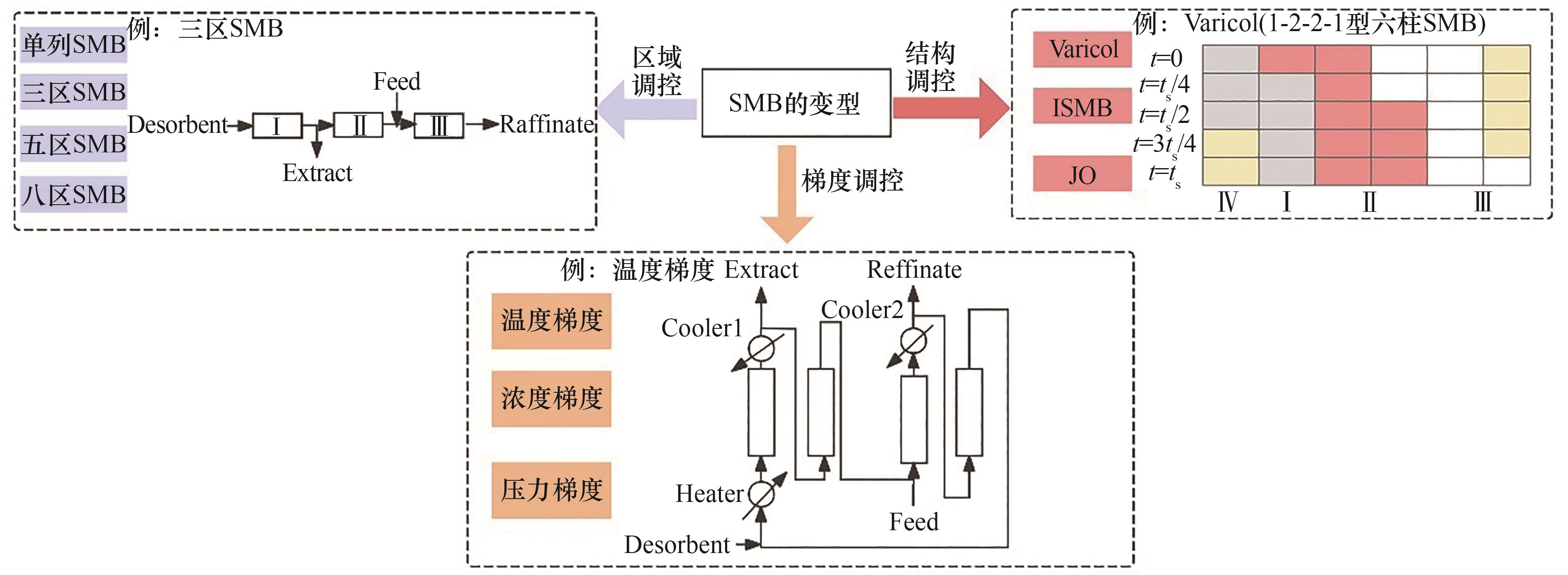
Fig.2 The modification methods of the simulated moving bed
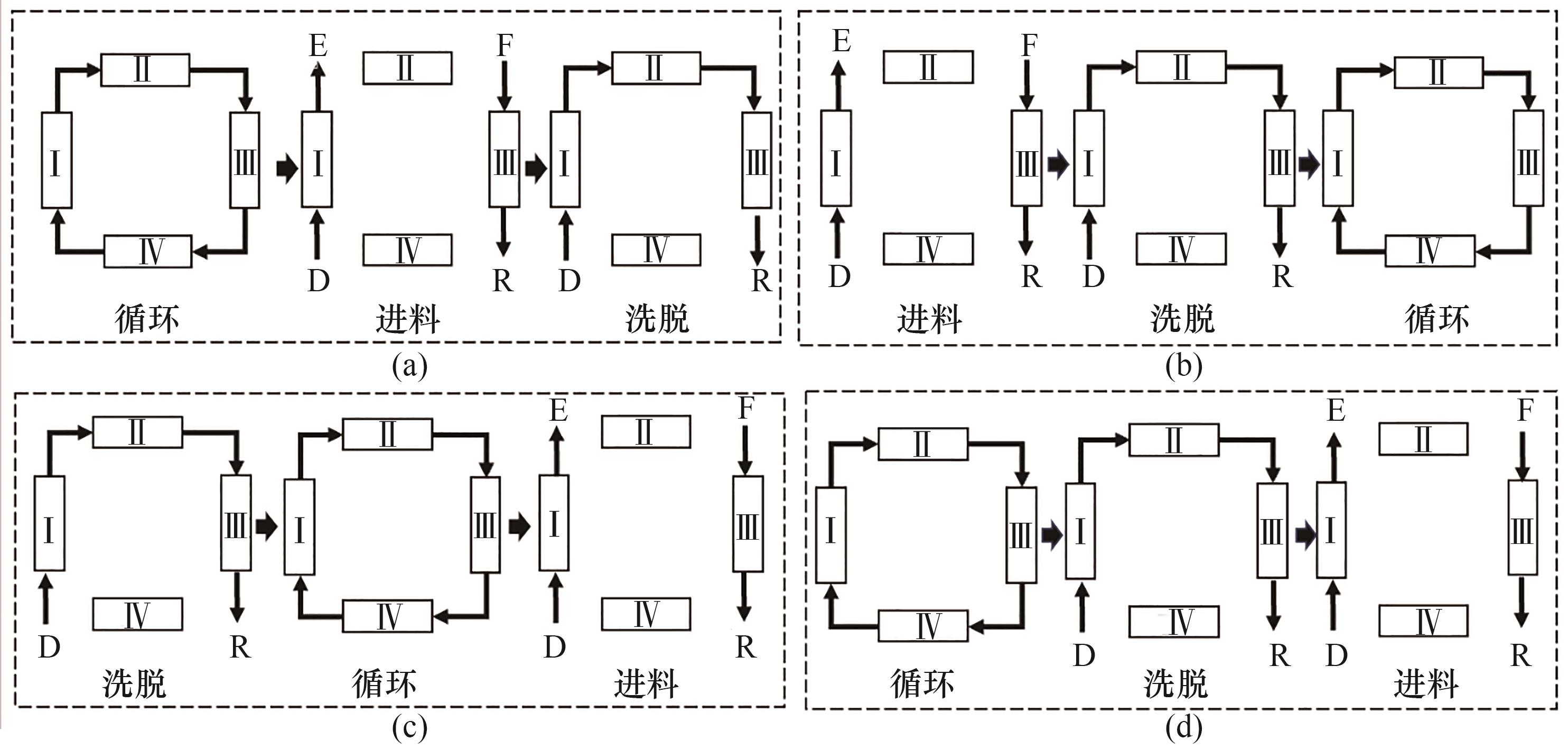
Fig.3 Sub-step switching sequence control diagram
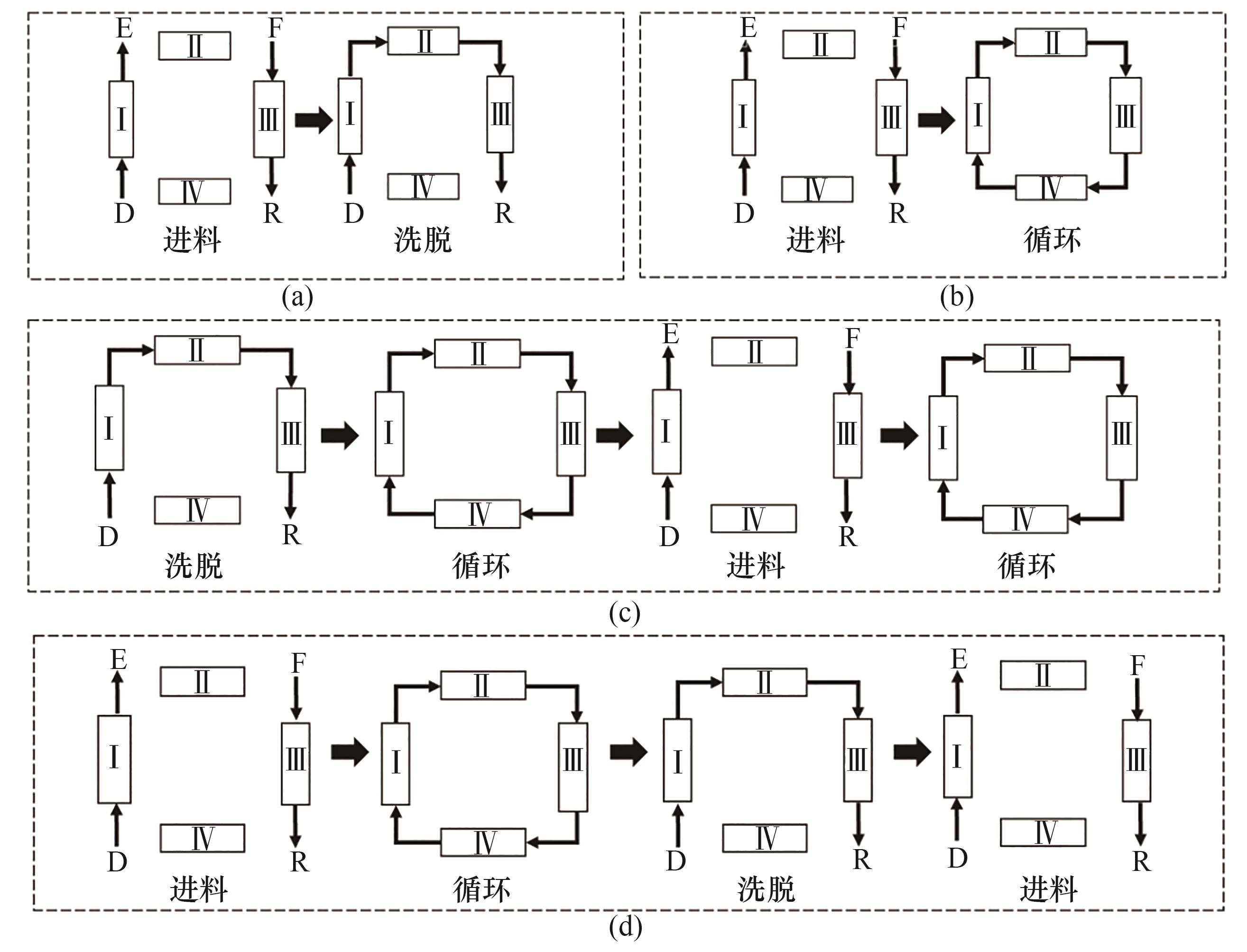
Fig.4 Regulation and control diagram of sub-step switching mode
| 试剂 | 纯度/% | 规格 | 生产厂家 |
|---|---|---|---|
| 低聚木糖(XOS) | 95 | — | 山东龙力生物 |
| 阿拉伯糖(ARS) | 95 | — | 山东龙力生物 |
| 木糖(Xylose) | 99 | — | 山东龙力生物 |
| 木二糖(XOS2) | 99.7 | AR | 上海甄准生物 |
| 木三糖(XOS3) | 99.7 | AR | 上海甄准生物 |
| 木四糖(XOS4) | 99.7 | AR | 上海甄准生物 |
| 木五糖(XOS5) | 99.7 | AR | 上海甄准生物 |
| 木六糖(XOS6) | 99.7 | AR | 上海甄准生物 |
| 木七糖(XOS7) | 99.7 | AR | 上海甄准生物 |
Table 1 Experimental materials
| 试剂 | 纯度/% | 规格 | 生产厂家 |
|---|---|---|---|
| 低聚木糖(XOS) | 95 | — | 山东龙力生物 |
| 阿拉伯糖(ARS) | 95 | — | 山东龙力生物 |
| 木糖(Xylose) | 99 | — | 山东龙力生物 |
| 木二糖(XOS2) | 99.7 | AR | 上海甄准生物 |
| 木三糖(XOS3) | 99.7 | AR | 上海甄准生物 |
| 木四糖(XOS4) | 99.7 | AR | 上海甄准生物 |
| 木五糖(XOS5) | 99.7 | AR | 上海甄准生物 |
| 木六糖(XOS6) | 99.7 | AR | 上海甄准生物 |
| 木七糖(XOS7) | 99.7 | AR | 上海甄准生物 |
| 仪器 | 规格 | 生产厂家 |
|---|---|---|
| 称量天平 | BSA224S-CW | 德国Sartorius |
| 恒温水浴 | OLB-S6 | 山东欧莱伯仪器 |
| 顺序式模拟移动床 | SEPFOCUS | 上海赛梵科 |
| 高效液相色谱仪 | LC-16A | 日本岛津 |
| 数控超声波清洗器 | TB-5200DT | 天津泰斯特典创仪器 |
| 超级数控恒温槽 | SC-15 | 宁波新芝 |
| 双级反渗透超纯水机 | Master-R | 上海和泰仪器 |
Table 2 Experimental instruments
| 仪器 | 规格 | 生产厂家 |
|---|---|---|
| 称量天平 | BSA224S-CW | 德国Sartorius |
| 恒温水浴 | OLB-S6 | 山东欧莱伯仪器 |
| 顺序式模拟移动床 | SEPFOCUS | 上海赛梵科 |
| 高效液相色谱仪 | LC-16A | 日本岛津 |
| 数控超声波清洗器 | TB-5200DT | 天津泰斯特典创仪器 |
| 超级数控恒温槽 | SC-15 | 宁波新芝 |
| 双级反渗透超纯水机 | Master-R | 上海和泰仪器 |
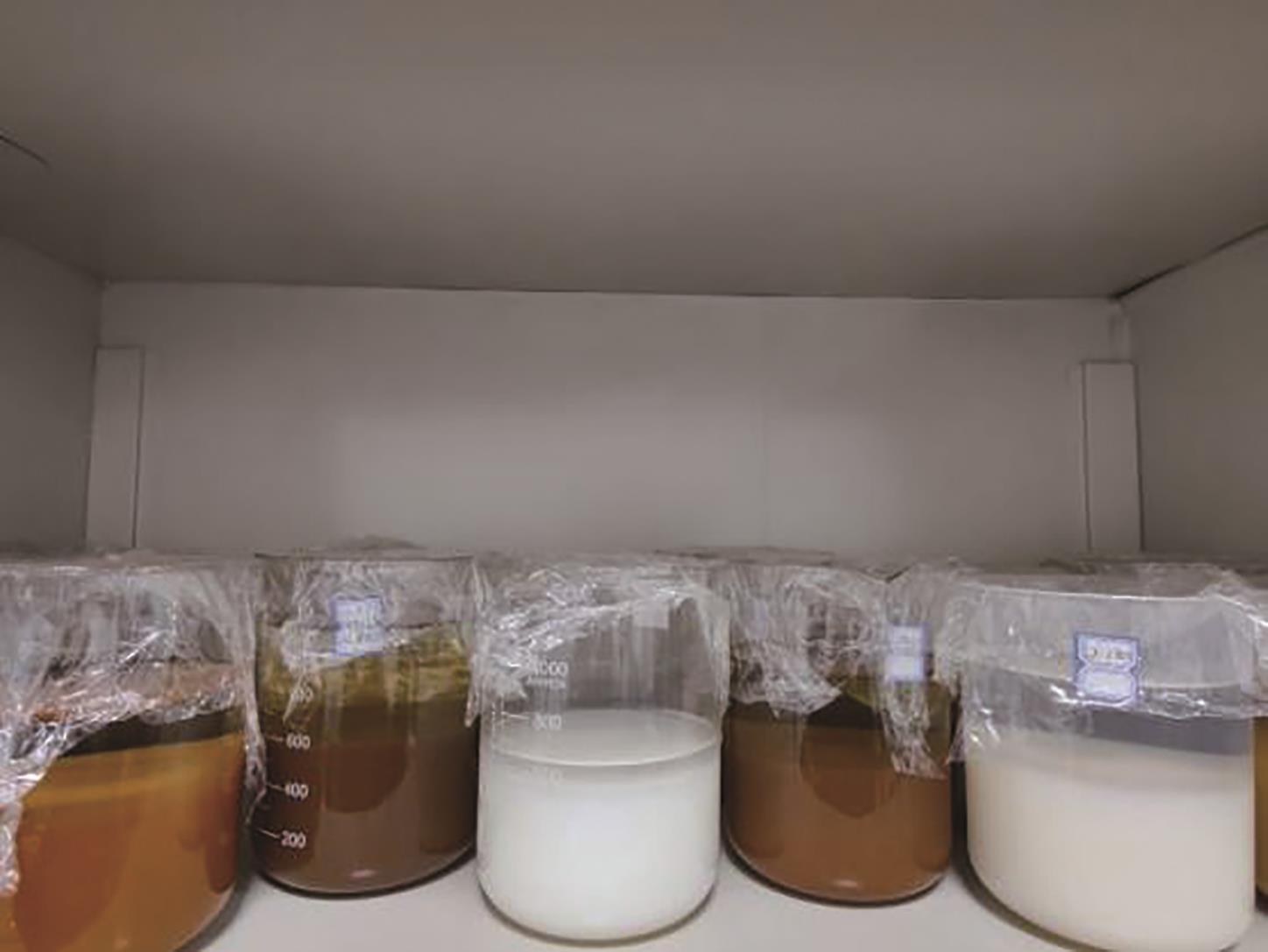
Fig.5 Resin sample diagram
| 树脂 类型 | 亨利常数H(XOS)/(Pa·kg/mol) | 选择性 α(xylose/XOS) | 柱效N(XOS)/cm | 平均粒度/ μm |
|---|---|---|---|---|
| Ca2+ | 0.384 | 2.01 | 67.2 | 590 |
| K+ | 0.416 | 2.11 | 60.2 | |
| Na+ | 0.284 | 1.69 | 55.8 |
Table 3 Resin screening result
| 树脂 类型 | 亨利常数H(XOS)/(Pa·kg/mol) | 选择性 α(xylose/XOS) | 柱效N(XOS)/cm | 平均粒度/ μm |
|---|---|---|---|---|
| Ca2+ | 0.384 | 2.01 | 67.2 | 590 |
| K+ | 0.416 | 2.11 | 60.2 | |
| Na+ | 0.284 | 1.69 | 55.8 |
| 参数 | 数值 |
|---|---|
| 全交换容量/(eq/L) | 1.0 |
| 含水量/% | 55-65 |
| 平均粒径/μm | 590 |
| 均一系数 | 1.1 |
| 圆球率/% | 95 |
| 抗压强度/(g/bead) | 350 |
| 湿真密度/(g/ml) | 1.08 |
| 湿视密度/(g/L) | 657 |
Table 4 Parameters of DOWEX MONOSPHERETM 99/310 resin
| 参数 | 数值 |
|---|---|
| 全交换容量/(eq/L) | 1.0 |
| 含水量/% | 55-65 |
| 平均粒径/μm | 590 |
| 均一系数 | 1.1 |
| 圆球率/% | 95 |
| 抗压强度/(g/bead) | 350 |
| 湿真密度/(g/ml) | 1.08 |
| 湿视密度/(g/L) | 657 |
| 参数 | 数值 |
|---|---|
| 柱数 | 4 |
| 柱参数 | |
| 柱长/cm | 2.5 |
| 柱直径/cm | 100 |
| 孔隙率 | 0.416 |
| 动力学参数 | |
| 最大流速/(ml/min) | 20 |
| TD模型参数/(cm2/min) | 2000 |
| 低聚木糖的传质系数/min-1 | 0.36 |
| 杂质的传质系数/min-1 | 4.54 |
| 亨利常数(T=60℃) | |
| 低聚木糖 | 0.167 |
| 杂质 | 0.45 |
| 进料浓度/(g/L) | |
| 低聚木糖 | 210 |
| 杂质 | 90 |
Table 5 Chromatographic model parameters
| 参数 | 数值 |
|---|---|
| 柱数 | 4 |
| 柱参数 | |
| 柱长/cm | 2.5 |
| 柱直径/cm | 100 |
| 孔隙率 | 0.416 |
| 动力学参数 | |
| 最大流速/(ml/min) | 20 |
| TD模型参数/(cm2/min) | 2000 |
| 低聚木糖的传质系数/min-1 | 0.36 |
| 杂质的传质系数/min-1 | 4.54 |
| 亨利常数(T=60℃) | |
| 低聚木糖 | 0.167 |
| 杂质 | 0.45 |
| 进料浓度/(g/L) | |
| 低聚木糖 | 210 |
| 杂质 | 90 |
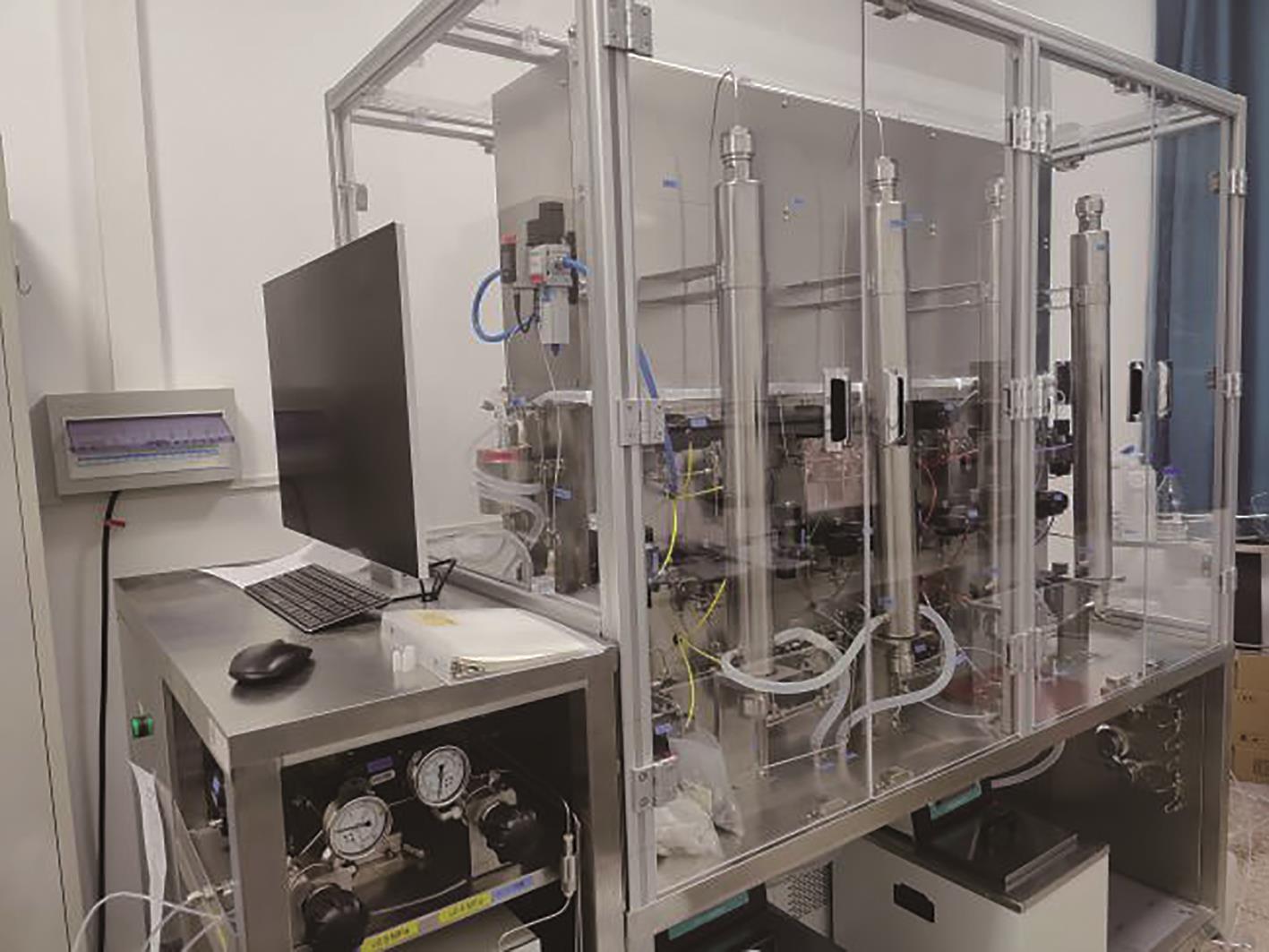
Fig.6 SSMB device diagram
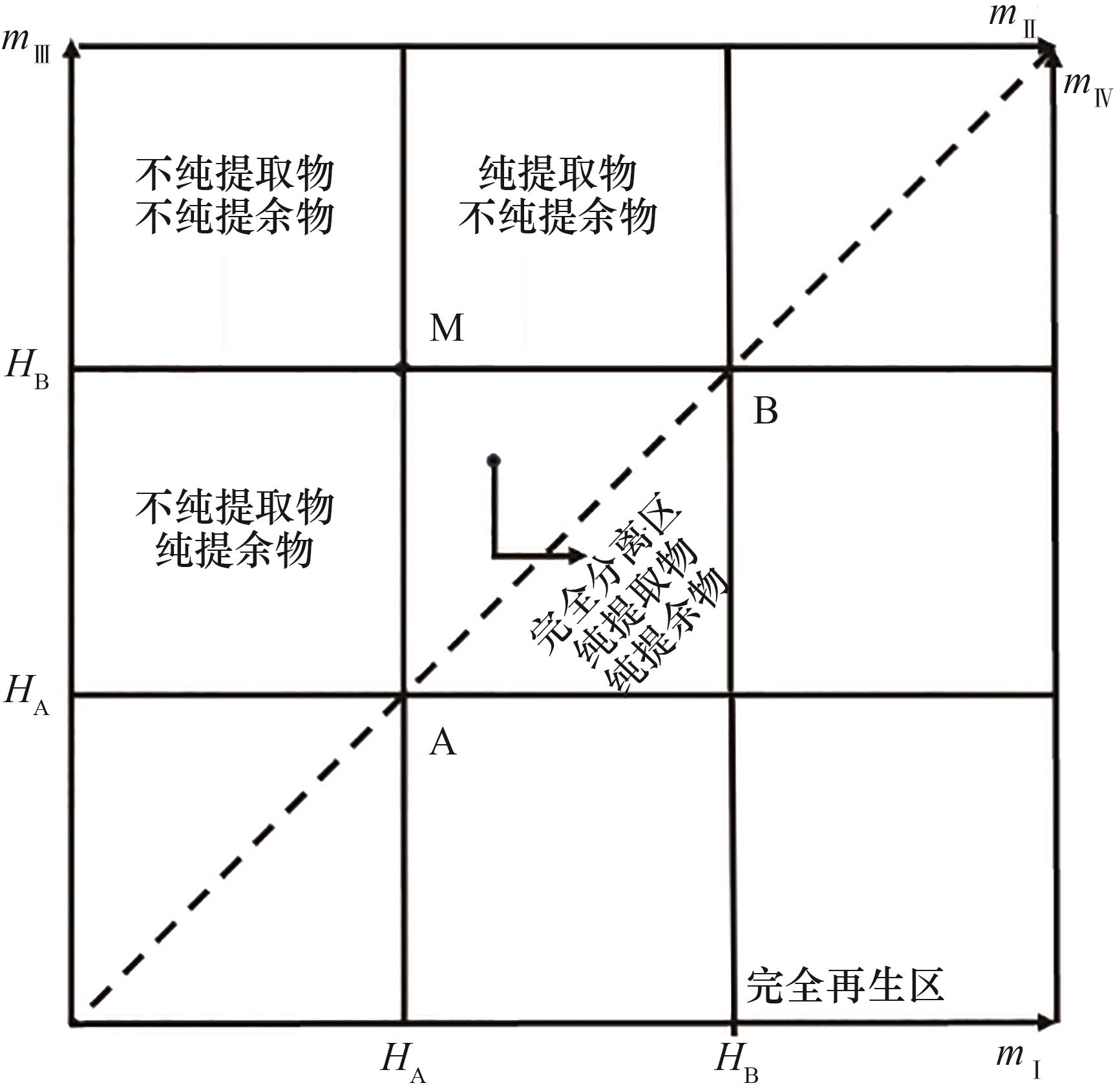
Fig.7 Diagram of triangle theory
| 案例 | 纯度/% | 收率/% | 水耗/(ml/min) | 操作条件(4柱SSMB) | |
|---|---|---|---|---|---|
| 1 | 实验 | 83.7 | 85.7 | 9.90 | mⅠ=0.71;mⅡ=0.31;mⅢ=0.38;mⅣ=0.1;Qfeed=14.00 ml/min;t1=5.50 min;t2=10.1 min;t3=4.4 min |
| 模拟 | 88.7 | 86.2 | 9.91 | ||
| 2 | 实验 | 88.9 | 79.8 | 9.85 | mⅠ=0.84;mⅡ=0.36;mⅢ=0.43;mⅣ=0.06;Qfeed=8.34 ml/min;t1=6.99 min;t2=11.05 min;t3=4.34 min |
| 模拟 | 89.8 | 82.5 | 9.89 | ||
| 3 | 实验 | 85.1 | 80.5 | 10.24 | mⅠ=0.92;mⅡ=0.28;mⅢ=0.44;mⅣ=0.08;Qfeed=5.93 ml/min;t1=7.68 min;t2=11.42 min;t3=4.25 min |
| 模拟 | 87.2 | 82.2 | 10.31 | ||
Table 6 Comparison of experimental data and simulation results
| 案例 | 纯度/% | 收率/% | 水耗/(ml/min) | 操作条件(4柱SSMB) | |
|---|---|---|---|---|---|
| 1 | 实验 | 83.7 | 85.7 | 9.90 | mⅠ=0.71;mⅡ=0.31;mⅢ=0.38;mⅣ=0.1;Qfeed=14.00 ml/min;t1=5.50 min;t2=10.1 min;t3=4.4 min |
| 模拟 | 88.7 | 86.2 | 9.91 | ||
| 2 | 实验 | 88.9 | 79.8 | 9.85 | mⅠ=0.84;mⅡ=0.36;mⅢ=0.43;mⅣ=0.06;Qfeed=8.34 ml/min;t1=6.99 min;t2=11.05 min;t3=4.34 min |
| 模拟 | 89.8 | 82.5 | 9.89 | ||
| 3 | 实验 | 85.1 | 80.5 | 10.24 | mⅠ=0.92;mⅡ=0.28;mⅢ=0.44;mⅣ=0.08;Qfeed=5.93 ml/min;t1=7.68 min;t2=11.42 min;t3=4.25 min |
| 模拟 | 87.2 | 82.2 | 10.31 | ||
| 结构(切换顺序) | PurA | PurB | RecA | RecB | Wc |
|---|---|---|---|---|---|
| 进料-循环-洗脱 | 0.94 | 0.90 | 0.69 | 0.69 | 5.04 |
| 进料-洗脱-循环 | 0.66 | 0.99 | 0.35 | 0.21 | 7.31 |
| 循环-进料-洗脱 | 0.99 | 0.92 | 0.72 | 0.67 | 4.52 |
| 循环-洗脱-进料 | 0.74 | 0.97 | 0.19 | 0.98 | 7.31 |
| 洗脱-循环-进料 | 0.88 | 0.98 | 0.51 | 0.98 | 6.03 |
| 洗脱-进料-循环 | 0.99 | 0.51 | 0.48 | 0.87 | 7.82 |
Table 7 Results of sub-step switching sequence adjustment in case 1
| 结构(切换顺序) | PurA | PurB | RecA | RecB | Wc |
|---|---|---|---|---|---|
| 进料-循环-洗脱 | 0.94 | 0.90 | 0.69 | 0.69 | 5.04 |
| 进料-洗脱-循环 | 0.66 | 0.99 | 0.35 | 0.21 | 7.31 |
| 循环-进料-洗脱 | 0.99 | 0.92 | 0.72 | 0.67 | 4.52 |
| 循环-洗脱-进料 | 0.74 | 0.97 | 0.19 | 0.98 | 7.31 |
| 洗脱-循环-进料 | 0.88 | 0.98 | 0.51 | 0.98 | 6.03 |
| 洗脱-进料-循环 | 0.99 | 0.51 | 0.48 | 0.87 | 7.82 |

Fig.8 Radar diagram of sub-step switching sequence control results in case 1
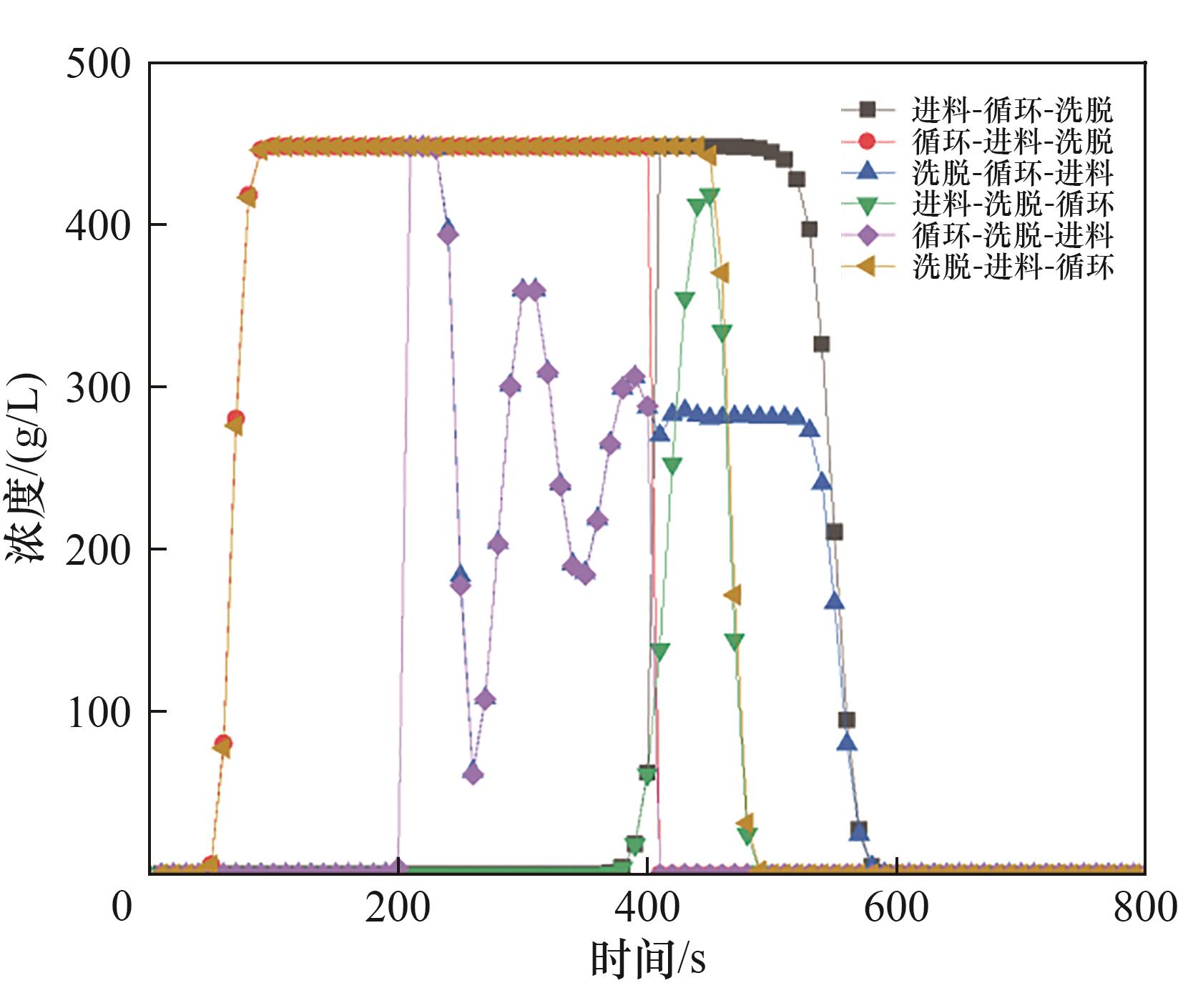
Fig.9 Concentration distribution plot of sub-step switching sequence regulation in case 1
| 案例 | 结构 | PurA | PurB | RecA | RecB | Wc |
|---|---|---|---|---|---|---|
| 1 | 循环-进料-洗脱 | 0.99 | 0.92 | 0.72 | 0.67 | 4.52 |
| 洗脱-进料-循环 | 0.99 | 0.51 | 0.48 | 0.87 | 7.81 | |
| 进料-循环-洗脱 | 0.94 | 0.90 | 0.69 | 0.69 | 5.12 | |
| 2 | 循环-进料-洗脱 | 0.95 | 0.88 | 0.82 | 0.84 | 1.71 |
| 洗脱-进料-循环 | 0.89 | 0.41 | 0.28 | 0.99 | 1.72 | |
| 进料-循环-洗脱 | 0.63 | 0.92 | 0.90 | 0.21 | 4.51 | |
| 3 | 循环-进料-洗脱 | 0.90 | 0.94 | 0.79 | 0.88 | 1.53 |
| 洗脱-进料-循环 | 0.42 | 0.99 | 0.17 | 0.01 | 1.52 | |
| 进料-循环-洗脱 | 0.79 | 0.89 | 0.46 | 0.90 | 4.43 |
Table 8 Result of sub-step switching sequence regulation in different cases
| 案例 | 结构 | PurA | PurB | RecA | RecB | Wc |
|---|---|---|---|---|---|---|
| 1 | 循环-进料-洗脱 | 0.99 | 0.92 | 0.72 | 0.67 | 4.52 |
| 洗脱-进料-循环 | 0.99 | 0.51 | 0.48 | 0.87 | 7.81 | |
| 进料-循环-洗脱 | 0.94 | 0.90 | 0.69 | 0.69 | 5.12 | |
| 2 | 循环-进料-洗脱 | 0.95 | 0.88 | 0.82 | 0.84 | 1.71 |
| 洗脱-进料-循环 | 0.89 | 0.41 | 0.28 | 0.99 | 1.72 | |
| 进料-循环-洗脱 | 0.63 | 0.92 | 0.90 | 0.21 | 4.51 | |
| 3 | 循环-进料-洗脱 | 0.90 | 0.94 | 0.79 | 0.88 | 1.53 |
| 洗脱-进料-循环 | 0.42 | 0.99 | 0.17 | 0.01 | 1.52 | |
| 进料-循环-洗脱 | 0.79 | 0.89 | 0.46 | 0.90 | 4.43 |
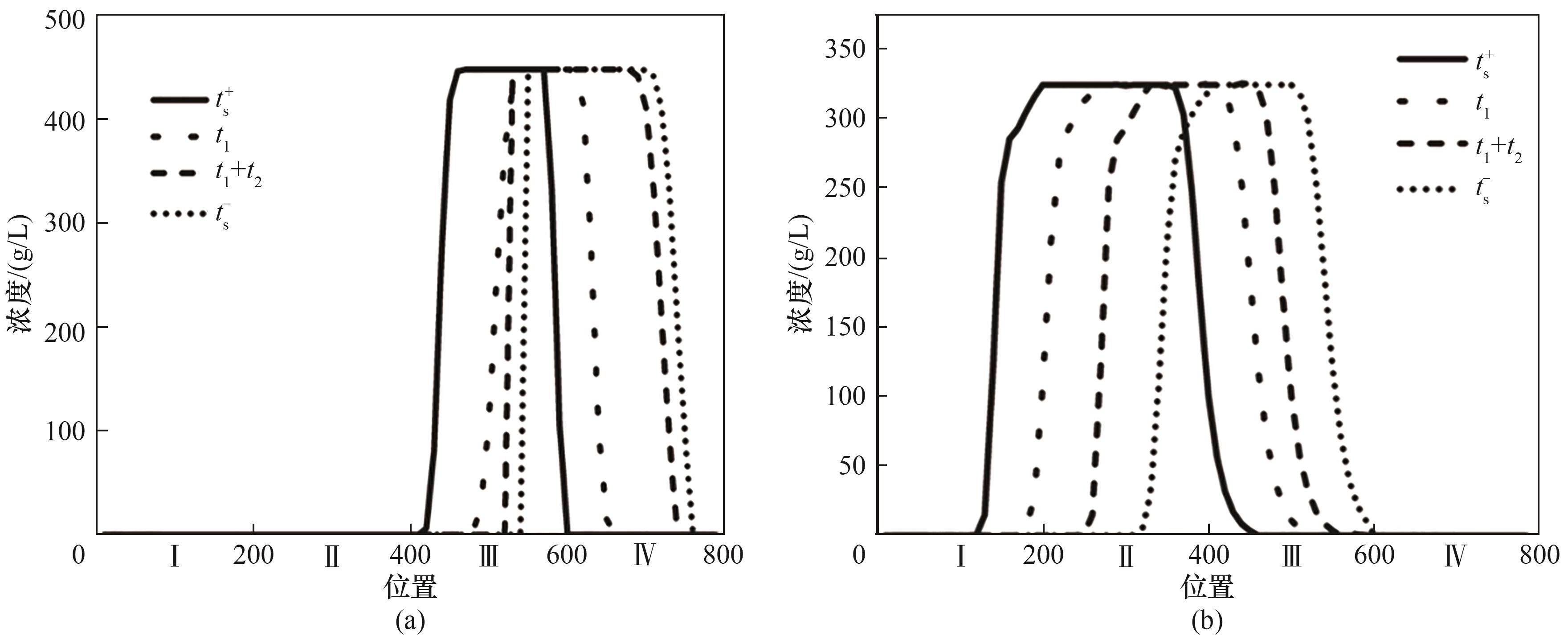
Fig.10 Internal concentration curve of the “circulation-feed-elution” structure in case 1
| 结构 | PurA | PurB | RecA | RecB | Wc |
|---|---|---|---|---|---|
| 进料-循环-洗脱-循环 | 0.80 | 0.99 | 0.74 | 0.21 | 3.82 |
| 循环-进料-洗脱-循环 | 0.97 | 0.53 | 0.25 | 0.78 | 6.32 |
| 进料-循环-进料-洗脱 | 0.90 | 0.82 | 0.23 | 0.37 | 6.02 |
| 洗脱-循环-进料-洗脱 | 0.75 | 0.99 | 0.16 | 0.01 | 6.01 |
| 进料-洗脱-进料-循环 | 0.78 | 0.83 | 0.47 | 0.40 | 7.82 |
| 进料-循环-洗脱-进料 | 0.94 | 0.79 | 0.25 | 0.99 | 6.03 |
Table 9 Case 1: result of sub-step switching mode control (adding sub-steps)
| 结构 | PurA | PurB | RecA | RecB | Wc |
|---|---|---|---|---|---|
| 进料-循环-洗脱-循环 | 0.80 | 0.99 | 0.74 | 0.21 | 3.82 |
| 循环-进料-洗脱-循环 | 0.97 | 0.53 | 0.25 | 0.78 | 6.32 |
| 进料-循环-进料-洗脱 | 0.90 | 0.82 | 0.23 | 0.37 | 6.02 |
| 洗脱-循环-进料-洗脱 | 0.75 | 0.99 | 0.16 | 0.01 | 6.01 |
| 进料-洗脱-进料-循环 | 0.78 | 0.83 | 0.47 | 0.40 | 7.82 |
| 进料-循环-洗脱-进料 | 0.94 | 0.79 | 0.25 | 0.99 | 6.03 |
| 结构 | PurA | PurB | RecA | RecB | Wc |
|---|---|---|---|---|---|
| 进料-循环 | 0.57 | 0.89 | 0.75 | 0.21 | 2.79 |
| 进料-洗脱 | 0.83 | 0.79 | 0.19 | 0.207 | 9.90 |
| 循环-进料 | 0.89 | 0.43 | 0.17 | 0.99 | 7.30 |
| 洗脱-进料 | 0.79 | 0.43 | 0.17 | 0.99 | 9.89 |
Table 10 Case 1: result of sub-step switching mode control (reducing sub-steps)
| 结构 | PurA | PurB | RecA | RecB | Wc |
|---|---|---|---|---|---|
| 进料-循环 | 0.57 | 0.89 | 0.75 | 0.21 | 2.79 |
| 进料-洗脱 | 0.83 | 0.79 | 0.19 | 0.207 | 9.90 |
| 循环-进料 | 0.89 | 0.43 | 0.17 | 0.99 | 7.30 |
| 洗脱-进料 | 0.79 | 0.43 | 0.17 | 0.99 | 9.89 |
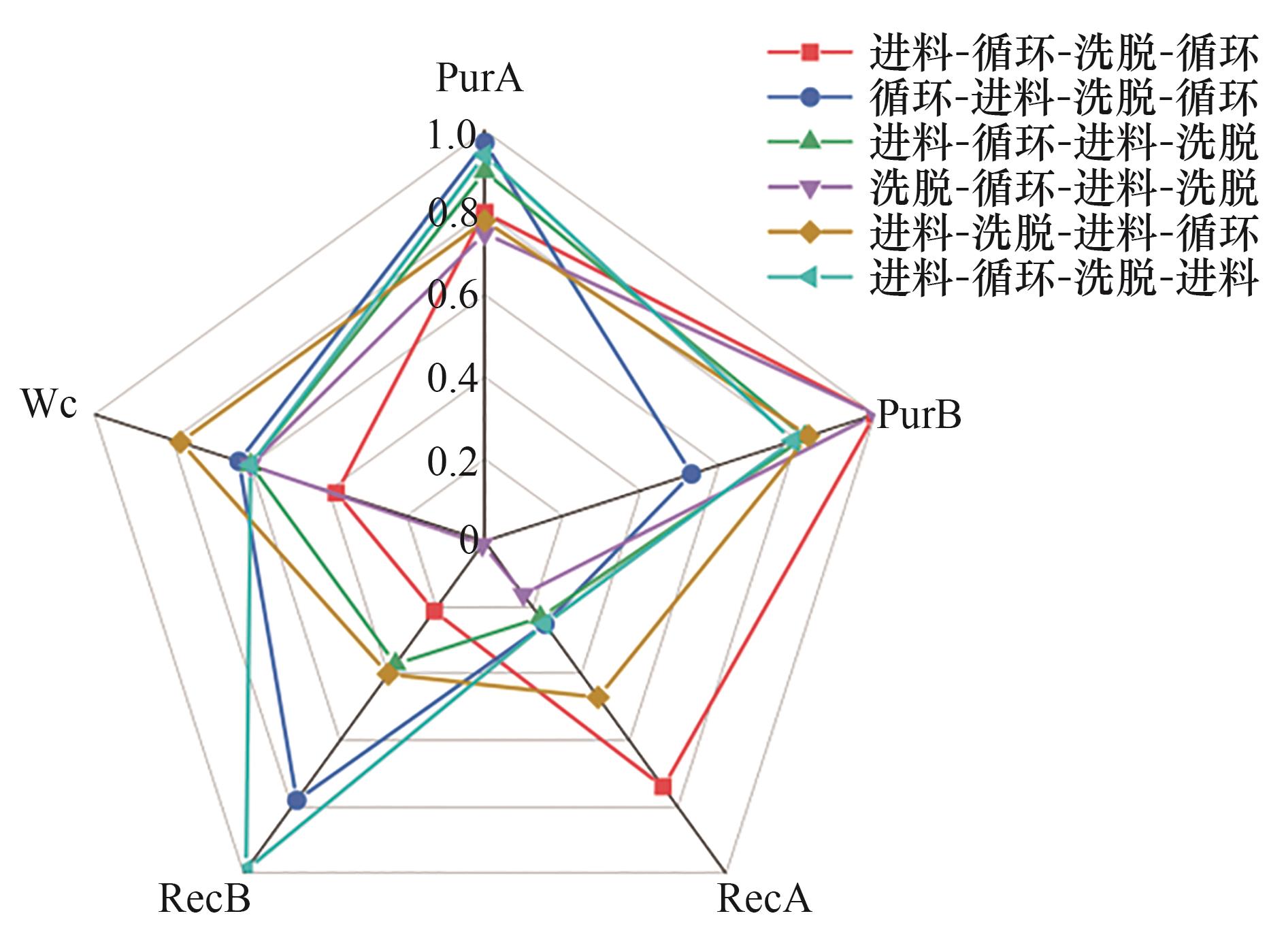
Fig.11 Radar chart of step-switching mode regulation results (increasing sub-steps) in case 1
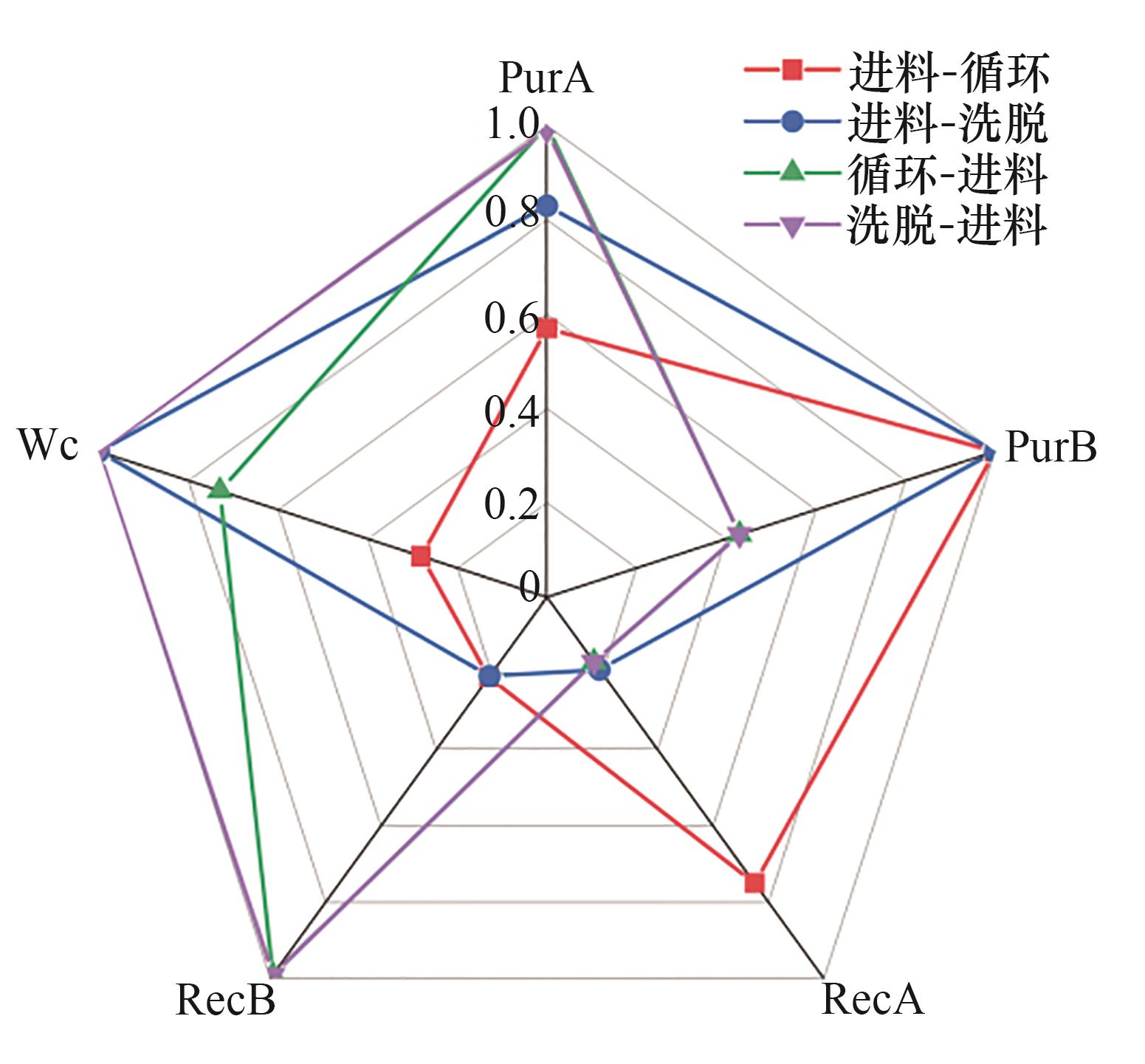
Fig.12 Radar chart of sub-step switching mode regulation results (reducing sub - steps) in case 1
| 1 | Broughton D B. Production-scale adsorptive separations of liquid mixtures by simulated moving-bed technology[J]. Separation Science and Technology, 1984, 19(11/12): 723-736. |
| 2 | Barker P E, Abusabah E K E. The separation of synthetic mixtures of glucose and fructose and also inverted sucrose feedstocks using countercurrent chromatographic techniques[J]. Chromatographia, 1985, 20(1): 9-12. |
| 3 | Nagamatsu S, Murazumi K, Makino S. Chiral separation of a pharmaceutical intermediate by a simulated moving bed process[J]. Journal of Chromatography A, 1999, 832(1/2): 55-65. |
| 4 | Ruthven D M, Ching C B. Counter-current and simulated counter-current adsorption separation processes[J]. Chemical Engineering Science, 1989, 44: 1011-1038. |
| 5 | Deveant R M, Jonas R, Schulte M, et al. Enantiomer separation of a novel Ca-sensitizing drug by simulated moving bed (SMB)-chromatography[J]. Journal Für Praktische Chemie, 1997, 339(1): 315-321. |
| 6 | Francotte E, Richert P, Mazzotti M, et al Simulated moving bed chromatographic resolution of a chiral antitussive[J]. Journal of Chromatography A, 1998, 796(2): 239-248. |
| 7 | Juza M, Mazzotti M, Morbidelli M. Simulated moving-bed chromatography and its application to chirotechnology[J]. Trends in Biotechnology,2000, 18(3):108-118. |
| 8 | 姚传义, 郑震玮, 涂志贤, 等. 模拟移动床色谱分离吴茱萸碱和吴茱萸次碱[J]. 化工学报, 2021, 72(7): 3728-3737. |
| Yao C Y, Zheng Z W, Tu Z X, et al. Separation of evodiamine and rutaecarpine with simulated moving bed chromatography [J]. CIESC Journal, 2021, 72(7): 3728-3737. | |
| 9 | Li Y, Xu J, Yu W F, et al. Multi-objective optimization of sequential simulated moving bed for the purification of xylo-oligosaccharides [J]. Chemical Engineering Science, 2020, 211: 115279. |
| 10 | Tangpromphan P, Budman H, Jaree A. A simplified strategy to reduce the desorbent consumption and equipment installed in a three-zone simulated moving bed process for the separation of glucose and fructose[J]. Chemical Engineering and Processing-Process Intensification, 2018, 126: 23-37. |
| 11 | 凌山, 刘聚明, 张前程, 等. 模拟移动床分离过程及其优化方法研究进展[J]. 化工进展, 2023, 42(5): 2233-2244. |
| Ling S, Liu J M, Zhang Q C, et al. Research progress on simulated moving bed separation process and its optimization methods[J]. Chemical Industry and Engineering Progress, 2023, 42(5): 2233-2244. | |
| 12 | Zhang X T, Liu J M, Ray A K, et al. Research progress on the typical variants of simulated moving bed: from the established processes to the advanced technologies[J]. Processes, 2023, 11(2): 508. |
| 13 | 杨永辉, 刘冰, 陈雪波. 模拟移动床色谱分离技术综述[J]. 化学通报, 2015, 78(2): 132-139. |
| Yang Y H, Liu B, Chen X B. Summary of simulated moving bed chromatography separation technology[J]. Chemistry, 2015, 78(2): 132-139. | |
| 14 | Aniceto J P S, Silva C M. Simulated moving bed strategies and designs: from established systems to the latest developments[J]. Separation & Purification Reviews, 2015, 44(1): 41-73. |
| 15 | Zhang X T, Liu J M, Ray A K, et al. Multi-objective optimization of sequential simulated moving bed for multi-component separation based on multi-parameter modeling and its determination[J]. Chemical Engineering Science, 2024, 295: 120172. |
| 16 | 龚如金, 林小建, 李平, 等. 异步控制Varicol工艺分离愈创木酚甘油醚对映体过程研究[J]. 化工学报, 2015, 66(1): 157-163. |
| Gong R J, Lin X J, Li P, et al. Separation of guaifenesin enantiomers by asynchronous Varicol process[J]. CIESC Journal, 2015, 66(1): 157-163. | |
| 17 | Zhang Z Y, Hidajat K, Ray A K, et al. Multiobjective optimization of SMB and varicol process for chiral separation[J]. AIChE Journal, 2002, 48(12): 2800-2816. |
| 18 | Jermann S, Mazzotti M. Three column intermittent simulated moving bed chromatography (1): Process description and comparative assessment[J]. Journal of Chromatography A, 2014, 1361: 125-138. |
| 19 | Jermann S, Katsuo S, Mazzotti M. Intermittent simulated moving bed processes for chromatographic three-fraction separation[J]. Organic Process Research & Development, 2012, 16(2): 311-322. |
| 20 | Agrawal G, Sreedhar B, Kawajiri Y. Systematic optimization and experimental validation of ternary simulated moving bed chromatography systems[J]. Journal of Chromatography A, 2014, 1356:82-95. |
| 21 | Lee J W, Wankat P C. Design of pseudo-simulated moving bed process with multi-objective optimization for the separation of a ternary mixture: linear isotherms[J]. Journal of Chromatography A, 2010, 1217(20): 3418-3426. |
| 22 | He Q L, von Lieres E, Sun Z X, et al. Model-based process design of a ternary protein separation using multi-step gradient ion-exchange SMB chromatography[J]. Computers & Chemical Engineering, 2020, 138: 106851. |
| 23 | Agrawal G, Kawajiri Y. Comparison of various ternary simulated moving bed separation schemes by multi-objective optimization[J]. Journal of Chromatography A, 2012, 1238: 105-113. |
| 24 | Mun S, Wang N H L. Optimization of productivity in solvent gradient simulated moving bed for paclitaxel purification[J]. Process Biochemistry, 2008, 43(12): 1407-1418. |
| 25 | Kim J K, Abunasser N, Wankat P C, et al. Thermally assisted simulated moving bed systems[J]. Adsorption, 2005, 11(1): 579-584. |
| 26 | Jin W H, Wankat P C. Thermal operation of four-zone simulated moving beds[J]. Industrial & Engineering Chemistry Research, 2007, 46(22): 7208-7220. |
| 27 | Migliorini C, Wendlinger M, Mazzotti M, et al. Temperature gradient operation of a simulated moving bed unit[J]. Industrial & Engineering Chemistry Research, 2001, 40(12): 2606-2617. |
| 28 | Li Y, Ding Z Y, Wang J, et al. A comparison between simulated moving bed and sequential simulated moving bed system based on multi-objective optimization[J]. Chemical Engineering Science, 2020, 219: 115562. |
| 29 | Choi J, Park H, Park C, et al. Highly efficient recovery of xylobiose from xylooligosaccharides using a simulated moving bed method[J]. Journal of Chromatography A, 2016, 1465: 143-154. |
| 30 | 李良玉, 孙蕊, 李朝阳, 等. 顺序式模拟移动色谱纯化木糖醇母液[J]. 天然产物研究与开发, 2015, 27(10): 1789-1793. |
| Li L Y, Sun R, Li C Y, et al. Purification of xylitol mother liquid using sequential simulated moving bed chromatography[J]. Natural Product Research and Development, 2015, 27(10): 1789-1793. | |
| 31 | 李洪飞, 孙大庆, 李良玉, 等. 基于顺序式模拟移动床色谱法的两种木糖母液分离工艺比较[J]. 食品与机械, 2019, 35(10): 210-213. |
| Li H F, Sun D Q, Li L Y, et al. Comparing of two seperation processes for recovering xylose mother liquor with sequential simulated moving bed technology[J]. Food & Machinery, 2019, 35(10): 210-213. | |
| 32 | Li Y, Yu W F, Ding Z Y, et al. Equilibrium and kinetic differences of XOS2-XOS7 in xylo-oligosaccharides and their effects on the design of simulated moving bed purification process[J]. Separation and Purification Technology, 2019, 215: 360-367. |
| 33 | Martins M, Sganzerla W G, Forster-Carneiro T, et al. Recent advances in xylo-oligosaccharides production and applications: a comprehensive review and bibliometric analysis[J]. Biocatalysis and Agricultural Biotechnology, 2023, 47: 102608. |
| 34 | Mazzotti M. Equilibrium theory based design of simulated moving bed processes for a generalized Langmuir isotherm[J]. Journal of Chromatography A, 2006, 1126(1/2): 311-322. |
| 35 | Storti G, Mazzotti M, Morbidelli M, et al. Robust design of binary countercurrent adsorption separation processes[J]. AIChE Journal, 1993, 39(3): 471-492. |
| 36 | Shekhawat L K, Rathore A S. An overview of mechanistic modeling of liquid chromatography[J]. Preparative biochemistry & Biotechnology, 2019, 49(6): 623-638. |
| 37 | Mao S M, Zhang Y, Rohani S, et al. Chromatographic resolution and isotherm determination of (R, S)-mandelic acid on Chiralcel-OD column[J]. Journal of Separation Science, 2012, 35(17): 2273-2281. |
| 38 | Xu J, Zhu L, Xu G Q, et al. Determination of competitive adsorption isotherm of enantiomers on preparative chromatographic columns using inverse method[J]. Journal of Chromatography A, 2013, 1273: 49-56. |
| 39 | Silva R J S, Rodrigues R C R, Mota J P B. Relay simulated moving bed chromatography: concept and design criteria[J]. Journal of Chromatography A, 2012, 1260: 132-142. |
| 40 | 魏朋, 陈珺, 王志国, 等. 基于平衡理论的模拟移动床工艺参数鲁棒寻优[J]. 化工学报, 2022, 73(2): 792-800. |
| Wei P, Chen J, Wang Z G, et al. Robust optimization of process parameters of simulated moving bed based on equilibrium theory[J]. CIESC Journal, 2022, 73(2): 792-800. | |
| 41 | 杨明磊,魏民,胡蓉,等.二甲苯模拟移动床分离过程建模与仿真[J].化工学报,2013, 64(12): 4335-4341. |
| Yang M L, Wei M, Hu R, et al. Modeling and simulation of xylene simulated moving bed for xylene separation[J]. CIESC Journal, 2013, 64(12): 4335-4341. | |
| 42 | Pedeferri M, Zenoni G, Mazzotti M, et al. Experimental analysis of a chiral separation through simulated moving bed chromatography[J]. Chemical Engineering Science, 1999, 54(17): 3735-3748. |
| 43 | Kaspereit M, Seidel-Morgenstern A, Kienle A. Design of simulated moving bed processes under reduced purity requirements[J]. Journal of Chromatography A, 2007, 1162(1): 2-13. |
| [1] | Jiashun LI, Wang LI, Zuzeng QIN, Tongming SU, Xinling XIE, Hongbing JI. Preparation of polyimide-reinforced lignocellulosic nanofibril aerogel and its oil-water separation performance [J]. CIESC Journal, 2025, 76(5): 2169-2185. |
| [2] | Jialang HU, Mingyuan JIANG, Lyuming JIN, Yonggang ZHANG, Peng HU, Hongbing JI. Machine learning-assisted high-throughput computational screening of MOFs and advances in gas separation research [J]. CIESC Journal, 2025, 76(5): 1973-1996. |
| [3] | Jinyue WANG, Enze XIE, Hanze MA, Sheng YUAN, Guangwei HE, Zhongyi JIANG. Monoatomic layer separation membrane: progress and prospect [J]. CIESC Journal, 2025, 76(5): 1943-1959. |
| [4] | Yanqiu LU, Yang DI, Wenbo SHI, Congcong YIN, Yong WANG. Research progress of smart responsive membranes based on novel porous organic polymers [J]. CIESC Journal, 2025, 76(5): 2101-2118. |
| [5] | Hao QI, Yujie WANG, Shenhui LI, Qi ZOU, Yiqun LIU, Zhiping ZHAO. Molecular simulation study on adsorption and diffusion of C3H6 and C3H8 on Co/Zn-ZIFs [J]. CIESC Journal, 2025, 76(5): 2313-2326. |
| [6] | Chunhui TAO, Yinhui LI, Yu FU, Ran DUAN, Zeyi ZHAO, Yufeng TANG, Gang ZHANG, Heping MA. Selective adsorption and purification of low-concentration Kr gas using various adsorbents [J]. CIESC Journal, 2025, 76(5): 2358-2366. |
| [7] | Haofan ZHAO, Haojie REN, Zongkai LIU, Guanying DONG, Yatao ZHANG. Research progress of MOFs glass membranes in gas separation applications [J]. CIESC Journal, 2025, 76(5): 2042-2054. |
| [8] | Yue ZHANG, Jiaxin LIU, Jing MA, Yi LIU. Recent progress on metal-organic framework membranes towards uranium separation from seawater [J]. CIESC Journal, 2025, 76(5): 2087-2100. |
| [9] | Dong GU, Xingjian PI, Die ZHANG, Ying ZHANG. Construction and H2/CO2 separation performance evaluation of CAU-1/PI mixed matrix membrane with different nanoparticle sizes [J]. CIESC Journal, 2025, 76(5): 2410-2418. |
| [10] | Yaohui ZHANG, Yujie BAN, Weishen YANG. Vapor-phase synthesis and post-synthetic modification of metal-organic framework membranes [J]. CIESC Journal, 2025, 76(5): 2070-2086. |
| [11] | Yanan YANG, Shengran CHANG, Songlin XUE, Jianming PAN, Weihong XING. Progress of research on photo- and electric-driven to promote uranium and lithium extraction from seawater [J]. CIESC Journal, 2025, 76(5): 1927-1942. |
| [12] | Zibo YANG, Youfa WANG, Hansong YUE, Shuangjie YUAN, Fujiang GENG, Qingqing LI, De AO, Bin LI, Mao YE, Zhenjie GU, Zhihua QIAO. Recent progress of MOF glasses based gas separation membrane [J]. CIESC Journal, 2025, 76(5): 2158-2168. |
| [13] | Di ZHU, Shoujian GAO, Wangxi FANG, Jian JIN. Construction of PES membranes with sponge-like pores and stable super-hydrophilicity through vapor-induced phase separation for oil-in-water emulsion separation [J]. CIESC Journal, 2025, 76(5): 2397-2409. |
| [14] | Liao HE, Jun LI, Mengshu GAO, Dongyang LIU, Yuhao ZHANG, Liang ZHAO, Jinsen GAO, Chunming XU. Research progress on aromatic hydrocarbons separation from petroleum hydrocarbons [J]. CIESC Journal, 2025, 76(5): 1909-1926. |
| [15] | Zehai XU, Chao LIU, Guoliang ZHANG. Hydrophobic pervaporation membranes on polymer substrate for solvent recovery [J]. CIESC Journal, 2025, 76(5): 2055-2069. |
| Viewed | ||||||
|
Full text |
|
|||||
|
Abstract |
|
|||||