Pengpeng LIU( ), Zhiguo WANG(), Xiaoli LUAN, Fei LIU
Received:2025-09-28
Revised:2025-11-19
Published:2025-12-12
Contact:
Zhiguo WANG
刘鹏鹏(), 王志国(), 栾小丽, 刘飞
通讯作者:
王志国
作者简介:刘鹏鹏(2001—),男,硕士研究生,liu_pengp@163.com
基金资助:CLC Number:
Pengpeng LIU, Zhiguo WANG, Xiaoli LUAN, Fei LIU. A hybrid modeling and optimization strategy for sequential simulated moving bed[J]. CIESC Journal, DOI: 10.11949/0438-1157.20251079.
刘鹏鹏, 王志国, 栾小丽, 刘飞. 一种顺序式模拟移动床混合建模与优化策略[J]. 化工学报, DOI: 10.11949/0438-1157.20251079.
Add to citation manager EndNote|Ris|BibTeX
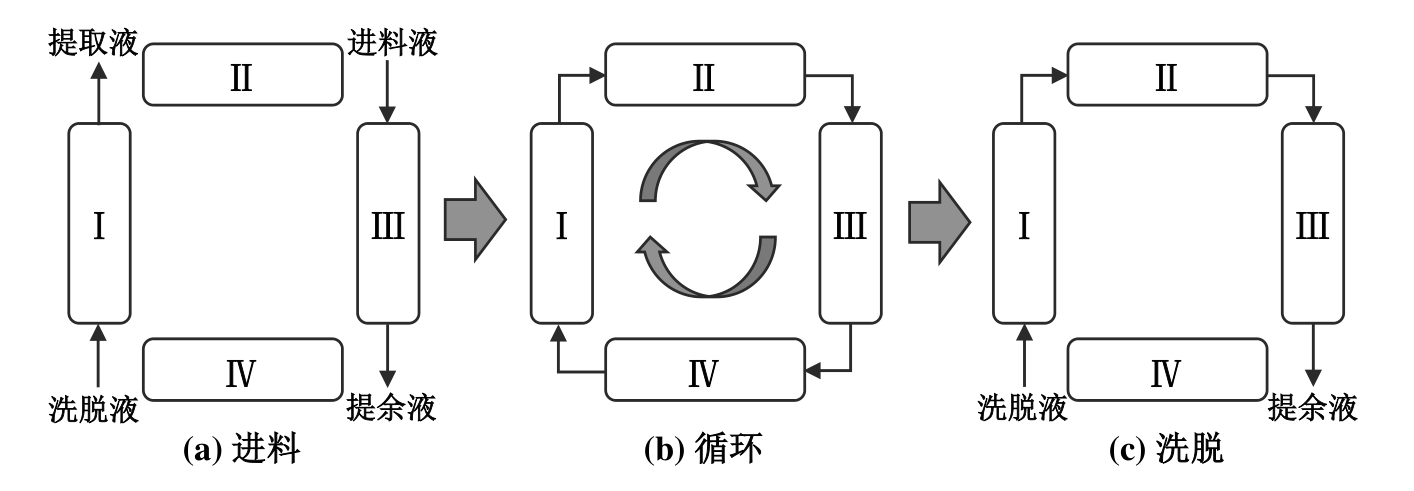
Fig.1 The operation diagram of the sequential simulated moving bed
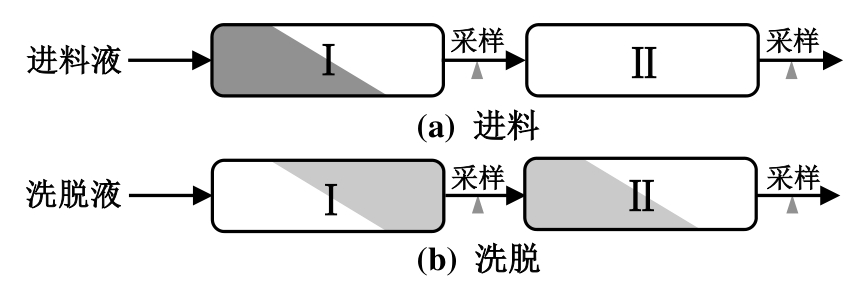
Fig.2 Schematic diagram of the operation of the twin-column experiment
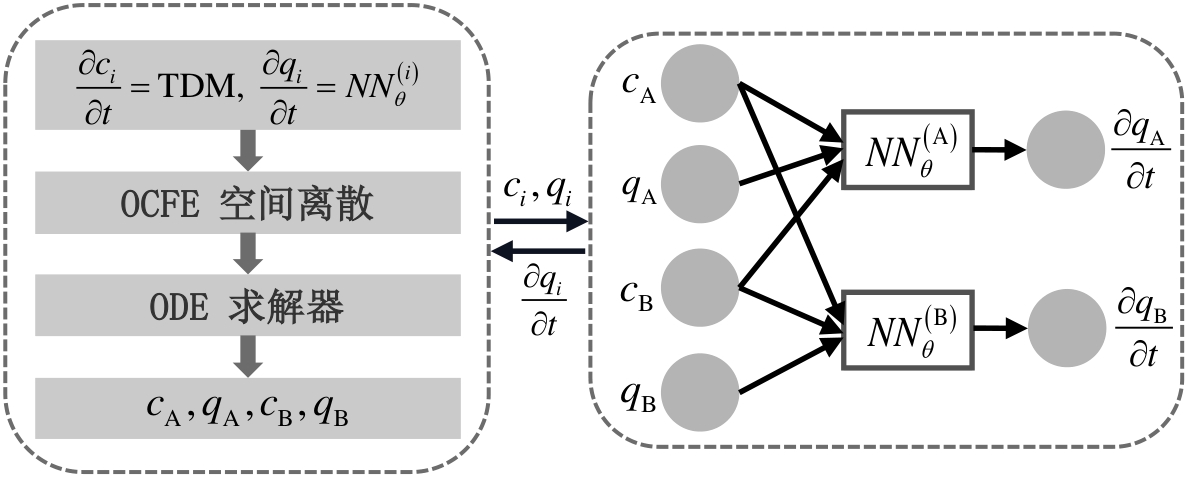
Fig.3 The solution process of the hybrid model
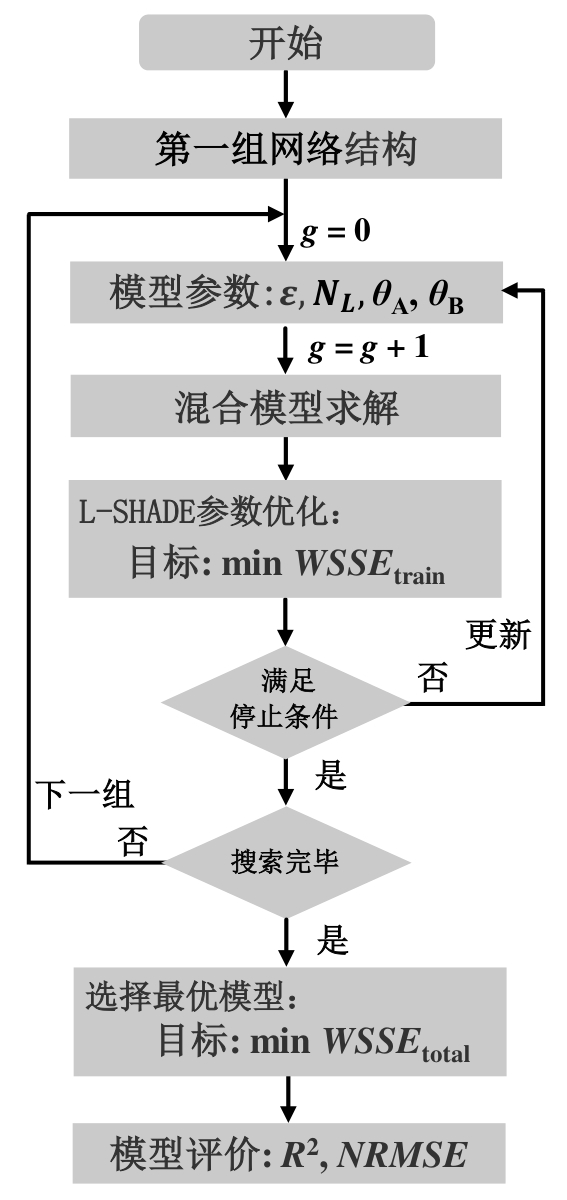
Fig.4 The training process of the hybrid model
| 设备与进料参数 | 吸附特性参数 | ||
|---|---|---|---|
| 柱分布结构 | 1-1-1-1 | 理论塔板数 | 2000 |
| 柱直径 | 2.5 cm | A的传质系数 | 4.54 min-1 |
| 柱长 | 100 cm | B的传质系数 | 0.36 min-1 |
| 空隙率 | 0.416 | A的亨利常数 | 0.450 |
| 最大允许流量 | 20 ml/min | B的亨利常数 | 0.167 |
| A的进料浓度 | 0.09 g/ml | A的吸附常数 | 1.11 |
| B的进料浓度 | 0.21 g/ml | B的吸附常数 | 0.467 |
Table 1 System parameters for SSMB
| 设备与进料参数 | 吸附特性参数 | ||
|---|---|---|---|
| 柱分布结构 | 1-1-1-1 | 理论塔板数 | 2000 |
| 柱直径 | 2.5 cm | A的传质系数 | 4.54 min-1 |
| 柱长 | 100 cm | B的传质系数 | 0.36 min-1 |
| 空隙率 | 0.416 | A的亨利常数 | 0.450 |
| 最大允许流量 | 20 ml/min | B的亨利常数 | 0.167 |
| A的进料浓度 | 0.09 g/ml | A的吸附常数 | 1.11 |
| B的进料浓度 | 0.21 g/ml | B的吸附常数 | 0.467 |
| 分类 | 序号 | tf/ min | Qf/ (ml/min) | te/ min | Qe/ (ml/min) |
|---|---|---|---|---|---|
| 训练集 | 1 | 80 | 6 | 60 | 20 |
| 2 | 60 | 8 | 60 | 20 | |
| 3 | 40 | 10 | 60 | 20 | |
| 4 | 40 | 12 | 60 | 20 | |
| 5 | 30 | 14 | 60 | 20 | |
| 6 | 30 | 16 | 60 | 20 | |
| 内插测试 | 7 | 60 | 7 | 60 | 20 |
| 8 | 50 | 9 | 60 | 20 | |
| 9 | 40 | 11 | 60 | 20 | |
| 10 | 40 | 13 | 60 | 20 | |
| 11 | 30 | 15 | 60 | 20 | |
| 外推测试 | 12 | 120 | 2 | 60 | 20 |
| 13 | 100 | 4 | 60 | 20 | |
| 14 | 30 | 18 | 60 | 20 | |
| 15 | 20 | 20 | 60 | 20 |
Table 2 Process conditions for the twin-column experiment
| 分类 | 序号 | tf/ min | Qf/ (ml/min) | te/ min | Qe/ (ml/min) |
|---|---|---|---|---|---|
| 训练集 | 1 | 80 | 6 | 60 | 20 |
| 2 | 60 | 8 | 60 | 20 | |
| 3 | 40 | 10 | 60 | 20 | |
| 4 | 40 | 12 | 60 | 20 | |
| 5 | 30 | 14 | 60 | 20 | |
| 6 | 30 | 16 | 60 | 20 | |
| 内插测试 | 7 | 60 | 7 | 60 | 20 |
| 8 | 50 | 9 | 60 | 20 | |
| 9 | 40 | 11 | 60 | 20 | |
| 10 | 40 | 13 | 60 | 20 | |
| 11 | 30 | 15 | 60 | 20 | |
| 外推测试 | 12 | 120 | 2 | 60 | 20 |
| 13 | 100 | 4 | 60 | 20 | |
| 14 | 30 | 18 | 60 | 20 | |
| 15 | 20 | 20 | 60 | 20 |
| 参数 | 数值 |
|---|---|
| 初始种群规模 | 60 |
| 最小种群规模 | 2 |
| 最大迭代次数(Gmax) | 300 |
| 记忆长度 | 10 |
| p-best比例 | 0.11 |
| 迭代间隔(Δg) | 10 |
| 相对改善阈值(εrel) | 2% |
| 重复运行次数 | 5 |
Table 3 L-SHADE algorithm parameters
| 参数 | 数值 |
|---|---|
| 初始种群规模 | 60 |
| 最小种群规模 | 2 |
| 最大迭代次数(Gmax) | 300 |
| 记忆长度 | 10 |
| p-best比例 | 0.11 |
| 迭代间隔(Δg) | 10 |
| 相对改善阈值(εrel) | 2% |
| 重复运行次数 | 5 |
网络 结构 | WSSEtotal | 网络 结构 | WSSEtotal | ||||||
|---|---|---|---|---|---|---|---|---|---|
| sigmoid | tanh | sigmoid | tanh | ||||||
| [ | 0.0452 | 0.0335 | [2,2] | 0.0417 | 0.0402 | ||||
| [ | 0.0322 | 0.0286 | [ | 0.0368 | 0.0402 | ||||
| [ | 0.0414 | 0.0376 | [ | 0.0355 | 0.0342 | ||||
| [ | 0.0363 | 0.0332 | [ | 0.0364 | 0.0358 | ||||
Table 4 Screening results for neural network architectures
网络 结构 | WSSEtotal | 网络 结构 | WSSEtotal | ||||||
|---|---|---|---|---|---|---|---|---|---|
| sigmoid | tanh | sigmoid | tanh | ||||||
| [ | 0.0452 | 0.0335 | [2,2] | 0.0417 | 0.0402 | ||||
| [ | 0.0322 | 0.0286 | [ | 0.0368 | 0.0402 | ||||
| [ | 0.0414 | 0.0376 | [ | 0.0355 | 0.0342 | ||||
| [ | 0.0363 | 0.0332 | [ | 0.0364 | 0.0358 | ||||
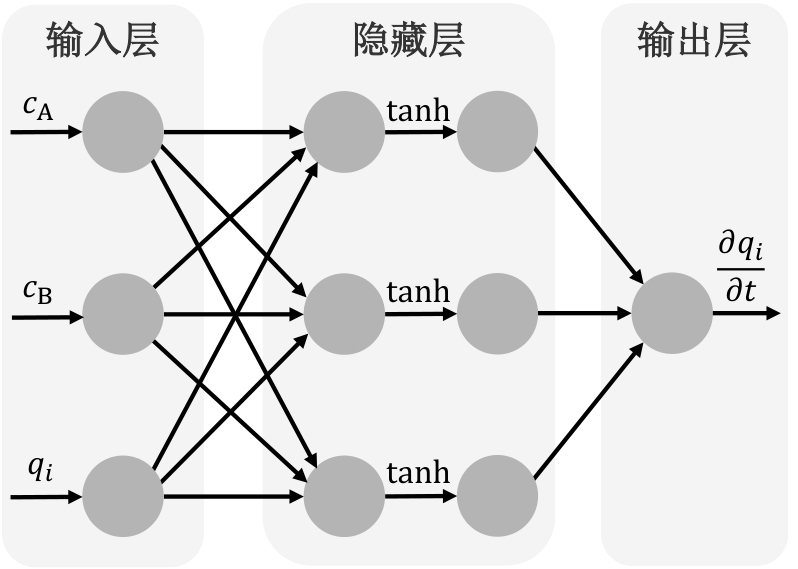
Fig.5 Screening results of the network structure
| 分类 | 序号 | R2 | NRMSE/% | ||||||
|---|---|---|---|---|---|---|---|---|---|
| A | B | A | B | ||||||
| 训练集 | 1 | 0.9970 | 0.9996 | 2.12 | 0.81 | ||||
| 2 | 0.9965 | 09995 | 2.32 | 0.88 | |||||
| 3 | 0.9949 | 0.9993 | 2.64 | 0.98 | |||||
| 4 | 0.9955 | 0.9994 | 2.70 | 0.98 | |||||
| 5 | 0.9941 | 0.9992 | 2.97 | 1.05 | |||||
| 6 | 0.9944 | 0.9993 | 3.05 | 1.05 | |||||
| 内插测试 | 7 | 0.9955 | 0.9992 | 2.43 | 0.97 | ||||
| 8 | 0.9946 | 0.9991 | 2.50 | 1.07 | |||||
| 9 | 0.9942 | 0.9989 | 2.88 | 1.13 | |||||
| 10 | 0.9938 | 0.9987 | 3.05 | 1.22 | |||||
| 11 | 0.9933 | 0.9983 | 3.11 | 1.24 | |||||
| 外推测试 | 12 | 0.9923 | 0.9958 | 3.70 | 1.82 | ||||
| 13 | 0.9936 | 0.9979 | 2.51 | 1.37 | |||||
| 14 | 0.9924 | 0.9966 | 3.69 | 1.79 | |||||
| 15 | 0.9922 | 0.9954 | 3.72 | 1.83 | |||||
Table 5 Fitting and prediction accuracy of the model in the twin-column experiment
| 分类 | 序号 | R2 | NRMSE/% | ||||||
|---|---|---|---|---|---|---|---|---|---|
| A | B | A | B | ||||||
| 训练集 | 1 | 0.9970 | 0.9996 | 2.12 | 0.81 | ||||
| 2 | 0.9965 | 09995 | 2.32 | 0.88 | |||||
| 3 | 0.9949 | 0.9993 | 2.64 | 0.98 | |||||
| 4 | 0.9955 | 0.9994 | 2.70 | 0.98 | |||||
| 5 | 0.9941 | 0.9992 | 2.97 | 1.05 | |||||
| 6 | 0.9944 | 0.9993 | 3.05 | 1.05 | |||||
| 内插测试 | 7 | 0.9955 | 0.9992 | 2.43 | 0.97 | ||||
| 8 | 0.9946 | 0.9991 | 2.50 | 1.07 | |||||
| 9 | 0.9942 | 0.9989 | 2.88 | 1.13 | |||||
| 10 | 0.9938 | 0.9987 | 3.05 | 1.22 | |||||
| 11 | 0.9933 | 0.9983 | 3.11 | 1.24 | |||||
| 外推测试 | 12 | 0.9923 | 0.9958 | 3.70 | 1.82 | ||||
| 13 | 0.9936 | 0.9979 | 2.51 | 1.37 | |||||
| 14 | 0.9924 | 0.9966 | 3.69 | 1.79 | |||||
| 15 | 0.9922 | 0.9954 | 3.72 | 1.83 | |||||
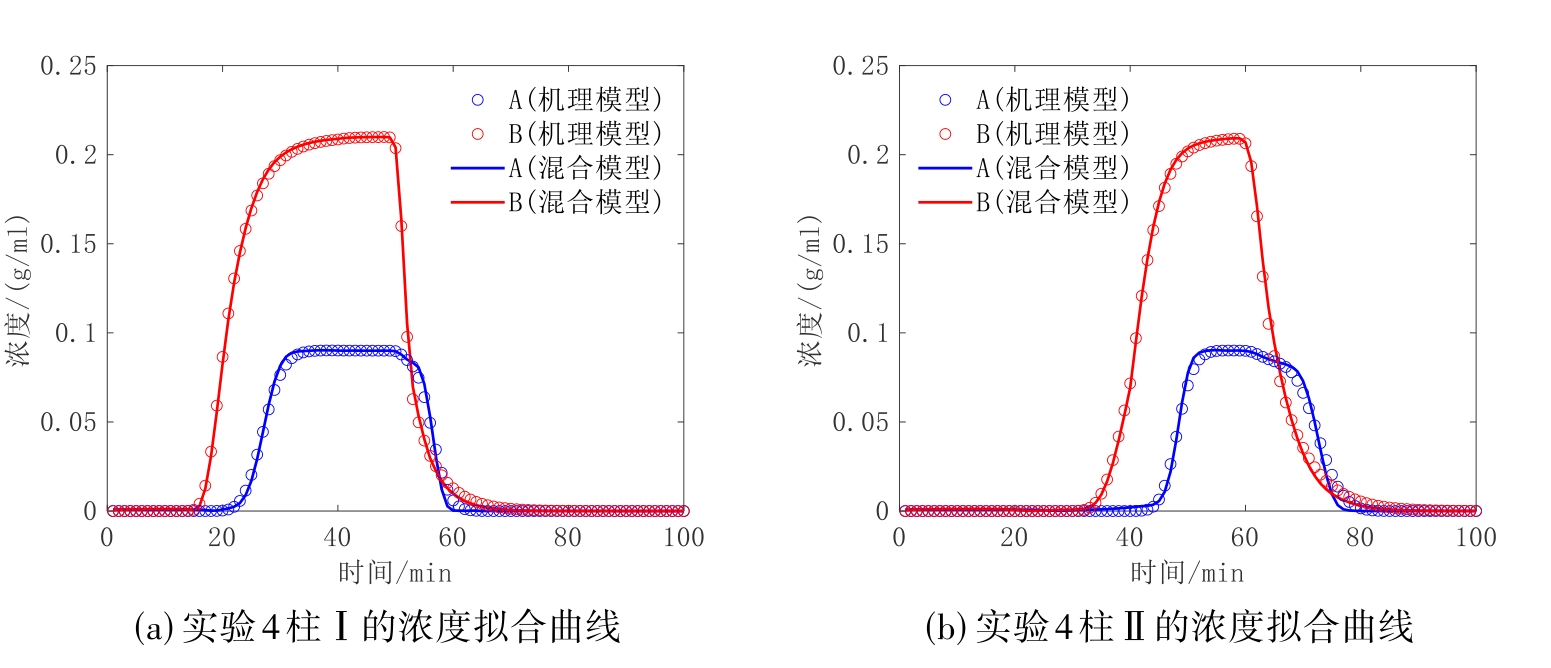
Fig.6 The concentration fitting curve of the hybrid model in the training set
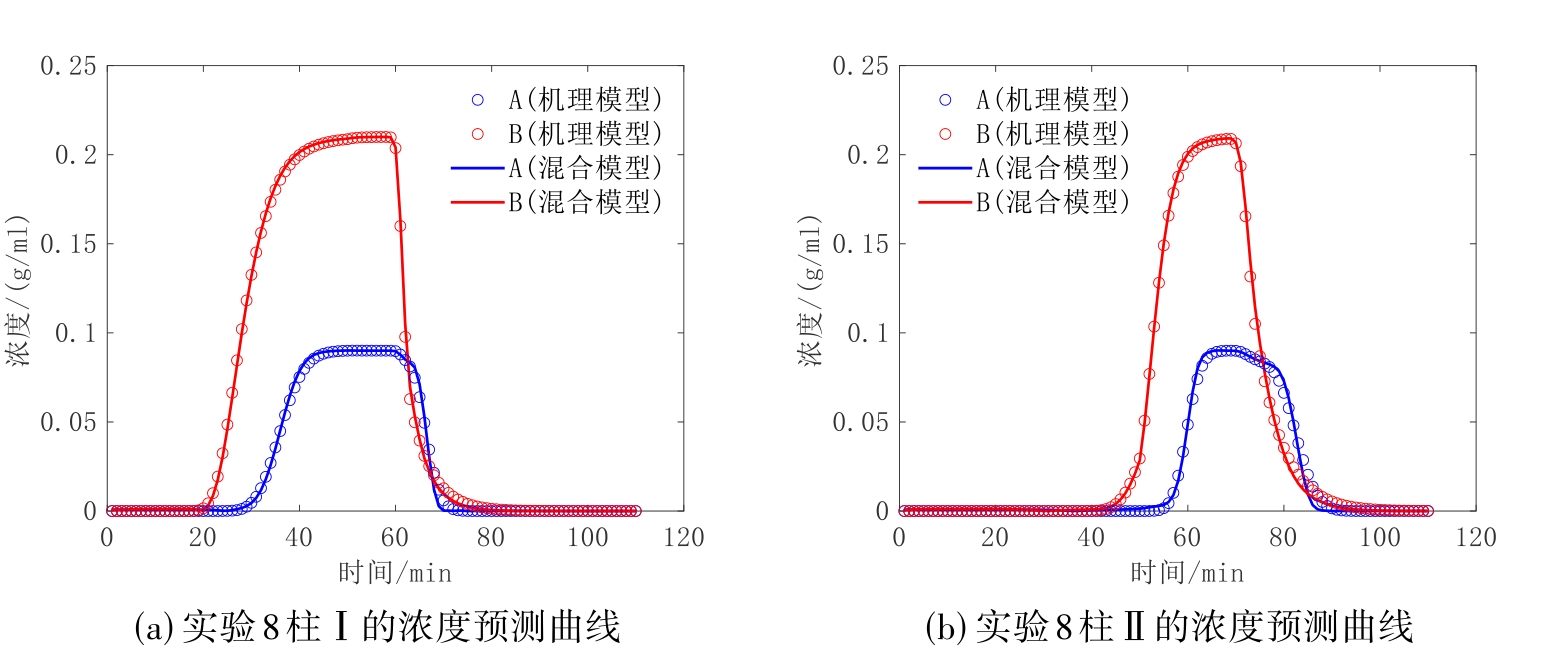
Fig.7 The concentration prediction curve of the hybrid model in the interpolation test
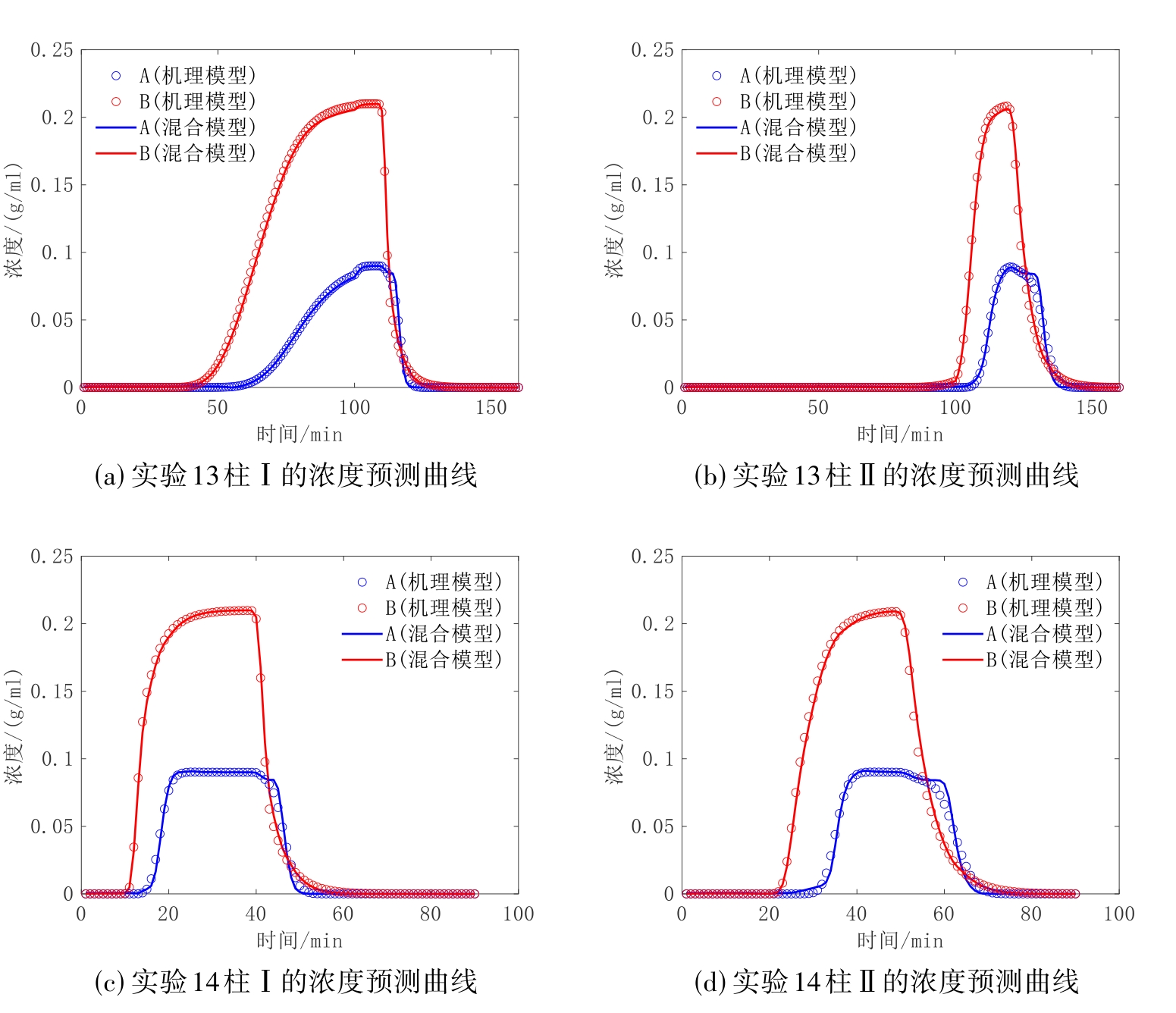
Fig.8 The concentration prediction curve of the hybrid model in the extrapolation test
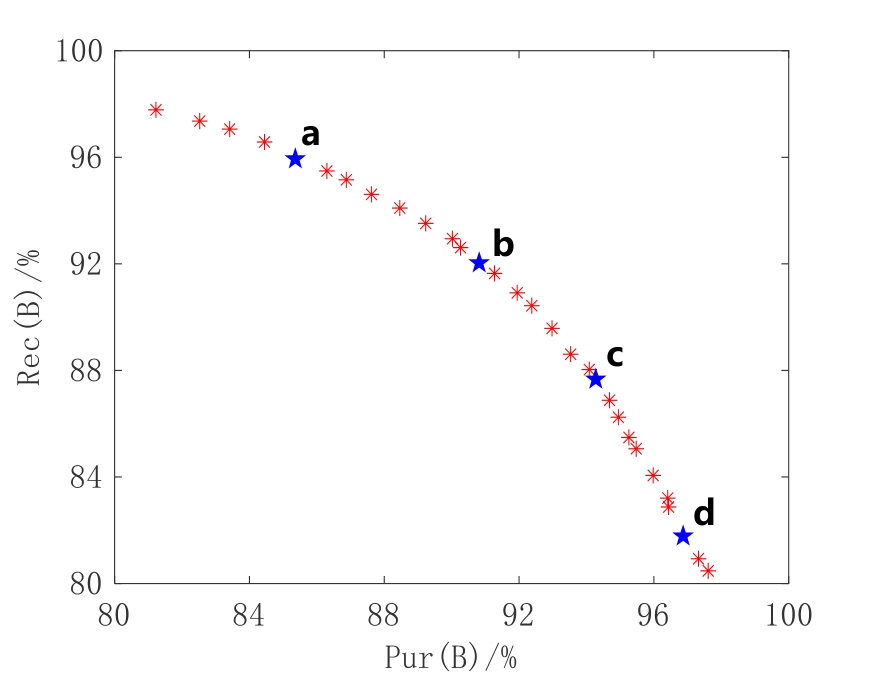
Fig.9 Pareto front of multi-objective optimization for the SSMB process
| 案例 | t1/ | t2/ | t3/ | QF/ | R2 | NRMSE/% | |||||
|---|---|---|---|---|---|---|---|---|---|---|---|
| min | min | min | (ml/min) | A | B | A | B | ||||
| a | 8.00 | 11.45 | 1.71 | 11.65 | 0.9385 | 0.9953 | 9.27 | 1.96 | |||
| b | 5.51 | 11.76 | 0.78 | 16.52 | 0.9581 | 0.9957 | 7.88 | 1.74 | |||
| c | 11.47 | 12.11 | 0.34 | 6.91 | 0.9230 | 0.9940 | 9.33 | 2.31 | |||
| d | 12.15 | 12.03 | 0.12 | 5.77 | 0.8882 | 0.9948 | 8.33 | 2.32 | |||
Table 6 Prediction accuracy of the model at the SSMB product collection position
| 案例 | t1/ | t2/ | t3/ | QF/ | R2 | NRMSE/% | |||||
|---|---|---|---|---|---|---|---|---|---|---|---|
| min | min | min | (ml/min) | A | B | A | B | ||||
| a | 8.00 | 11.45 | 1.71 | 11.65 | 0.9385 | 0.9953 | 9.27 | 1.96 | |||
| b | 5.51 | 11.76 | 0.78 | 16.52 | 0.9581 | 0.9957 | 7.88 | 1.74 | |||
| c | 11.47 | 12.11 | 0.34 | 6.91 | 0.9230 | 0.9940 | 9.33 | 2.31 | |||
| d | 12.15 | 12.03 | 0.12 | 5.77 | 0.8882 | 0.9948 | 8.33 | 2.32 | |||
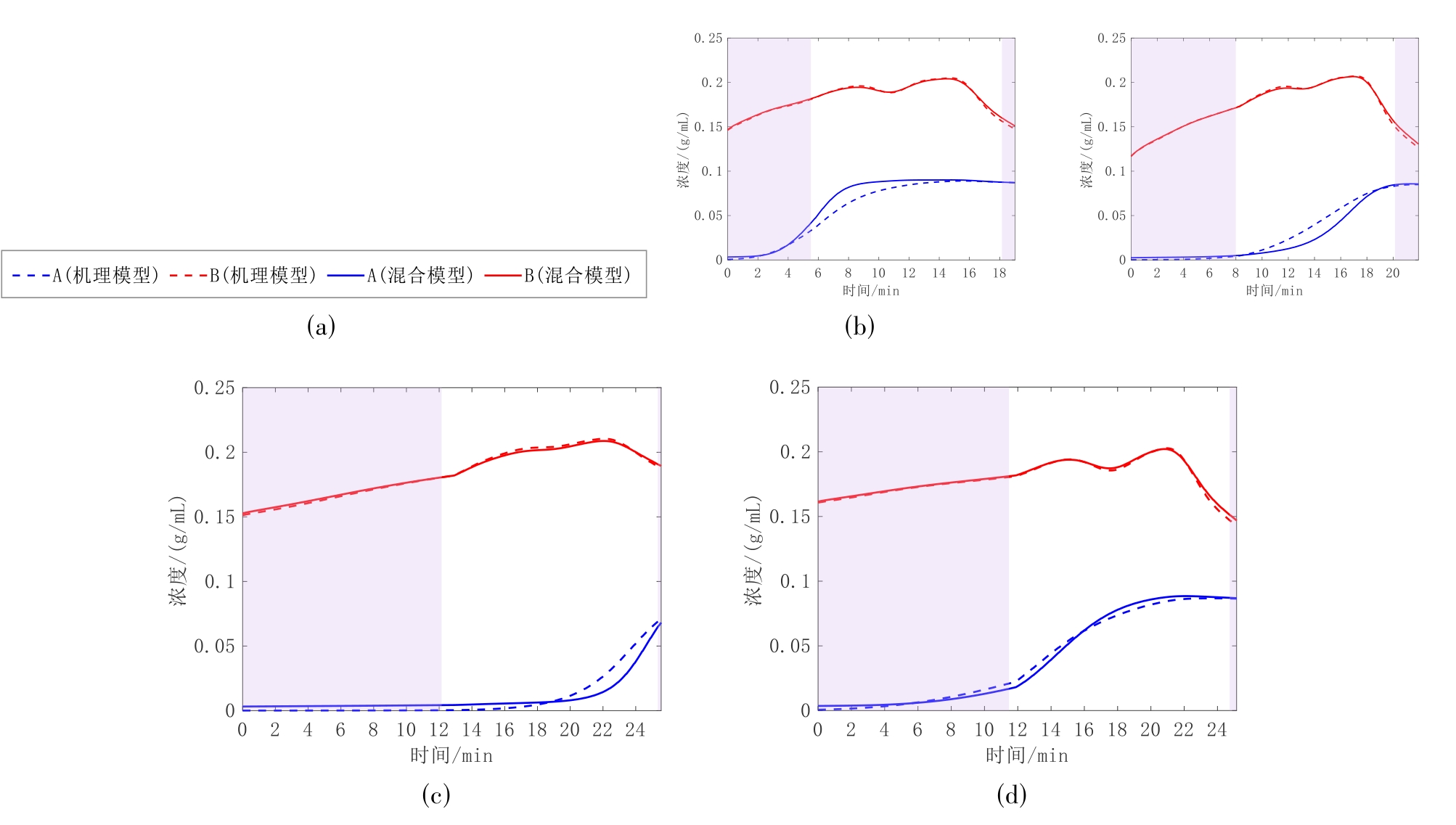
Fig.10 prediction result of the model at the SSMB product collection position
| 案例 | 机理模型 | 混合模型 | 相对误差 | |||||||
|---|---|---|---|---|---|---|---|---|---|---|
| Pur(B)/% | Rec(B)/% | Pur(B)/% | Rec(B)/% | Pur(B)/% | Rec(B)/% | |||||
| a | 86.32 | 95.35 | 85.41 | 96.18 | 1.05 | 0.87 | ||||
| b | 90.98 | 91.39 | 90.83 | 91.94 | 0.16 | 0.60 | ||||
| c | 95.66 | 87.29 | 94.32 | 87.71 | 1.40 | 0.48 | ||||
| d | 98.69 | 81.15 | 96.84 | 81.77 | 1.87 | 0.76 | ||||
Table 7 Prediction of performance indicators by hybrid models
| 案例 | 机理模型 | 混合模型 | 相对误差 | |||||||
|---|---|---|---|---|---|---|---|---|---|---|
| Pur(B)/% | Rec(B)/% | Pur(B)/% | Rec(B)/% | Pur(B)/% | Rec(B)/% | |||||
| a | 86.32 | 95.35 | 85.41 | 96.18 | 1.05 | 0.87 | ||||
| b | 90.98 | 91.39 | 90.83 | 91.94 | 0.16 | 0.60 | ||||
| c | 95.66 | 87.29 | 94.32 | 87.71 | 1.40 | 0.48 | ||||
| d | 98.69 | 81.15 | 96.84 | 81.77 | 1.87 | 0.76 | ||||
| [1] | Broughton D B. Production-scale adsorptive separations of liquid mixtures by simulated moving-bed technology[J]. Separation Science and Technology, 1984, 19(11/12): 723-736. |
| [2] | Aniceto J P S, Silva C M. Simulated moving bed strategies and designs: from established systems to the latest developments[J]. Separation & Purification Reviews, 2015, 44(1): 41-73. |
| [3] | Kim K M, Han K W, Kim S I, et al. Simulated moving bed with a product column for improving the separation performance[J]. Journal of Industrial and Engineering Chemistry, 2020, 88: 328-338. |
| [4] | Barker P E, Abusabah E K E. The separation of synthetic mixtures of glucose and fructose and also inverted sucrose feedstocks using countercurrent chromatographic techniques[J]. Chromatographia, 1985, 20(1): 9-12. |
| [5] | Nagamatsu S, Murazumi K, Makino S. Chiral separation of a pharmaceutical intermediate by a simulated moving bed process[J]. Journal of Chromatography A, 1999, 832(1/2): 55-65. |
| [6] | Wu C K, Xu Y Z, Bai Z Y, et al. High-purity tri-alpha-linolenin isolation from silkworm pupae oil using sequential simulated moving bed chromatography[J]. Biomass Conversion and Biorefinery, 2023, 13(18): 16453-16466. |
| [7] | 李艳, 雷美丽, 李鑫钢. 基于分离性能的顺序式模拟移动床结构调控策略[J]. 化工学报, 2025, 76(5): 2219-2229. |
| Li Y, Lei M L, Li X G. Regulation strategy of sequential simulated moving bed structure based on separation performance[J]. CIESC Journal, 2025, 76(5): 2219-2229. | |
| [8] | 李艳, 凌山, 刘聚明, 等. 顺序式模拟移动床分离低聚木糖多目标优化及其变量调控机制[J]. 现代化工, 2023, 43(1): 240-245. |
| Li Y, Ling S, Liu J M, et al. Multi-objective optimization of sequentially-simulated moving bed for separation of xylo-oligosaccharides and its variables regulation mechanism[J]. Modern Chemical Industry, 2023, 43(1): 240-245. | |
| [9] | Zhang X T, Liu J M, Ray A K, et al. Multi-objective optimization of sequential simulated moving bed for multi-component separation based on multi-parameter modeling and its determination[J]. Chemical Engineering Science, 2024, 295: 120172. |
| [10] | Li Y, Ding Z Y, Wang J, et al. A comparison between simulated moving bed and sequential simulated moving bed system based on multi-objective optimization[J]. Chemical Engineering Science, 2020, 219: 115562. |
| [11] | Li Y, Xu J, Yu W F, et al. Multi-objective optimization of sequential simulated moving bed for the purification of xylo-oligosaccharides[J]. Chemical Engineering Science, 2020, 211: 115279. |
| [12] | 李洪飞, 孙大庆, 李良玉, 等. 基于顺序式模拟移动床色谱法的两种木糖母液分离工艺比较[J]. 食品与机械, 2019, 35(10): 210-213. |
| Li H F, Sun D Q, Li L Y, et al. Comparing of two seperation processes for recovering xylose mother liquor with sequential simulated moving bed technology[J]. Food & Machinery, 2019, 35(10): 210-213. | |
| [13] | 曹俊雅, 宋恕哲, 贺鹏, 等. 顺序式模拟移动床分离煤基混合醇的Aspen色谱动态模拟[J]. 化工进展, 2025, 44(3): 1228-1242. |
| Cao J Y, Song S Z, He P, et al. Dynamic simulation using Aspen chromatography for sequential simulated moving bed separation of coal-based mixed alcohols[J]. Chemical Industry and Engineering Progress, 2025, 44(3): 1228-1242. | |
| [14] | Bürger R, Mulet P, Rubio L, et al. Linearly implicit-explicit schemes for the equilibrium dispersive model of chromatography[J]. Applied Mathematics and Computation, 2018, 317: 172-186. |
| [15] | Vajda P, Bocian S, Buszewski B, et al. Examination of the surface heterogeneity of reversed-phase packing materials with solvent adsorption[J]. Journal of Separation Science, 2010, 33(23/24): 3644-3654. |
| [16] | Shekhawat L K, Rathore A S. An overview of mechanistic modeling of liquid chromatography[J]. Preparative Biochemistry & Biotechnology, 2019, 49(6): 623-638. |
| [17] | Mao S M, Zhang Y, Rohani S, et al. Chromatographic resolution and isotherm determination of (R, S)-mandelic acid on Chiralcel-OD column[J]. Journal of Separation Science, 2012, 35(17): 2273-2281. |
| [18] | Xu J, Zhu L, Xu G Q, et al. Determination of competitive adsorption isotherm of enantiomers on preparative chromatographic columns using inverse method[J]. Journal of Chromatography A, 2013, 1273: 49-56. |
| [19] | Poole C F. Fundamentals of preparative and nonlinear chromatography[J]. Analytica Chimica Acta, 1995, 302(1): 127-128. |
| [20] | Qamar S, Abbasi J N, Mehwish A, et al. Linear general rate model of chromatography for core–shell particles: Analytical solutions and moment analysis[J]. Chemical Engineering Science, 2015, 137: 352-363. |
| [21] | Mukhopadhyay S, Tsang Y W, Finsterle S. Parameter estimation from flowing fluid temperature logging data in unsaturated fractured rock using multiphase inverse modeling[J]. Water Resources Research, 2009, 45(4): 2008WR006869. |
| [22] | Wang X, Liu Y, Ching C B. Kinetic and equilibrium study of enantioseparation of propranolol in preparative scale chromatography[J]. Separation and Purification Technology, 2006, 50(2): 204-211. |
| [23] | Mueller I, Seidel-Morgenstern A, Hamel C. Simulated-moving-bed technology for purification of the prebiotics galacto-oligosaccharides[J]. Separation and Purification Technology, 2021, 271: 118829. |
| [24] | Sherstinsky A. Fundamentals of recurrent neural network (RNN) and long short-term memory (LSTM) network[J]. Physica D: Nonlinear Phenomena, 2020, 404: 132306. |
| [25] | Abbasimehr H, Shabani M, Yousefi M. An optimized model using LSTM network for demand forecasting[J]. Computers & Industrial Engineering, 2020, 143: 106435. |
| [26] | Narayanan H, Luna M, Sokolov M, et al. Hybrid models based on machine learning and an increasing degree of process knowledge: application to capture chromatographic step[J]. Industrial & Engineering Chemistry Research, 2021, 60(29): 10466-10478. |
| [27] | Ding C, Yang M L, Zhao Y M, et al. Graph convolutional network for axial concentration profiles prediction in simulated moving bed[J]. Chinese Journal of Chemical Engineering, 2024, 73: 270-280. |
| [28] | Wang Y Q, Wen J W, Wang Z G, et al. Modeling and learning-based predictive control for separation processes of simulated moving beds[J]. Chemical Engineering Research and Design, 2025, 220: 292-299. |
| [29] | Santana V V, Martins M A F, Loureiro J M, et al. Novel framework for simulated moving bed reactor optimization based on deep neural network models and metaheuristic optimizers: an approach with optimality guarantee[J]. ACS Omega, 2023, 8(7): 6463-6475. |
| [30] | Raissi M, Perdikaris P, Karniadakis G E. Physics-informed neural networks: a deep learning framework for solving forward and inverse problems involving nonlinear partial differential equations[J]. Journal of Computational Physics, 2019, 378: 686-707. |
| [31] | Cai S Z, Mao Z P, Wang Z C, et al. Physics-informed neural networks (PINNs) for fluid mechanics: a review[J]. Acta Mechanica Sinica, 2021, 37(12): 1727-1738. |
| [32] | Narayanan H, Seidler T, Luna M F, et al. Hybrid Models for the simulation and prediction of chromatographic processes for protein capture[J]. Journal of Chromatography A, 2021, 1650: 462248. |
| [33] | Ding C Y, Gerberich C, Ierapetritou M. Hybrid model development for parameter estimation and process optimization of hydrophobic interaction chromatography[J]. Journal of Chromatography A, 2023, 1703: 464113. |
| [34] | Deb K, Pratap A, Agarwal S, et al. A fast and elitist multiobjective genetic algorithm: NSGA-II[J]. IEEE Transactions on Evolutionary Computation, 2002, 6(2): 182-197. |
| [35] | Arora S, Dhaliwal S S, Kukreja V K. Solution of two point boundary value problems using orthogonal collocation on finite elements[J]. Applied Mathematics and Computation, 2005, 171(1): 358-370. |
| [36] | Arora S, Dhaliwal S S, Kukreja V K. Simulation of washing of packed bed of porous particles by orthogonal collocation on finite elements[J]. Computers & Chemical Engineering, 2006, 30(6/7): 1054-1060. |
| [37] | 魏朋, 陈珺, 王志国, 等. 基于平衡理论的模拟移动床工艺参数鲁棒寻优[J]. 化工学报, 2022, 73(2): 792-800. |
| Wei P, Chen J, Wang Z G, et al. Robust optimization of process parameters of simulated moving bed based on equilibrium theory[J]. CIESC Journal, 2022, 73(2): 792-800. | |
| [38] | Piotrowski A P. L-SHADE optimization algorithms with population-wide inertia[J]. Information Sciences, 2018, 468: 117-141. |
| [1] | Ziqing ZANG, Xiuzhen LI, Yingying TAN, Xiaoqing LIU. Investigation on effect of fractionation on performance of two-stage separation-based auto-cascade refrigeration cycle [J]. CIESC Journal, 2025, 76(S1): 17-25. |
| [2] | Xingliang PEI, Cuiping YE, Yingli PEI, Wenying LI. Selective adsorption and separation of xylene isomers by alkali-modified MIL-53(Cr) [J]. CIESC Journal, 2025, 76(S1): 258-267. |
| [3] | Yinlong LI, Guoqiang LIU, Gang YAN. Perfromance assessment of auto-cascade cycle integrating fractionation and flash separation [J]. CIESC Journal, 2025, 76(S1): 26-35. |
| [4] | Chunmeng ZHU, Zeng LI, Nan LIU, Yunpeng ZHAO, Xiaogang SHI, Xingying LAN. Fault detection of catalyst loss in FCC disengager based on autoencoder and multi-scale symbolic transfer entropy [J]. CIESC Journal, 2025, 76(9): 4512-4523. |
| [5] | Jianmin ZHANG, Meigui HE, Wanxin JIA, Jing ZHAO, Wanqin JIN. Poly(ethylene oxide)/crown ether blend membrane and performance for CO2 separation [J]. CIESC Journal, 2025, 76(9): 4862-4871. |
| [6] | Xu GUO, Jining JIA, Kejian YAO. Modeling of batch distillation process based on optimized CNN-BiLSTM neural network [J]. CIESC Journal, 2025, 76(9): 4613-4629. |
| [7] | Jie WANG, Qucheng LIN, Xianming ZHANG. Global optimization of mixed gas multistage membrane separation system based on decomposition algorithm [J]. CIESC Journal, 2025, 76(9): 4670-4682. |
| [8] | Wenlong LI, Cheng CHANG, Xiaolin WU, Zhongli JI. Research on liquid distribution characteristics and pressure drop evolution in oil-water coalescing filters [J]. CIESC Journal, 2025, 76(9): 4850-4861. |
| [9] | Huiqin ZHANG, Hongjun ZHAO, Zhengjun FU, Li ZHUANG, Kai DONG, Tianzhi JIA, Xueli CAO, Shipeng SUN. Application of nanofiltration membrane in concentration of ionic rare earth leach solution [J]. CIESC Journal, 2025, 76(8): 4095-4107. |
| [10] | Zhihong CHEN, Jiawei WU, Xiaoling LOU, Junxian YUN. Recent advances in machine learning for biomanufacturing of chemicals [J]. CIESC Journal, 2025, 76(8): 3789-3804. |
| [11] | Minghu JIANG, Fan WANG, Lei XING, Lixin ZHAO, Xinya LI, Dingwei CHEN. Influence of gas-containing on flow field characteristics and separation performance in oil-water separation string [J]. CIESC Journal, 2025, 76(7): 3361-3372. |
| [12] | Zhao GAO, Xi WU, Dan XIA, Linzhou ZHANG. Development of thermodynamics and separation unit modules of petroleum refining molecular management platform [J]. CIESC Journal, 2025, 76(7): 3212-3225. |
| [13] | Wenliang LI, Cheng JI, Chen LIANG, Sichen WU, Shilin CHEN, Wei SUN, Chi ZHAI. On-line soft measurement of penicillin concentration based on TDMN [J]. CIESC Journal, 2025, 76(6): 2848-2858. |
| [14] | Bilin LIANG, Qian YU, Siqi JIA, Fang LI, Qiming LI. Structural modulation and gas separation performance of Ni-MOF-74 metal-organic framework membranes [J]. CIESC Journal, 2025, 76(6): 2714-2721. |
| [15] | Yulun WU, Zhenlei WANG, Xin WANG. Contrastive learning based on method for identifying operating conditions of ethylene cracking furnace [J]. CIESC Journal, 2025, 76(6): 2733-2742. |
| Viewed | ||||||
|
Full text |
|
|||||
|
Abstract |
|
|||||