CIESC Journal ›› 2025, Vol. 76 ›› Issue (12): 6658-6668.DOI: 10.11949/0438-1157.20250694
• Energy and environmental engineering • Previous Articles Next Articles
Aruna1,2( ), Hao ZHANG1, Shuai SHA1, Xu JIN1(), Zhongyan LIU1, Wei SU1, Jiapeng ZHANG1, Zheng QIU1
Received:2025-06-27
Revised:2025-09-22
Online:2026-01-23
Published:2025-12-31
Contact:
Xu JIN
阿如娜1,2(), 张浩1, 沙帅1, 金旭1(), 刘忠彦1, 苏伟1, 张家鹏1, 邱政1
通讯作者:
金旭
作者简介:阿如娜(1995—),女,博士研究生,助教,1273816224@qq.com
基金资助:CLC Number:
Aruna, Hao ZHANG, Shuai SHA, Xu JIN, Zhongyan LIU, Wei SU, Jiapeng ZHANG, Zheng QIU. Research on injection characteristics and volumetric matching characteristics of CO2 two-stage vapor compression heat pumps[J]. CIESC Journal, 2025, 76(12): 6658-6668.
阿如娜, 张浩, 沙帅, 金旭, 刘忠彦, 苏伟, 张家鹏, 邱政. CO2双级压缩热泵喷射特性及容量匹配特性研究[J]. 化工学报, 2025, 76(12): 6658-6668.
Add to citation manager EndNote|Ris|BibTeX
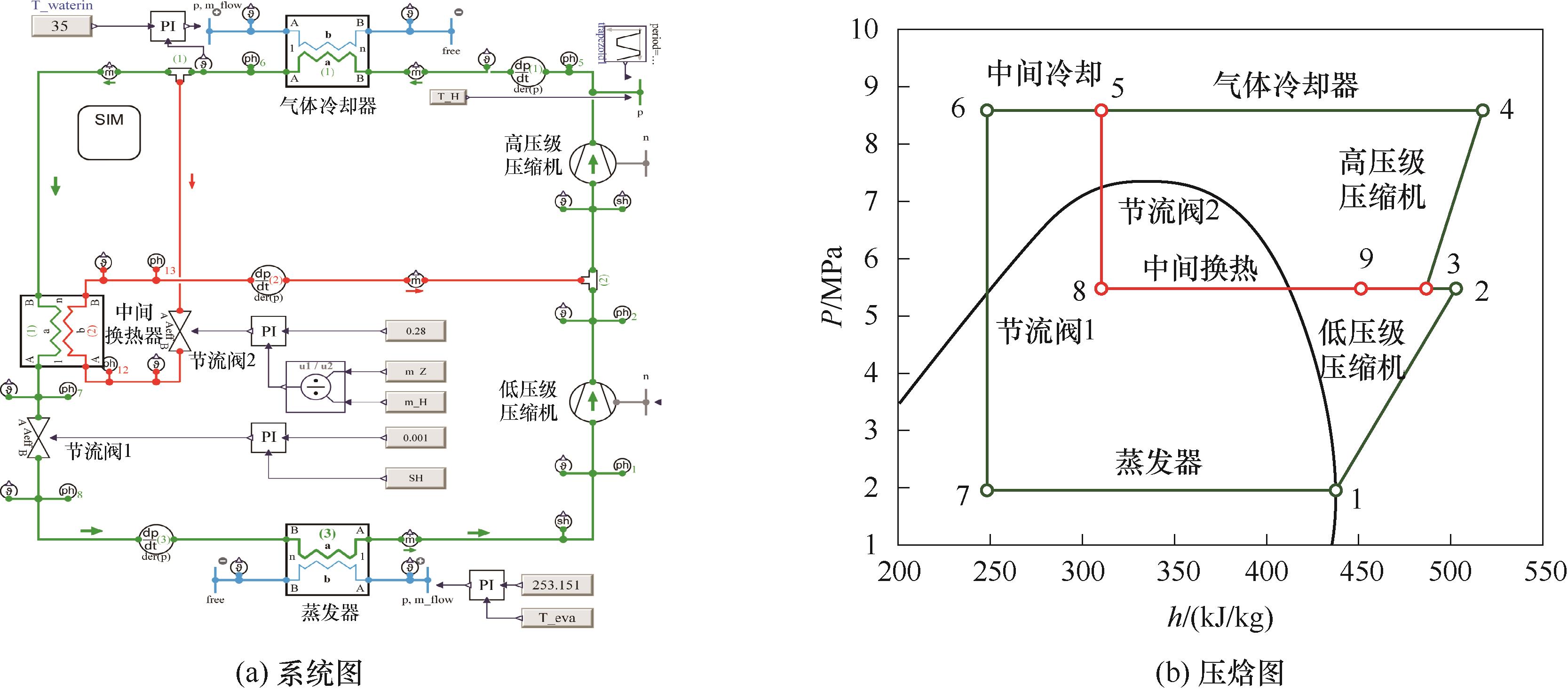
Fig.1 Schematic and enthalpy diagrams of a transcritical CO₂ system featuring interstage injection
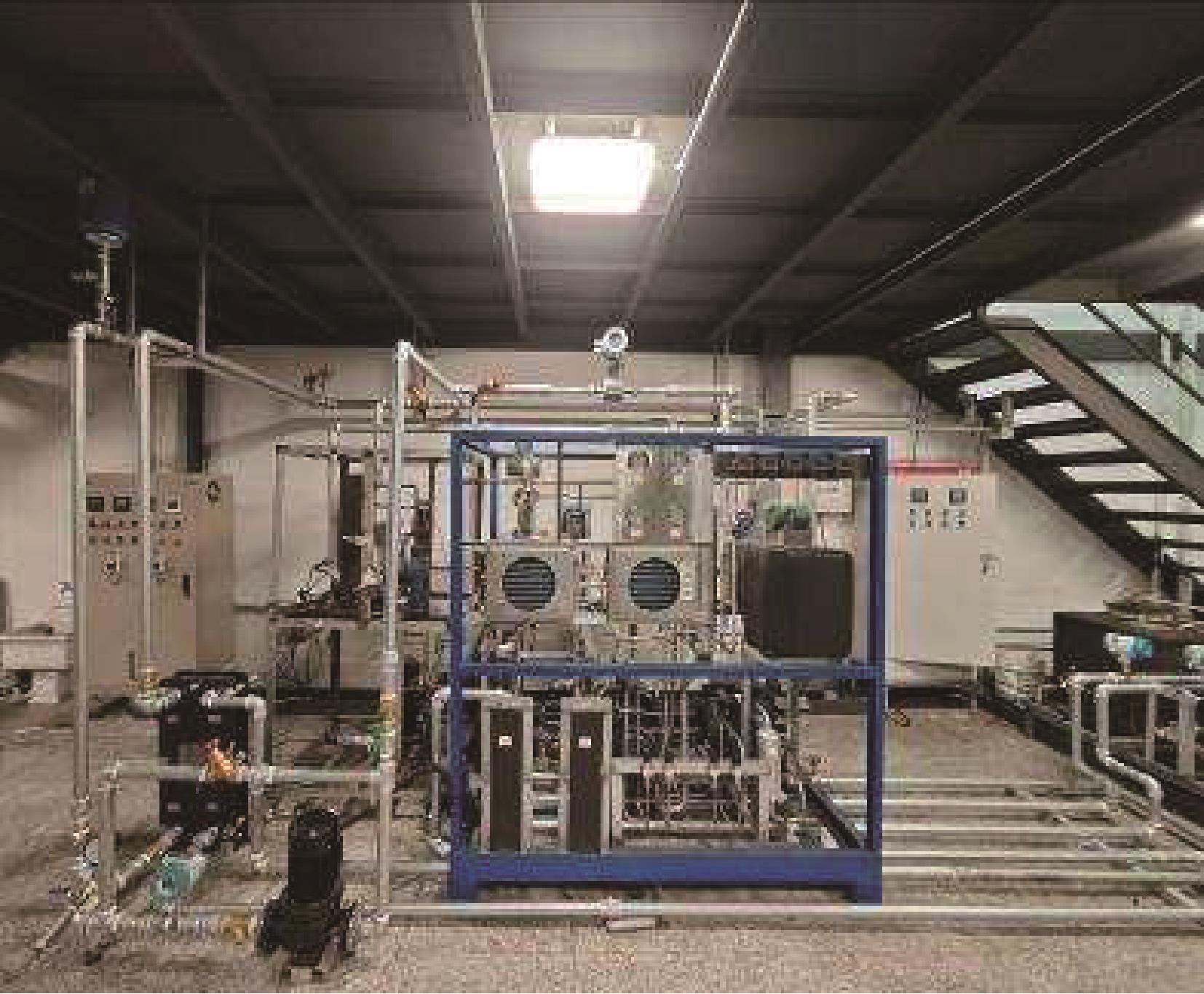
Fig.2 Photograph of the comprehensive experimental setup for the transcritical CO2 two-stage heat pump system
| 部件 | 参数 |
|---|---|
| 压缩机 | 活塞式压缩机;排气量:低压级压缩机为4.67 m3/h@50 Hz;高压级压缩机为2.39 m3/h@50 Hz |
| 蒸发器 | 板式换热器;厚度为91.4 mm;长度为616 mm;宽度为189 mm;质量为34.97 kg;板片数为36 |
| 中间换热器 | 板式换热器;厚度为41 mm;长度为187 mm;宽度为77 mm;质量为2.5 kg;板片数为30 |
| 回热器 | 板式换热器;厚度为34.8 mm;长度为524 mm;宽度为108 mm;质量为9.9 kg;板片数为10 |
| 节流阀 | 超高压控制用电动阀(鹭宫);口径:节流阀1为2.0 mm,节流阀2为2.4 mm;流经系数:节流阀1为2.0,节流阀2为2.4 |
Table 1 Structural specifications of system component
| 部件 | 参数 |
|---|---|
| 压缩机 | 活塞式压缩机;排气量:低压级压缩机为4.67 m3/h@50 Hz;高压级压缩机为2.39 m3/h@50 Hz |
| 蒸发器 | 板式换热器;厚度为91.4 mm;长度为616 mm;宽度为189 mm;质量为34.97 kg;板片数为36 |
| 中间换热器 | 板式换热器;厚度为41 mm;长度为187 mm;宽度为77 mm;质量为2.5 kg;板片数为30 |
| 回热器 | 板式换热器;厚度为34.8 mm;长度为524 mm;宽度为108 mm;质量为9.9 kg;板片数为10 |
| 节流阀 | 超高压控制用电动阀(鹭宫);口径:节流阀1为2.0 mm,节流阀2为2.4 mm;流经系数:节流阀1为2.0,节流阀2为2.4 |
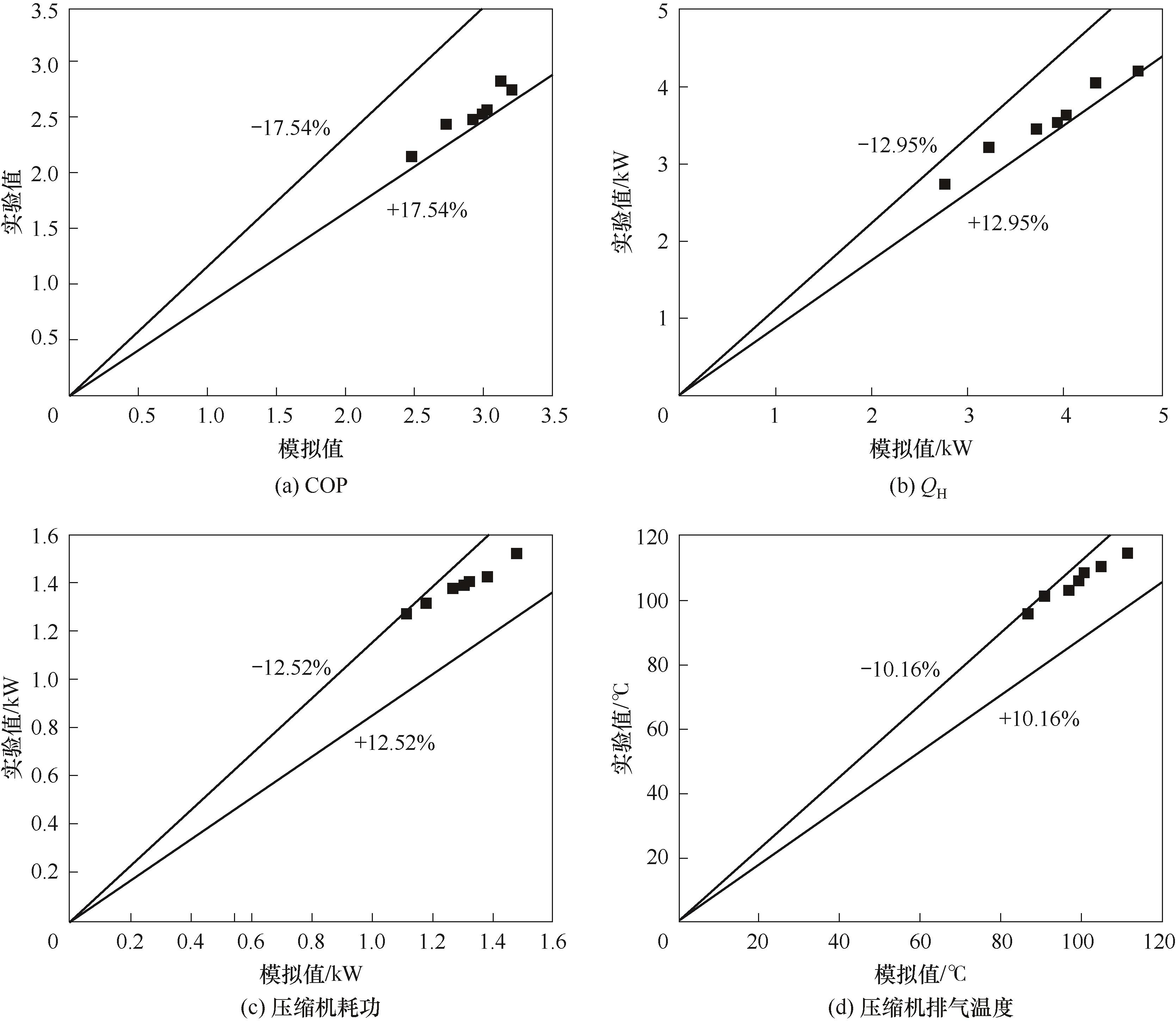
Fig.3 Comparison between experimental and simulated results reported by Ref.[26]
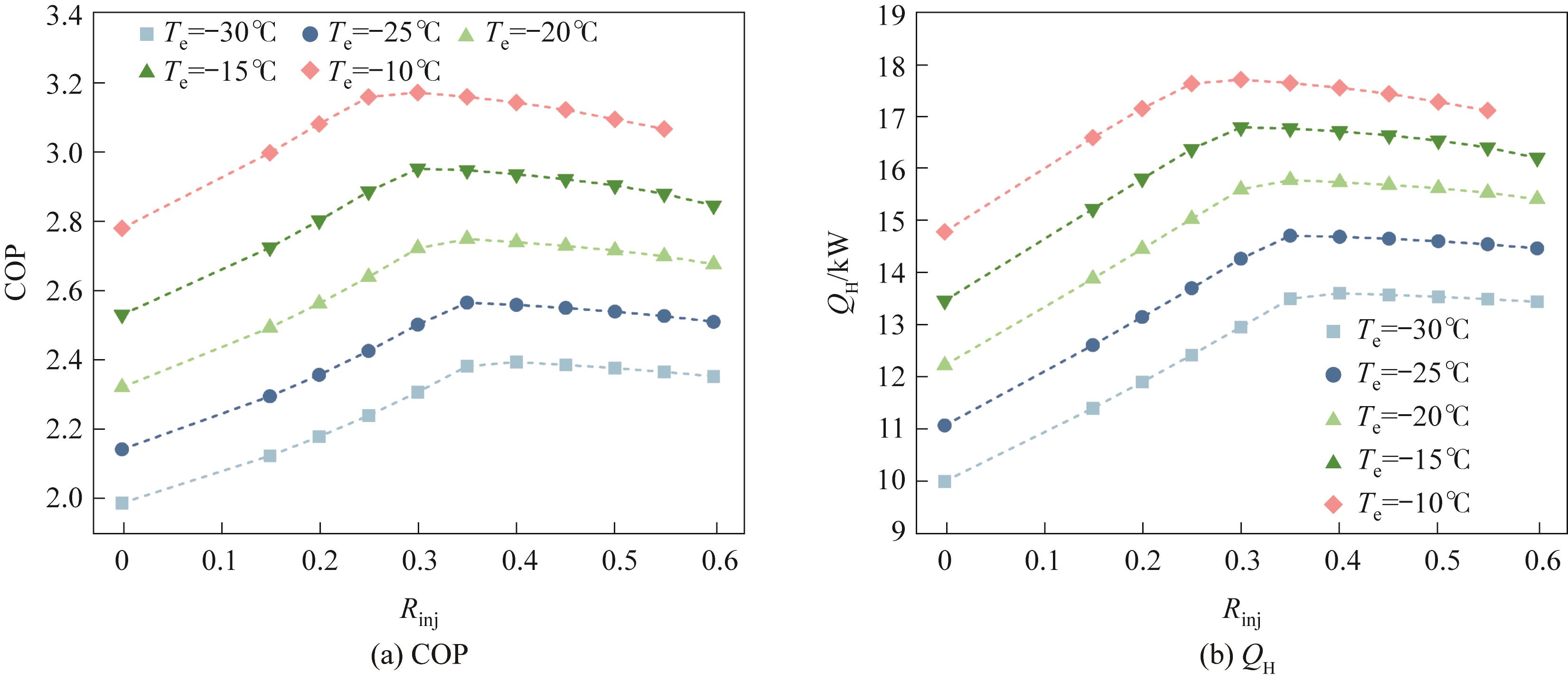
Fig.4 Variation of COP and QH in the OTHS sytem as a function of Rinj
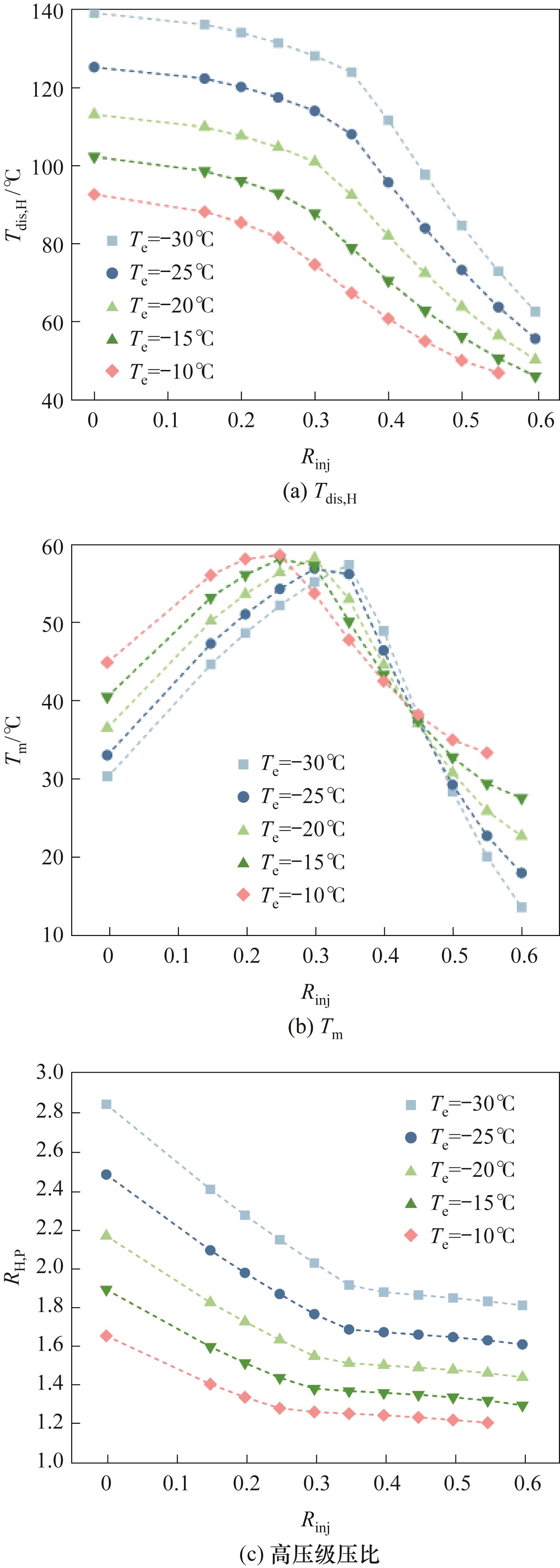
Fig.5 Variation trends of system parameters in the OTHS system with respect to Rinj
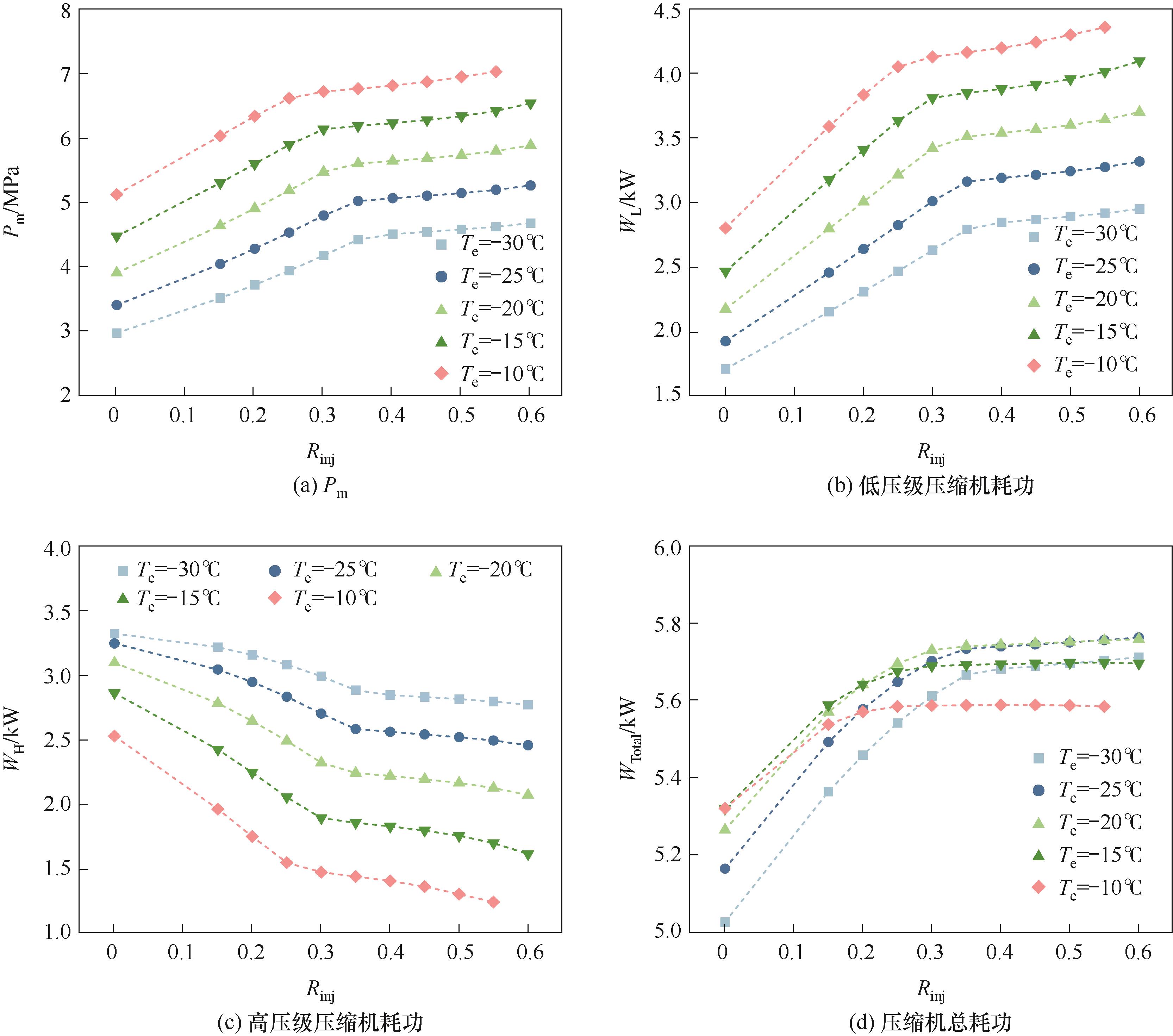
Fig. 6 Variation trends of parameters including Pm in the OTHS system with respect to Rinj
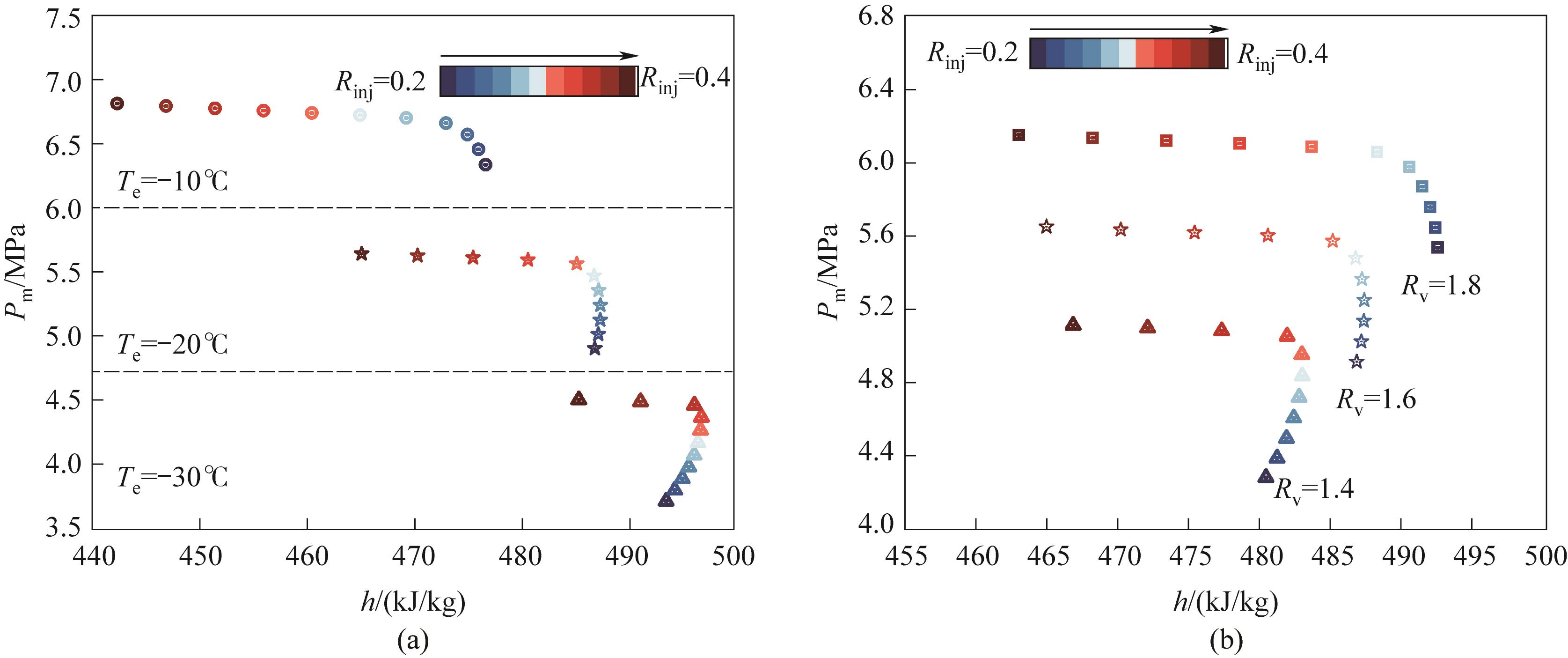
Fig.7 Variation in the inlet state point of the high-pressure compressor
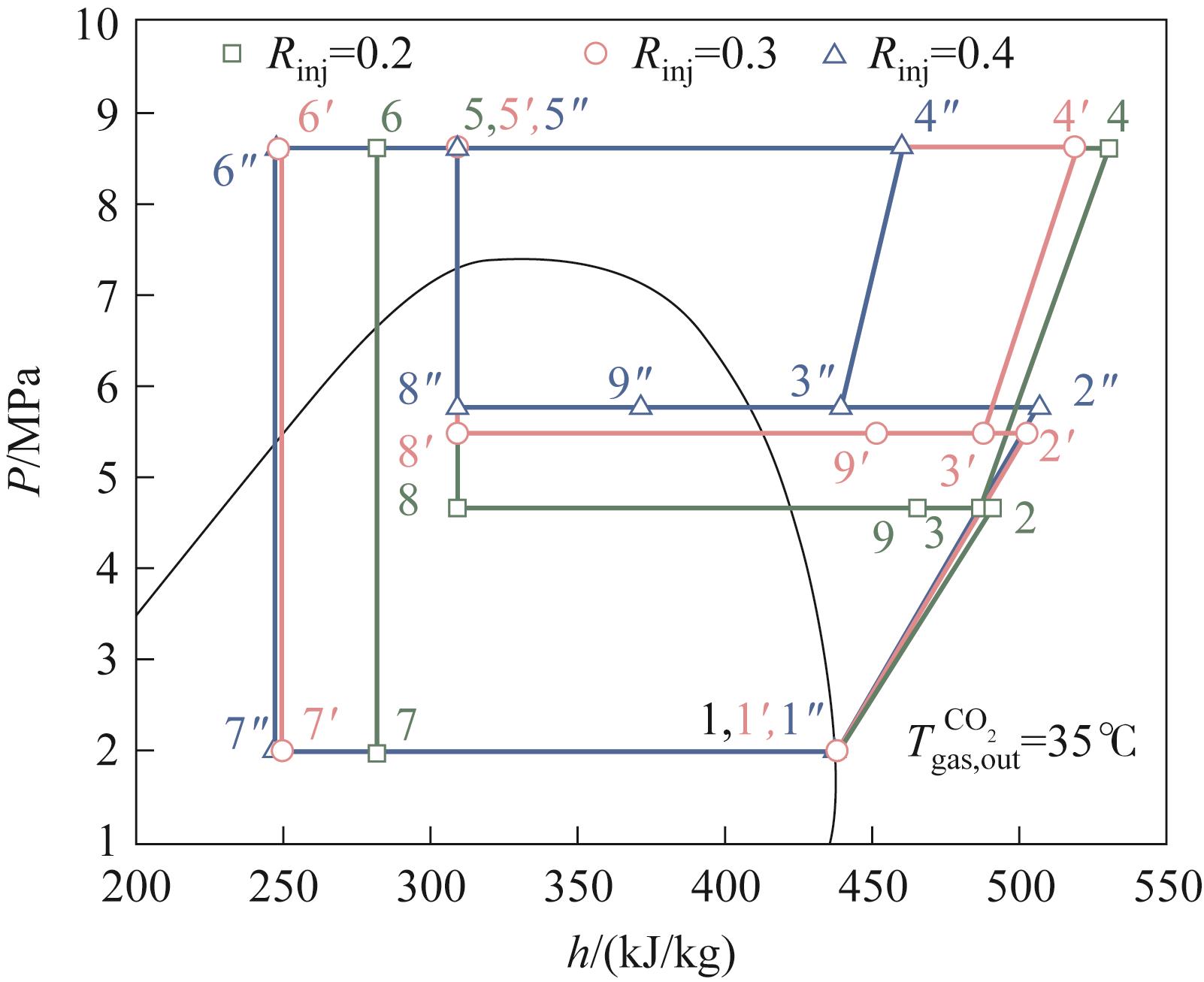
Fig.8 Enthalpy diagram corresponding to various Rinj
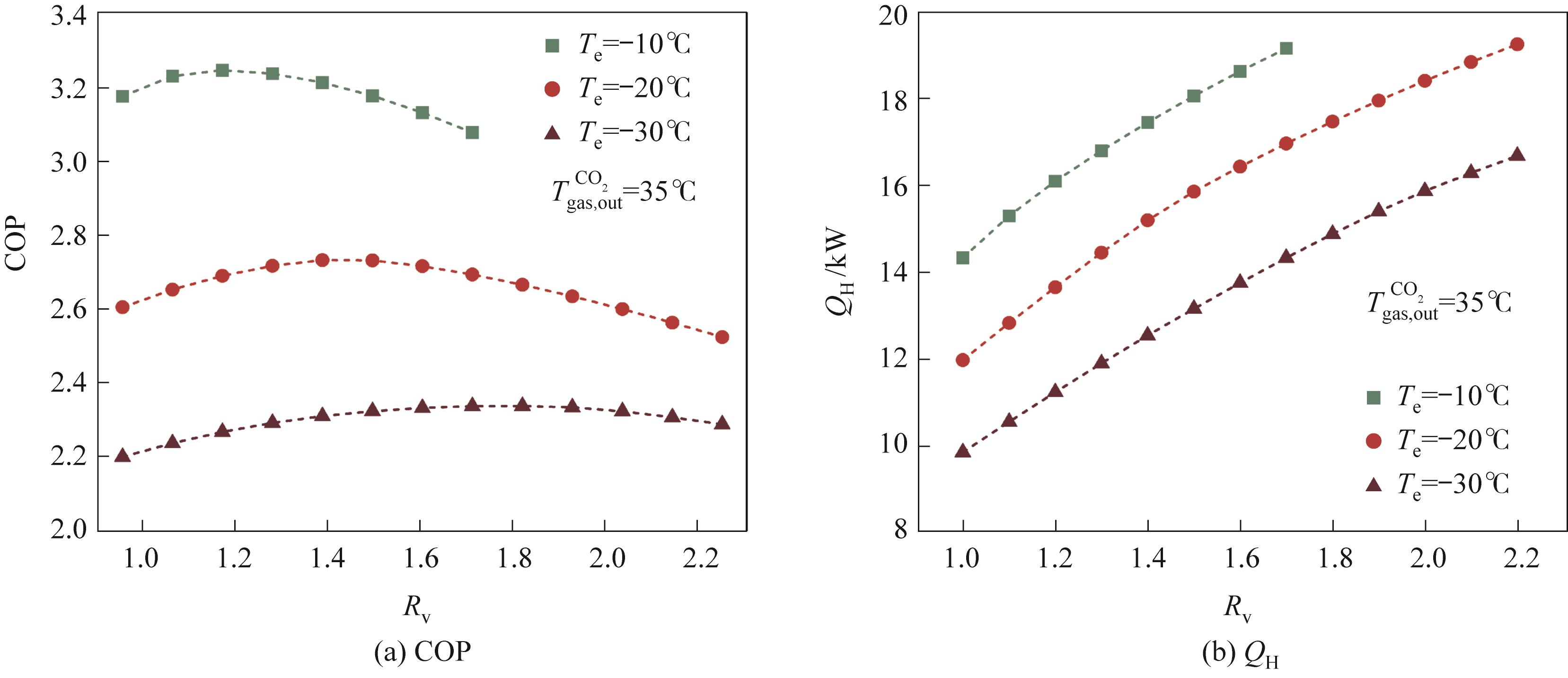
Fig.9 Influence of volume ratio on COP and QH
| No. | Rinj | Rv | COP | QH |
|---|---|---|---|---|
| 1 | 0.15 | 1.2 | 2.44 | 11.04 |
| 2 | 0.2 | 1.4 | 2.55 | 13.07 |
| 3 | 0.3 | 1.6 | 2.72 | 15.60 |
| 4 | 0.4 | 1.8 | 2.68 | 16.67 |
| 5 | 0.5 | 2.0 | 2.57 | 17.28 |
| 6 | 0.6 | 2.0 | 2.52 | 16.97 |
Table 2 Parameter values used in sensitivity analysis
| No. | Rinj | Rv | COP | QH |
|---|---|---|---|---|
| 1 | 0.15 | 1.2 | 2.44 | 11.04 |
| 2 | 0.2 | 1.4 | 2.55 | 13.07 |
| 3 | 0.3 | 1.6 | 2.72 | 15.60 |
| 4 | 0.4 | 1.8 | 2.68 | 16.67 |
| 5 | 0.5 | 2.0 | 2.57 | 17.28 |
| 6 | 0.6 | 2.0 | 2.52 | 16.97 |
| 项 | SS | DF | MS | F值 | P值 | ||||
|---|---|---|---|---|---|---|---|---|---|
| COP | QH | COP和QH | COP | QH | COP | QH | COP | QH | |
| Rinj | 14.23 | 3.01 | 1.0 | 14.23 | 3.01 | 316.70 | 454.69 | <0.001 | <0.001 |
| Rv | 9.27 | 42.79 | 1.0 | 9.27 | 42.79 | 206.31 | 6461.39 | <0.001 | <0.001 |
| RvRinj | 5.67 | 0.98 | 1.0 | 5.67 | 0.98 | 126.15 | 147.44 | <0.001 | <0.001 |
| 16.37 | 2.73 | 1.0 | 16.37 | 2.73 | 364.28 | 412.92 | <0.001 | <0.001 | |
| 2.47 | 0.19 | 1.0 | 2.47 | 0.19 | 55.17 | 29.15 | <0.001 | <0.001 | |
| residual | 1.97 | 0.29 | 44.0 | 0.045 | 0.006 | — | — | — | — |
Table 3 Variance analysis
| 项 | SS | DF | MS | F值 | P值 | ||||
|---|---|---|---|---|---|---|---|---|---|
| COP | QH | COP和QH | COP | QH | COP | QH | COP | QH | |
| Rinj | 14.23 | 3.01 | 1.0 | 14.23 | 3.01 | 316.70 | 454.69 | <0.001 | <0.001 |
| Rv | 9.27 | 42.79 | 1.0 | 9.27 | 42.79 | 206.31 | 6461.39 | <0.001 | <0.001 |
| RvRinj | 5.67 | 0.98 | 1.0 | 5.67 | 0.98 | 126.15 | 147.44 | <0.001 | <0.001 |
| 16.37 | 2.73 | 1.0 | 16.37 | 2.73 | 364.28 | 412.92 | <0.001 | <0.001 | |
| 2.47 | 0.19 | 1.0 | 2.47 | 0.19 | 55.17 | 29.15 | <0.001 | <0.001 | |
| residual | 1.97 | 0.29 | 44.0 | 0.045 | 0.006 | — | — | — | — |
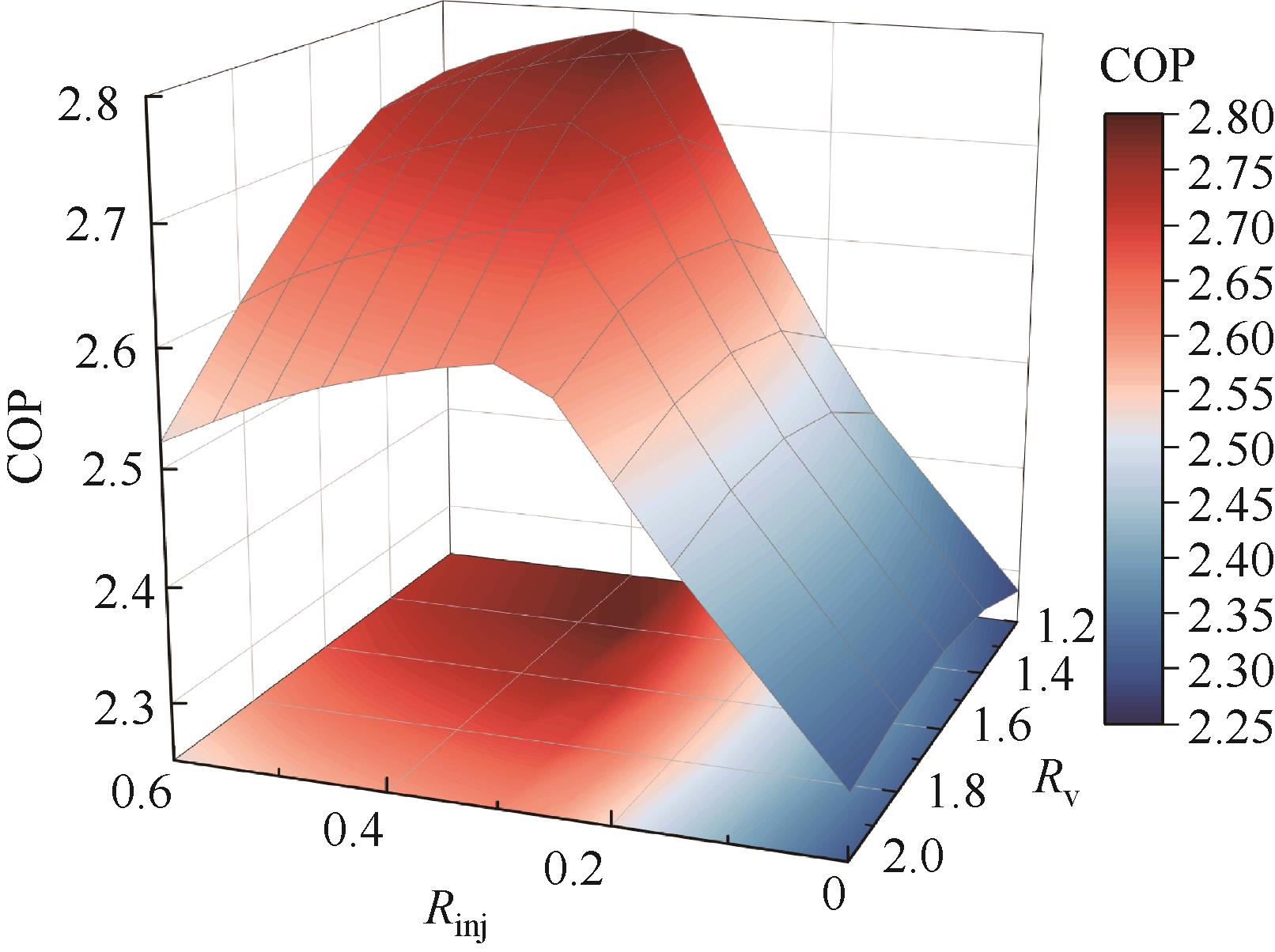
Fig.10 Influence of Rinj and Rv on COP
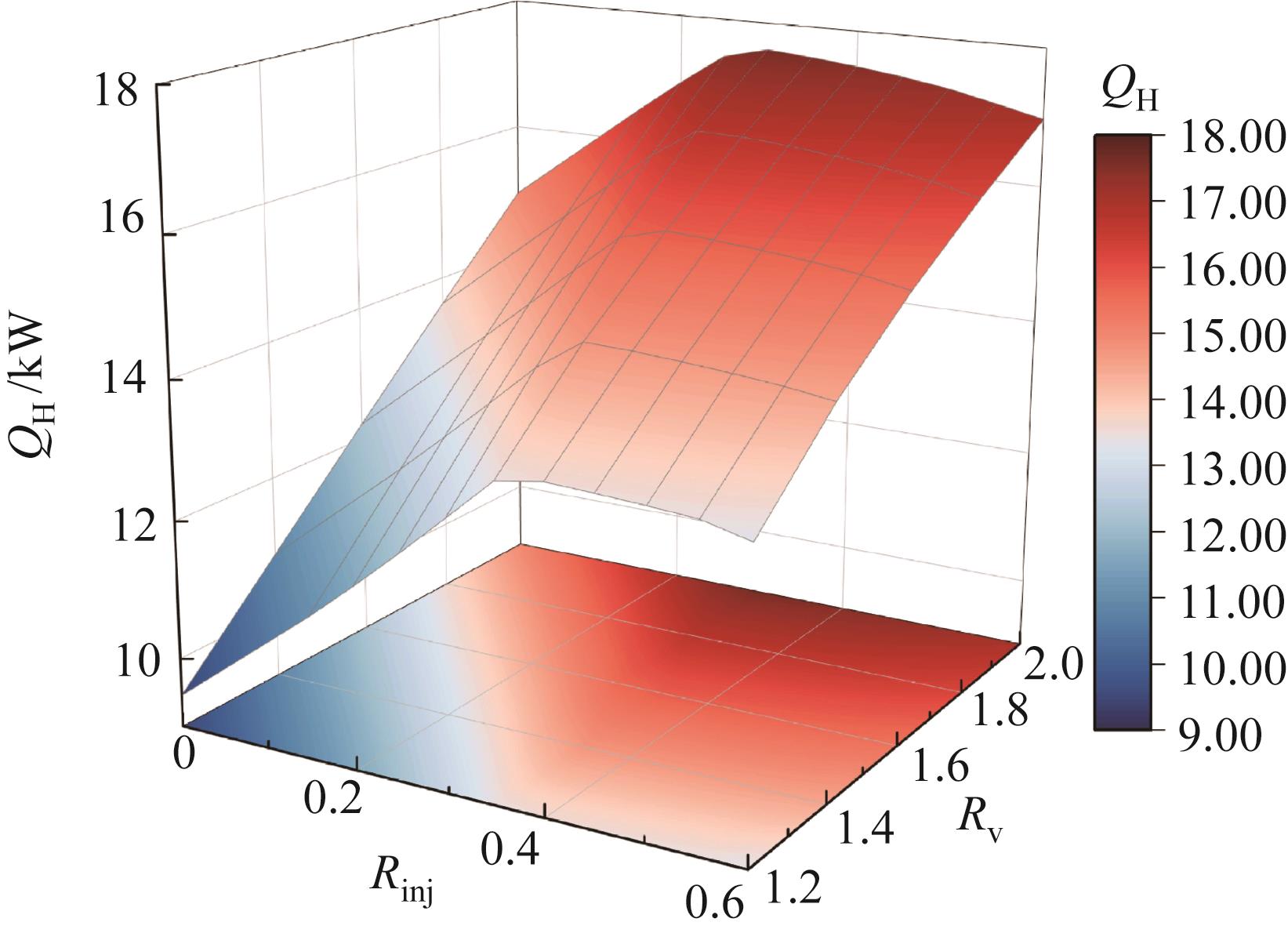
Fig.11 Influence of Rinj and Rv on QH
| [1] | Zhang Z Y, Ma Y T, Wang H L, et al. Theoretical evaluation on effect of internal heat exchanger in ejector expansion transcritical CO2 refrigeration cycle[J]. Applied Thermal Engineering, 2013, 50(1): 932-938. |
| [2] | Llopis R, Cabello R, Sánchez D, et al. Energy improvements of CO2 transcritical refrigeration cycles using dedicated mechanical subcooling[J]. International Journal of Refrigeration, 2015, 55: 129-141. |
| [3] | Yang D F, Song Y L, Cao F, et al. Theoretical and experimental investigation of a combined R134a and transcritical CO2 heat pump for space heating[J]. International Journal of Refrigeration, 2016, 72: 156-170. |
| [4] | Polzot A, D'Agaro P, Gullo P, et al. Modelling commercial refrigeration systems coupled with water storage to improve energy efficiency and perform heat recovery[J]. International Journal of Refrigeration, 2016, 69: 313-323. |
| [5] | Wang G B, Zhang X R. Thermoeconomic optimization and comparison of the simple single-stage transcritical carbon dioxide vapor compression cycle with different subcooling methods for district heating and cooling[J]. Energy Conversion and Management, 2019, 185: 740-757. |
| [6] | Heng N, Hansong X, Wuyan L, et al. Performance of CO2 transcritical two-stage compression refrigeration cycle with complete inter-cooling and double-stage throttling[J]. Journal of Refrigeration, 2024, 43(5): 1-9. |
| [7] | Zhang Z Y, Wang H L, Tian L L, et al. Thermodynamic analysis of double-compression flash intercooling transcritical CO2 refrigeration cycle[J]. The Journal of Supercritical Fluids, 2016, 109: 100-108. |
| [8] | Zou H M, Yang T Y, Tang M S, et al. Ejector optimization and performance analysis of electric vehicle CO2 heat pump with dual ejectors[J]. Energy, 2022, 239: 122-452. |
| [9] | Singh S, Singh A, Dasgupta M S. CFD modeling of a scroll work recovery expander for trans-critical CO2 refrigeration system[J]. Energy Procedia, 2017, 109: 146-152. |
| [10] | Gosney W B. Principles of Refrigeration [M]. Cambridge, New York: Cambridge University Press, 1982: 666. |
| [11] | Qin X, Zhang F, Zhang D W, et al. Experimental and theoretical analysis of the optimal high pressure and peak performance coefficient in transcritical CO2 heat pump[J]. Applied Thermal Engineering, 2022, 210: 118-372. |
| [12] | 洪文鹏, 滕达. 分布式冷热电联供系统集成及应用分析[J]. 东北电力大学学报, 2018, 38 (5): 54-63. |
| Hong W P, Teng D. Integration and applied analysis of distributed combined cooling heating and power system[J]. Journal of Northeast Electric Power University, 2018, 38(5): 54-63. | |
| [13] | Sarkar J, Bhattacharyya S, Gopal M R. Optimization of a transcritical CO2 heat pump cycle for simultaneous cooling and heating applications[J]. International Journal of Refrigeration, 2004, 27(8): 830-838. |
| [14] | Qi P C, He Y L, Wang X L, et al. Experimental investigation of the optimal heat rejection pressure for a transcritical CO2 heat pump water heater[J]. Applied Thermal Engineering, 2013, 56(1/2): 120-125. |
| [15] | Saikawa M, Koyama S. Thermodynamic analysis of vapor compression heat pump cycle for tap water heating and development of CO2 heat pump water heater for residential use[J]. Applied Thermal Engineering, 2016, 106: 1236-1243. |
| [16] | 金旭, 王树刚, 张腾飞, 等. 变工况双级压缩中间压力及其对系统性能的影响[J]. 化工学报, 2012, 63(1): 96-102. |
| Jin X, Wang S G, Zhang T F, et al. Intermediate pressure and its effect on performance of two-stage compression system with variable operating mode[J]. CIESC Journal, 2012, 63(1): 96-102. | |
| [17] | Systèmes Dassault. Dymola - 系统动态模型[EB/OL]. [2023-05-15]. . |
| Systèmes Dassault. Dymola-systemic dynamic model[EB/OL]. [2023-05-15]. . | |
| [18] | 马一太, 李敏霞, 田华, 等. 自然工质二氧化碳制冷与热泵循环原理的研究与进展[M]. 北京: 科学出版社, 2017. |
| Ma Y T, Li M X, Tian H, et al. Research and Progress on the Circulation Principle of Natural Working Fluid Carbon Dioxide Refrigeration and Heat Pump[M]. Beijing: Science Press, 2017. | |
| [19] | Wang S G, Tuo H F, Cao F, et al. Experimental investigation on air-source transcritical CO2 heat pump water heater system at a fixed water inlet temperature[J]. International Journal of Refrigeration, 2013, 36(3): 701-716. |
| [20] | Dai B M, Li M X, Dang C B, et al. Effects of lubricating oil on thermal performance of water-cooled carbon dioxide gas cooler[J]. Applied Thermal Engineering, 2015, 80: 288-300. |
| [21] | Longo G A, Mancin S, Righetti G, et al. A new model for refrigerant boiling inside brazed plate heat exchangers (BPHEs)[J]. International Journal of Heat and Mass Transfer, 2015, 91: 144-149. |
| [22] | Petukhov B S. Heat transfer and friction in turbulent pipe flow with variable physical properties[M]//Advances in Heat Transfer. Amsterdam: Elsevier, 1970: 503-564. |
| [23] | Dang C B, Hihara E. In-tube cooling heat transfer of supercritical carbon dioxide (Part 1): Experimental measurement[J]. International Journal of Refrigeration, 2004, 27(7): 736-747. |
| [24] | 国家标准化管理委员会. 低环境温度空气源热泵(冷水)机组 第1部分: 工业或商业用及类似用途的热泵(冷水)机组: [S]. 北京: 中国标准出版社, 2020. |
| China National Standardization Administration. Low ambient temperature air source heat pump (water chilling) packages—Part 1: Heat pump (water chilling) packages for industrial & commercial and similar application: [S]. Beijing: Standards Press of China, 2020. | |
| [25] | 中国建筑科学研究院. 民用建筑供暖通风与空气调节设计规范: [S]. 北京: 中国建筑工业出版社, 2012. |
| China Academy of Building Research. Design code for heating ventilation and air conditioning of civil buildings: [S]. Beijing: China Architecture & Building Press, 2012. | |
| [26] | 郭江河. 制冷/热泵系统用R744/R32制冷剂的理论分析和实验研究[D]. 天津: 天津商业大学, 2016. |
| Guo J H. Theoretical analysis and experimental study on R744/R32 refrigerant in refrigeration/heat pump system[D]. Tianjin: Tianjin University of Commerce, 2016. | |
| [27] | Benhamza A, Boubekri A, Atia A, et al. Multi-objective design optimization of solar air heater for food drying based on energy, exergy, and improvement potential[J]. Renewable Energy, 2021, 169: 1190-1209. |
| [28] | Serageldin A A, Radwan A, Katsura T, et al. Parametric analysis, response surface, sensitivity analysis, and optimization of a novel spiral-double ground heat exchanger[J]. Energy Conversion and Management, 2021, 240: 114-251. |
| [29] | Abdeen A, Serageldin A A, Ibrahim M G E, et al. Solar chimney optimization for enhancing thermal comfort in Egypt: an experimental and numerical study[J]. Solar Energy, 2019, 180: 524-536. |
| [30] | Zhao W K, Li L, Wang W, et al. Heating performance enhancement for a road unit by using sectorial-finned pipe[J]. Journal of Thermal Analysis and Calorimetry, 2020, 141(1): 187-198. |
| [1] |
Jichao GUO, Xiaoxiao XU, Yunlong SUN.
Airflow simulation and optimization based on |
| [2] | Fanchen KONG, Shuo ZHANG, Mingsheng TANG, Huiming ZOU, Zhouhang HU, Changqing TIAN. Simulation of gas bearings in carbon dioxide linear compressors [J]. CIESC Journal, 2025, 76(S1): 281-288. |
| [3] | Ting HE, Shuyang HUANG, Kun HUANG, Liqiong CHEN. Research on the coupled process of natural gas chemical absorption decarbonization and high temperature heat pump based on waste heat utilization [J]. CIESC Journal, 2025, 76(S1): 297-308. |
| [4] | Junzhuo WEI, Di WU, Ruzhu WANG. Application of random forest algorithms to quantify feature importance in ultra-high temperature heat pump [J]. CIESC Journal, 2025, 76(S1): 336-342. |
| [5] | Youmiao ZHOU, Ye LIU, Feng YU, Xiaoyu LUO, Binhui WANG. Analysis of a novel dual heat source compression-ejection hybrid heat pump system [J]. CIESC Journal, 2025, 76(S1): 36-42. |
| [6] | Di WU, Bin HU, Jiatong JIANG. Experimental study and application analysis of R1233zd(E) high temperature heat pump [J]. CIESC Journal, 2025, 76(S1): 377-383. |
| [7] | Xin XIAO, Geng YANG, Yunfeng WANG. Simulation of solar heat pump system integration of cascade latent heat thermal energy storage based on TRNSYS [J]. CIESC Journal, 2025, 76(S1): 393-400. |
| [8] | Zhongyi LIU, Bin HU, Ruzhu WANG, Yun ZHAO, Ziwen CAI, Yunfeng LI. Electrification potential and heating system analysis in brewing industry [J]. CIESC Journal, 2025, 76(S1): 401-408. |
| [9] | Ting HE, Kai ZHANG, Wensheng LIN, Liqiong CHEN, Jiafu CHEN. Research on integrated process of cryogenic CO2 removal under supercritical pressure and liquefaction for biogas [J]. CIESC Journal, 2025, 76(S1): 418-425. |
| [10] | Yuqing YANG, Yinlong LI, Gang YAN. Thermodynamic analysis of auto-cascade high-temperature heat pump cycle using low GWP refrigerant [J]. CIESC Journal, 2025, 76(S1): 43-53. |
| [11] | Jianmin ZHANG, Meigui HE, Wanxin JIA, Jing ZHAO, Wanqin JIN. Poly(ethylene oxide)/crown ether blend membrane and performance for CO2 separation [J]. CIESC Journal, 2025, 76(9): 4862-4871. |
| [12] | Yifei WANG, Yuxing LI, Xin OUYANG, Xuefeng ZHAO, Lan MENG, Qihui HU, Buze YIN, Yaqi GUO. Numerical calculation of CO2 pipeline fracture propagation based on crack tip decompression characteristics [J]. CIESC Journal, 2025, 76(9): 4683-4693. |
| [13] | Yuntao ZHOU, Lifeng CUI, Jie ZHANG, Fuhong YU, Xingang LI, Ye TIAN. Ga2O3 modified CuCeO catalysts for CO2 hydrogenation to methanol [J]. CIESC Journal, 2025, 76(8): 4042-4051. |
| [14] | Qinwen LIU, Hengbing YE, Yiwei ZHANG, Fahua ZHU, Wenqi ZHONG. Study on pressurized oxy-fuel co-combustion characteristics of coal and poultry litter [J]. CIESC Journal, 2025, 76(7): 3487-3497. |
| [15] | Zeming DONG, Juwei LOU, Nan WANG, Liangqi CHEN, Jiangfeng WANG, Pan ZHAO. Research on thermodynamic properties of supercritical compressed carbon dioxide energy storage system with waste heat recovery [J]. CIESC Journal, 2025, 76(7): 3477-3486. |
| Viewed | ||||||
|
Full text |
|
|||||
|
Abstract |
|
|||||