CIESC Journal ›› 2025, Vol. 76 ›› Issue (10): 5453-5463.DOI: 10.11949/0438-1157.20250490
• Energy and environmental engineering • Previous Articles Next Articles
Xiaoqian SHI( ), Ruihua MU(), Zheng WU()
Received:2025-05-06
Revised:2025-06-06
Online:2025-11-25
Published:2025-10-25
Contact:
Ruihua MU, Zheng WU
史晓茜(), 穆瑞花(), 武峥()
通讯作者:
穆瑞花,武峥
作者简介:史晓茜(1999—),女,硕士研究生,3608913820@qq.com
基金资助:CLC Number:
Xiaoqian SHI, Ruihua MU, Zheng WU. Tribocatalytic degradation performance of organic pollutants by γ-Al2O3 nanoparticles[J]. CIESC Journal, 2025, 76(10): 5453-5463.
史晓茜, 穆瑞花, 武峥. γ-Al2O3纳米颗粒摩擦催化降解有机污染物性能研究[J]. 化工学报, 2025, 76(10): 5453-5463.
Add to citation manager EndNote|Ris|BibTeX
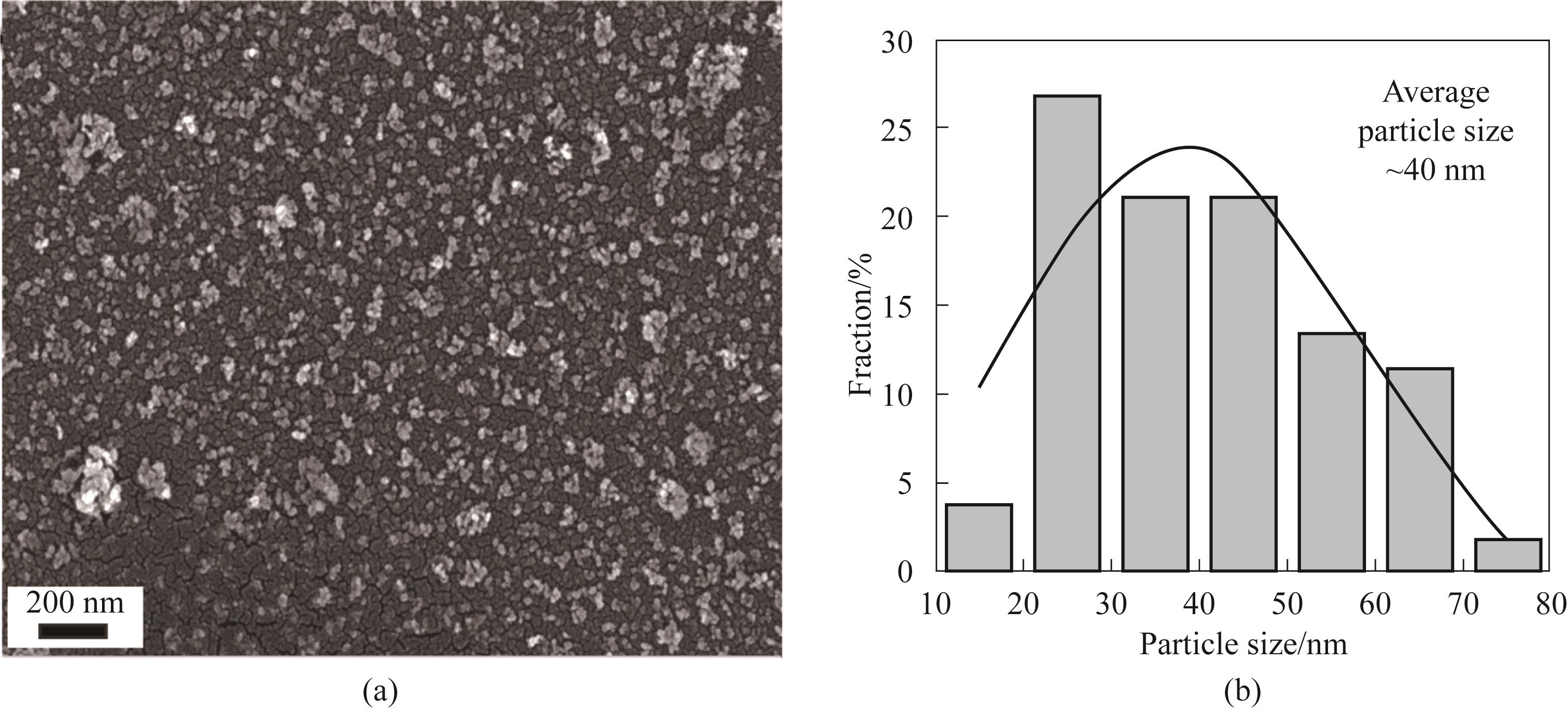
Fig.1 (a) SEM image and (b) the particle size distribution of γ-Al₂O₃ nanoparticles
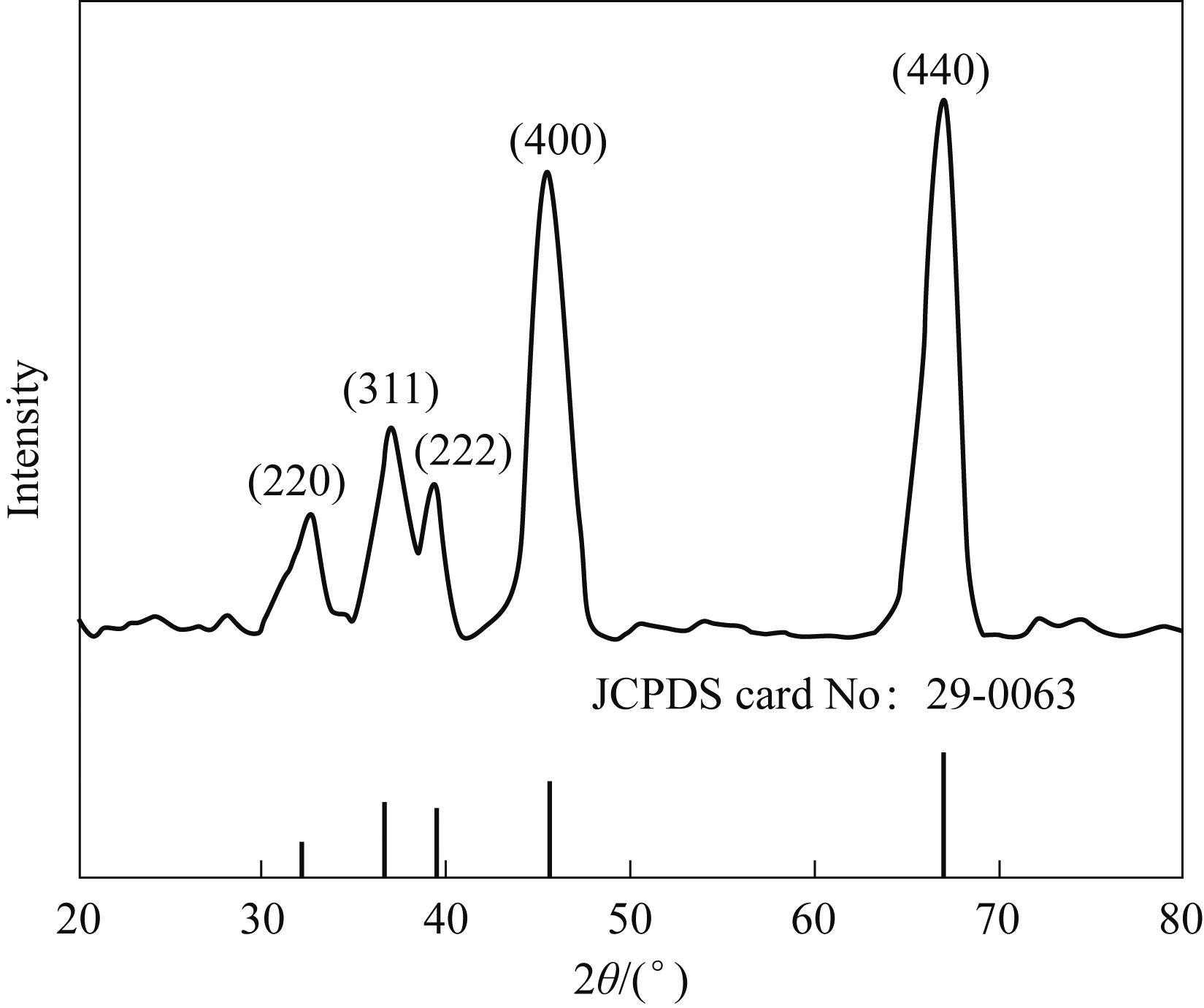
Fig.2 XRD pattern of γ-Al2O3
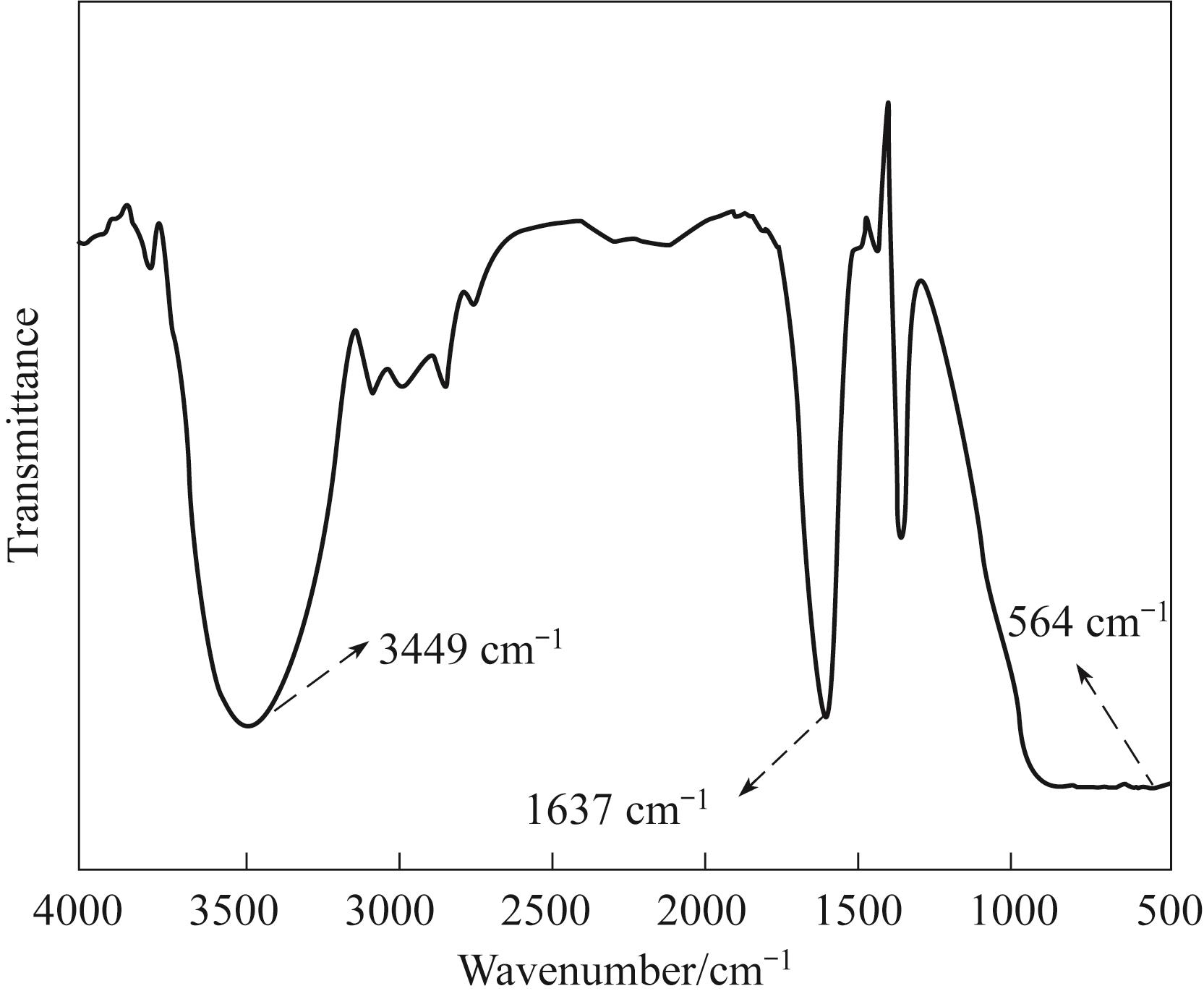
Fig.3 FTIR spectra of γ-Al2O3
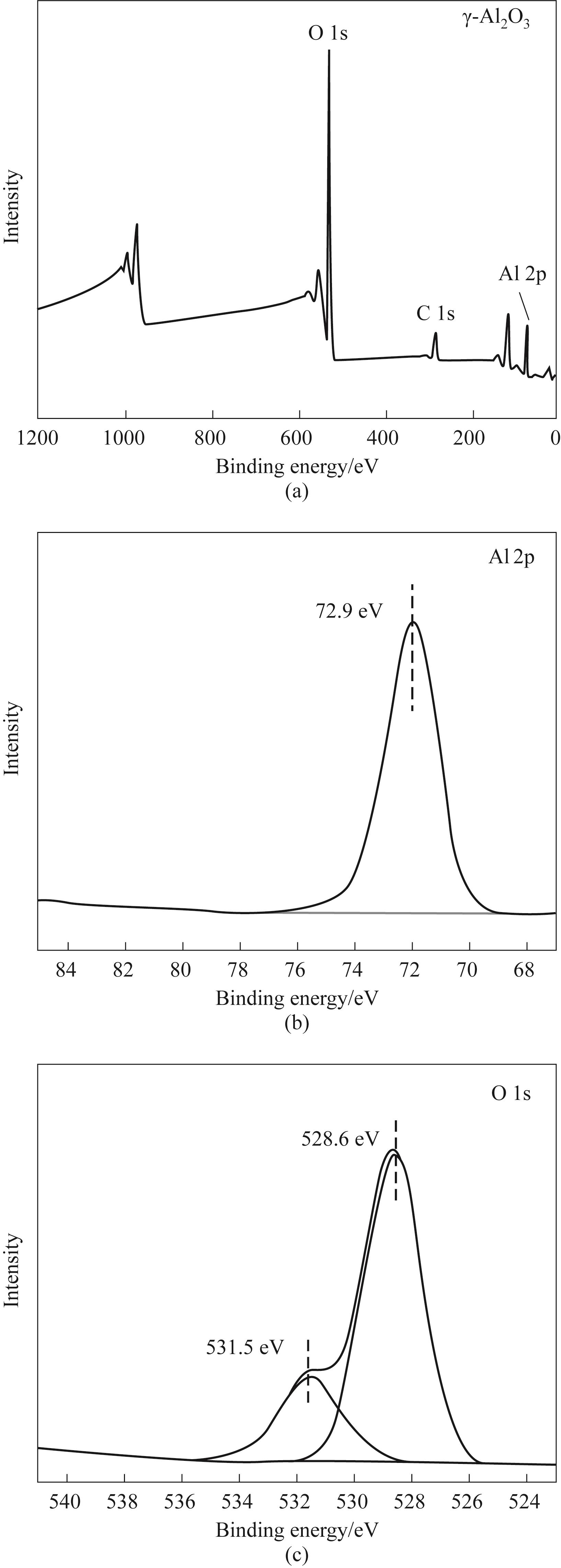
Fig.4 (a) XPS survey scan of γ-Al2O3; (b) XPS core level spectra of Al 2p; (c) XPS core level spectra of O 1s
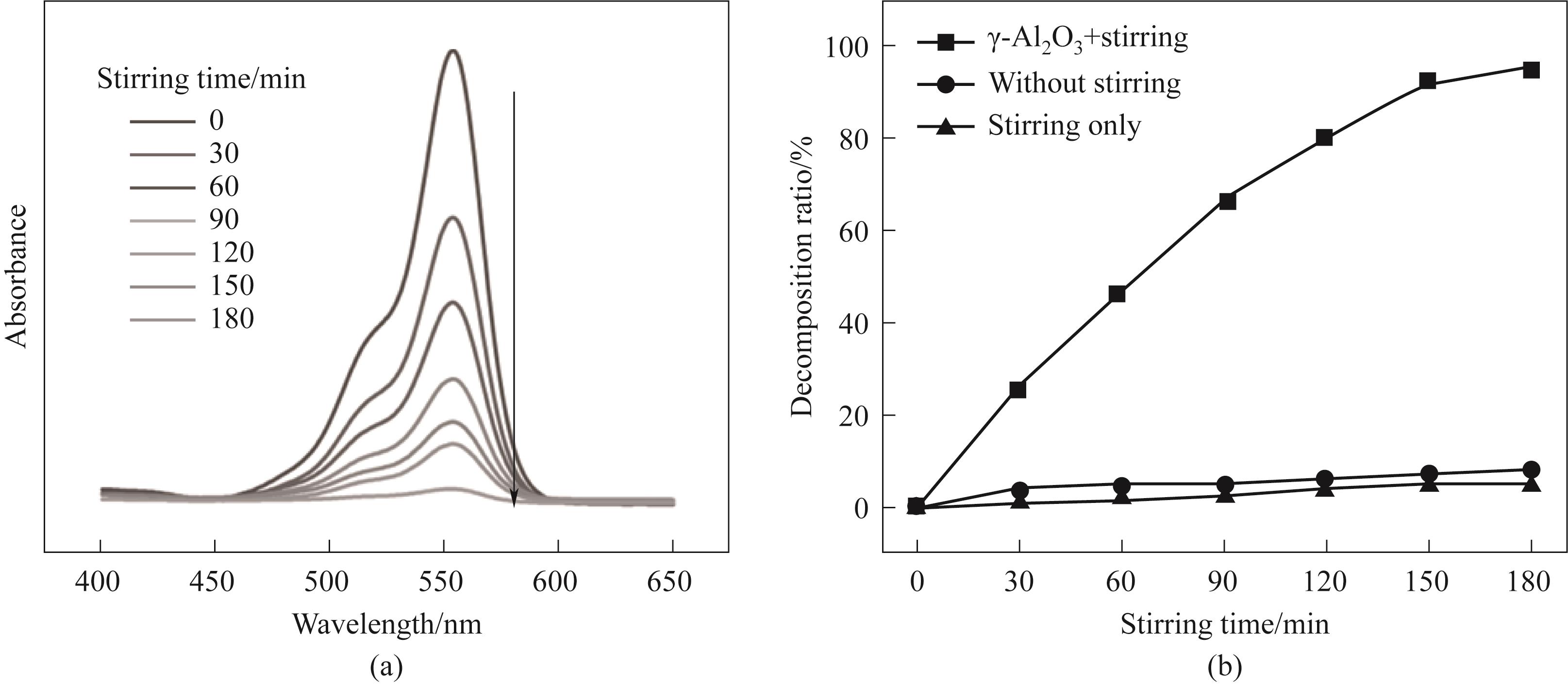
Fig.5 (a) UV adsorption spectra of RhB; (b) Curves of RhB decomposition ratio under different conditions

Fig.6 (a) Decomposition curves of RhB at different stirring speeds; (b) Decomposition kinetics of RhB at different stirring speeds
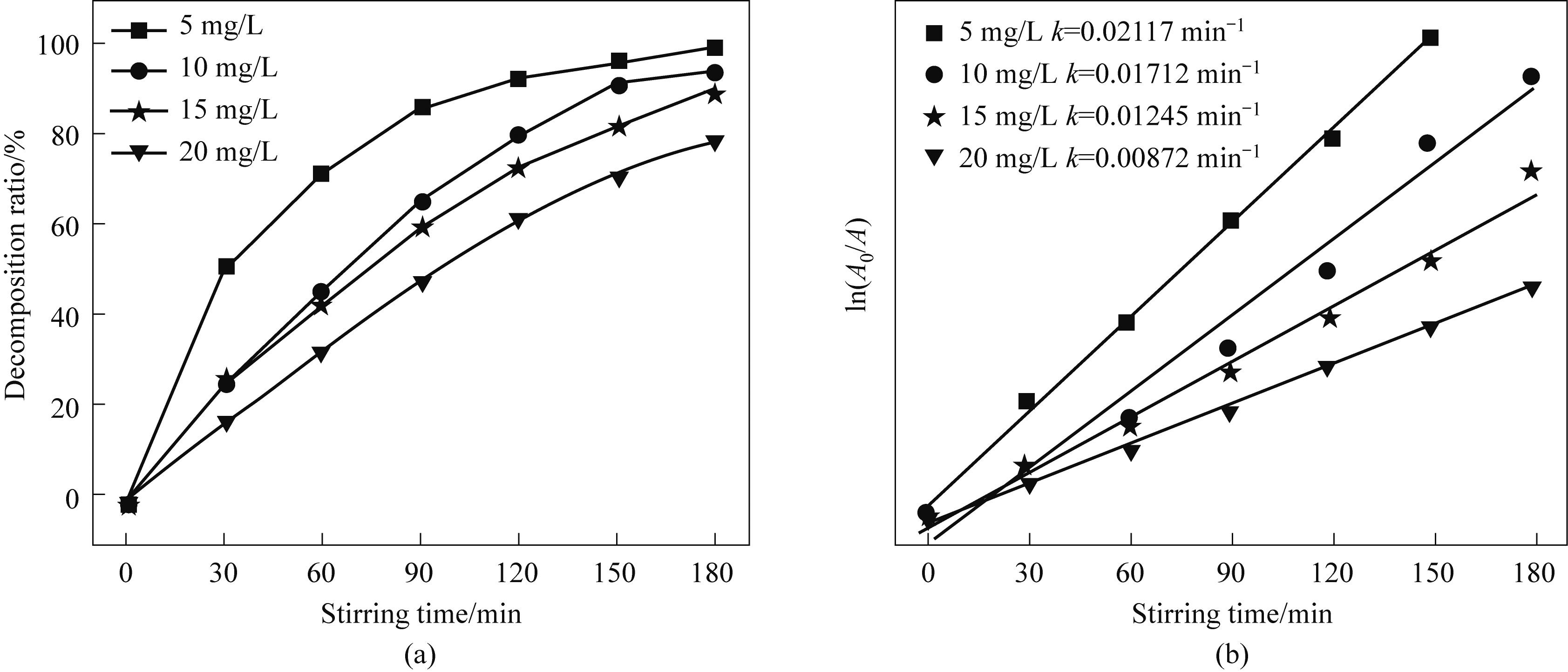
Fig.7 (a) Decomposition curves for different RhB dye concentrations; (b) Decomposition kinetic fitting curves for different RhB dye concentrations
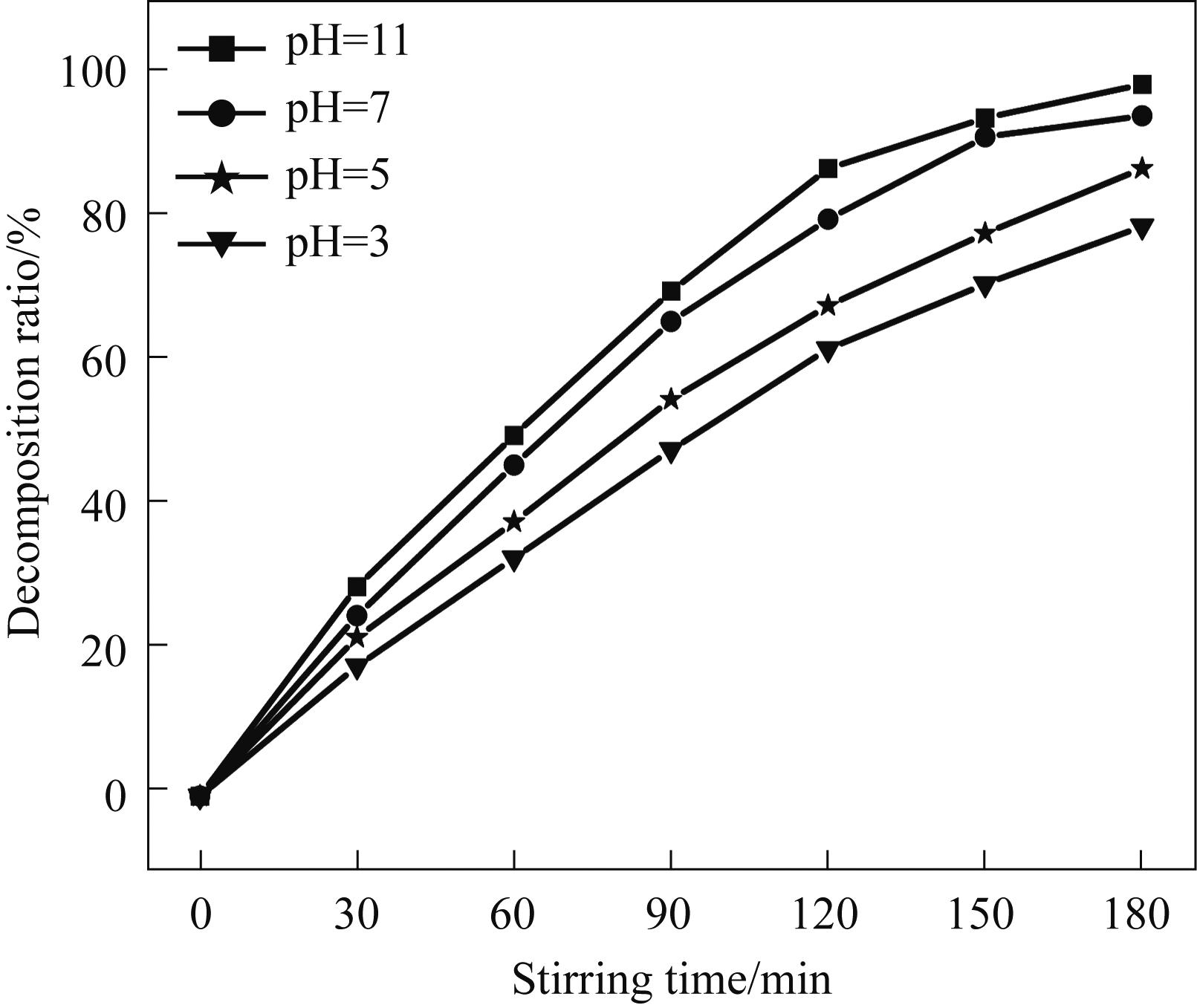
Fig.8 Decomposition curves of RhB under different pH
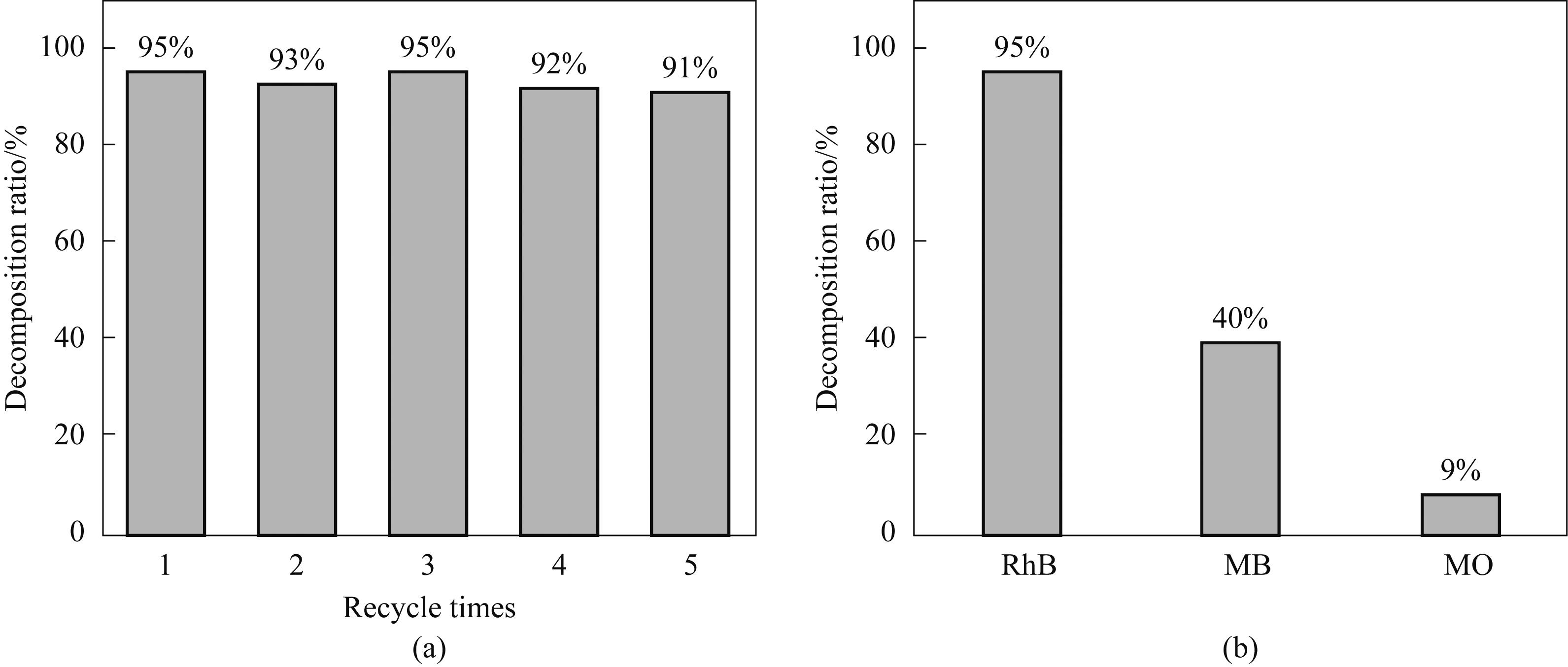
Fig.9 γ-Al2O3 tribocatalyst cycle performance and general performance test: (a)cyclic stability of γ-Al2O3; (b) comparison of decomposition ratio among different dyes
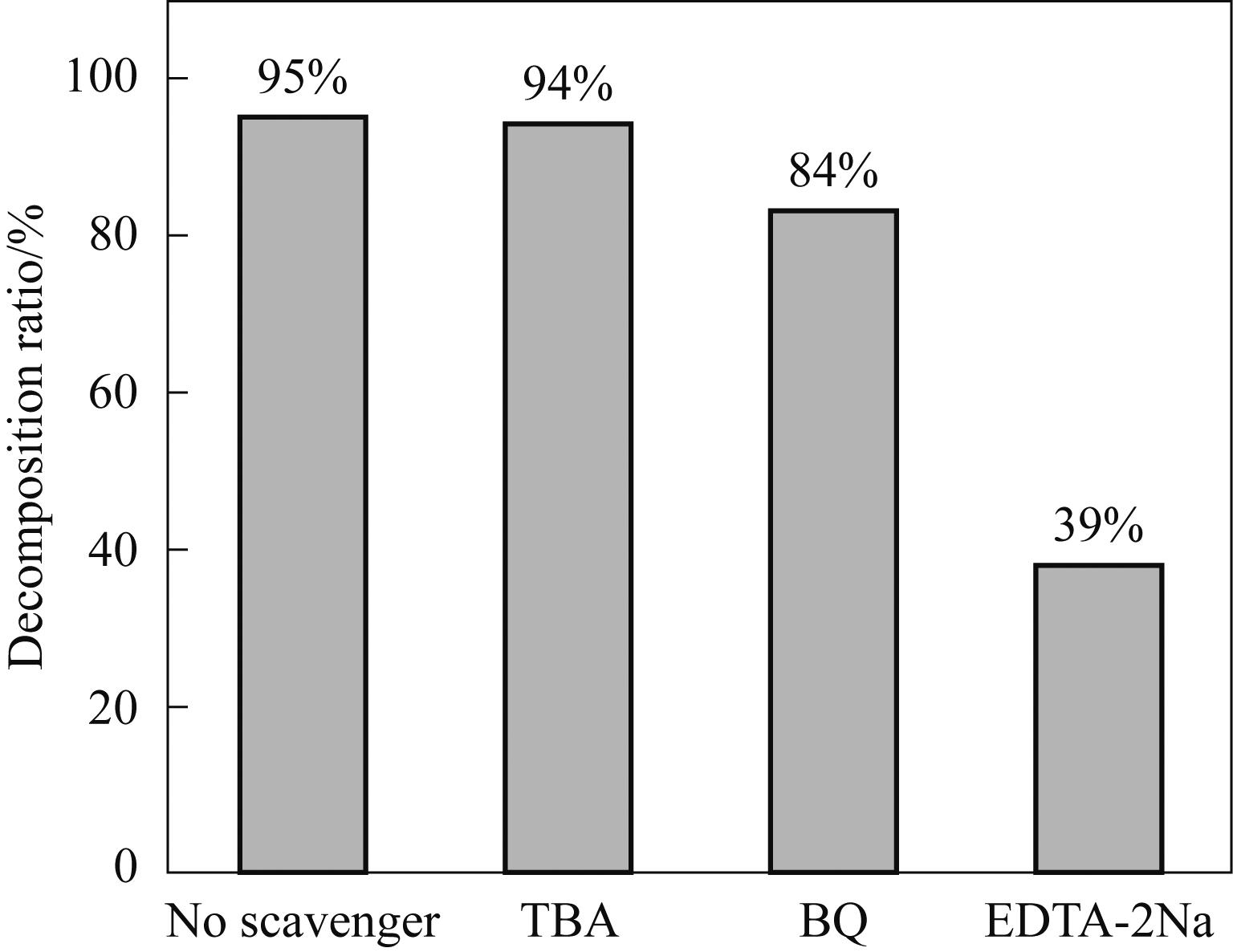
Fig.10 Tribocatalytic decomposition ratio of RhB dye using γ-Al2O3 nanoparticle catalysts with the additions of scavenger
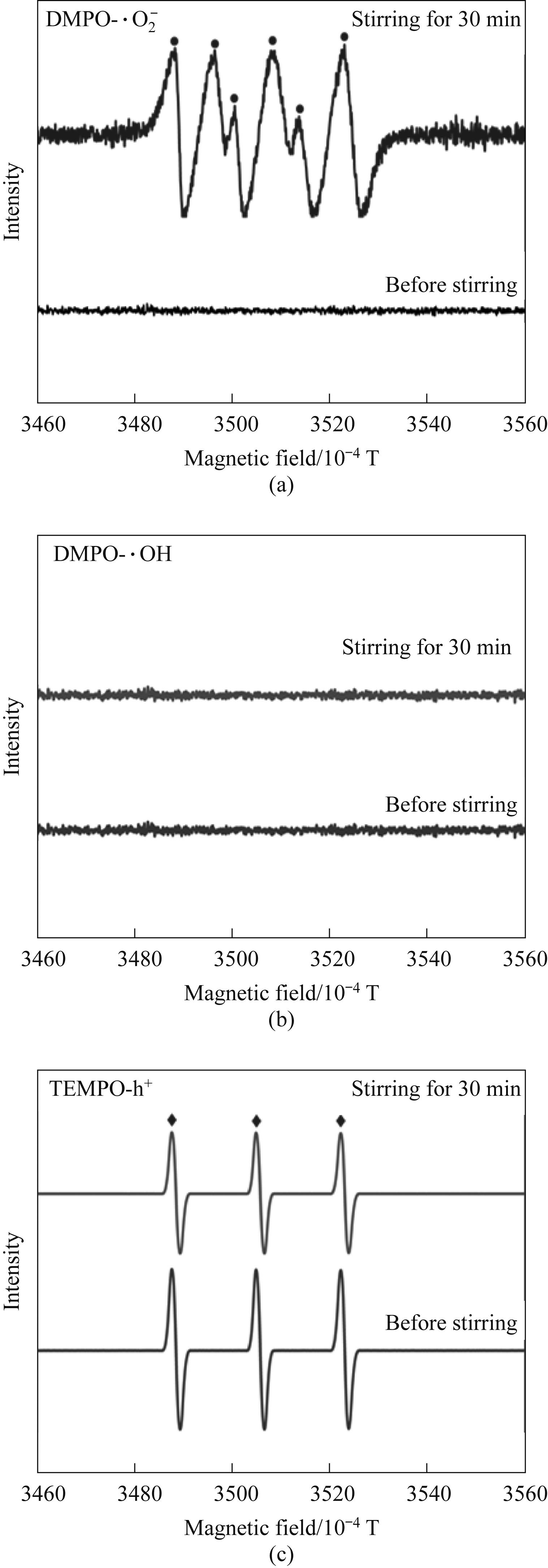
Fig.11 ESR spectra of (a)·O2-, (b) ·OH, (c) h+ respectively trapped by DMPO and TEMPO
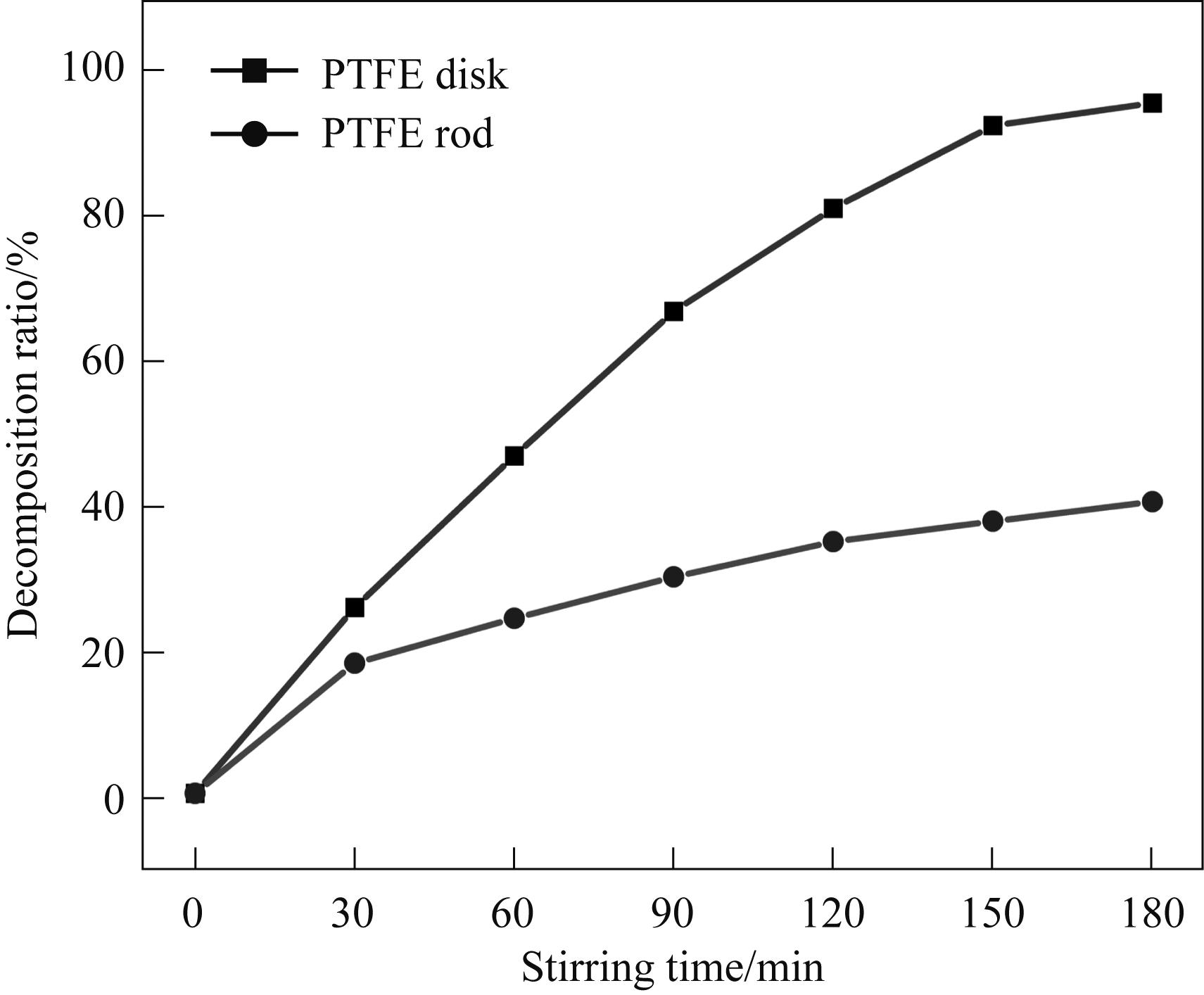
Fig.12 RhB decomposition ratio versus stirring time under the conditions of using a PTFE rod and a PTFE disk
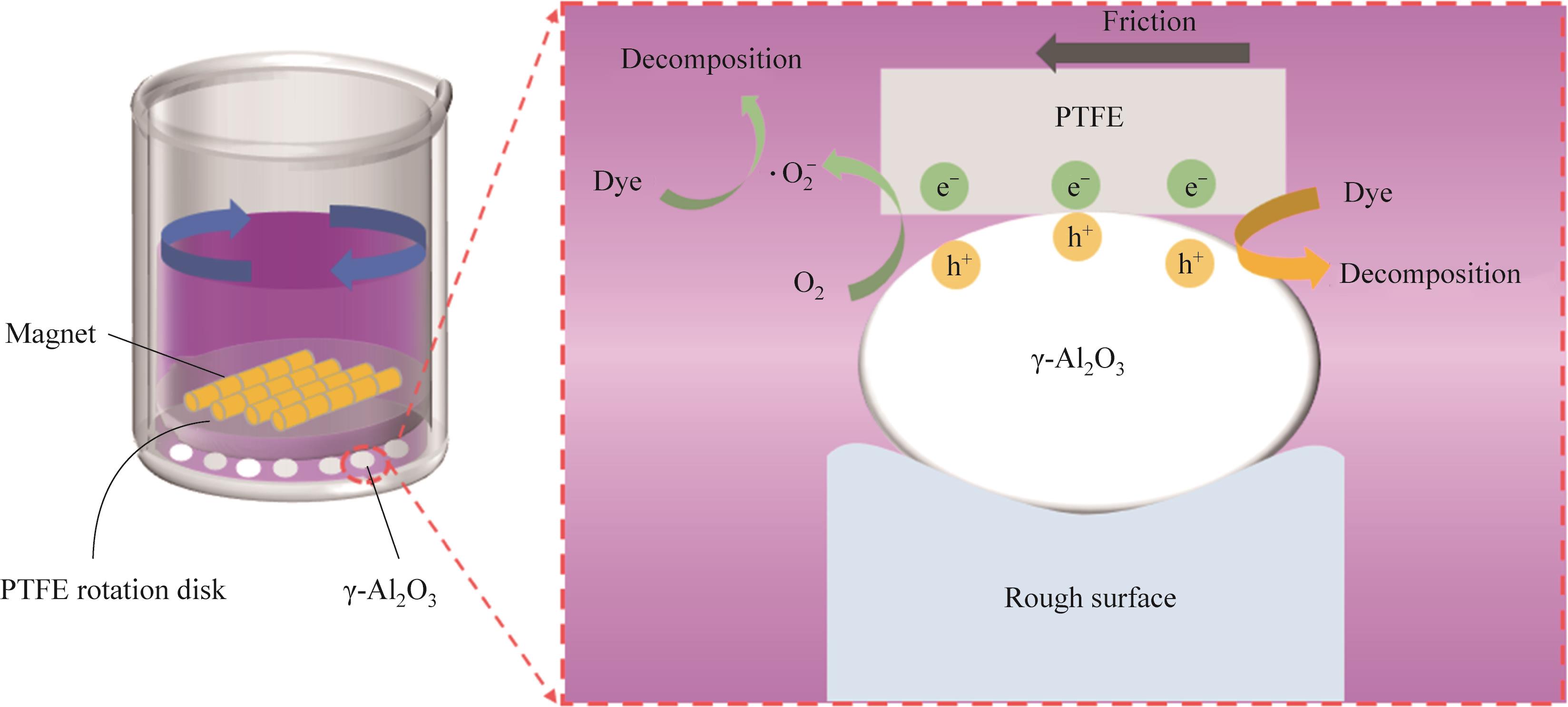
Fig.13 The schematic diagram of the device and mechanism for tribocatalytic dye decomposition using γ-Al₂O₃
| [1] | 郑佳红, 蔺小朋. 氮化碳纳米棒负载CuFeS2纳米颗粒的制备及其在光-Fenton体系下催化性能的提升[J]. 硅酸盐学报, 2023, 51(10): 2662-2672. |
| Zheng J H, Lin X P. Preparation of CuFeS2 nanoparticles supported by carbon nitride nanorods and its improved catalytic performance in a photofenton system[J]. Journal of the Chinese Ceramic Society, 2023, 51(10): 2662-2672. | |
| [2] | 何祝平, 王宇环, 尚天琪, 等. MgFe2O4-LaFeO3光催化剂活化过硫酸盐高效降解甲基橙研究[J]. 聊城大学学报(自然科学版), 2025, 38(5): 747-755. |
| He Z P, Wang Y H, Shang T Q, et al. MgFe2O4-LaFeO3 photocatalyst activating persulfate for the efficient degradation of methyl orange[J]. Journal of Liaocheng University (Natural Science Edition), 2025, 38(5): 747-755. | |
| [3] | Wang L X, Dong Y L, Zhang J Y, et al. Construction of NiO/g-C3N4 p-n heterojunctions for enhanced photocatalytic CO2 reduction[J]. Journal of Solid State Chemistry, 2022, 308: 122878. |
| [4] | Chen M Z, Jia Y M, Li H M, et al. Enhanced pyrocatalysis of the pyroelectric BiFeO3/g-C3N4 heterostructure for dye decomposition driven by cold-hot temperature alternation[J]. Journal of Advanced Ceramics, 2021, 10(2): 338-346. |
| [5] | Liu X C, Wang M W, Li Y, et al. Bismuth titanate microplates with tunable oxygen vacancies for piezocatalytic hydrogen peroxide production[J]. Journal of Colloid and Interface Science, 2025, 678: 246-255. |
| [6] | Li N, Zhu B, Huang L Q, et al. Piezoelectric polarization and sulfur vacancy enhanced photocatalytic hydrogen evolution performance of Bi2S3/ZnSn(OH)6 piezo-photocatalyst[J]. Inorganic Chemistry, 2024, 63(21): 10011-10021. |
| [7] | Cao F, Yang L, Zhang Y F, et al. Peroxymonosulfate activation in ultrasound-driven molybdenum disulfide piezocatalysis: the effect of sulfur vacancy[J]. Journal of Cleaner Production, 2022, 380: 135002. |
| [8] | Zhang Y X, Gao X Y. The theoretical study of Rh single atom catalysts decorated C3N5 monolayer with N vacancy for CO oxidations[J]. Applied Physics A, 2023, 129(5): 325. |
| [9] | Wang K Q, Li B X, Zhao C R, et al. A novel NiO/BaTiO3 heterojunction for piezocatalytic water purification under ultrasonic vibration[J]. Ultrasonics Sonochemistry, 2023, 92: 106285. |
| [10] | Liao J Y, Lv X, Sun X X, et al. Boosting piezo‐catalytic activity of KNN-based materials with phase boundary and defect engineering[J]. Advanced Functional Materials, 2023, 33(34): 2303637. |
| [11] | Lei H, Jia X C, Wang H B, et al. Tribo-catalytic conversions of H2O and CO2 by NiO particles in reactors with plastic and metallic coatings[J]. Coatings, 2023, 13(2): 396. |
| [12] | Li P C, Wu J, Wu Z, et al. Strong tribocatalytic dye decomposition through utilizing triboelectric energy of barium strontium titanate nanoparticles[J]. Nano Energy, 2019, 63: 103832. |
| [13] | Kumar M, Gaur A, Chauhan V S, et al. Tribocatalytic dye degradation using BiVO4 [J]. Ceramics International, 2024, 50(5): 8360-8369. |
| [14] | Gaur A, Kumar Moharana A, Porwal C, et al. Degradation of organic dyes by utilizing CaCu3Ti4O12 (CCTO) nanoparticles via tribocatalysis process[J]. Journal of Industrial and Engineering Chemistry, 2024, 129: 341-351. |
| [15] | Lei H, Cui X D, Jia X C, et al. Enhanced tribocatalytic degradation of organic pollutants by ZnO nanoparticles of high crystallinity[J]. Nanomaterials, 2022, 13(1): 46. |
| [16] | Yang B, Chen H B, Guo X D, et al. Enhanced tribocatalytic degradation using piezoelectric CdS nanowires for efficient water remediation[J]. Journal of Materials Chemistry C, 2020, 8(42): 14845-14854. |
| [17] | Lei H, Wu M X, Mo F, et al. Tribo-catalytic degradation of organic pollutants through bismuth oxyiodate triboelectrically harvesting mechanical energy[J]. Nano Energy, 2020, 78: 105290. |
| [18] | Geng L X, Qian Y Y, Song W J, et al. Enhanced tribocatalytic pollutant degradation through tuning oxygen vacancy in BaTiO3 nanoparticles[J]. Applied Surface Science, 2023, 637: 157960. |
| [19] | Wu M X, Zhang Y N, Yi Y Y, et al. Regulation of friction pair to promote conversion of mechanical energy to chemical energy on Bi2WO6 and realization of enhanced tribocatalytic activity to degrade different pollutants[J]. Journal of Hazardous Materials, 2023, 459: 132147. |
| [20] | Cui X D, Li P C, Lei H, et al. Greatly enhanced tribocatalytic degradation of organic pollutants by TiO2 nanoparticles through efficiently harvesting mechanical energy[J]. Separation and Purification Technology, 2022, 289: 120814. |
| [21] | Zhang Z R, Pinnavaia T J. Mesostructured γ-Al2O3 with a lathlike framework morphology[J]. Journal of the American Chemical Society, 2002, 124(41): 12294. |
| [22] | Cava S, Tebcherani S M, Pianaro S A, et al. Structural and spectroscopic analysis of γ-Al2O3 to α-Al2O3-CoAl2O4 phase transition[J]. Materials Chemistry and Physics, 2006, 97(1): 102-108. |
| [23] | Samain L, Jaworski A, Edén M, et al. Structural analysis of highly porous γ-Al2O3 [J]. Journal of Solid State Chemistry, 2014, 217: 1-8. |
| [24] | Chen S, Zhu P, Mao L J, et al. Piezocatalytic medicine: an emerging frontier using piezoelectric materials for biomedical applications[J]. Advanced Materials, 2023, 35(25): e2208256. |
| [25] | Cai W M, Sun X Y, Bao Y J, et al. Distinct morphology-dependent behaviors for Au/γ-Al2O3 catalysts: enhanced thermal stabilization in CO oxidation reaction[J]. RSC Advances, 2023, 13(13): 9010-9019. |
| [26] | 顾杰, 李双硕, 崔天伊, 等. 生物质炭掺杂BiOBr的制备及其光催化性能研究[J]. 聊城大学学报(自然科学版), 2025, 38(1): 68-75. |
| Gu J, Li S S, Cui T Y, et al. Preparation of biomass charcoal doped BiOBr and its photocatalytic performance[J]. Journal of Liaocheng University (Natural Science Edition), 2025, 38(1): 68-75. | |
| [27] | Rodaev V V, Zhigachev A O, Golovin Y I. Fabrication and characterization of electrospun ZrO2/Al2O3 nanofibers[J]. Ceramics International, 2017, 43(17): 16023-16026. |
| [28] | Prins R. On the structure of γ-Al2O3 [J]. Journal of Catalysis, 2020, 392: 336-346. |
| [29] | Ranjbari A, Kim J, Yu J, et al. Effect of oxygen vacancy modification of ZnO on photocatalytic degradation of methyl orange: a kinetic study[J]. Catalysis Today, 2024, 427: 114413. |
| [30] | 袁浩, 孙鑫海, 李瑞广, 等. 碳点/铁酸镍复合光催化剂的宽光谱芬顿降解四环素研究[J]. 聊城大学学报(自然科学版), 2024, 37(2): 69-79. |
| Yuan H, Sun X H, Li R G, et al. Achieving high-efficient broad spectrum driven photo-Fenton degradation of tetracycline via carbon dots modified NiFe2O4 nanoparticles[J]. Journal of Liaocheng University (Natural Science Edition), 2024, 37(2): 69-79. | |
| [31] | Martinez-Gómez C, Rangel-Vazquez I, Zarraga R, et al. Photodegradation and mineralization of phenol using TiO2 coated γ-Al2O3: effect of thermic treatment[J]. Processes, 2022, 10(6): 1186. |
| [32] | Majodina S, Walmsley R, Govender A, et al. Influence of ligands on the surface characteristics of CoMo/γ-Al2O3 and hydrodesulfurization catalytic activity on dibenzothiophene‐type compounds[J]. ChemistryOpen, 2025, 14(4): e202400123. |
| [33] | Shkir M, Palanivel B, Khan A, et al. Tailoring the structural, optical and remarkably enhanced photocatalytic activities of nickel oxide nanostructures through cobalt doping[J]. Surfaces and Interfaces, 2021, 27: 101515. |
| [34] | Revellame E D, Fortela D L, Sharp W, et al. Adsorption kinetic modeling using pseudo-first order and pseudo-second order rate laws: a review[J]. Cleaner Engineering and Technology, 2020, 1: 100032. |
| [35] | Ezzati R. Derivation of pseudo-first-order, pseudo-second-order and modified pseudo-first-order rate equations from Langmuir and Freundlich isotherms for adsorption[J]. Chemical Engineering Journal, 2020, 392: 123705. |
| [36] | Kumar P, Alsaiari N S, Gaur A, et al. Degradation of dye through mechano-catalysis using BaBi4Ti4O15 catalyst[J]. Scientific Reports, 2024, 14(1): 18177. |
| [37] | He J F, Zhai W J, Wang S F, et al. Persistently high Cr6+ removal rate of centi-sized iron turning owing to tribocatalysis[J]. Materials Today Physics, 2021, 19: 100408. |
| [38] | Wu M X, Xu Y Y, He Q S, et al. Tribocatalysis of homogeneous material with multi-size granular distribution for degradation of organic pollutants[J]. Journal of Colloid and Interface Science, 2022, 622: 602-611. |
| [39] | Wu M X, Lei H, Chen J Y, et al. Friction energy harvesting on bismuth tungstate catalyst for tribocatalytic degradation of organic pollutants[J]. Journal of Colloid and Interface Science, 2021, 587: 883-890. |
| [40] | Peng C, Zhang J L, Xiong Z G, et al. Fabrication of porous hollow γ-Al2O3 nanofibers by facile electrospinning and its application for water remediation[J]. Microporous and Mesoporous Materials, 2015, 215: 133-142. |
| [41] | Zhang Y, Wu Z, Zhang L H, et al. Efficiently flexo-catalysis driven by bending vibration in amorphous non-piezoelectric nano-SiO2 for water purification[J]. Journal of Alloys and Compounds, 2025, 1014: 178654. |
| [42] | Zhang Q C, Jia Y M, Wang X X, et al. Efficient tribocatalysis of magnetically recyclable cobalt ferrite nanoparticles through harvesting friction energy[J]. Separation and Purification Technology, 2023, 307: 122846. |
| [43] | Yu H M, Fu J, Zhu X T, et al. Tribocatalytic degradation of organic pollutants using Fe2O3 nanoparticles[J]. ACS Applied Nano Materials, 2023, 6(15): 14364-14373. |
| [44] | Vo T K. Spray pyrolysis synthesis and UV-driven photocatalytic activity of mesoporous Al2O3@TiO2 microspheres[J]. Environmental Science and Pollution Research International, 2022, 29(28): 42991-43003. |
| [45] | Nosaka Y, Nosaka A. Understanding hydroxyl radical (·OH) generation processes in photocatalysis[J]. ACS Energy Letters, 2016, 1(2): 356-359. |
| [46] | Zhu M Z, Song J N, Ke S H, et al. Ti coating-enhanced tribocatalytic degradation of organic dyes by CdS nanoparticles[J]. Inorganics, 2025, 13(2): 46. |
| [47] | Wu M X, Chen R F, Xu Y Y, et al. The friction pair composed of polymers and Bi12TiO20 facilitates the tribocatalytic degradation of organic pollutants[J]. Materials Today Sustainability, 2024, 27: 100850. |
| [48] | Singh Thakur A, Dubey S, Ibrahim S M, et al. Estimation of effective operating parameters for dye degradation using Bi3TiVO9 via tribocatalysis[J]. Green Chemistry Letters and Reviews, 2025, 18(1): 2490746. |
| [49] | Zhao B X, Chen N, Xue Y R, et al. Challenges and perspectives of tribocatalysis in the treatment for dye wastewater[J]. Journal of Water Process Engineering, 2024, 63: 105455. |
| [50] | Ke S H, Mao C Y, Luo R Q, et al. Surprising effects of Al2O3 coating on tribocatalytic degradation of organic dyes by CdS nanoparticles[J]. Coatings, 2024, 14(8): 1057. |
| [51] | Jia X C, Wang H B, Lei H, et al. Boosting tribo-catalytic conversion of H2O and CO2 by Co3O4 nanoparticles through metallic coatings in reactors[J]. Journal of Advanced Ceramics, 2023, 12(10): 1833-1843. |
| [52] | Li X N, Tong W S, Shi J, et al. Tribocatalysis mechanisms: electron transfer and transition[J]. Journal of Materials Chemistry A, 2023, 11(9): 4458-4472. |
| [53] | Guo Y, Ma W C, Chong M C, et al. Generation of holes from intra-valence band for enhanced oxidation potentials under visible light[J]. Chem, 2024, 10(4): 1252-1267. |
| [1] | Shengmei ZHANG, Ming LI, Ying ZHANG, Xi YI, Yiting YANG, Yali LIU. Effects of emulsifier and reacting temperature on characteristics of phase change microcapsules [J]. CIESC Journal, 2025, 76(S1): 444-452. |
| [2] | Yue GAO, Ding LI, Yumiao GAO. Study on catalytic oxidation remediation technology of organic polluted site soil [J]. CIESC Journal, 2025, 76(3): 1297-1304. |
| [3] | Yuxuan WU, Cheng CHANG, Xueping GU, Lianfang FENG, Cailiang ZHANG. Modeling of butadiene emulsion polymerization process for stereoisomerization [J]. CIESC Journal, 2025, 76(2): 879-887. |
| [4] | Yuanzhe WANG, Zhenyu LIU, Yuxin YAN, Siyu WANG, Lei SHI, Qingya LIU. Chemical reaction issues in the technological upgrading of direct coal liquefaction [J]. CIESC Journal, 2025, 76(10): 5522-5532. |
| [5] | Yanzi WANG, Jia’nan DAI, Jing MA, Tengyue ZHANG, Zili LIANG. Oxygen vacancy characteristics and photocatalytic performance of rare earth elements (RE: Nd, Sm, Eu, Er, Tm) doped B-TiO₂ [J]. CIESC Journal, 2025, 76(10): 5162-5175. |
| [6] | Yuhui WU, Jialong ZHANG, Yuanhe HOU, Zhen LIU. Study of radical intermediate cleavage on RAFT polymerization of methyl acrylate and methyl methacrylate [J]. CIESC Journal, 2025, 76(10): 5464-5474. |
| [7] | Yanping JIA, Yanju MA, Wenxin GUAN, Bin YANG, Jian ZHANG, Lanhe ZHANG. Process conditions optimization and degradation mechanism of dye wastewater by Fe0/H2O2 system using response surface methodology [J]. CIESC Journal, 2025, 76(1): 348-362. |
| [8] | Shugang HU, Guoqing TIAN, Wenjuan LIU, Guangfei XU, Huaqing LIU, Jian ZHANG, Yanlong WANG. Preparation of nanoscale zero-valent iron and its application of reduction and oxidation technology [J]. CIESC Journal, 2024, 75(9): 3041-3055. |
| [9] | Xiaokai CHENG, Wei LI, Jingdai WANG, Yongrong YANG. Advances in nickel catalyzed controlled/living radical polymerization reactions [J]. CIESC Journal, 2024, 75(4): 1105-1117. |
| [10] | Yanping JIA, Dongxu YIN, Jingyi XU, Haifeng ZHANG, Lanhe ZHANG. Mechanism study of oxytetracycline hydrochloride degradation through activating sulfite by Fe2+/Mn2+ [J]. CIESC Journal, 2024, 75(2): 647-658. |
| [11] | Wenning LI, Min LU, Yu YIN. High dispersion of cobalt on the reduced graphene oxide for advanced oxidation degradation of organic pollutants [J]. CIESC Journal, 2024, 75(10): 3793-3803. |
| [12] | Guimei CHEN, Yuyun XIE, Youwei YANG, Yan GAO, Chunying WANG. Degradation of rhodamine B by peroxymonosulfate activated by Prussian blue analogue derivatives [J]. CIESC Journal, 2024, 75(10): 3804-3814. |
| [13] | Jintong LI, Shun QIU, Wenshou SUN. Oxalic acid and UV enhanced arsenic leaching from coal in flue gas desulfurization by coal slurry [J]. CIESC Journal, 2023, 74(8): 3522-3532. |
| [14] | Xiaokun HE, Rui LIU, Yuan XUE, Ran ZUO. Review of gas phase and surface reactions in AlN MOCVD [J]. CIESC Journal, 2023, 74(7): 2800-2813. |
| [15] | Jian ZHAO, Xingchao ZHOU, Dan XIA, Hang DONG. Study on influence of mechanical stirring on heat transfer characteristics during jet heating of crude oil storage tank [J]. CIESC Journal, 2023, 74(5): 1982-1999. |
| Viewed | ||||||
|
Full text |
|
|||||
|
Abstract |
|
|||||