CIESC Journal ›› 2025, Vol. 76 ›› Issue (12): 6486-6496.DOI: 10.11949/0438-1157.20250798
• Intelligent process engineering • Previous Articles Next Articles
Shengjie XIONG1( ), Li XIE1(), Liang XU1, Yuqing CAO2, Huizhong YANG1
Received:2025-07-21
Revised:2025-10-21
Online:2026-01-23
Published:2025-12-31
Contact:
Li XIE
熊晟杰1(), 谢莉1(), 徐梁1, 曹余庆2, 杨慧中1
通讯作者:
谢莉
作者简介:熊晟杰(2000—),男,硕士研究生, 841403746@qq.com
基金资助:CLC Number:
Shengjie XIONG, Li XIE, Liang XU, Yuqing CAO, Huizhong YANG. Soft sensor development based on deep extended variational autoencoder with just-in-time learning[J]. CIESC Journal, 2025, 76(12): 6486-6496.
熊晟杰, 谢莉, 徐梁, 曹余庆, 杨慧中. 融合即时学习的深层扩展VAE软测量建模方法[J]. 化工学报, 2025, 76(12): 6486-6496.
Add to citation manager EndNote|Ris|BibTeX
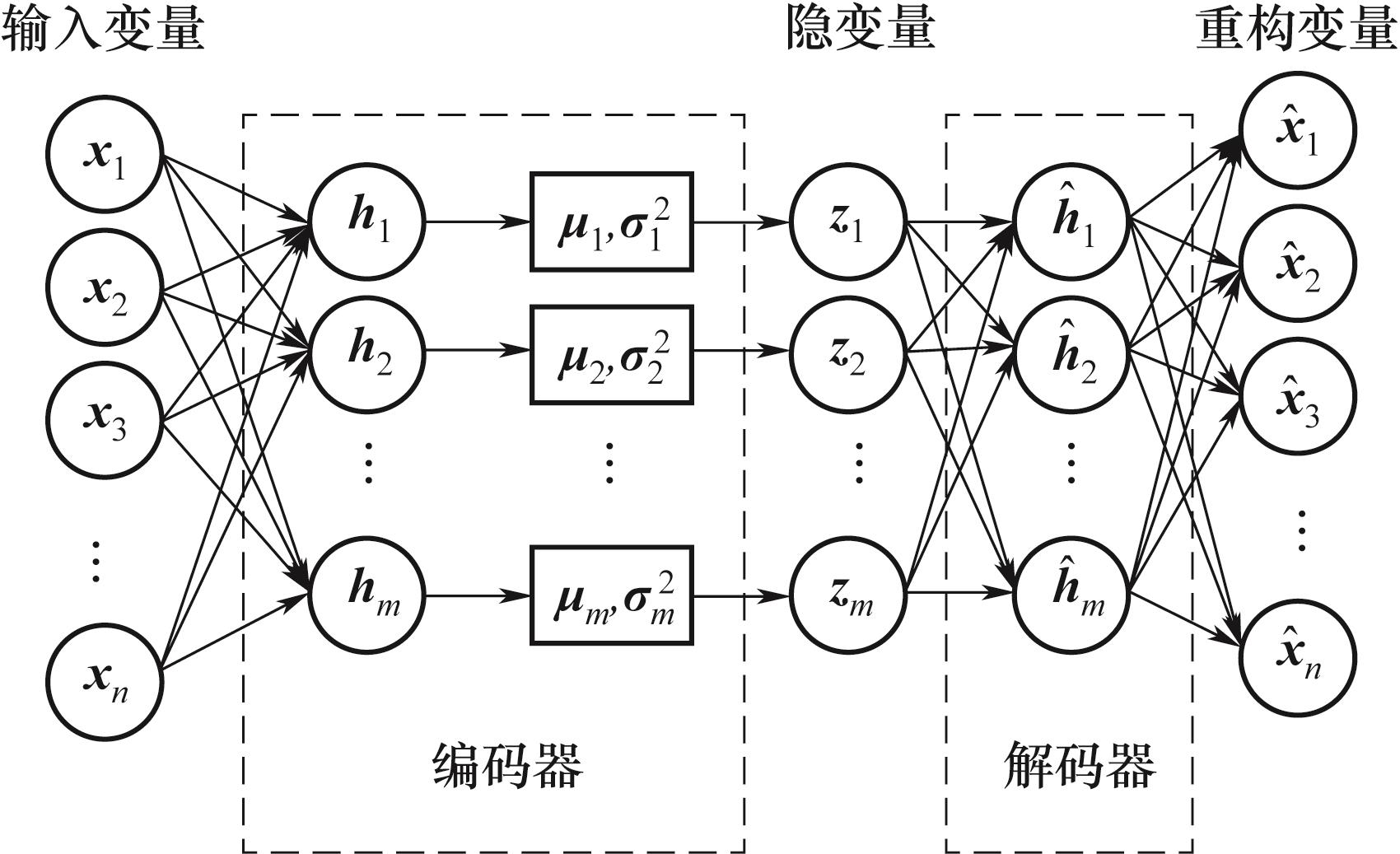
Fig.1 Diagram of VAE structure
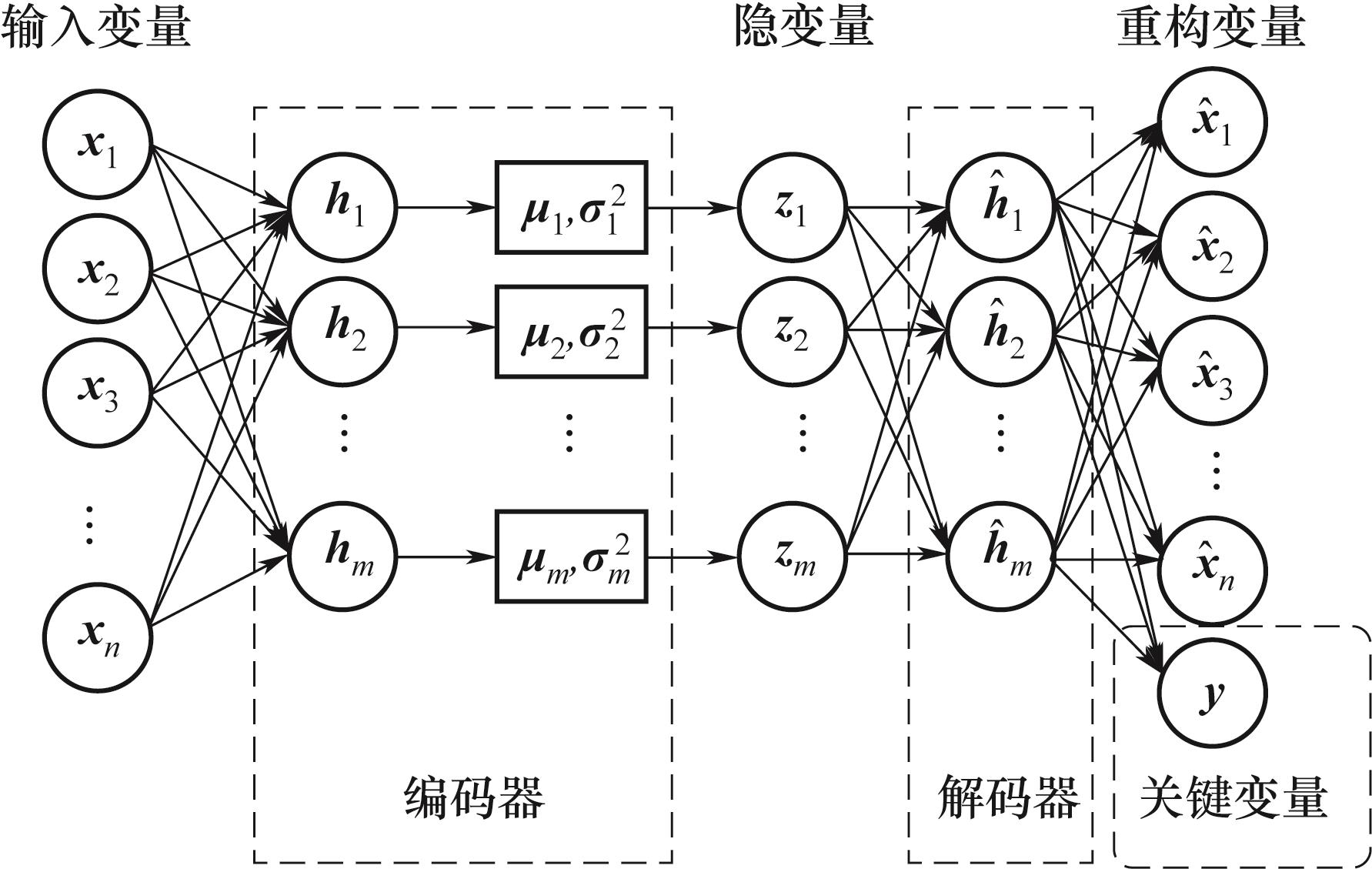
Fig.2 Diagram of E-VAE structure
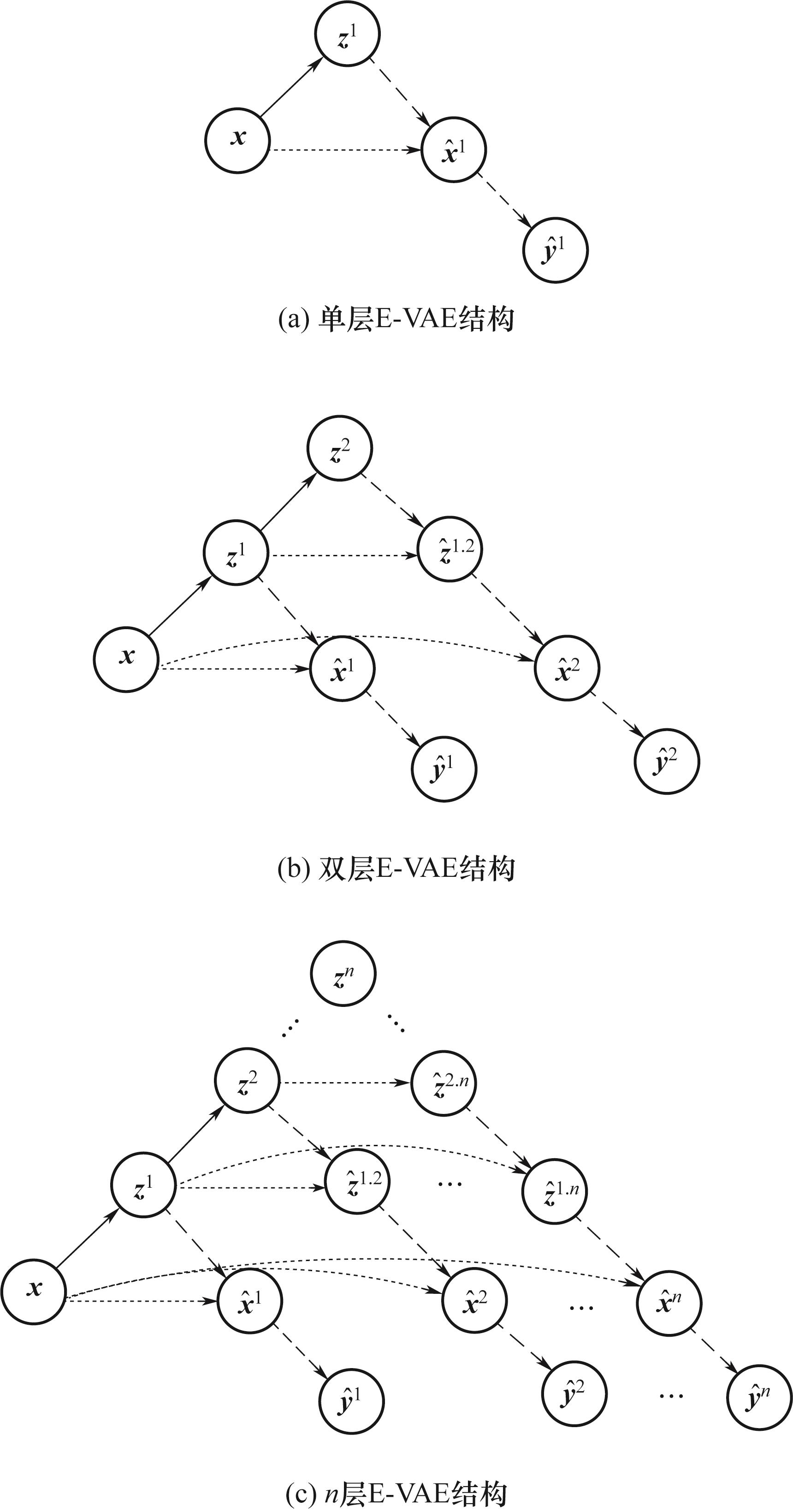
Fig.3 Diagram of DE-VAE structure
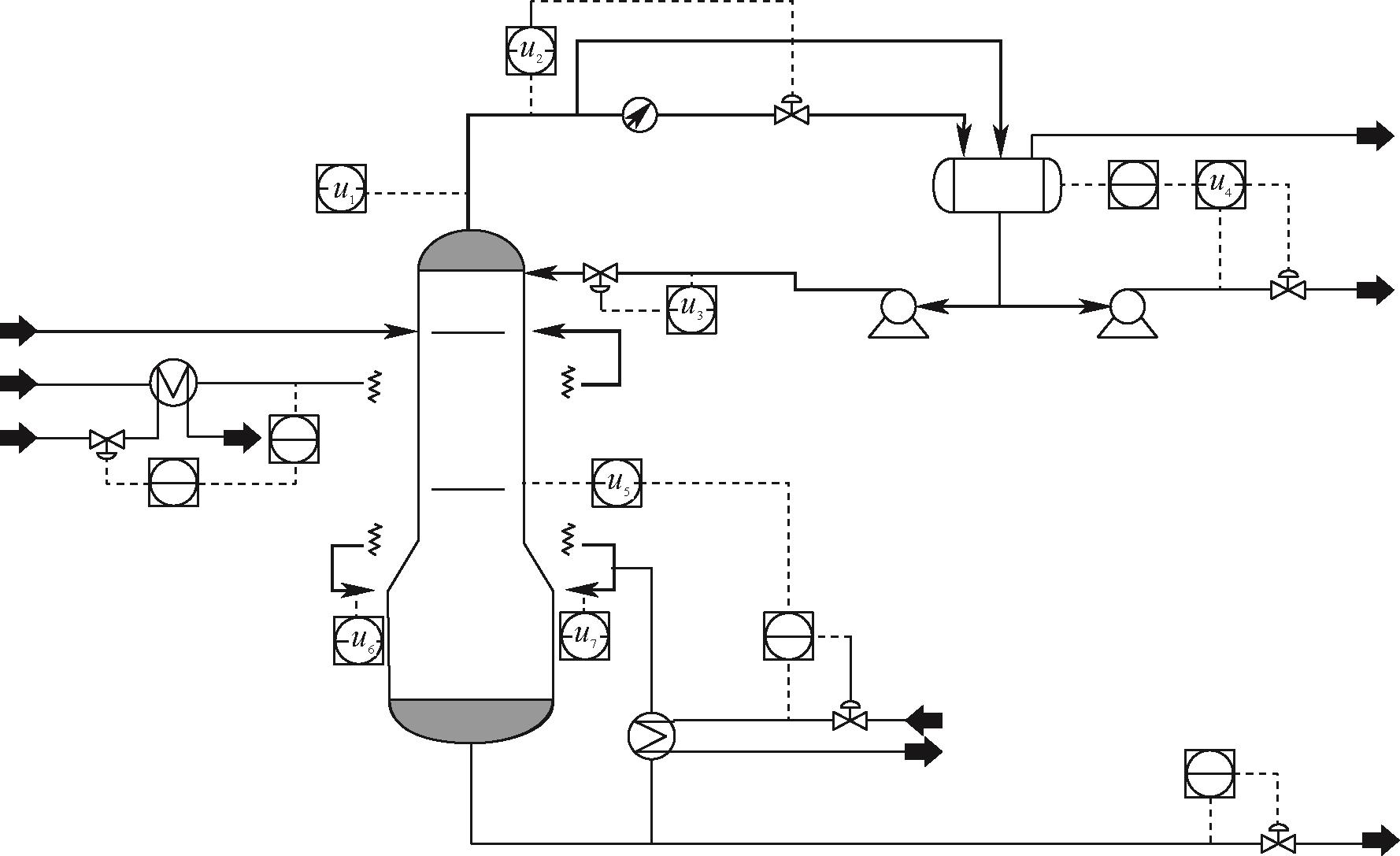
Fig.4 Schematic of the debutanizer process [33]
| 输入变量 | 变量描述 |
|---|---|
| u1 | 顶部温度/℃ |
| u2 | 顶部压力/(kg/cm2) |
| u3 | 塔顶回流量/(m3/h) |
| u4 | 塔顶出料量/(m3/h) |
| u5 | 塔板6温度/℃ |
| u6 | 塔底温度1/℃ |
| u7 | 塔底温度2/℃ |
Table 1 Process variables of the debutanizer column
| 输入变量 | 变量描述 |
|---|---|
| u1 | 顶部温度/℃ |
| u2 | 顶部压力/(kg/cm2) |
| u3 | 塔顶回流量/(m3/h) |
| u4 | 塔顶出料量/(m3/h) |
| u5 | 塔板6温度/℃ |
| u6 | 塔底温度1/℃ |
| u7 | 塔底温度2/℃ |
| 方法 | RMSE | R2 |
|---|---|---|
| VAE | 0.0432 | 0.9537 |
| E-VAE | 0.0297 | 0.9759 |
| DE-VAE | 0.0121 | 0.9961 |
| JITL-DE-VAE(ed) | 0.0112 | 0.9972 |
| JITL-DE-VAE | 0.0093 | 0.9984 |
Table 2 Evaluation metrics of the five models for the debutanizer column ablation study
| 方法 | RMSE | R2 |
|---|---|---|
| VAE | 0.0432 | 0.9537 |
| E-VAE | 0.0297 | 0.9759 |
| DE-VAE | 0.0121 | 0.9961 |
| JITL-DE-VAE(ed) | 0.0112 | 0.9972 |
| JITL-DE-VAE | 0.0093 | 0.9984 |
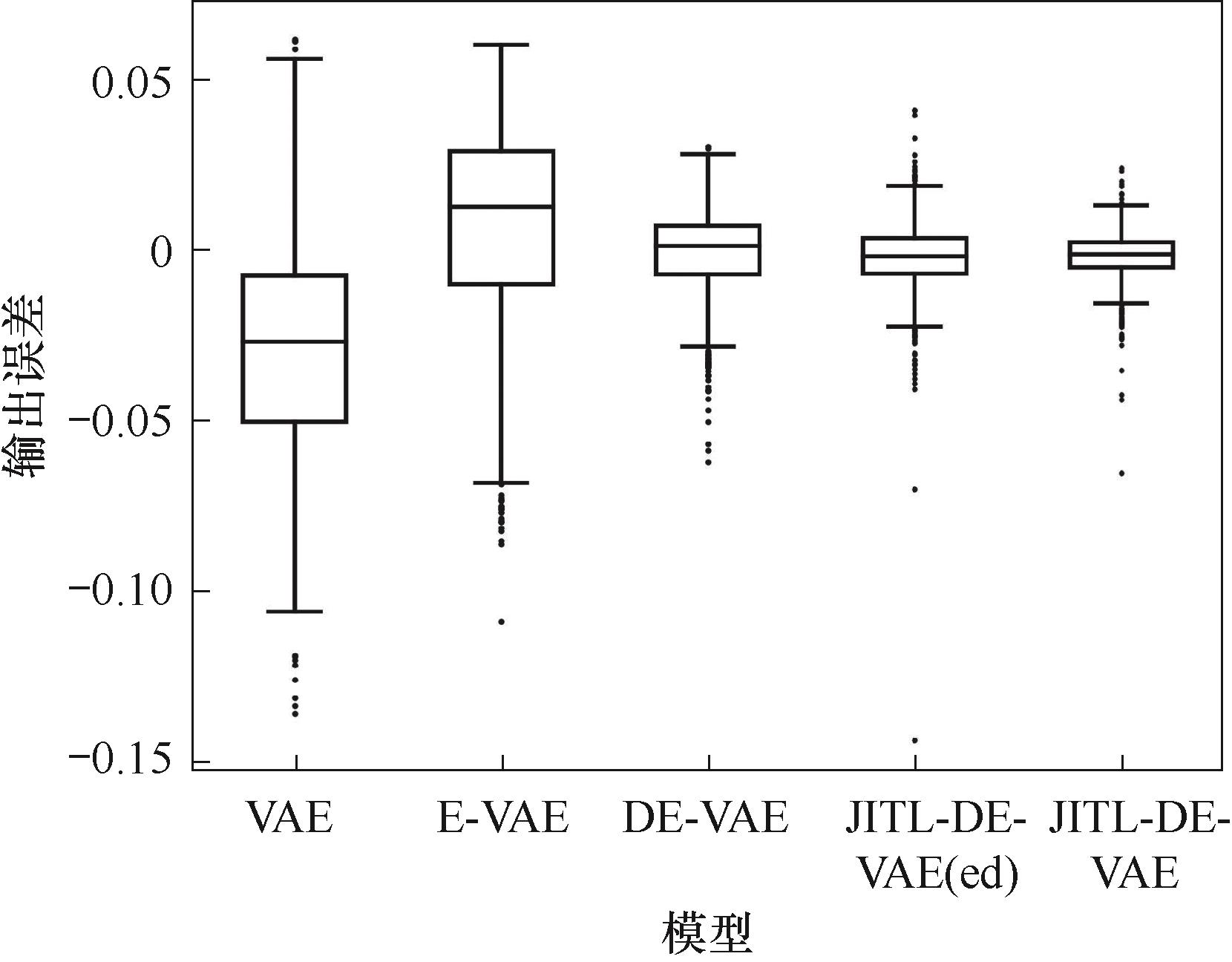
Fig. 5 Boxplot of output errors for the debutanizer column ablation study
| 方法 | RMSE | R2 | RMSE降低幅度 |
|---|---|---|---|
| SAE | 0.0456 | 0.9342 | 79.6% |
| SQAE | 0.0428 | 0.9456 | 78.3% |
| SVAE | 0.0302 | 0.9720 | 69.2% |
| H-NPLVR | 0.0289 | 0.9775 | 67.8% |
| JITL-DE-VAE | 0.0093 | 0.9984 | — |
Table 3 Evaluation metrics of the five models for the debutanizer column comparative experiment
| 方法 | RMSE | R2 | RMSE降低幅度 |
|---|---|---|---|
| SAE | 0.0456 | 0.9342 | 79.6% |
| SQAE | 0.0428 | 0.9456 | 78.3% |
| SVAE | 0.0302 | 0.9720 | 69.2% |
| H-NPLVR | 0.0289 | 0.9775 | 67.8% |
| JITL-DE-VAE | 0.0093 | 0.9984 | — |
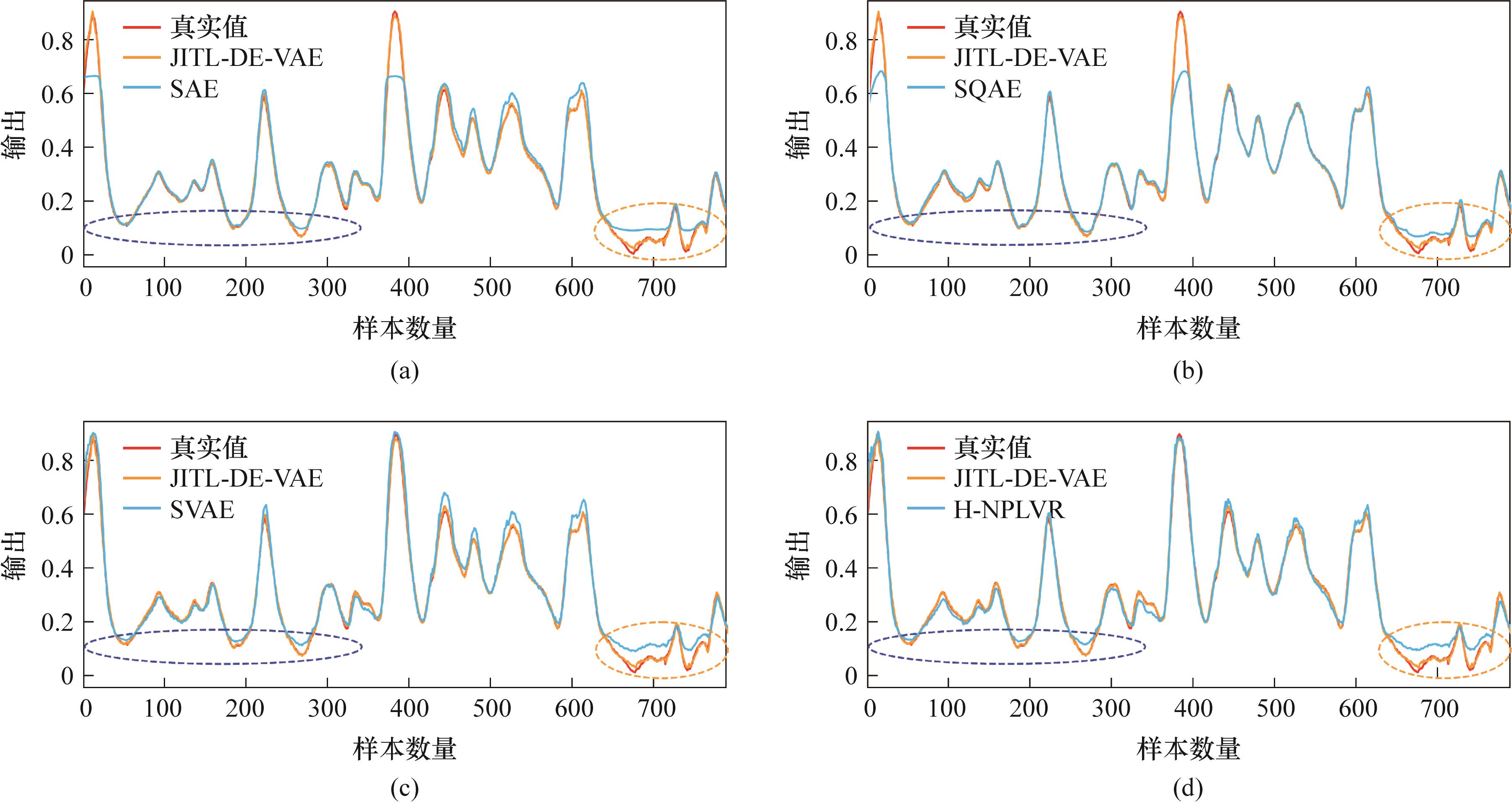
Fig.6 The prediction results of butane concentration
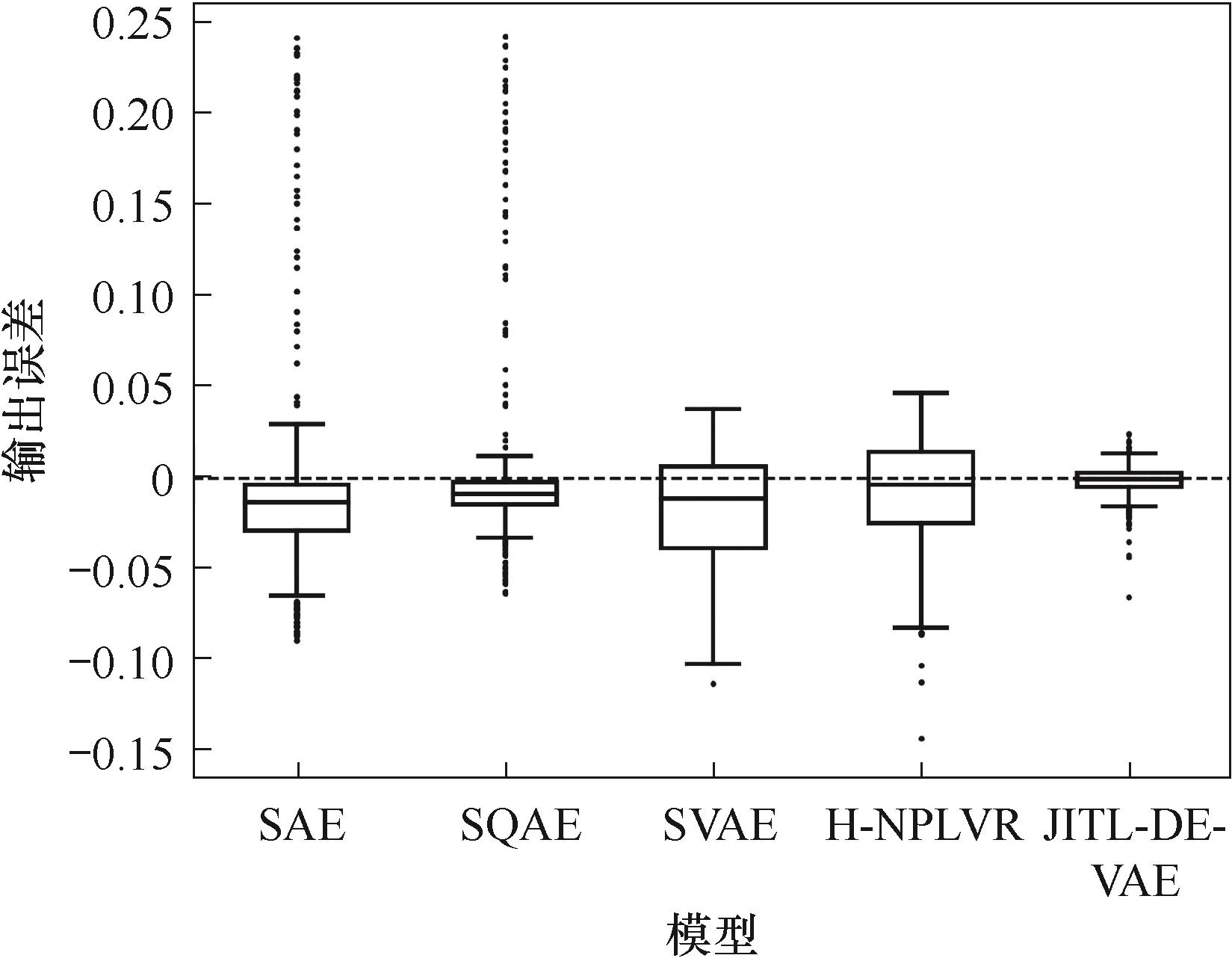
Fig.7 Boxplot of output errors for the debutanizer column comparative experiment
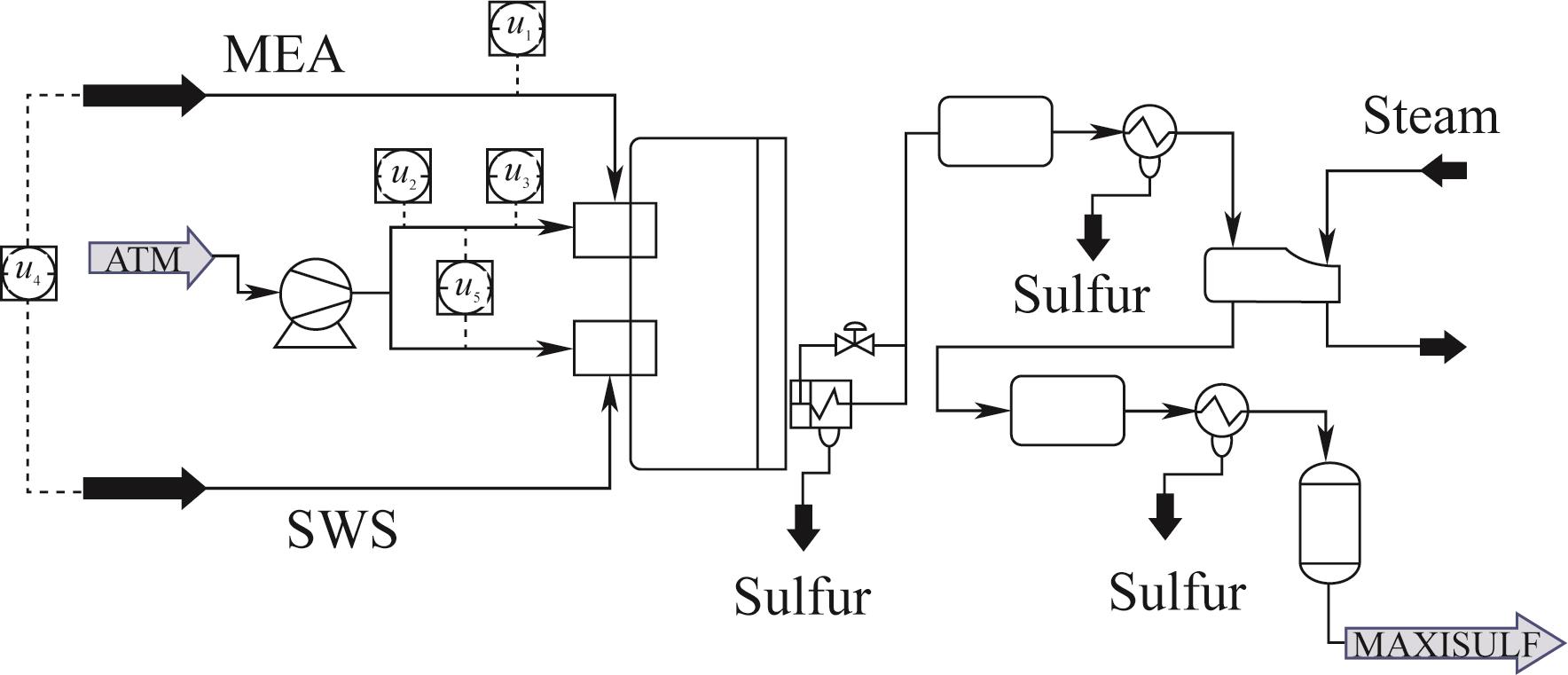
Fig.8 Schematic of the sulfur recovery process [34]
| 变量 | 描述 | 单位 |
|---|---|---|
| u1 | MEA气体流 | m3/s |
| u2 | 初级空气流 | m3/s |
| u3 | 二级空气流 | m3/s |
| u4 | SWS区域气体流 | m3/s |
| u5 | SWS区域空气流 | m3/s |
| y | SO2浓度 | mol/m3 |
Table 4 Process variables of the sulfur recovery
| 变量 | 描述 | 单位 |
|---|---|---|
| u1 | MEA气体流 | m3/s |
| u2 | 初级空气流 | m3/s |
| u3 | 二级空气流 | m3/s |
| u4 | SWS区域气体流 | m3/s |
| u5 | SWS区域空气流 | m3/s |
| y | SO2浓度 | mol/m3 |
| 方法 | RMSE | R2 | R2提升幅度 |
|---|---|---|---|
| KPLS | 0.0227 | 0.7041 | 19.7% |
| VWSAE | 0.0232 | 0.7963 | 5.9% |
| H-NPLVR | 0.0234 | 0.7832 | 7.6% |
| DE-VAE | 0.0227 | 0.8285 | 1.8% |
| JITL-DE-VAE | 0.0222 | 0.8438 | — |
Table 5 Evaluation metrics of the five models for the sulfur recovery comparative experiment
| 方法 | RMSE | R2 | R2提升幅度 |
|---|---|---|---|
| KPLS | 0.0227 | 0.7041 | 19.7% |
| VWSAE | 0.0232 | 0.7963 | 5.9% |
| H-NPLVR | 0.0234 | 0.7832 | 7.6% |
| DE-VAE | 0.0227 | 0.8285 | 1.8% |
| JITL-DE-VAE | 0.0222 | 0.8438 | — |
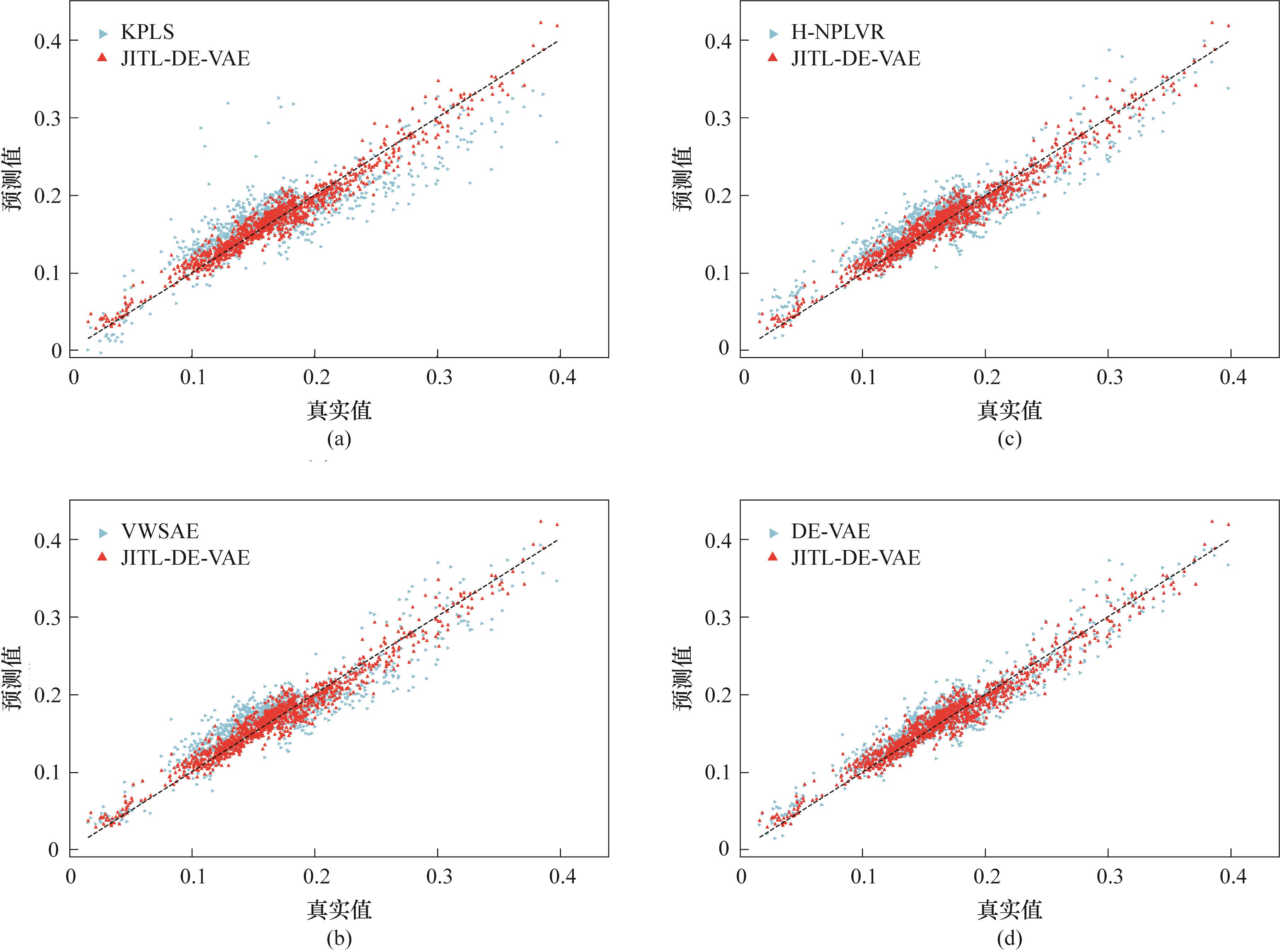
Fig.9 Scatter diagram of SO2 concentration prediction results
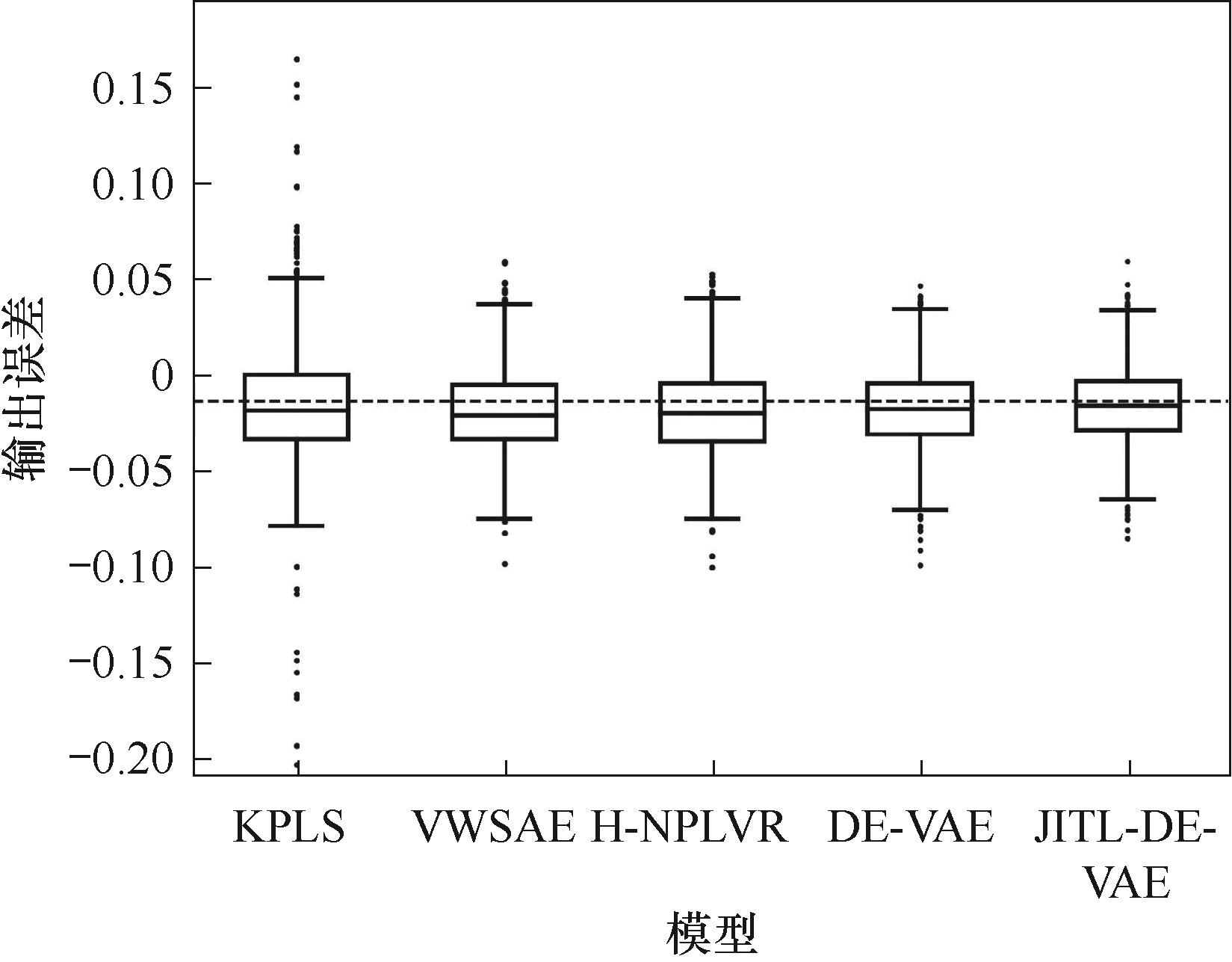
Fig.10 Boxplot of output errors for SO2 concentration test set
| [1] | Jia M W, Yang C, Pan Z X, et al. Adversarial relationship graph learning soft sensor via negative information exclusion[J]. Journal of Process Control, 2025, 145: 103354. |
| [2] | 闫琳琦, 王振雷. 基于STA-BiLSTM-LightGBM组合模型的多步预测软测量建模[J]. 化工学报, 2023, 74(8): 3407-3418. |
| Yan L Q, Wang Z L. Multi-step predictive soft sensor modeling based on STA-BiLSTM-LightGBM combined model[J]. CIESC Journal, 2023, 74(8): 3407-3418. | |
| [3] | Liu Y, Jia M W, Xu D Y, et al. Physics-guided graph learning soft sensor for chemical processes[J]. Chemometrics and Intelligent Laboratory Systems, 2024, 249: 105131. |
| [4] | Sun Q Q, Ge Z Q. A survey on deep learning for data-driven soft sensors[J]. IEEE Transactions on Industrial Informatics, 2021, 17(9): 5853-5866. |
| [5] | Jia M W, Jiang L W, Guo B, et al. Physical-anchored graph learning for process key indicator prediction[J]. Control Engineering Practice, 2025, 154: 106167. |
| [6] | 黎宏陶, 王振雷, 王昕. 基于即时学习的改进条件高斯回归软测量[J]. 化工学报, 2024, 75(6): 2299-2312. |
| Li H T, Wang Z L, Wang X. Improved conditional Gaussian regression soft sensor based on just-in-time learning[J]. CIESC Journal, 2024, 75(6): 2299-2312. | |
| [7] | Jia M W, Xu D Y, Yang T, et al. Graph convolutional network soft sensor for process quality prediction[J]. Journal of Process Control, 2023, 123: 12-25. |
| [8] | Hasnen S H, Shahid M, Zabiri H, et al. Semi-supervised adaptive PLS soft-sensor with PCA-based drift correction method for online valuation of NO x emission in industrial water-tube boiler[J]. Process Safety and Environmental Protection, 2023, 172: 787-801. |
| [9] | 王春鹏, 于佐军, 孟凡强. 折息移动窗递推PLS算法及其在聚丙烯生产过程中的应用[J]. 化工学报, 2013, 64(12): 4592-4598. |
| Wang C P, Yu Z J, Meng F Q. Discount moving window recursive PLS algorithm and its application to process of polypropylene production[J]. CIESC Journal, 2013, 64(12): 4592-4598. | |
| [10] | 赵超, 戴坤成, 王贵评, 等. 基于AWLS-SVM的污水处理过程软测量建模[J]. 仪器仪表学报, 2015, 36(8): 1792-1800. |
| Zhao C, Dai K C, Wang G P, et al. Soft sensor modeling for wastewater treatment process based on adaptive weighted least squares support vector machines[J]. Chinese Journal of Scientific Instrument, 2015, 36(8): 1792-1800. | |
| [11] | He Y L, Li X Y, Ma J H, et al. Attribute-relevant distributed variational autoencoder integrated with LSTM for dynamic industrial soft sensing[J]. Engineering Applications of Artificial Intelligence, 2023, 119: 105737. |
| [12] | 赵武灵, 满奕. 基于变分编码器的纳米纤维素分子结构预测模型框架研究[J]. 化工学报, 2024, 75(9): 3221-3230. |
| Zhao W L, Man Y. Research on framework of nanocellulose molecular structure prediction model based on variational encoder[J]. CIESC Journal, 2024, 75(9): 3221-3230. | |
| [13] | Hinton G E, Osindero S, Teh Y W. A fast learning algorithm for deep belief nets[J]. Neural Computation, 2006, 18(7): 1527-1554. |
| [14] | Jia M W, Zhou L, Liu Y, et al. Global dependency graph network for soft sensing in process industry[J]. IEEE Sensors Journal, 2024, 24(16): 26290-26300. |
| [15] | LeCun Y, Bengio Y, Hinton G. Deep learning[J]. Nature, 2015, 521(7553): 436-444. |
| [16] | Shang C, Yang F, Huang D X, et al. Data-driven soft sensor development based on deep learning technique[J]. Journal of Process Control, 2014, 24(3): 223-233. |
| [17] | Yao L, Ge Z Q. Deep learning of semisupervised process data with hierarchical extreme learning machine and soft sensor application[J]. IEEE Transactions on Industrial Electronics, 2018, 65(2): 1490-1498. |
| [18] | Jia M W, Yao Y, Liu Y. Review on graph neural networks for process soft sensor development, fault diagnosis, and process monitoring[J]. Industrial & Engineering Chemistry Research, 2025, 64(17): 8543-8564. |
| [19] | Yuan X F, Huang B, Wang Y L, et al. Deep learning-based feature representation and its application for soft sensor modeling with variable-wise weighted SAE[J]. IEEE Transactions on Industrial Informatics, 2018, 14(7): 3235-3243. |
| [20] | Yuan X F, Zhou J, Huang B, et al. Hierarchical quality-relevant feature representation for soft sensor modeling: a novel deep learning strategy[J]. IEEE Transactions on Industrial Informatics, 2020, 16(6): 3721-3730. |
| [21] | Tian Y, Zhu Q X, He Y L. Novel deep layers-extended autoencoder with correlation and its industrial soft sensing[J]. IEEE Transactions on Industrial Informatics, 2024, 20(1): 596-604. |
| [22] | Kingma D P, Welling M. Autoencoding variational bayes[J]. arXiv:. |
| [23] | Shen B B, Yao L, Ge Z Q. Nonlinear probabilistic latent variable regression models for soft sensor application: fom shallow to deep structure[J]. Control Engineering Practice, 2020, 94: 104198. |
| [24] | 崔琳琳, 沈冰冰, 葛志强. 基于混合变分自编码器回归模型的软测量建模方法[J]. 自动化学报, 2022, 48(2): 398-407. |
| Cui L L, Shen B B, Ge Z Q. A mixture variational autoencoder regression model for soft sensor application[J]. Acta Automatica Sinica, 2022, 48(2): 398-407. | |
| [25] | Wang C Z, Li Y G, Huang K K, et al. VAE4RSS: a VAE-based neural network approach for robust soft sensor with application to zinc roasting process[J]. Engineering Applications of Artificial Intelligence, 2022, 114: 105180. |
| [26] | Xu L, Xie L, Sun L, et al. A novel soft sensor modeling method based on gated stacked target-supervised VAE with variable weights[J]. Control Engineering Practice, 2025, 155: 106181. |
| [27] | Pan B, Jin H P, Wang L, et al. Just-in-time learning based soft sensor with variable selection and weighting optimized by evolutionary optimization for quality prediction of nonlinear processes[J]. Chemical Engineering Research and Design, 2019, 144: 285-299. |
| [28] | Jia M W, Liu Q, Jiang L W, et al. Just-in-time process soft sensor with spatiotemporal graph decoupled learning[J]. Chemometrics and Intelligent Laboratory Systems, 2025, 261: 105367. |
| [29] | Liu Q, Yin R D, Guo X W, et al. Locally spatiotemporal soft sensor for key indicator prediction in cement production process[J]. Chemical Engineering Science, 2025, 307: 121386. |
| [30] | Wu Y J, Liu D J, Yuan X F, et al. A just-in-time fine-tuning framework for deep learning of SAE in adaptive data-driven modeling of time-varying industrial processes[J]. IEEE Sensors Journal, 2021, 21(3): 3497-3505. |
| [31] | Pu Y C, Gan Z, Henao R, et al. Variational autoencoder for deep learning of images, labels and captions[C]//Proceedings of the 30th International Conference on Neural Information Processing Systems. ACM, 2016: 2360-2368. |
| [32] | Rani A, Singh V, Gupta J R P. Development of soft sensor for neural network based control of distillation column[J]. ISA Transactions, 2013, 52(3): 438-449. |
| [33] | Fortuna L, Graziani S, Rizzo A, et al. Soft Sensors for Monitoring and Control of Industrial Processes[M]. London: Springer London, 2007. |
| [34] | Fortuna L, Rizzo A, Sinatra M, et al. Soft analyzers for a sulfur recovery unit[J]. Control Engineering Practice, 2003, 11(12): 1491-1500. |
| [1] | Yiyang LIU, Zhixiang XING, Yecheng LIU, Ming PENG, Yuyang LI, Yunhao LI, Ningzhou SHEN. Numerical simulation study on the leakage diffusion characteristics and safety monitoring of liquid hydrogen in hydrogen refueling stations [J]. CIESC Journal, 2025, 76(9): 4694-4708. |
| [2] | Longfei FAN, Xudong SHI, Weili XIONG. Domain adaptive broad learning system with parameter transferring for cross-condition soft sensor modeling [J]. CIESC Journal, 2025, 76(9): 4644-4657. |
| [3] | Sanyi WANG, Wenlai HUANG. Modeling and optimization of electrochemical ammonia synthesis [J]. CIESC Journal, 2025, 76(9): 4474-4486. |
| [4] | Chunmeng ZHU, Zeng LI, Nan LIU, Yunpeng ZHAO, Xiaogang SHI, Xingying LAN. Fault detection of catalyst loss in FCC disengager based on autoencoder and multi-scale symbolic transfer entropy [J]. CIESC Journal, 2025, 76(9): 4512-4523. |
| [5] | Liang GUO, Ye CHEN, Qiming JIA, Xiujuan XIE. Simulated and experimental investigations on self-pressurization of liquid helium storage tank [J]. CIESC Journal, 2025, 76(7): 3561-3571. |
| [6] | Yihan LIU, Yan WANG, Hao MA, Tuanjie WANG, Cuihong DAI. A BiLSTM-based soft sensing modeling method with distributed nonlinear mapping and parallel inputs [J]. CIESC Journal, 2025, 76(7): 3373-3387. |
| [7] | Tao WANG, Guangming LI, Qiuxia HU, Jing XU. Optimization of warpage process for two-color injection products based on temporal evolution particle swarm optimization algorithm [J]. CIESC Journal, 2025, 76(7): 3403-3415. |
| [8] | Fang WANG, Suxia MA, Ying TIAN, Zhongyuan LIU. NO x emission prediction method of CFB unit based on 1D mechanism model dynamicly corrected with LSTM [J]. CIESC Journal, 2025, 76(7): 3416-3425. |
| [9] | Xinyi LI, Gongming WANG, Zipeng WANG, Junfei QIAO. Research on intelligent prediction of water quality in sewage treatment process based on event triggering [J]. CIESC Journal, 2025, 76(6): 2828-2837. |
| [10] | Jingxin ZHANG, Jiaojie HE, Qingwang CAI, Ziyi KANG, Yusi YANG, Tong WANG, Xiantao CAO, Liwei YANG. Prediction of COD concentration in wastewater treatment plant effluent based on secondary decomposition and BiLSTM [J]. CIESC Journal, 2025, 76(6): 2859-2871. |
| [11] | Wenliang LI, Cheng JI, Chen LIANG, Sichen WU, Shilin CHEN, Wei SUN, Chi ZHAI. On-line soft measurement of penicillin concentration based on TDMN [J]. CIESC Journal, 2025, 76(6): 2848-2858. |
| [12] | Hanchuan ZHANG, Chao SHANG, Wenxiang LYU, Dexiang HUANG, Yaning ZHANG. Operating conditions pattern recognition and yield prediction for FCCU based on unsupervised time series clustering [J]. CIESC Journal, 2025, 76(6): 2781-2790. |
| [13] | Yulun WU, Zhenlei WANG, Xin WANG. Contrastive learning based on method for identifying operating conditions of ethylene cracking furnace [J]. CIESC Journal, 2025, 76(6): 2733-2742. |
| [14] | Hanxiao ZHANG, Ruiqi WANG, Yating ZHANG. Prediction of scale factor of heat exchangers based on CNN-LSTM neural network [J]. CIESC Journal, 2025, 76(4): 1671-1679. |
| [15] | Fazheng WANG, Lin SUI, Weili XIONG. TTPA-LSTM soft sensor modeling for multi-sampling rate data [J]. CIESC Journal, 2025, 76(4): 1635-1646. |
| Viewed | ||||||
|
Full text |
|
|||||
|
Abstract |
|
|||||