CIESC Journal ›› 2025, Vol. 76 ›› Issue (12): 6573-6586.DOI: 10.11949/0438-1157.20250628
• Energy and environmental engineering • Previous Articles Next Articles
Shiyi CHEN1,2( ), Xinxin CAO1, Shuyi CHEN1, Jixin LI1, Wenguo XIANG1
Received:2025-06-10
Revised:2025-09-16
Online:2026-01-23
Published:2025-12-31
Contact:
Shiyi CHEN
陈时熠1,2(), 曹欣欣1, 陈姝屹1, 李绩新1, 向文国1
通讯作者:
陈时熠
作者简介:陈时熠(1986—),男,博士,副教授,sychen@seu.edu.cn
基金资助:CLC Number:
Shiyi CHEN, Xinxin CAO, Shuyi CHEN, Jixin LI, Wenguo XIANG. Life cycle carbon emission and environment assessment of pre-combustion IGCC power plant[J]. CIESC Journal, 2025, 76(12): 6573-6586.
陈时熠, 曹欣欣, 陈姝屹, 李绩新, 向文国. 基于燃烧前CO2捕集与封存的IGCC全生命周期碳排放及环境评价[J]. 化工学报, 2025, 76(12): 6573-6586.
Add to citation manager EndNote|Ris|BibTeX
| 输入条件 | 参数 |
|---|---|
| 气化炉 | Shell |
| 氧化剂 | 95%(体积)O2、4.2%(体积)N2、0.8%(体积)Ar |
| 煤种 | 伊利诺伊州6号烟煤 |
| 气化压力 | 4.2 MPa |
| 气化温度 | 1427℃ |
| 氧煤比 | 0.72 |
| H2S分离技术 | Sulfinol-M |
| 脱硫率 | 99.5% |
| 压缩机压比 | 15.7 |
| HRSG排烟温度 | 132℃ |
| 蒸汽循环条件 | 12.4 MPa/561℃/561℃ |
| 燃气轮机型号 | GE 7FA |
| 燃气轮机数量 | 2 |
Table 1 Input parameters for IECM
| 输入条件 | 参数 |
|---|---|
| 气化炉 | Shell |
| 氧化剂 | 95%(体积)O2、4.2%(体积)N2、0.8%(体积)Ar |
| 煤种 | 伊利诺伊州6号烟煤 |
| 气化压力 | 4.2 MPa |
| 气化温度 | 1427℃ |
| 氧煤比 | 0.72 |
| H2S分离技术 | Sulfinol-M |
| 脱硫率 | 99.5% |
| 压缩机压比 | 15.7 |
| HRSG排烟温度 | 132℃ |
| 蒸汽循环条件 | 12.4 MPa/561℃/561℃ |
| 燃气轮机型号 | GE 7FA |
| 燃气轮机数量 | 2 |
| 机组参数 | IECM | 报告机组 | 误差/% |
|---|---|---|---|
| 燃气轮机输出/MW | 457.5 | 464 | 1.40 |
| 汽轮机输出/MW | 300.1 | 301 | 0.30 |
| 总发电量/MW | 757.7 | 765 | 0.95 |
| 净发电量/MW | 666.9 | 640 | 4.2 |
| 机组净热耗/(kJ/kWh) | 8378 | 8377 | 0.01 |
| 发电效率/% | 42.97 | 43 | 0.07 |
| 空分机组耗电/MW | 62.4 | 61.36 | 1.7 |
| 煤耗量/(t/h) | 205.8 | 197.5 | 4.2 |
| 合成气体积组分 | 1.04%Ar,57.22%CO, 1.75%CO2,30.09%H2,5.85%N2,3.13%H2O,0.81%H2S等 | 0.91%Ar,57.53%CO,1.88%CO2,29.37%H2,5.75%N2,3.23%H2O,0.81%H2S等 | — |
| 烟气体积成分 | 74.09%N2,12.11%O2,4.9%H2O,7.81%CO2等 | 74.95%N2,11.22%O2,5.31%H2O,7.61%CO2等 | — |
Table 2 Comparison of IECM simulation result and unit data
| 机组参数 | IECM | 报告机组 | 误差/% |
|---|---|---|---|
| 燃气轮机输出/MW | 457.5 | 464 | 1.40 |
| 汽轮机输出/MW | 300.1 | 301 | 0.30 |
| 总发电量/MW | 757.7 | 765 | 0.95 |
| 净发电量/MW | 666.9 | 640 | 4.2 |
| 机组净热耗/(kJ/kWh) | 8378 | 8377 | 0.01 |
| 发电效率/% | 42.97 | 43 | 0.07 |
| 空分机组耗电/MW | 62.4 | 61.36 | 1.7 |
| 煤耗量/(t/h) | 205.8 | 197.5 | 4.2 |
| 合成气体积组分 | 1.04%Ar,57.22%CO, 1.75%CO2,30.09%H2,5.85%N2,3.13%H2O,0.81%H2S等 | 0.91%Ar,57.53%CO,1.88%CO2,29.37%H2,5.75%N2,3.23%H2O,0.81%H2S等 | — |
| 烟气体积成分 | 74.09%N2,12.11%O2,4.9%H2O,7.81%CO2等 | 74.95%N2,11.22%O2,5.31%H2O,7.61%CO2等 | — |
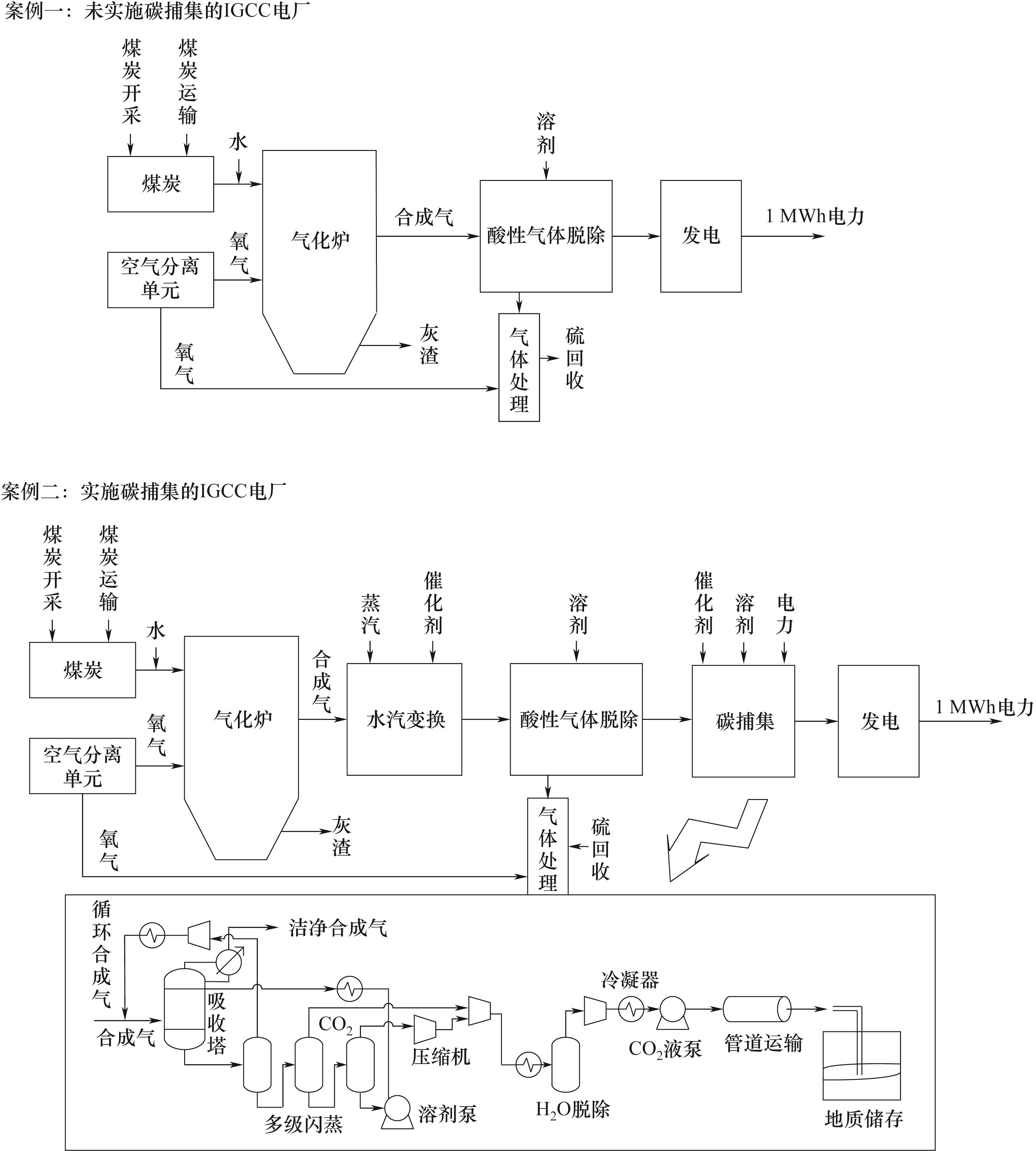
Fig.1 System boundary of IGCC power plant without/with CCS
| 单元 | 机组参数 | 案例一 | 案例二 |
|---|---|---|---|
| 空分单元 | 氧气流量/(kg/MWh) | 281.7 | 332.7 |
| 氧气纯度/%(体积) | 95 | 95 | |
| 氧气出口压力/MPa | 4 | 4 | |
| 气化炉 | 类型 | GE(水煤浆激冷) | GE(水煤浆激冷) |
| 运行温度/℃ | 1343 | 1343 | |
| 运行压力/MPa | 4.24 | 4.24 | |
| 水煤浆进料比例/(mol H2O/mol C) | 0.45 | 0.45 | |
| 氧化剂进料比例/(mol O2/mol C) | 0.43 | 0.43 | |
| 酸性气体脱除 | 溶剂 | Selexol | Selexol |
| COS转化率/% | 98.5 | 98.5 | |
| H2S去除率/% | 98 | 98 | |
| COS去除率/% | 33 | 33 | |
| CO2去除率/% | 15 | 15 | |
| 水汽变换 | CO转化率/% | — | 95 |
| COS转化率/% | — | 98.5 | |
| 碳捕集 | 溶剂 | — | Selexol |
| CO2捕集率/% | — | 95 | |
| H2S去除率/% | — | 94 | |
| 管道运输 | 距离/km | — | 100 |
| 入口压力/MPa | — | 13.79 | |
| 出口压力/MPa | — | 11.94 | |
| 发电单元 | 燃气轮机功率/MW | 235 | 228 |
| 汽轮机功率/MW | 107 | 108 | |
| 总功率/MW | 342 | 336 | |
| 净功率/MW | 289.2 | 262.8 |
Table 3 Main parameters of IGCC power plants
| 单元 | 机组参数 | 案例一 | 案例二 |
|---|---|---|---|
| 空分单元 | 氧气流量/(kg/MWh) | 281.7 | 332.7 |
| 氧气纯度/%(体积) | 95 | 95 | |
| 氧气出口压力/MPa | 4 | 4 | |
| 气化炉 | 类型 | GE(水煤浆激冷) | GE(水煤浆激冷) |
| 运行温度/℃ | 1343 | 1343 | |
| 运行压力/MPa | 4.24 | 4.24 | |
| 水煤浆进料比例/(mol H2O/mol C) | 0.45 | 0.45 | |
| 氧化剂进料比例/(mol O2/mol C) | 0.43 | 0.43 | |
| 酸性气体脱除 | 溶剂 | Selexol | Selexol |
| COS转化率/% | 98.5 | 98.5 | |
| H2S去除率/% | 98 | 98 | |
| COS去除率/% | 33 | 33 | |
| CO2去除率/% | 15 | 15 | |
| 水汽变换 | CO转化率/% | — | 95 |
| COS转化率/% | — | 98.5 | |
| 碳捕集 | 溶剂 | — | Selexol |
| CO2捕集率/% | — | 95 | |
| H2S去除率/% | — | 94 | |
| 管道运输 | 距离/km | — | 100 |
| 入口压力/MPa | — | 13.79 | |
| 出口压力/MPa | — | 11.94 | |
| 发电单元 | 燃气轮机功率/MW | 235 | 228 |
| 汽轮机功率/MW | 107 | 108 | |
| 总功率/MW | 342 | 336 | |
| 净功率/MW | 289.2 | 262.8 |
| 辅机 | 功率/MW | |
|---|---|---|
| 案例一 | 案例二 | |
| ASU | 37.92 | 39.98 |
| 气化炉 | 3.87 | 4.15 |
| 合成气净化 | 4.25 | 5.06 |
| 其他 | 6.84 | 6.71 |
| 水汽变换 | 0 | -12.98 |
| CO2捕集 | 0 | 29.81 |
Table 4 Auxiliary power requirements of IGCC power plant without/with carbon capture
| 辅机 | 功率/MW | |
|---|---|---|
| 案例一 | 案例二 | |
| ASU | 37.92 | 39.98 |
| 气化炉 | 3.87 | 4.15 |
| 合成气净化 | 4.25 | 5.06 |
| 其他 | 6.84 | 6.71 |
| 水汽变换 | 0 | -12.98 |
| CO2捕集 | 0 | 29.81 |
| 烟气成分 | 案例一 | 案例二 |
|---|---|---|
| N2 | 64.89%(体积) | 66.69%(体积) |
| O2 | 9.98%(体积) | 10.19%(体积) |
| H2O | 15.01%(体积) | 21.93%(体积) |
| CO2 | 9.95%(体积) | 1.01%(体积) |
| Ar | 0.15%(体积) | 0.16%(体积) |
| HCl | 3350×10-6 | 3470×10-6 |
| SO2 | 708×10-6 | 86.3×10⁻⁶ |
| NO | 855×10-6 | 855×10-6 |
| NO2 | 44.9×10⁻⁶ | 44.9×10⁻⁶ |
Table 5 Flue gas compositions of IGCC power plant without/with CCS
| 烟气成分 | 案例一 | 案例二 |
|---|---|---|
| N2 | 64.89%(体积) | 66.69%(体积) |
| O2 | 9.98%(体积) | 10.19%(体积) |
| H2O | 15.01%(体积) | 21.93%(体积) |
| CO2 | 9.95%(体积) | 1.01%(体积) |
| Ar | 0.15%(体积) | 0.16%(体积) |
| HCl | 3350×10-6 | 3470×10-6 |
| SO2 | 708×10-6 | 86.3×10⁻⁶ |
| NO | 855×10-6 | 855×10-6 |
| NO2 | 44.9×10⁻⁶ | 44.9×10⁻⁶ |
| 参数 | 数值 |
|---|---|
| 煤炭开采 | |
| 电力/(MJ/t) | 91.04 |
| 水/(kg/t) | 1672 |
| 钢材/(kg/t) | 2.59 |
| 木材/(kg/t) | 2.78 |
| 汽油/(kg/t) | 0.37 |
| 柴油/(kg/t) | 0.26 |
| 煤炭洗选 | |
| 电力/(MJ/t) | 15.66 |
| 水/(kg/t) | 2730 |
| 锰/(kg/t) | 2.72 |
| 煤炭运输 | |
| 运输方式 | 铁路 + 公路 |
| 运输距离/km | 100 |
Table 6 Inventory in coal supply
| 参数 | 数值 |
|---|---|
| 煤炭开采 | |
| 电力/(MJ/t) | 91.04 |
| 水/(kg/t) | 1672 |
| 钢材/(kg/t) | 2.59 |
| 木材/(kg/t) | 2.78 |
| 汽油/(kg/t) | 0.37 |
| 柴油/(kg/t) | 0.26 |
| 煤炭洗选 | |
| 电力/(MJ/t) | 15.66 |
| 水/(kg/t) | 2730 |
| 锰/(kg/t) | 2.72 |
| 煤炭运输 | |
| 运输方式 | 铁路 + 公路 |
| 运输距离/km | 100 |
| 消耗 | 消耗数值 | 排放 | 排放数值 | |
|---|---|---|---|---|
| 混凝土 | 1.25 kg/MWh | 氨 | 1.55×10⁻⁶ kg/MWh | |
| 铝板 | 5.19×10¹⁰-3 kg/MWh | 二氧化碳 | 7.71×10⁻¹ kg/MWh | |
| 钢管 | 2.17×10⁻² kg/MWh | 一氧化碳 | 2.97×10⁻³ kg/MWh | |
| 钢板 | 1.58×10⁻¹ kg/MWh | 灰尘 | 8.32×10⁻⁴ kg/MWh | |
| 铁 | 2.94×10⁻³ kg/MWh | 铅 | 3.31×10⁻⁸ kg/MWh | |
| 电力 | 6.69×10⁻³ MJ/MWh | 汞 | 5.83×10⁻⁴ kg/MWh | |
| 热能 | 1.71×10⁻³ MJ/MWh | 甲烷 | 1.61×10⁻³ kg/MWh | |
| 氮氧化物 | 1.76×10⁻⁵ kg/MWh | |||
| 二氧化硫 | 2.76×10⁻³ kg/MWh | |||
| 六氟化硫 | 9.06×10⁻¹² kg/MWh | |||
| 挥发性有机化合物 | 6.08×10⁻⁵ kg/MWh | |||
Table 7 Inventory in IGCC plant construction
| 消耗 | 消耗数值 | 排放 | 排放数值 | |
|---|---|---|---|---|
| 混凝土 | 1.25 kg/MWh | 氨 | 1.55×10⁻⁶ kg/MWh | |
| 铝板 | 5.19×10¹⁰-3 kg/MWh | 二氧化碳 | 7.71×10⁻¹ kg/MWh | |
| 钢管 | 2.17×10⁻² kg/MWh | 一氧化碳 | 2.97×10⁻³ kg/MWh | |
| 钢板 | 1.58×10⁻¹ kg/MWh | 灰尘 | 8.32×10⁻⁴ kg/MWh | |
| 铁 | 2.94×10⁻³ kg/MWh | 铅 | 3.31×10⁻⁸ kg/MWh | |
| 电力 | 6.69×10⁻³ MJ/MWh | 汞 | 5.83×10⁻⁴ kg/MWh | |
| 热能 | 1.71×10⁻³ MJ/MWh | 甲烷 | 1.61×10⁻³ kg/MWh | |
| 氮氧化物 | 1.76×10⁻⁵ kg/MWh | |||
| 二氧化硫 | 2.76×10⁻³ kg/MWh | |||
| 六氟化硫 | 9.06×10⁻¹² kg/MWh | |||
| 挥发性有机化合物 | 6.08×10⁻⁵ kg/MWh | |||
| 消耗 | 消耗数值 | 排放 | 排放数值 |
|---|---|---|---|
| 混凝土 | 7.96×10⁻³ kg/MWh | 二氧化碳 | 6.74×10⁻¹ kg/MWh |
| 铝板 | 2.06×10⁻⁵ kg/MWh | 二氧化硫 | 6.25×10⁻² kg/MWh |
| 钢板 | 1.67×10⁻⁵ kg/MWh | 氮氧化物 | 4.19×10⁻² kg/MWh |
| 铁 | 3.42×10⁻⁵ kg/MWh | 一氧化碳 | 1.78×10⁻² kg/MWh |
| 电力 | 4.21×10⁻⁴ MJ/MWh |
Table 8 Inventory in CCS construction
| 消耗 | 消耗数值 | 排放 | 排放数值 |
|---|---|---|---|
| 混凝土 | 7.96×10⁻³ kg/MWh | 二氧化碳 | 6.74×10⁻¹ kg/MWh |
| 铝板 | 2.06×10⁻⁵ kg/MWh | 二氧化硫 | 6.25×10⁻² kg/MWh |
| 钢板 | 1.67×10⁻⁵ kg/MWh | 氮氧化物 | 4.19×10⁻² kg/MWh |
| 铁 | 3.42×10⁻⁵ kg/MWh | 一氧化碳 | 1.78×10⁻² kg/MWh |
| 电力 | 4.21×10⁻⁴ MJ/MWh |
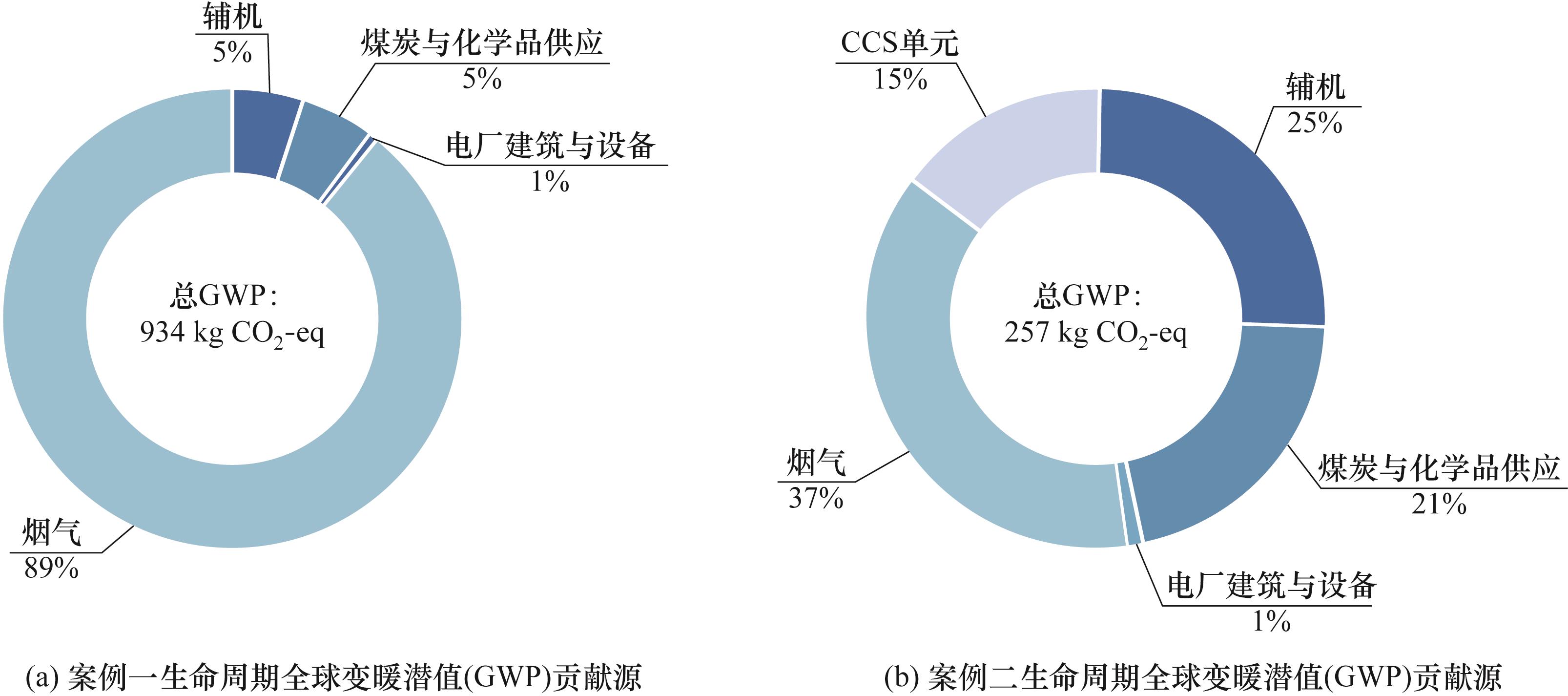
Fig.2 Life cycle GWP contributors of IGCC power plants without/with CCS
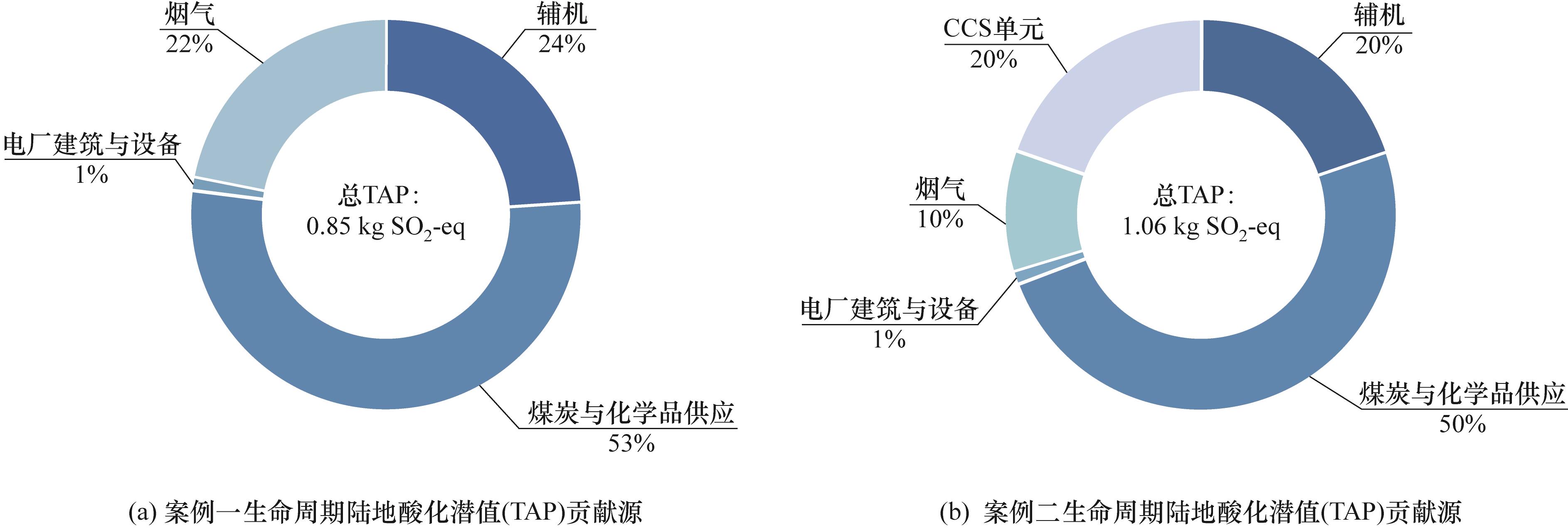
Fig.3 Life cycle TAP contributors of IGCC power plants without/with CCS
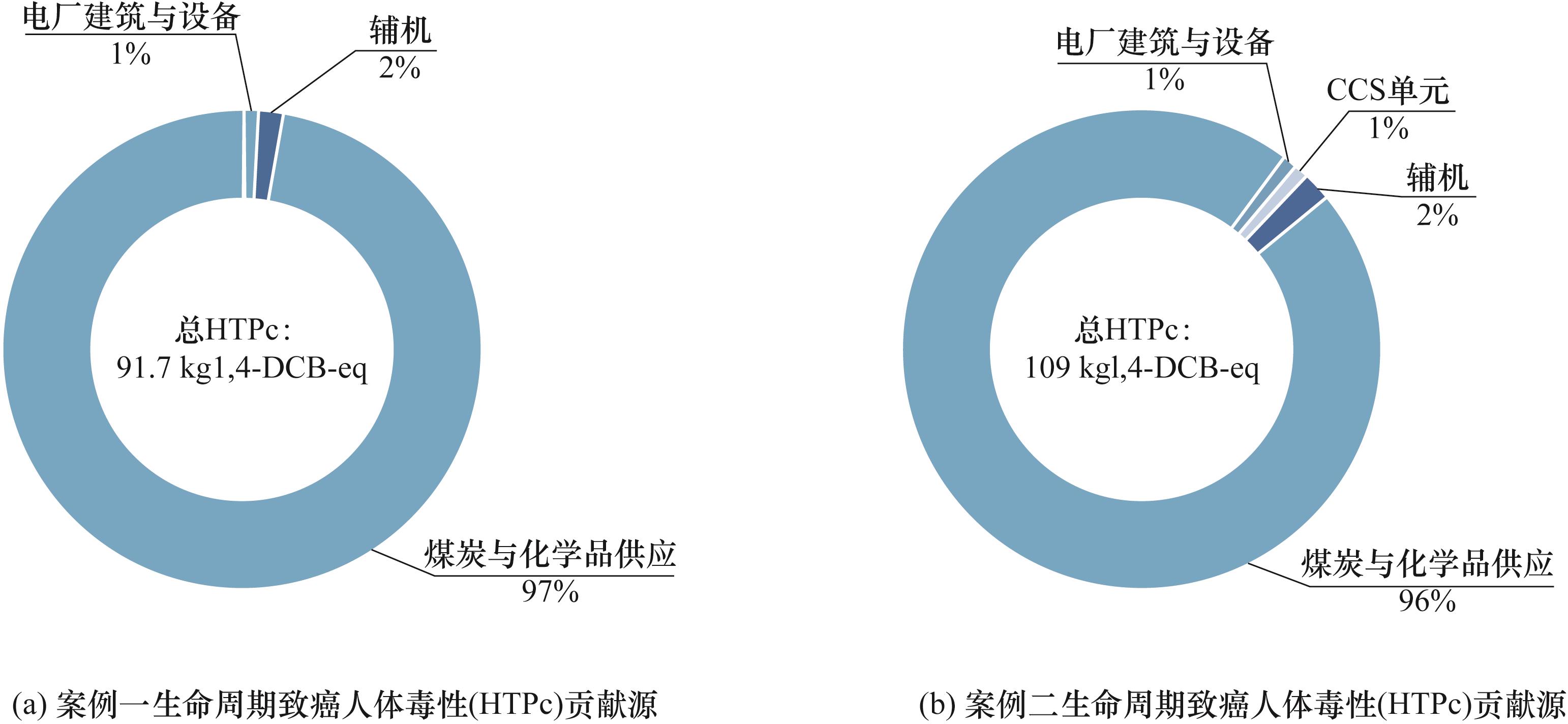
Fig.4 Life cycle HTPc contributors of IGCC power plants without/with CCS
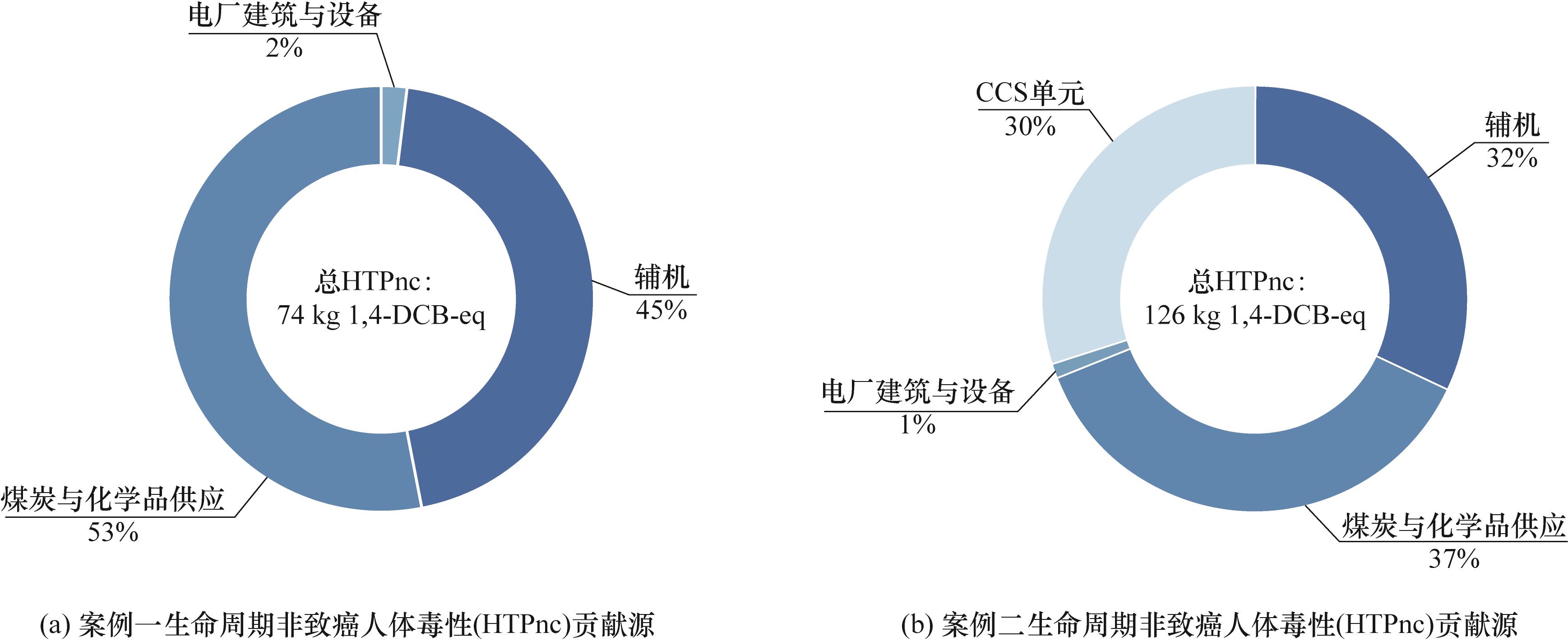
Fig.5 Life cycle HTPnc contributors of IGCC power plants without/with CCS
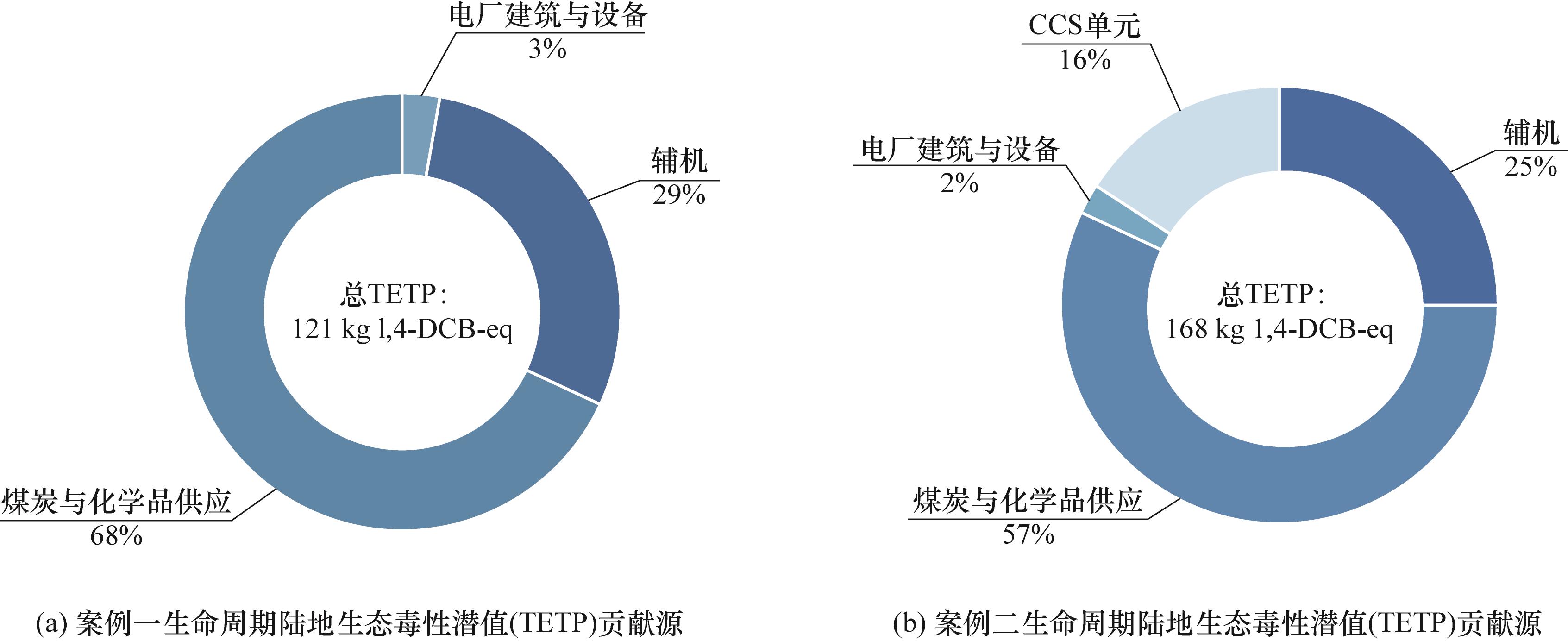
Fig.6 Life cycle TETP contributors of IGCC power plants without/with CCS
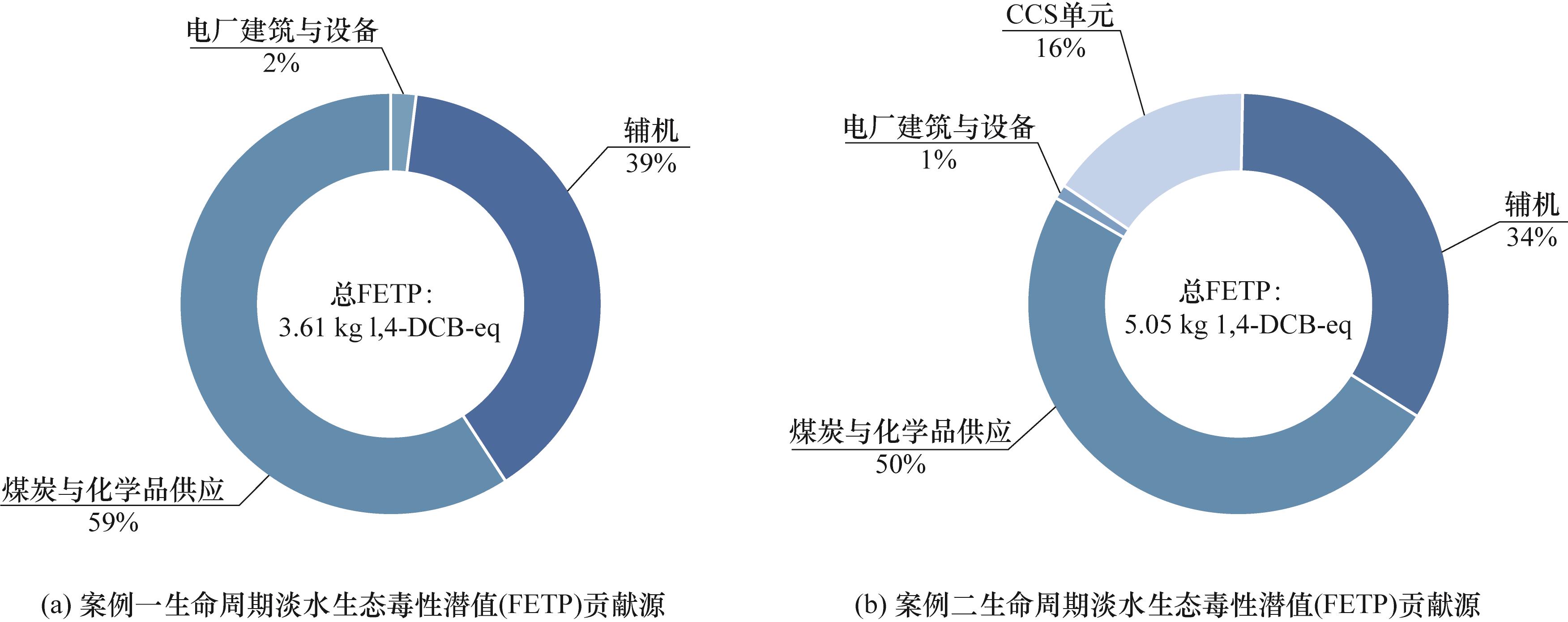
Fig.7 Life cycle FETP contributors of IGCC power plants without/with CCS
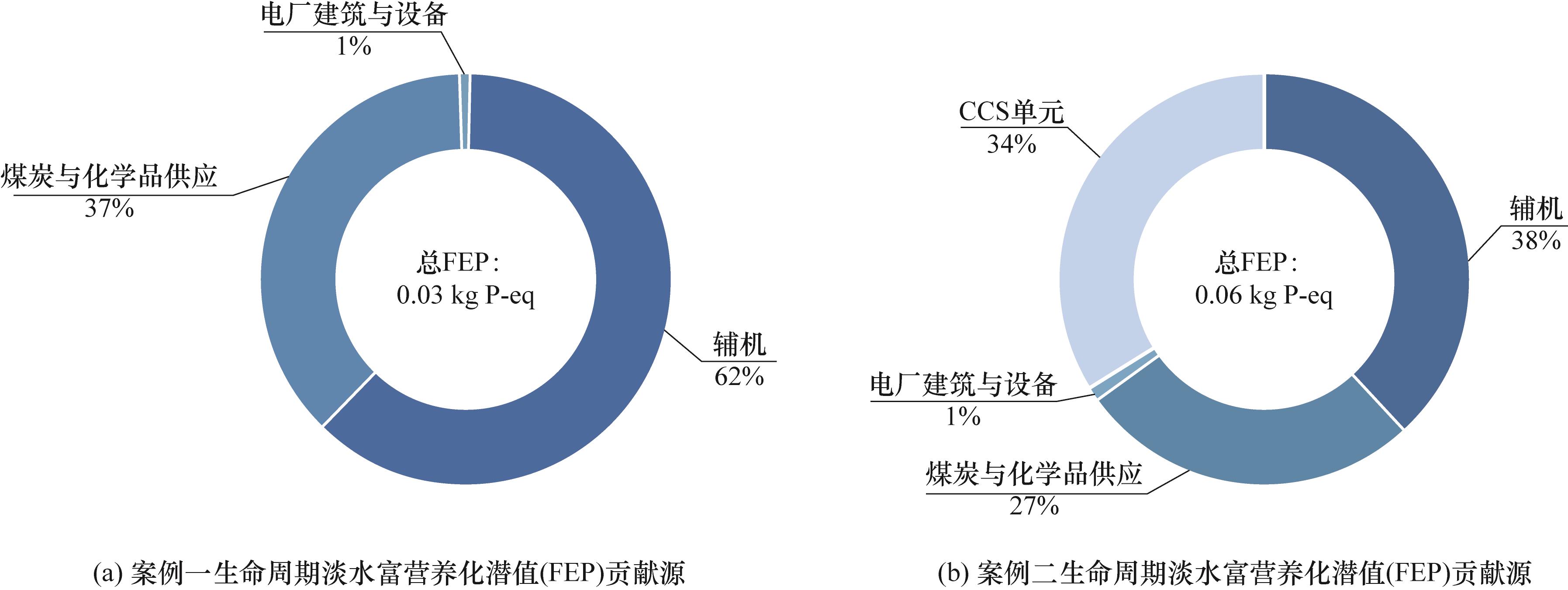
Fig.8 Life cycle FEP contributors of IGCC power plants without/with CCS
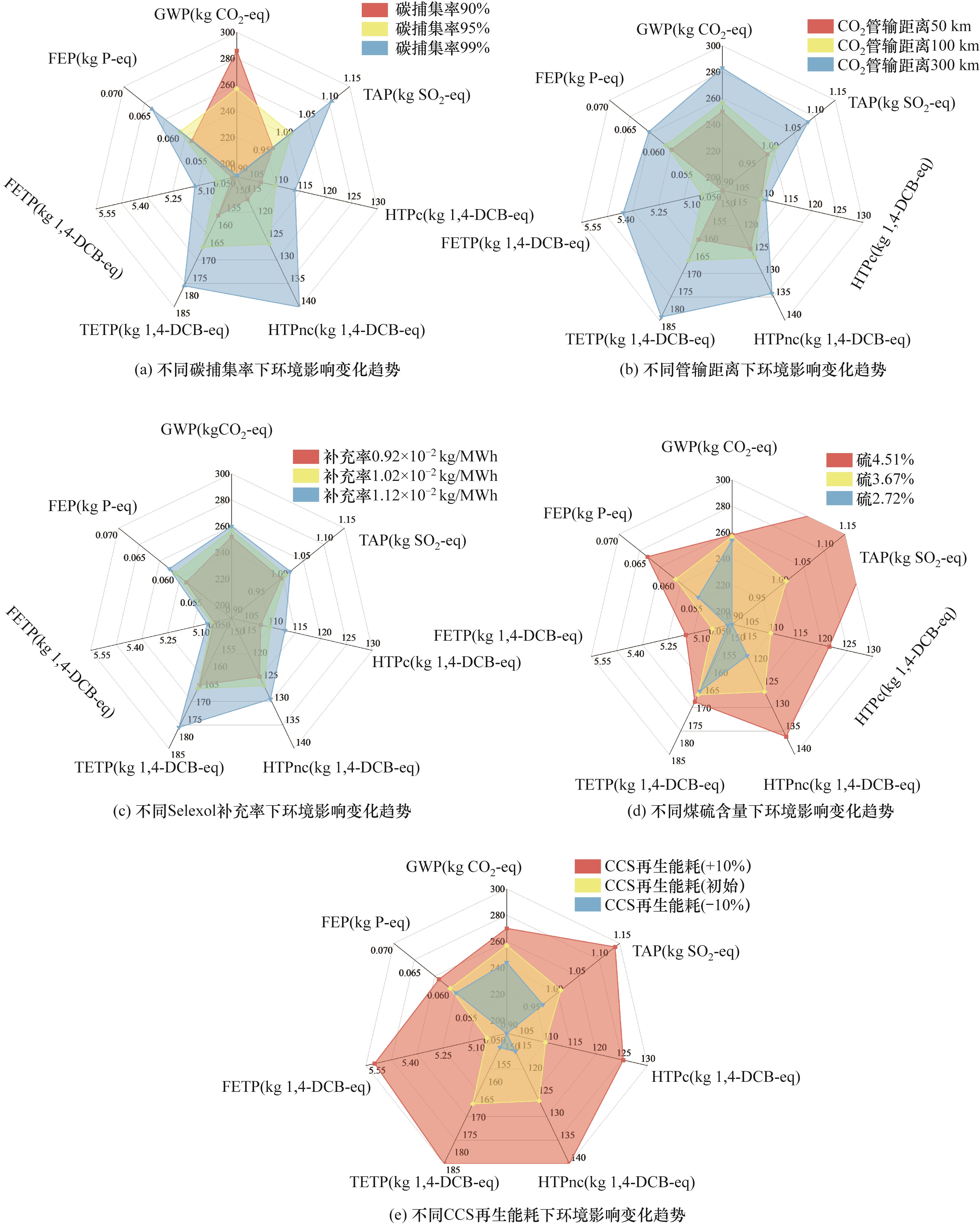
Fig.9 Sensitivity analysis of operation parameters
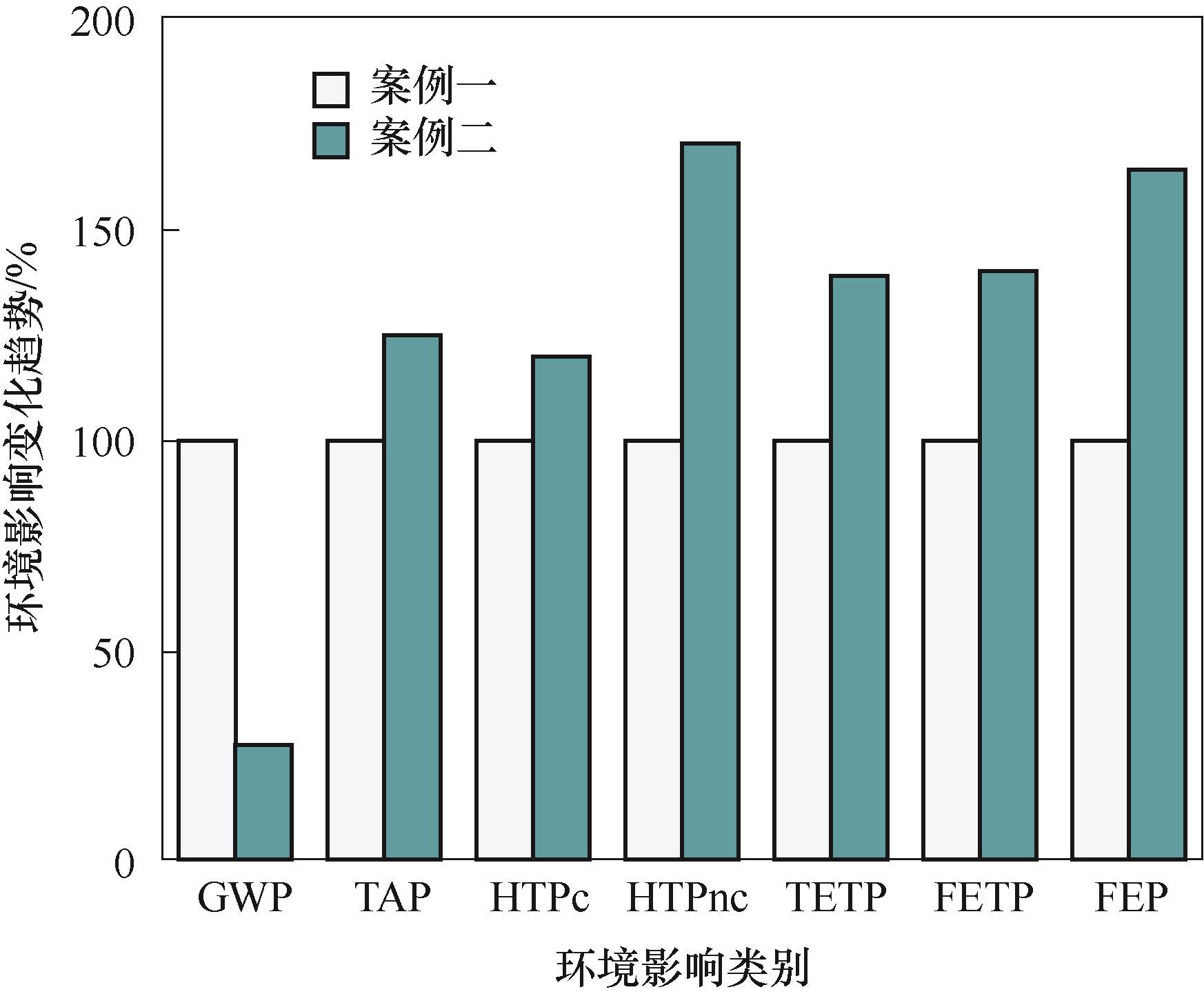
Fig.10 Environmental impacts of IGCC plants without/with carbon capture
| [1] | IEA. CO2 Emissions in 2023[EB/OL]. Paris: International Energy Agency, 2024[2025-05-05]. . |
| [2] | 张金良, 贾凡. 中国火电行业多模型碳达峰情景预测[J]. 电力建设, 2022, 43(5): 8-28. |
| Zhang J L, Jia F. Multi-model carbon peak scenario prediction for thermal power industry in China[J]. Electric Power Construction, 2022, 43(5): 18-28. | |
| [3] | 单思珂, 刘含笑, 刘美玲, 等. 我国火电行业碳足迹评估综述[J]. 发电技术, 2024, 45(4): 575-589. |
| Shan S K, Liu H X, Liu M L, et al. Review of carbon footprint for thermal power industry in China[J]. Power Generation Technology, 2024, 45(4): 575-589. | |
| [4] | 国家能源局. 2023年全国电力工业统计数据[R]. 中国: 国家能源局, 2024. |
| National Energy Administration. Statistical data of the national electric power industry in 2023[R]. China: NEA, 2024. | |
| [5] | 中国电力企业联合会. 中国电力行业年度发展报告2024[R]. 中国: 中国电力企业联合会, 2024. |
| China Electricity Council. Annual development report of China's electric power industry 2024[R]. China: CEC, 2024. | |
| [6] | 周宏春. 新型能源体系破解能源保供与降碳双重压力研究与探讨[J]. 中国煤炭, 2023, 49(5): 1-10. |
| Zhou H C. Research and discussion on breaking the dual pressure of energy supply guarantee and carbon reduction by the new energy system[J]. China Coal, 2023, 49(5): 1-10. | |
| [7] | 潘家华, 陈梦玫, 刘保留. 净零碳转型的主要路径及其优化集成[J]. 中国人口·资源与环境, 2023, 33 (11): 1-12. |
| Pan J H, Chen M M, Liu B L. Main paths of the net-zero carbon transition and optimal integration[J]. China Population, Resources and Environment, 2023, 33 (11): 1-12. | |
| [8] | 舒印彪, 赵勇, 赵良, 等. “双碳”目标下我国能源电力低碳转型路径[J]. 中国电机工程学报, 2023, 43(5): 1663-1672. |
| Shu Y B, Zhao Y, Zhao L, et al. Study on low carbon energy transition path toward carbon peak and carbon neutrality[J]. Proceedings of the CSEE, 2023, 43(5): 1663-1672. | |
| [9] | 张全斌, 周琼芳. 基于“双碳”目标的中国火力发电技术发展路径研究[J]. 发电技术, 2023, 44(2): 143-154. |
| Zhang Q B, Zhou Q F. Research on the development path of China's thermal power generation technology based on the goal of “carbon peak and carbon neutralization”[J]. Power Generation Technology, 2023, 44(2): 143-154. | |
| [10] | Xu G, Yang Y P, Ding J, et al. Analysis and optimization of CO2 capture in an existing coal-fired power plant in China[J]. Energy, 2013, 58: 117-127. |
| [11] | Zhao B, Liu F Z, Cui Z, et al. Enhancing the energetic efficiency of MDEA/PZ-based CO2 capture technology for a 650 MW power plant: process improvement[J]. Applied Energy, 2017, 185: 362-375. |
| [12] | 樊静丽, 李佳, 晏水平, 等. 我国生物质能-碳捕集与封存技术应用潜力分析[J]. 热力发电, 2021, 50(1): 7-17. |
| Fan J L, Li J, Yan S P, et al. Application potential analysis for bioenergy carbon capture and storage technology in China[J]. Thermal Power Generation, 2021, 50(1): 7-17. | |
| [13] | 高明楷, 杨普, 吴海滨, 等. 碳减排情景下燃煤电厂烟气脱硫技术优化及评价方法[J]. 洁净煤技术, 2022, 28(7): 177-188. |
| Gao M K, Yang P, Wu H B, et al. Development of optimization and evaluation methods of flue gas desulfurization technology for coal-fired power plants under carbon emission reduction scenarios[J]. Clean Coal Technology, 2022, 28(7): 177-188. | |
| [14] | Rubin E S, Kalagnanam J R, Frey H C, et al. Integrated environmental control modeling of coal-fired power systems[J]. Journal of the Air & Waste Management Association, 1997, 47(11): 1180-1188. |
| [15] | Gerbelová H, Versteeg P, Ioakimidis C S, et al. The effect of retrofitting Portuguese fossil fuel power plants with CCS[J]. Applied Energy, 2013, 101: 280-287. |
| [16] | 齐国杰, 王淑娟, 余景文, 等. 氨水溶液联合脱除燃煤烟气中CO2和SO2的模拟和经济性分析[J]. 中国电机工程学报, 2013, 33(17): 16-23, 6. |
| Qi G J, Wang S J, Yu J W, et al. Modeling and economic analysis on combined capture of CO2 and SO2 in flue gas using aqueous ammonia[J]. Proceedings of the CSEE, 2013, 33(17): 16-23, 6. | |
| [17] | 岳朴杰, 孟磊, 王长清, 等. 300 MW燃煤电厂生命周期排放气态有机污染物环境影响[J]. 洁净煤技术, 2022, 28(5): 173-181. |
| Yue P J, Meng L, Wang C Q, et al. Environmental impact of gaseous organic pollutants emitted from 300 MW coal-fired power plant during lifecycle[J]. Clean Coal Technology, 2022, 28(5): 173-181. | |
| [18] | 张晓玉. 燃煤电厂烟气超净排放系统生命周期评价研究[D]. 济南: 山东大学, 2018. |
| Zhang X Y. Life cycle assessment research of ultra-clean flue gas emission system in coal-fired power plant[D]. Jinan: Shangdong University, 2018. | |
| [19] | 刘安源, 刘丝雨, 马玉峰. 3种燃煤供暖锅炉环境影响的生命周期评价[J]. 洁净煤技术, 2016, 22(1): 66-70. |
| Liu A Y, Liu S Y, Ma Y F. Comparison of environmental impact for three different coal-fired boilers using life cycle assessment method[J]. Clean Coal Technology, 2016, 22(1): 66-70. | |
| [20] | 樊强, 许世森, 刘沅, 等. 基于IGCC的燃烧前CO2捕集技术应用与示范[J]. 中国电力, 2017, 50(5): 163-167, 184. |
| Fan Q, Xu S S, Liu Y, et al. Application and demonstration of IGCC-Based pre-combustion CO2 capture technology[J]. Electric Power, 2017, 50(5): 163-167, 184. | |
| [21] | 朱宝田. IGCC电站设计集成与动态特性研究[J]. 热力发电, 2009, 38(2): 1-4. |
| Zhu B T. Research on design integration and dynamic characteristics of integrated gasification combined cycle (IGCC) power plants[J]. Thermal Power Generation, 2009, 38(2): 1-4. | |
| [22] | 张浩儒, 张国强, 余建豪, 等. 煤气化特性优化及低碳联合循环发电系统集成研究[J]. 热力发电, 2024, 53(7): 91-100. |
| Zhang H R, Zhang G Q, Yu J H, et al. Study on optimization of coal gasification characteristics and integration of its low carbon combined power generation system[J]. Thermal Power Generation, 2024, 53(7): 91-100. | |
| [23] | National Energy Technology Laboratory. Cost and performance baseline for fossil energy plants. Volume 1: Bituminous coal and natural gas to electricity[R]. America: NETL, 2022. |
| [24] | Zhang Y, Wang N L. Intelligent energy-saving decision making and delicacy management for power enterprises[J]. Applied Mechanics and Materials, 2014, 631/632: 1282-1286. |
| [25] | Tao M, Cheng W Q, Nie K M, et al. Life cycle assessment of underground coal mining in China[J]. Science of the Total Environment, 2022, 805: 150231. |
| [26] | Petrescu L, Cormos C C. Environmental assessment of IGCC power plants with pre-combustion CO2 capture by chemical & calcium looping methods[J]. Journal of Cleaner Production, 2017, 158: 233-244. |
| [27] | Porter R T J, Fairweather M, Kolster C, et al. Cost and performance of some carbon capture technology options for producing different quality CO2 product streams[J]. International Journal of Greenhouse Gas Control, 2017, 57: 185-195. |
| [28] | Xia C Y, Ye B, Jiang J J, et al. Prospect of near-zero-emission IGCC power plants to decarbonize coal-fired power generation in China: implications from the GreenGen project[J]. Journal of Cleaner Production, 2020, 271: 122615. |
| [29] | Liang X Y, Wang Z H, Zhou Z J, et al. Up-to-date life cycle assessment and comparison study of clean coal power generation technologies in China[J]. Journal of Cleaner Production, 2013, 39: 24-31. |
| [30] | Ghoreishi S M, Hedayati A, Ansari K. Experimental investigation and optimization of supercritical carbon dioxide extraction of toxic heavy metals from solid waste using different modifiers and chelating agents[J]. The Journal of Supercritical Fluids, 2016, 117: 131-137. |
| [31] | 葛众, 熊肖, 李健, 等. 基于LCA的有机朗肯循环技术环保性能研究综述[J]. 工程热物理学报, 2024, 45(8): 2262-2276. |
| Ge Z, Xiong X, Li J, et al. A review on full life cycle research of organic Rankine cycle technology[J]. Journal of Engineering Thermophysics, 2024, 45(8): 2262-2276. | |
| [32] | 董志坚, 叶学民, 宋睿哲, 等. 集成ORC的太阳能辅助燃煤碳捕集发电系统全生命周期分析[J]. 动力工程学报, 2022, 42(7): 647-656. |
| Dong Z J, Ye X M, Song R Z, et al. Life cycle assessment of coal-fired solar-assisted carbon capture power generation system integrated with ORC[J]. Journal of Chinese Society of Power Engineering, 2022, 42(7): 647-656. | |
| [33] | Zhao H J, Dong J L, Chen S J, et al. Metal-organic frameworks and their composites for carbon dioxide capture: recent advances and challenges[J]. Fuel, 2024, 378: 132973. |
| [34] | 宋鑫, 贝耀平, 袁丙青, 等. 水上光伏电站对淮南采煤沉陷积水区水生态环境的影响[J]. 水资源保护, 2022, 38(5): 204-211. |
| Song X, Bei Y P, Yuan B Q, et al. Influence of floating photovoltaic power plants on water ecological environment in coal mining subsidence water area of Huainan City[J]. Water Resources Protection, 2022, 38(5): 204-211. |
| [1] | Hao LIU, Lin WANG, Hao DING, Jiayi GENG. Vapor-liquid equilibrium study of R1150+R1234ze(E) binary system at 223.15—253.15 K [J]. CIESC Journal, 2025, 76(S1): 1-8. |
| [2] | Xiaoguang MI, Guogang SUN, Hao CHENG, Xiaohui ZHANG. Performance simulation model and validation of printed circuit natural gas cooler [J]. CIESC Journal, 2025, 76(S1): 426-434. |
| [3] | Hao HUANG, Wen WANG, Peiyun LI. Research on properties of wankel expanders under series connection [J]. CIESC Journal, 2025, 76(S1): 435-443. |
| [4] | Haolei DUAN, Haoyuan CHEN, Kunfeng LIANG, Lin WANG, Bin CHEN, Yong CAO, Chenguang ZHANG, Shuopeng LI, Dengyu ZHU, Yaru HE, Dapeng YANG. Performance analysis and comprehensive evaluation of thermal management system schemes with low GWP refrigerants [J]. CIESC Journal, 2025, 76(S1): 54-61. |
| [5] | Wenfeng ZHANG, Wei GUO, Xinyu ZHANG, Haomin CAO, Guoliang DING. Model development and software implementation of the aluminum tube and aluminum fin heat exchanger [J]. CIESC Journal, 2025, 76(S1): 84-92. |
| [6] | Junpeng WANG, Jiaqi FENG, Enbo ZHANG, Bofeng BAI. Study on flow and cavitation characteristic in zigzag and array labyrinth valve core structures [J]. CIESC Journal, 2025, 76(S1): 93-105. |
| [7] | Ziqing ZANG, Xiuzhen LI, Yingying TAN, Xiaoqing LIU. Investigation on effect of fractionation on performance of two-stage separation-based auto-cascade refrigeration cycle [J]. CIESC Journal, 2025, 76(S1): 17-25. |
| [8] | Zixiang ZHAO, Zhongdi DUAN, Haoran SUN, Hongxiang XUE. Numerical modelling of water hammer induced by two phase flow with large temperature difference [J]. CIESC Journal, 2025, 76(S1): 170-180. |
| [9] | Hao HUANG, Wen WANG, Longkun HE. Simulation and analysis on precooling process of membrane LNG carriers [J]. CIESC Journal, 2025, 76(S1): 187-194. |
| [10] | Siyuan WANG, Guoqiang LIU, Tong XIONG, Gang YAN. Characteristics of non-uniform wind velocity distribution in window air conditioner axial fans and their impact on optimizing condenser circuit optimization [J]. CIESC Journal, 2025, 76(S1): 205-216. |
| [11] | Qingtai CAO, Songyuan GUO, Jianqiang LI, Zan JIANG, Bin WANG, Rui ZHUAN, Jingyi WU, Guang YANG. Numerical study on influence of perforated plate on retention performance of liquid oxygen tank under negative gravity [J]. CIESC Journal, 2025, 76(S1): 217-229. |
| [12] |
Jichao GUO, Xiaoxiao XU, Yunlong SUN.
Airflow simulation and optimization based on |
| [13] | Jiuchun SUN, Yunlong SANG, Haitao WANG, Hao JIA, Yan ZHU. Study on influence of jet flow on slurry transport characteristics in slurry chamber of shield tunneling machines [J]. CIESC Journal, 2025, 76(S1): 246-257. |
| [14] | Yifan SHI, Gang KE, Hao CHEN, Xiaosheng HUANG, Fang YE, Chengjiao LI, Hang GUO. Simulation of temperature control in large-scale high and low temperature environmental laboratory [J]. CIESC Journal, 2025, 76(S1): 268-280. |
| [15] | Ting HE, Shuyang HUANG, Kun HUANG, Liqiong CHEN. Research on the coupled process of natural gas chemical absorption decarbonization and high temperature heat pump based on waste heat utilization [J]. CIESC Journal, 2025, 76(S1): 297-308. |
| Viewed | ||||||
|
Full text |
|
|||||
|
Abstract |
|
|||||