CIESC Journal ›› 2025, Vol. 76 ›› Issue (9): 4499-4511.DOI: 10.11949/0438-1157.20250102
• Special Column: Modeling and Simulation in Process Engineering • Previous Articles Next Articles
Yilei ZHOU( ), Zhi LI(), Xin PENG
Received:2025-02-04
Revised:2025-02-21
Online:2025-10-23
Published:2025-09-25
Contact:
Zhi LI
周轶磊(), 李智(), 彭鑫
通讯作者:
李智
作者简介:周轶磊(2000—),男,硕士研究生,flysnake1121@qq.com
基金资助:CLC Number:
Yilei ZHOU, Zhi LI, Xin PENG. Design of self-optimizing control structure for continuous catalytic reforming reaction process based on surrogate model[J]. CIESC Journal, 2025, 76(9): 4499-4511.
周轶磊, 李智, 彭鑫. 基于代理模型的连续重整反应过程自优化控制结构设计[J]. 化工学报, 2025, 76(9): 4499-4511.
Add to citation manager EndNote|Ris|BibTeX
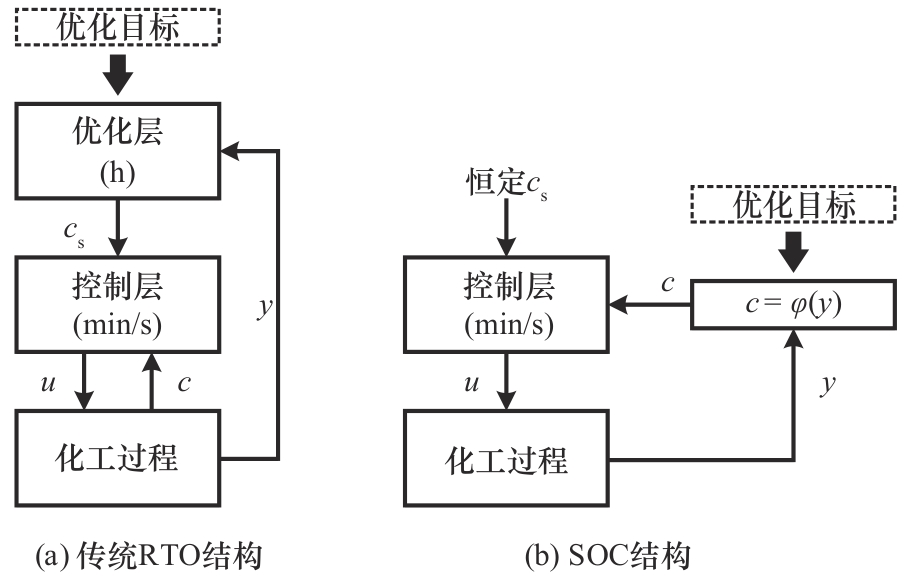
Fig. 1 Comparison of the two hierarchical control structures

Fig. 2 Flow diagram of the CCR reaction process
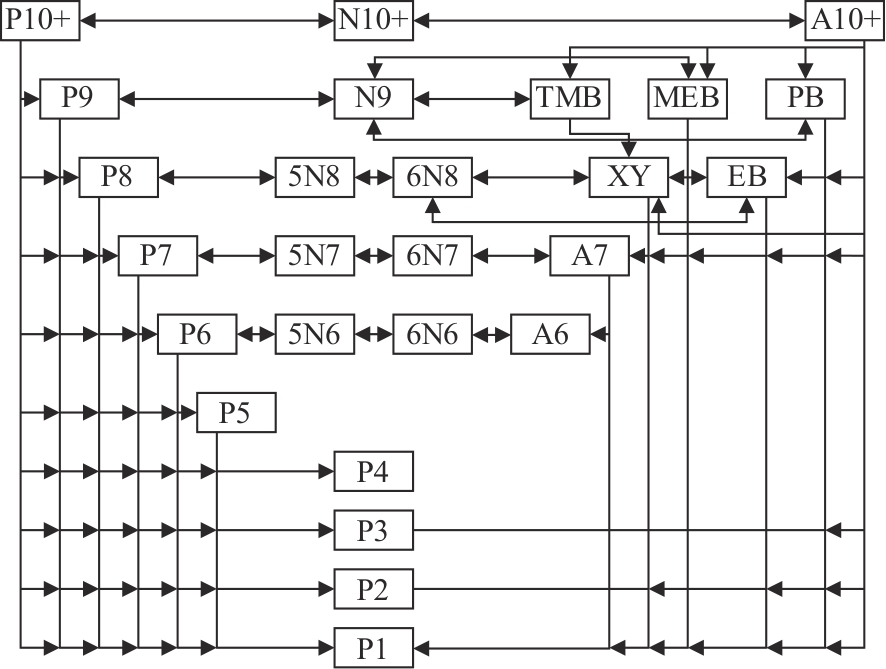
Fig. 3 27 lumped reaction network of catalytic reforming[29]
| 步骤 | 具体操作 |
|---|---|
| 1 | 使用Monte Carlo模拟方法对扰动空间进行采样,生成N个 扰动场景 di,i=1,2,…,N。 |
| 2 | 选择一个参考点,估计该处的增益矩阵 |
| 3 | 对每个扰动场景求解操作优化问题,以求得最优测量值 |
| 4 | 根据 |
Table 1 The workflow of the gSOC algorithm
| 步骤 | 具体操作 |
|---|---|
| 1 | 使用Monte Carlo模拟方法对扰动空间进行采样,生成N个 扰动场景 di,i=1,2,…,N。 |
| 2 | 选择一个参考点,估计该处的增益矩阵 |
| 3 | 对每个扰动场景求解操作优化问题,以求得最优测量值 |
| 4 | 根据 |
| 步骤 | 具体操作 |
|---|---|
| 1 | 使用Monte Carlo模拟方法对扰动空间进行采样,生成N个 扰动场景 di,i=1,2,…,N。 |
| 2 | 选择一个参考点,估计该处的增益矩阵 |
| 3 | 采用2.2节所述方法构建经济目标函数J( u, d )的Kriging代 理模型。 |
| 4 | 基于代理模型,对每个扰动场景求解操作优化问题,得最优 操作 |
| 5 | 将 |
| 6 | 根据 |
Table 2 The workflow of the improved gSOC algorithm based on a surrogate model
| 步骤 | 具体操作 |
|---|---|
| 1 | 使用Monte Carlo模拟方法对扰动空间进行采样,生成N个 扰动场景 di,i=1,2,…,N。 |
| 2 | 选择一个参考点,估计该处的增益矩阵 |
| 3 | 采用2.2节所述方法构建经济目标函数J( u, d )的Kriging代 理模型。 |
| 4 | 基于代理模型,对每个扰动场景求解操作优化问题,得最优 操作 |
| 5 | 将 |
| 6 | 根据 |
| 编号 | 描述 | 范围 |
|---|---|---|
| D1 | 原料芳烃潜含量 | ±20.00% |
| D2 | 循环氢气流量 | ±20.00% |
| D3 | 第4反应器入口温度 | ±2.00% |
| D4 | 第1反应器入口温度 | ±2.00% |
| D5 | 第2反应器入口温度 | ±2.00% |
| D6 | 第3反应器入口温度 | ±2.00% |
Table 3 Disturbances considered in this study
| 编号 | 描述 | 范围 |
|---|---|---|
| D1 | 原料芳烃潜含量 | ±20.00% |
| D2 | 循环氢气流量 | ±20.00% |
| D3 | 第4反应器入口温度 | ±2.00% |
| D4 | 第1反应器入口温度 | ±2.00% |
| D5 | 第2反应器入口温度 | ±2.00% |
| D6 | 第3反应器入口温度 | ±2.00% |
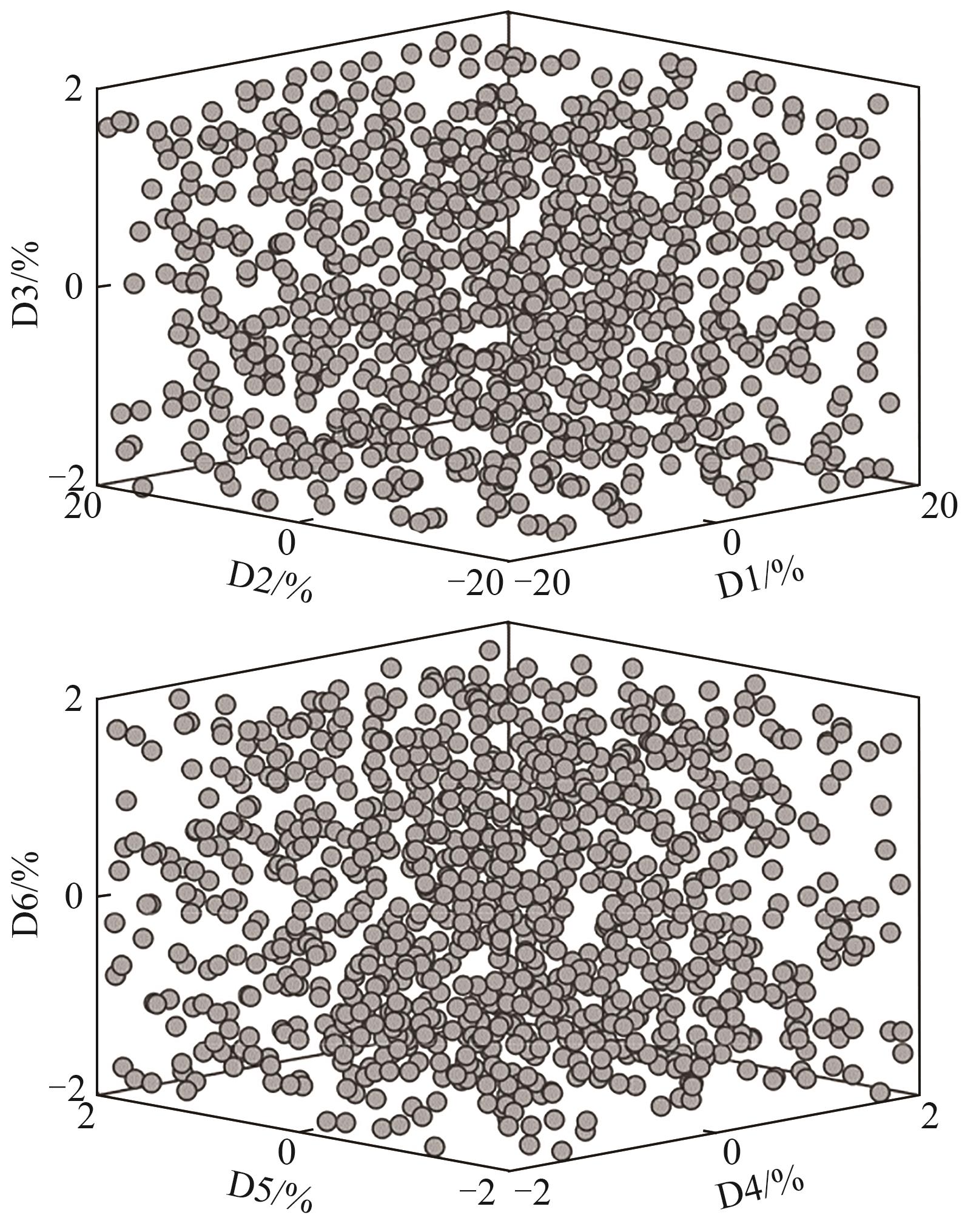
Fig. 4 The distribution of disturbance scenarios in Monte Carlo sampling

Fig. 5 Self-optimizing control structure of the CCR reaction process
| 实验 | 扰动 | 阶跃幅度 | 时刻 |
|---|---|---|---|
| 1 | D1 | +20.00% / -20.00% | 2 h |
| 2 | D2 | +20.00% / -20.00% | 2 h |
| 3 | D3 | +2.00% / -2.00% | 2 h |
| 4 | D4 | +2.00% / -2.00% | 3 h |
| D5 | +2.00% / -2.00% | 5 h | |
| D6 | +2.00% / -2.00% | 7 h | |
| 5 | D1 | -18.89% / 11.73% | 2 h |
| D2 | -16.07% / 15.63% | 2 h | |
| D3 | 0.88% / -1.82% | 2 h |
Table 4 Description of dynamic simulation experiments
| 实验 | 扰动 | 阶跃幅度 | 时刻 |
|---|---|---|---|
| 1 | D1 | +20.00% / -20.00% | 2 h |
| 2 | D2 | +20.00% / -20.00% | 2 h |
| 3 | D3 | +2.00% / -2.00% | 2 h |
| 4 | D4 | +2.00% / -2.00% | 3 h |
| D5 | +2.00% / -2.00% | 5 h | |
| D6 | +2.00% / -2.00% | 7 h | |
| 5 | D1 | -18.89% / 11.73% | 2 h |
| D2 | -16.07% / 15.63% | 2 h | |
| D3 | 0.88% / -1.82% | 2 h |
| 扰动场景 | AL-PICS/(kg/d) | AL-SOCS/(kg/d) |
|---|---|---|
| +20% D1 | 129.00 | 7.68 |
| -20% D1 | 206.62 | 4.65 |
| +20% D2 | 389.39 | 8.74 |
| -20% D2 | 379.93 | 1.08 |
| +2% D3 | 1871.87 | 3.94 |
| -2% D3 | 2013.55 | 0.28 |
| +2%D4,5,6 | 6570.67 | 0.99 |
| -2% D4,5,6 | 7557.04 | 1.38 |
| dr1 | 2142.68 | 7.96 |
| dr2 | 3407.21 | 1.41 |
Table 5 Steady-state aromatics loss under different disturbance scenarios for two control structures
| 扰动场景 | AL-PICS/(kg/d) | AL-SOCS/(kg/d) |
|---|---|---|
| +20% D1 | 129.00 | 7.68 |
| -20% D1 | 206.62 | 4.65 |
| +20% D2 | 389.39 | 8.74 |
| -20% D2 | 379.93 | 1.08 |
| +2% D3 | 1871.87 | 3.94 |
| -2% D3 | 2013.55 | 0.28 |
| +2%D4,5,6 | 6570.67 | 0.99 |
| -2% D4,5,6 | 7557.04 | 1.38 |
| dr1 | 2142.68 | 7.96 |
| dr2 | 3407.21 | 1.41 |

Fig. 6 The dynamic response in experiment 1
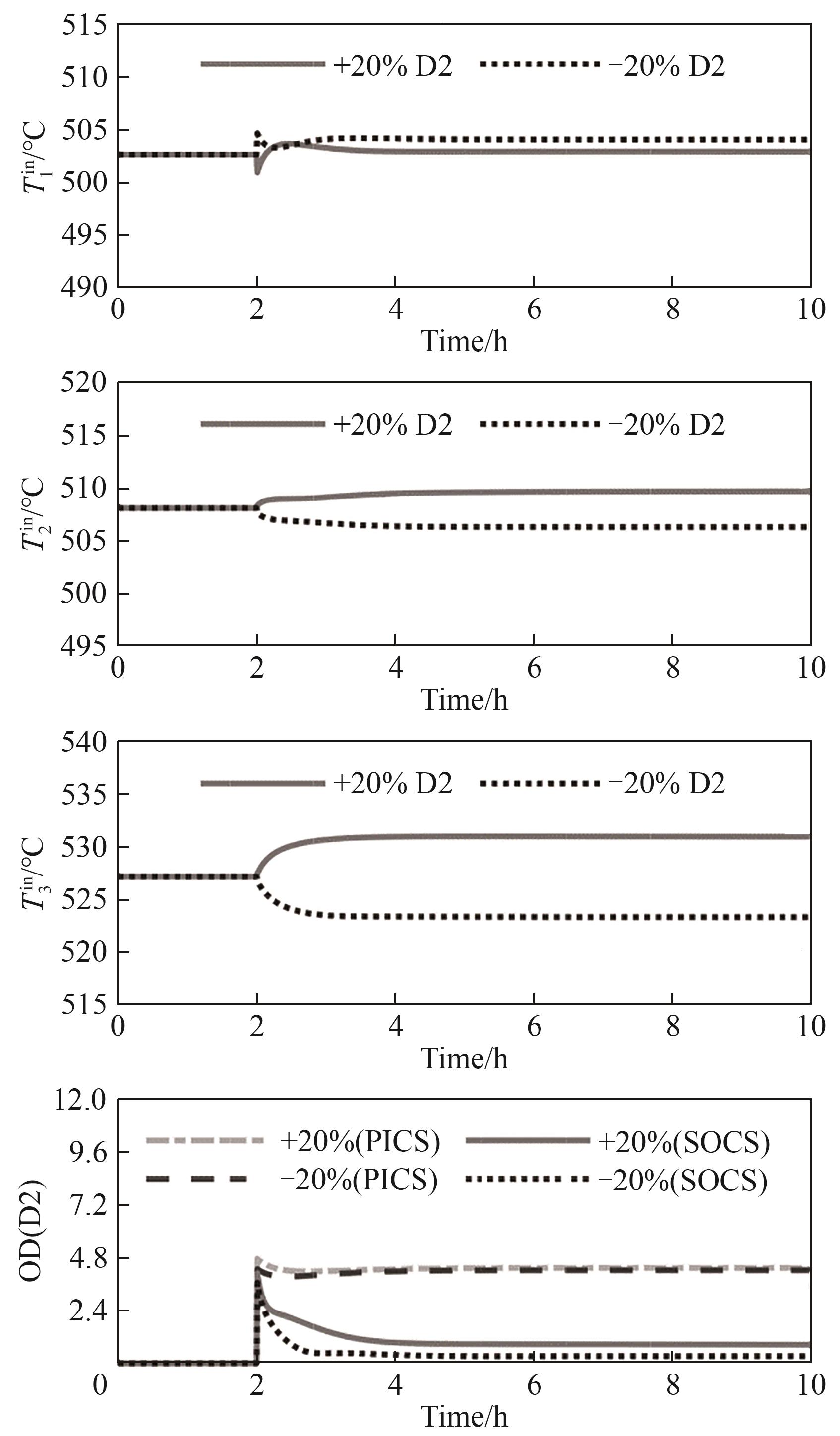
Fig. 7 The dynamic response in experiment 2
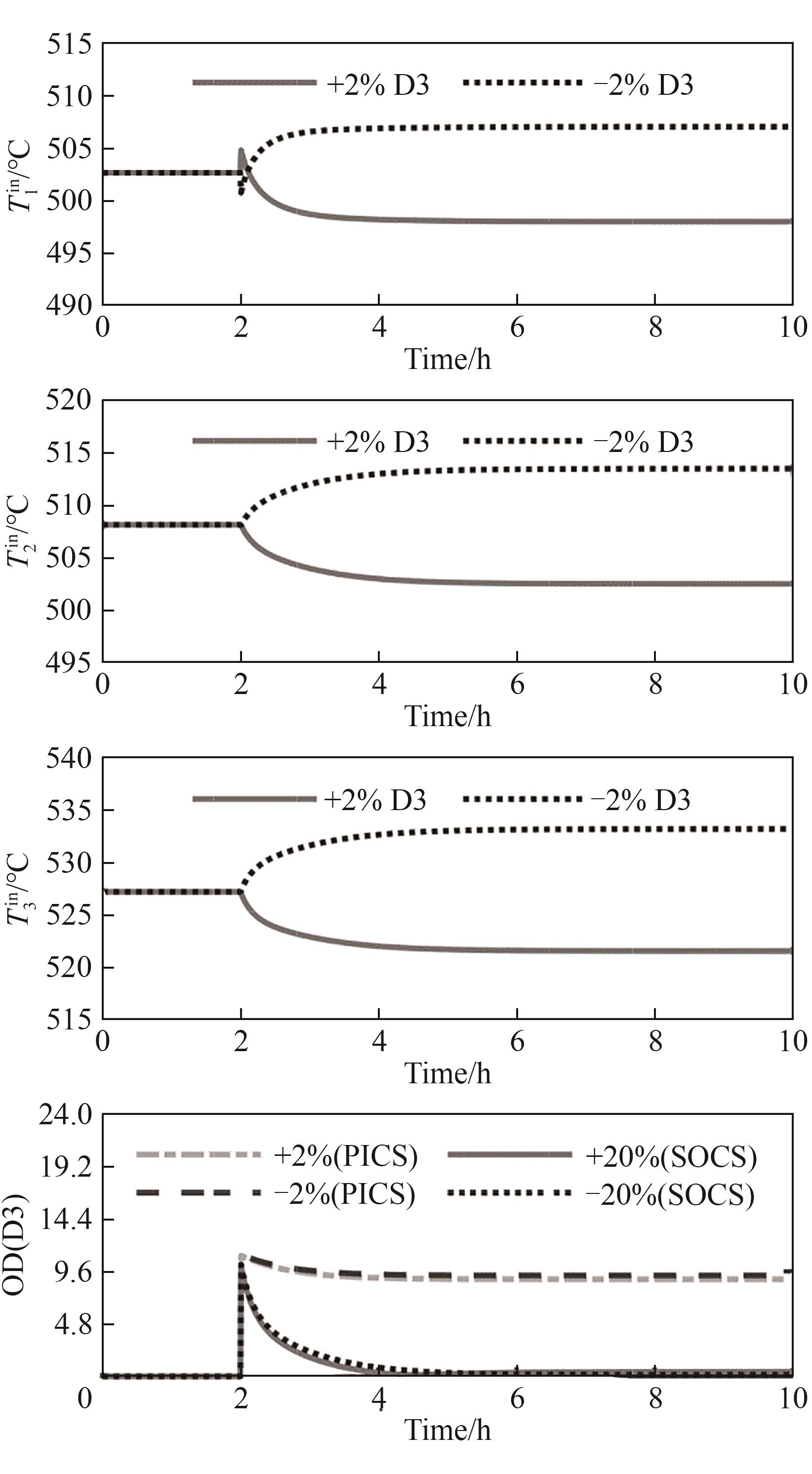
Fig. 8 The dynamic response in experiment 3
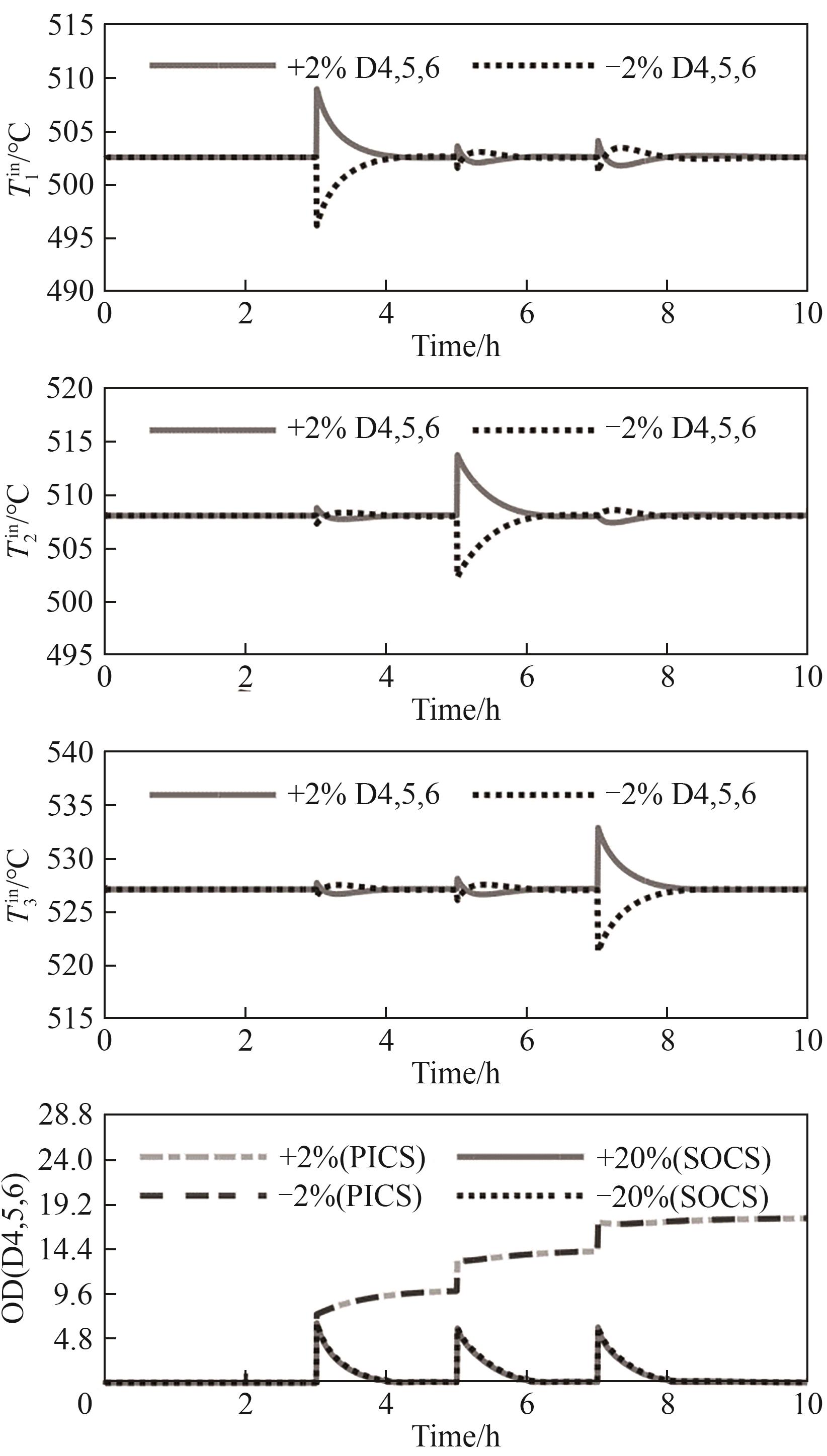
Fig. 9 The dynamic response in experiment 4

Fig. 10 Comparison of the dynamic changes in OD values in experiment 5
| [1] | 孔德金, 杨为民. 芳烃生产技术进展[J]. 化工进展, 2011, 30(1): 16-25. |
| Kong D J, Yang W M. Advance in technology for production of aromatic hydrocarbons[J]. Chemical Industry and Engineering Progress, 2011, 30(1): 16-25. | |
| [2] | 徐承恩. 催化重整工艺与工程[M]. 2版. 北京: 中国石化出版社, 2014: 1-87. |
| Xu C E. Catalytic Reforming Process and Engineering[M]. 2nd ed. Beijing: China Petrochemical Press, 2014: 1-87. | |
| [3] | 孟凡辉, 纪传佳, 杨纪. 惠州石化有限公司连续重整装置工艺流程模拟与优化[J]. 化工进展, 2017, 36(7): 2724-2729. |
| Meng F H, Ji C J, Yang J. Process simulation and optimization for CNOOC Huizhou company's continuous reforming unit[J]. Chemical Industry and Engineering Progress, 2017, 36(7): 2724-2729. | |
| [4] | 宋倩倩, 慕彦君, 侯雨璇, 等. 中美两国石油化工产业实力对比分析[J]. 化工进展, 2020, 39(5): 1607-1619. |
| Song Q Q, Mu Y J, Hou Y X, et al. Comparative analysis of the strength of petrochemical industry between China and USA[J]. Chemical Industry and Engineering Progress, 2020, 39(5): 1607-1619. | |
| [5] | 王钧炎, 黄德先. 基于差分进化算法和HYSYS机理模型的催化重整过程优化[J]. 化工学报, 2008, 59(7): 1755-1760. |
| Wang J Y, Huang D X. Process optimization of catalytic reforming based on differential evolution and HYSYS mechanism model[J]. Journal of Chemical Industry and Engineering (China), 2008, 59(7): 1755-1760. | |
| [6] | 李鸿亮, 陆金桂, 侯卫锋, 等. 基于混合遗传算法的催化重整过程多目标优化[J]. 化工学报, 2010, 61(2): 432-438. |
| Li H L, Lu J G, Hou W F, et al. Multi-objective optimization based on hybrid genetic algorithm for naphtha catalytic reforming process[J]. CIESC Journal, 2010, 61(2): 432-438. | |
| [7] | Wei M, Yang M L, Qian F, et al. Integrated dual-production mode modeling and multiobjective optimization of an industrial continuous catalytic naphtha reforming process[J]. Industrial & Engineering Chemistry Research, 2016, 55(19): 5714-5725. |
| [8] | Ma X C, He C, Chen Q L, et al. Modeling and optimization for the continuous catalytic reforming process based on the hybrid surrogate optimization model[J]. Computers & Chemical Engineering, 2024, 191: 108841. |
| [9] | Chen C Y, Joseph B. On-line optimization using a two-phase approach: an application study[J]. Industrial & Engineering Chemistry Research, 1987, 26(9): 1924-1930. |
| [10] | Wu J G, Xu H L, Zhang C, et al. A sequential Bayesian partitioning approach for online steady-state detection of multivariate systems[J]. IEEE Transactions on Automation Science and Engineering, 2019, 16(4): 1882-1895. |
| [11] | Xie S, Yang C H, Wang X L, et al. A data-driven adaptive multivariate steady state detection strategy for the evaporation process of the sodium aluminate solution[J]. Journal of Process Control, 2018, 68: 145-159. |
| [12] | Xie S, Yang C H, Yuan X F, et al. A novel robust data reconciliation method for industrial processes[J]. Control Engineering Practice, 2019, 83: 203-212. |
| [13] | Matias J, Oliveira J P C, Le Roux G A C, et al. Steady-state real-time optimization using transient measurements on an experimental rig[J]. Journal of Process Control, 2022, 115: 181-196. |
| [14] | Engell S. Feedback control for optimal process operation[J]. Journal of Process Control, 2007, 17(3): 203-219. |
| [15] | Skogestad S. Plantwide control: the search for the self-optimizing control structure[J]. Journal of Process Control, 2000, 10(5): 487-507. |
| [16] | Jäschke J, Cao Y, Kariwala V. Self-optimizing control—a survey[J]. Annual Reviews in Control, 2017, 43: 199-223. |
| [17] | 叶凌箭. 化工过程的自优化控制:原理、发展与应用展望[J]. 化工学报, 2023, 74(11): 4445-4465. |
| Ye L J. Self-optimizing control for chemical processes: principle, developments and outlooks[J]. CIESC Journal, 2023, 74(11): 4445-4465. | |
| [18] | 叶凌箭, 马修水, 宋执环. 不确定性间歇过程的一种实时优化控制方法[J]. 化工学报, 2014, 65(9): 3535-3543. |
| Ye L J, Ma X S, Song Z H. A real-time optimization approach for uncertain batch processes[J]. CIESC Journal, 2014, 65(9): 3535-3543. | |
| [19] | 王平, 赵辉, 杨朝合. 基于多目标优化的两段提升管重油催化裂解自优化控制[J]. 化工学报, 2016, 67(8): 3491-3498. |
| Wang P, Zhao H, Yang C H. Self-optimizing control based on multi-objective optimization for heavy oil catalytic pyrolysis in two-stage riser[J]. CIESC Journal, 2016, 67(8): 3491-3498. | |
| [20] | Jin B, Yao W X, Liu K L, et al. Self-optimizing control and safety assessment to achieve economic and safe operation for oxy-fuel combustion boiler island systems[J]. Applied Energy, 2022, 323: 119397. |
| [21] | 李啸晨, 苏宏业, 谢磊, 等. 全局自优化控制策略及其测量变量子集选择[J]. 化工学报, 2021, 72(3): 1585-1594. |
| Li X C, Su H Y, Xie L, et al. Research on the measurement subset selection for global self-optimizing control strategy[J]. CIESC Journal, 2021, 72(3): 1585-1594. | |
| [22] | Halvorsen I J, Skogestad S, Morud J C, et al. Optimal selection of controlled variables[J]. Industrial & Engineering Chemistry Research, 2003, 42(14): 3273-3284. |
| [23] | Alstad V, Skogestad S. Null space method for selecting optimal measurement combinations as controlled variables[J]. Industrial & Engineering Chemistry Research, 2007, 46(3): 846-853. |
| [24] | Alstad V, Skogestad S, Hori E S. Optimal measurement combinations as controlled variables[J]. Journal of Process Control, 2009, 19(1): 138-148. |
| [25] | Ye L J, Cao Y, Yuan X F. Global approximation of self-optimizing controlled variables with average loss minimization[J]. Industrial & Engineering Chemistry Research, 2015, 54(48): 12040-12053. |
| [26] | 梁超, 张泉灵. 催化重整装置反应器的建模与仿真[J]. 化工学报, 2012, 63(11): 3591-3596. |
| Liang C, Zhang Q L. Modeling and simulation of continuous catalytic reforming reactor[J]. CIESC Journal, 2012, 63(11): 3591-3596. | |
| [27] | Wei M, Yang M L, Qian F, et al. Dynamic modeling and economic model predictive control with production mode switching for an industrial catalytic naphtha reforming process[J]. Industrial & Engineering Chemistry Research, 2017, 56(31): 8961-8971. |
| [28] | Yusuf A Z, John Y M, Aderemi B O, et al. Modelling, simulation and sensitivity analysis of naphtha catalytic reforming reactions[J]. Computers & Chemical Engineering, 2019, 130: 106531. |
| [29] | 周红军, 石铭亮, 翁惠新, 等. 芳烃型催化重整集总反应动力学模型[J]. 石油学报(石油加工), 2009, 25(4): 545-550. |
| Zhou H J, Shi M L, Weng H X, et al. Lumped kinetic model of aromatic type catalytic naphtha reforming[J]. Acta Petrolei Sinica (Petroleum Processing Section), 2009, 25(4): 545-550. | |
| [30] | LimaF S, Alves V M C, Araujo A C B. Metacontrol: a Python based application for self-optimizing control using metamodels[J]. Computers & Chemical Engineering, 2020, 140: 106979. |
| [31] | Khezri V, Panahi M, Yasari E, et al. Application of surrogate models as an alternative to process simulation for implementation of the self-optimizing control procedure on large-scale process plants: a natural gas-to-liquids (GTL) case study[J]. Industrial & Engineering Chemistry Research, 2021, 60(13): 4919-4929. |
| [32] | Sacks J, Welch W J, Mitchell T J, et al. Designs and analysis of computer experiments[J]. Statistical Science, 1989, 4(4): 409-435. |
| [33] | Johnson M E, Moore L M, Ylvisaker D. Minimax and maximin distance designs[J]. Journal of Statistical Planning and Inference, 1990, 26(2): 131-148. |
| [34] | McKay M D, Beckman R J, Conover W J. A comparison of three methods for selecting values of input variables in the analysis of output from a computer code[J]. Technometrics, 2000, 42(1): 55-61. |
| [35] | Murthy Konda N V S N, Rangaiah G P, Krishnaswamy P R. Plantwide control of industrial processes: an integrated framework of simulation and heuristics[J]. Industrial & Engineering Chemistry Research, 2005, 44(22): 8300-8313. |
| [36] | Skogestad S. Control structure design for complete chemical plants[J]. Computers & Chemical Engineering, 2004, 28(1/2): 219-234. |
| [37] | 李艳强. 炼油厂催化重整装置的常见故障综述[J]. 化工设计通讯, 2017, 43(10): 83. |
| Li Y Q. Summarization of common faults in catalytic reforming unit of refinery[J]. Chemical Engineering Design Communications, 2017, 43(10): 83. | |
| [38] | 王洪峰. 重整装置电加热器故障分析及处理[J]. 广东化工, 2020, 47(10): 126, 144. |
| Wang H F. Failure analysis and treatment of electric heater in catalytic reforming unit[J]. Guangdong Chemical Industry, 2020, 47(10): 126, 144. | |
| [39] | Li Z, Zhong W M, Wang X Q, et al. Control structure design of an industrial crude terephthalic acid hydropurification process with catalyst deactivation[J]. Computers & Chemical Engineering, 2016, 88: 1-12. |
| [40] | Vasudevan S, Rangaiah G P. Criteria for performance assessment of plantwide control systems[J]. Industrial & Engineering Chemistry Research, 2010, 49(19): 9209-9221. |
| [1] | Xinquan SHA, Ran HU, Lei DING, Zhenhua JIANG, Yinong WU. Development and testing of an independent two-stage valved linear compressor for space applications [J]. CIESC Journal, 2025, 76(S1): 114-122. |
| [2] | Yifan SHI, Gang KE, Hao CHEN, Xiaosheng HUANG, Fang YE, Chengjiao LI, Hang GUO. Simulation of temperature control in large-scale high and low temperature environmental laboratory [J]. CIESC Journal, 2025, 76(S1): 268-280. |
| [3] | Aihua MA, Shuai ZHAO, Lin WANG, Minghui CHANG. Research on dynamic simulation methods for solar-powered absorption refrigeration cycles [J]. CIESC Journal, 2025, 76(S1): 318-325. |
| [4] | Chengyun WU, Haoran SUN. Performance simulation and fuel penalty investigation of civil aircraft air conditioning systems [J]. CIESC Journal, 2025, 76(S1): 351-359. |
| [5] | Xin XIAO, Geng YANG, Yunfeng WANG. Simulation of solar heat pump system integration of cascade latent heat thermal energy storage based on TRNSYS [J]. CIESC Journal, 2025, 76(S1): 393-400. |
| [6] | Ting HE, Kai ZHANG, Wensheng LIN, Liqiong CHEN, Jiafu CHEN. Research on integrated process of cryogenic CO2 removal under supercritical pressure and liquefaction for biogas [J]. CIESC Journal, 2025, 76(S1): 418-425. |
| [7] | Zhihong JIANG, Qian LEI, Yinjun ZHU, Zhigang LEI, Honglin CHEN. Study on physical property model and enrichment process of trioxane system [J]. CIESC Journal, 2025, 76(9): 4872-4881. |
| [8] | Lu LIU, Wenyue WANG, Teng WANG, Tai WANG, Xinyu DONG, Jiancheng TANG, Shaoheng WANG. Optimization and analysis of hydrogen liquefaction process based on dual mixed refrigerant deep-cooling [J]. CIESC Journal, 2025, 76(9): 4933-4943. |
| [9] | Xu GUO, Jining JIA, Kejian YAO. Modeling of batch distillation process based on optimized CNN-BiLSTM neural network [J]. CIESC Journal, 2025, 76(9): 4613-4629. |
| [10] | Jie WANG, Qucheng LIN, Xianming ZHANG. Global optimization of mixed gas multistage membrane separation system based on decomposition algorithm [J]. CIESC Journal, 2025, 76(9): 4670-4682. |
| [11] | Chunmeng ZHU, Zeng LI, Nan LIU, Yunpeng ZHAO, Xiaogang SHI, Xingying LAN. Fault detection of catalyst loss in FCC disengager based on autoencoder and multi-scale symbolic transfer entropy [J]. CIESC Journal, 2025, 76(9): 4512-4523. |
| [12] | Sanyi WANG, Wenlai HUANG. Modeling and optimization of electrochemical ammonia synthesis [J]. CIESC Journal, 2025, 76(9): 4474-4486. |
| [13] | Xuewen LI, Zhihong WANG, Yang GAO, Ming'ou WU, Wenhao MA, Renmin TAN. Multi-objective optimization of amine-based desulfurization regeneration system integrated with heat pump technology [J]. CIESC Journal, 2025, 76(9): 4563-4577. |
| [14] | Zhengzong HUANG, Kecheng LIU, Zefang LI, Pingsheng ZENG, YongFu LIU, Hongjie YAN, Liu LIU. Numerical simulation and field synergy optimization of brick-built heat exchange chamber in zinc refining furnace [J]. CIESC Journal, 2025, 76(9): 4425-4439. |
| [15] | Shichang LIU, Yibai LI, Jing WANG, Yongzhong LIU. Modular design and optimization of hydrogen-driven electrochemical CO2 capture systems [J]. CIESC Journal, 2025, 76(8): 4108-4118. |
| Viewed | ||||||
|
Full text |
|
|||||
|
Abstract |
|
|||||