CIESC Journal ›› 2025, Vol. 76 ›› Issue (7): 3659-3670.DOI: 10.11949/0438-1157.20241160
• Energy and environmental engineering • Previous Articles Next Articles
Lei WU1( ), Zixuan HU1, Yuan GAO1, Changbo LIU2, Husheng CAO3, Tiantian LIU1, Ruiyu ZHU1, Jun ZHOU1()
Received:2024-10-20
Revised:2025-03-21
Online:2025-08-13
Published:2025-07-25
Contact:
Jun ZHOU
吴雷1(), 胡紫璇1, 高渊1, 刘长波2, 曹虎生3, 刘田田1, 朱瑞玉1, 周军1()
通讯作者:
周军
作者简介:吴雷(1988—),男,博士,讲师,wulei@ xauat.edu.cn
基金资助:CLC Number:
Lei WU, Zixuan HU, Yuan GAO, Changbo LIU, Husheng CAO, Tiantian LIU, Ruiyu ZHU, Jun ZHOU. Oxidation remediation of polycyclic aromatic hydrocarbons contaminated soil by microwave combined with biochar activated persulfate[J]. CIESC Journal, 2025, 76(7): 3659-3670.
吴雷, 胡紫璇, 高渊, 刘长波, 曹虎生, 刘田田, 朱瑞玉, 周军. 微波联合生物炭活化过硫酸盐氧化修复多环芳烃污染土壤研究[J]. 化工学报, 2025, 76(7): 3659-3670.
Add to citation manager EndNote|Ris|BibTeX
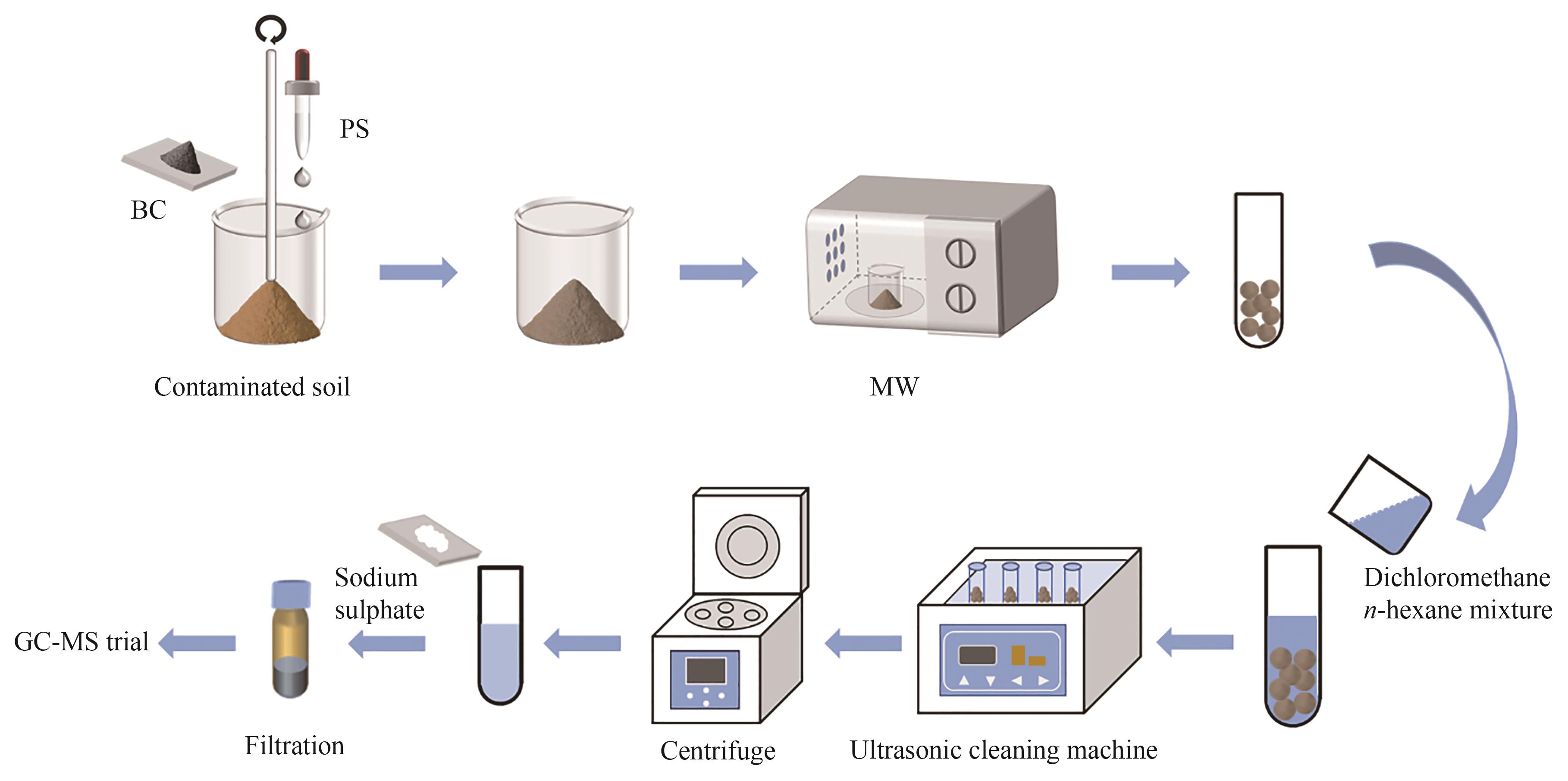
Fig.1 Schematic diagram of microwave combined with biochar activated persulfate oxidative remediation of BaP contaminated soil
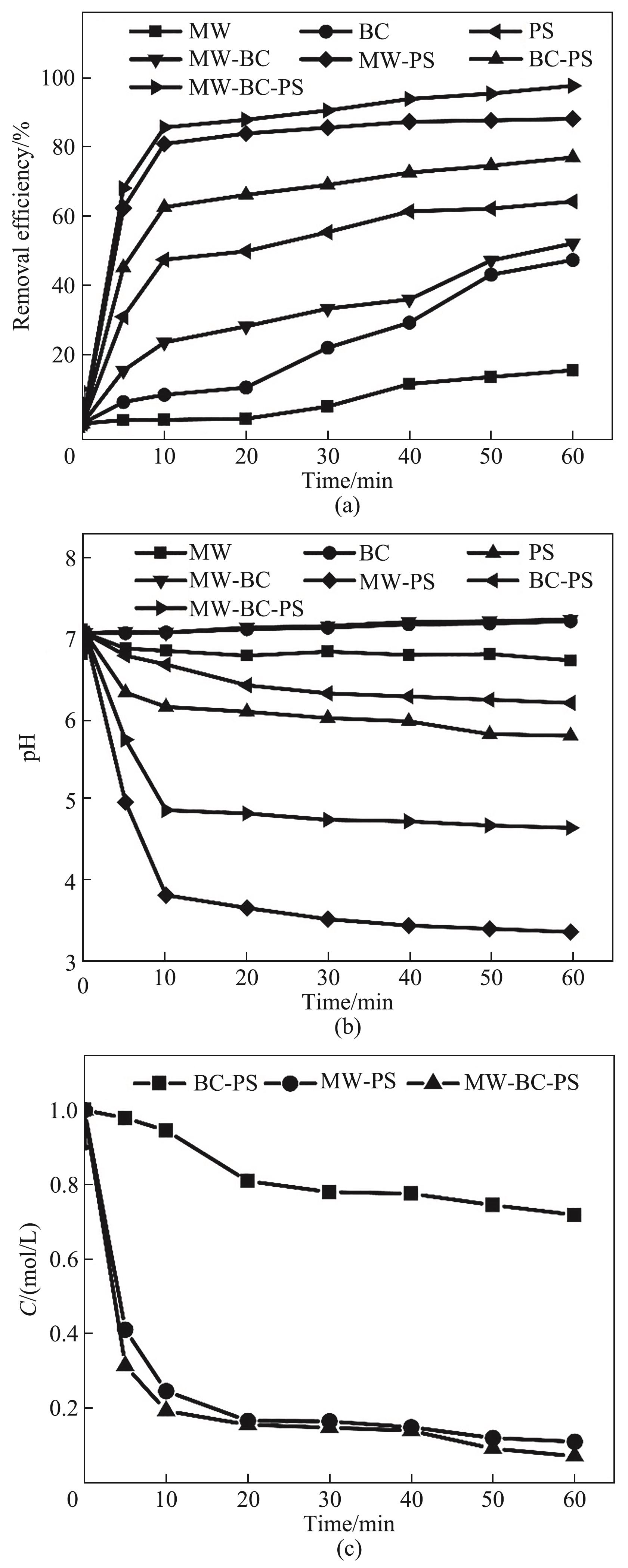
Fig.2 Effects of single and combined process on remediation of BaP-contaminated soil
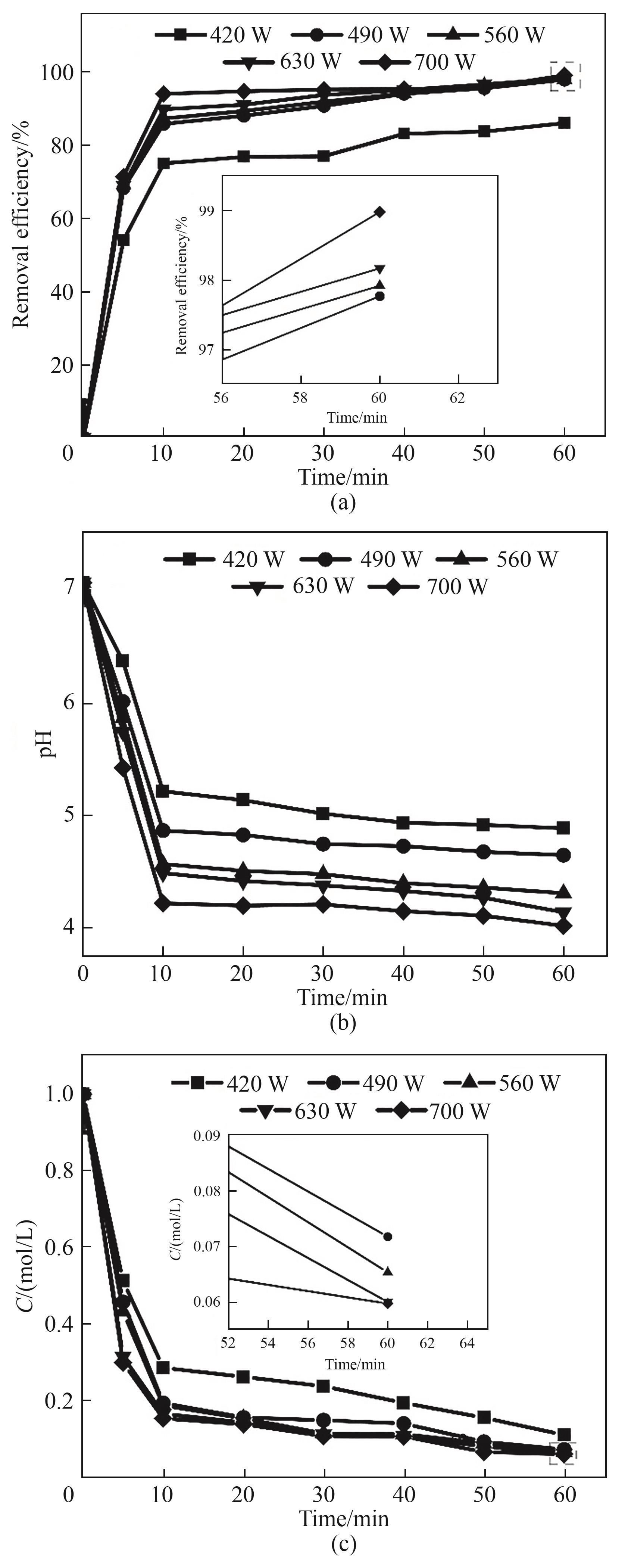
Fig.3 Effects of microwave activation power on remediation of BaP-contaminated soil
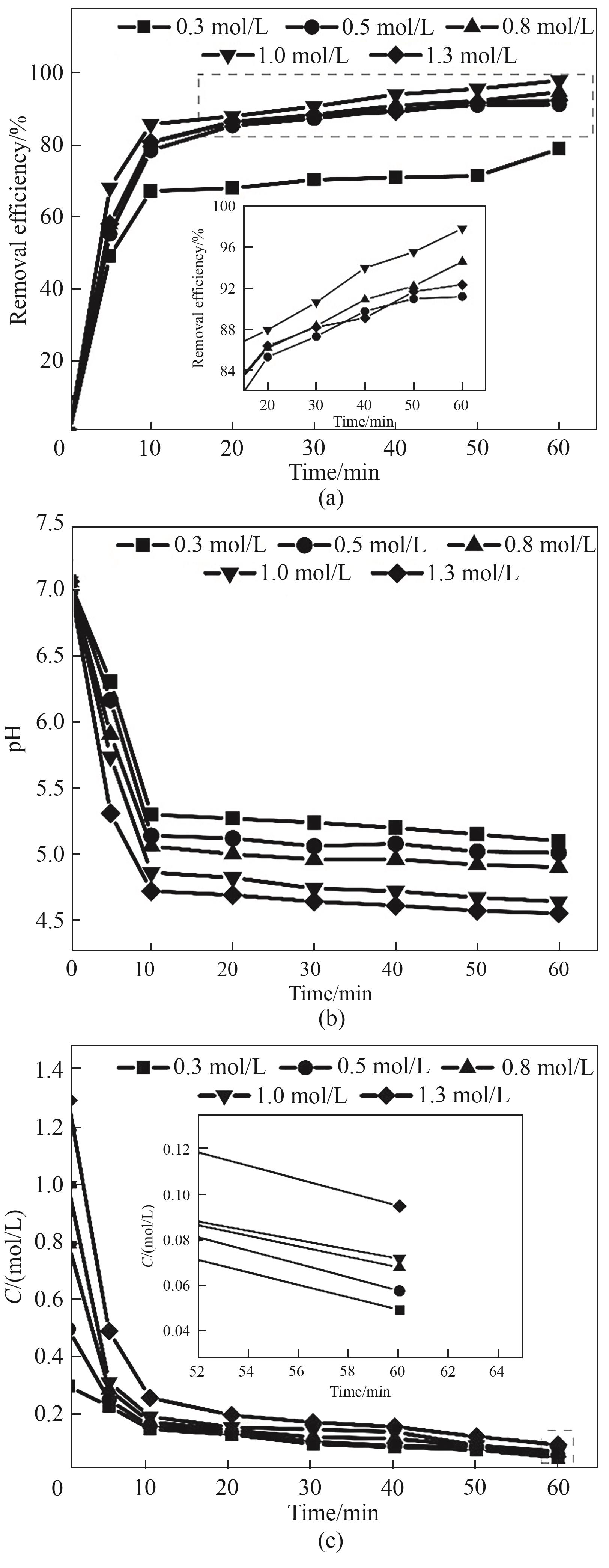
Fig.4 Effects of PS concentration on remediation of BaP-contaminated soil
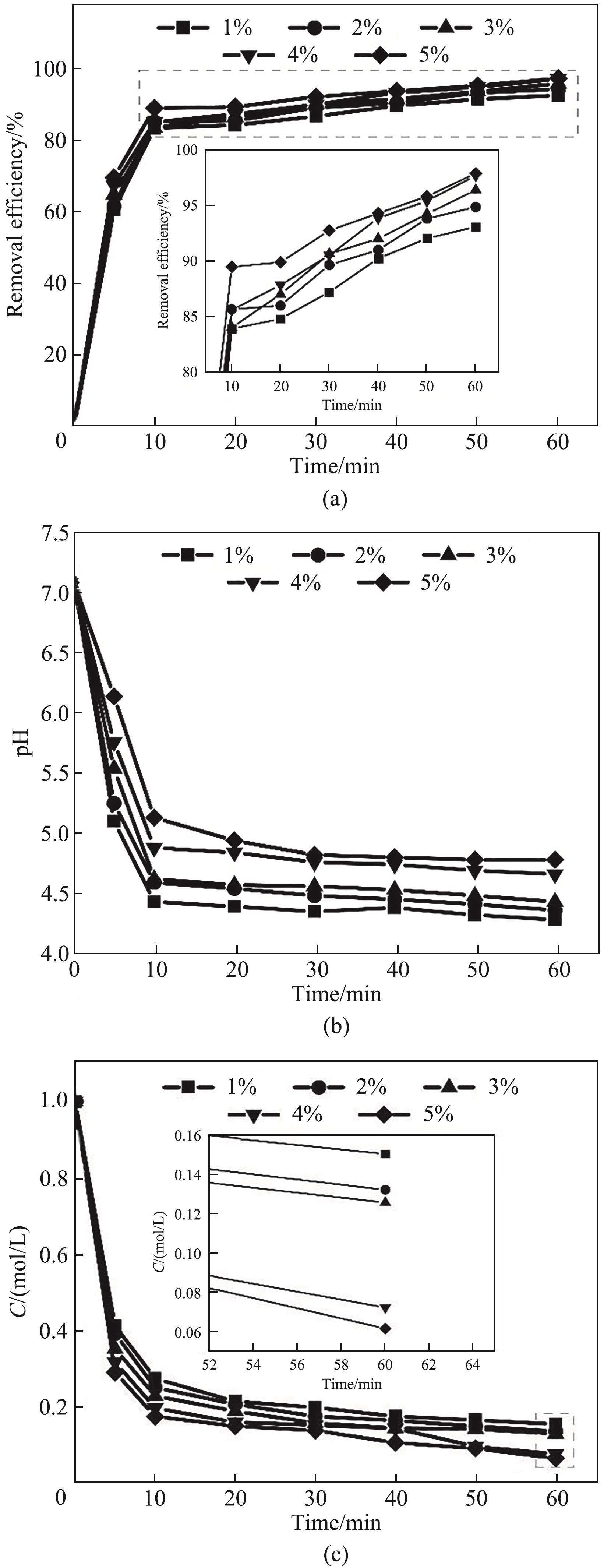
Fig.5 Effects of BC addition on remediation of BaP-contaminated soil
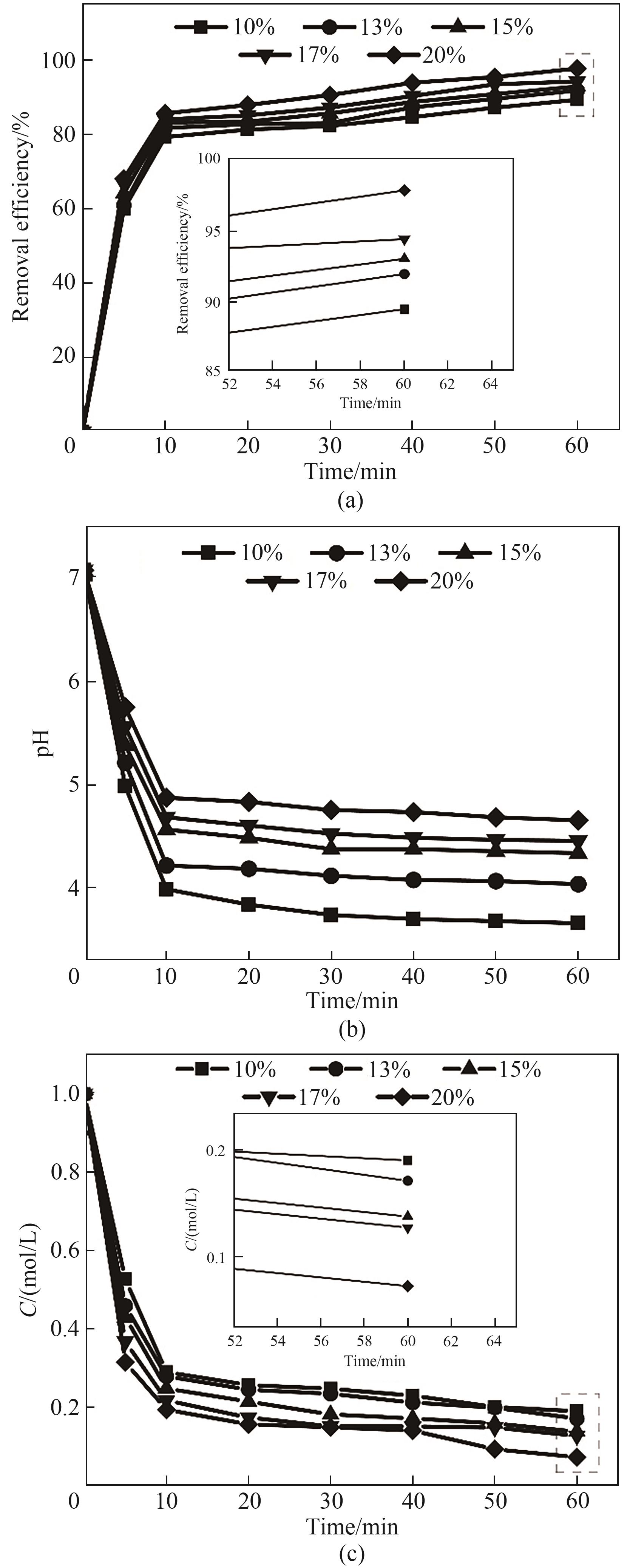
Fig.6 Effects of soil water content on remediation of BaP-contaminated soil
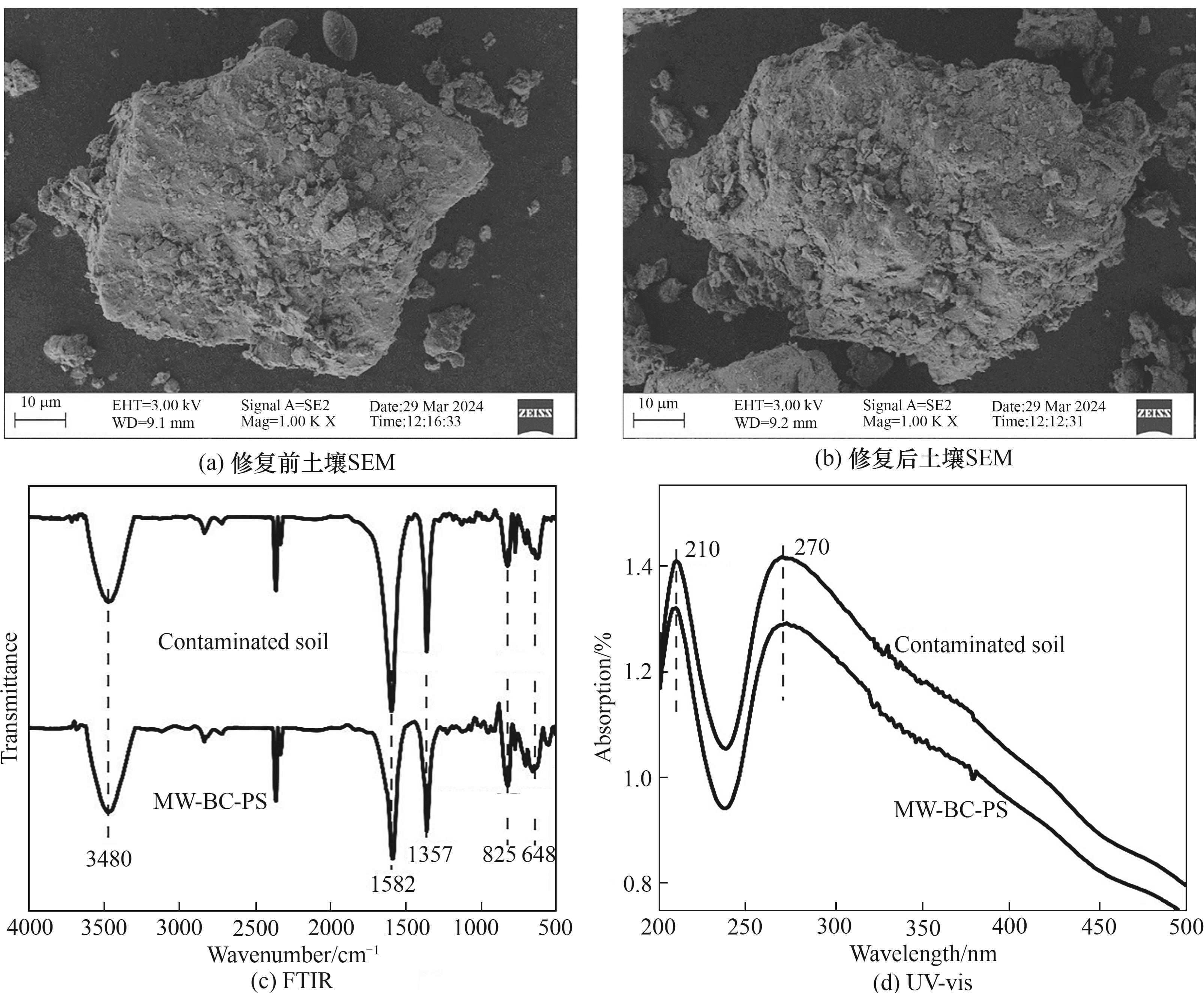
Fig.7 Characteristics of soil before and after oxidative remediation of persulfate by microwave combined with biochar activation
| 土壤样品 | pH | 有机质/ (g/kg) | 机械组分/% | ||
|---|---|---|---|---|---|
| 砂粒 | 黏粒 | 粉粒 | |||
| 原始土壤 | 7.05 | 32.14±0.02 | 60.12 | 23.11 | 16.77 |
| 修复前污染土壤 | 7.08 | 29.12±0.03 | 63.29 | 21.22 | 15.49 |
| 修复后土壤 | 4.65 | 27.22±0.02 | 60.34 | 22.43 | 17.23 |
Table 1 Physicochemical properties of BaP contaminated soil before and after remediation
| 土壤样品 | pH | 有机质/ (g/kg) | 机械组分/% | ||
|---|---|---|---|---|---|
| 砂粒 | 黏粒 | 粉粒 | |||
| 原始土壤 | 7.05 | 32.14±0.02 | 60.12 | 23.11 | 16.77 |
| 修复前污染土壤 | 7.08 | 29.12±0.03 | 63.29 | 21.22 | 15.49 |
| 修复后土壤 | 4.65 | 27.22±0.02 | 60.34 | 22.43 | 17.23 |

Fig.8 Degradation pathways of BaP in microwave combined with biochar activated persulfate oxidative remediation
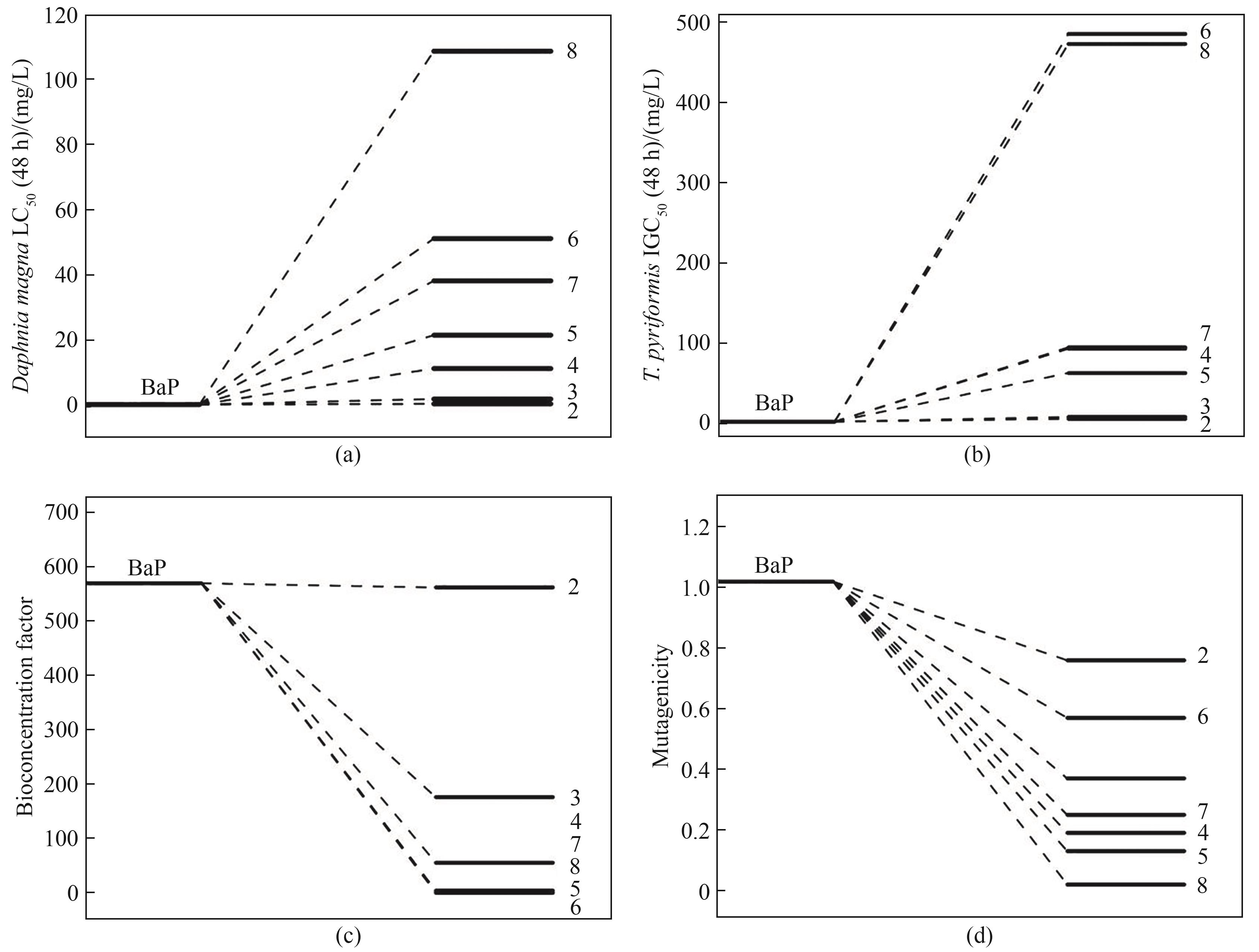
Fig.9 Toxicity analysis of BaP degradation intermediates
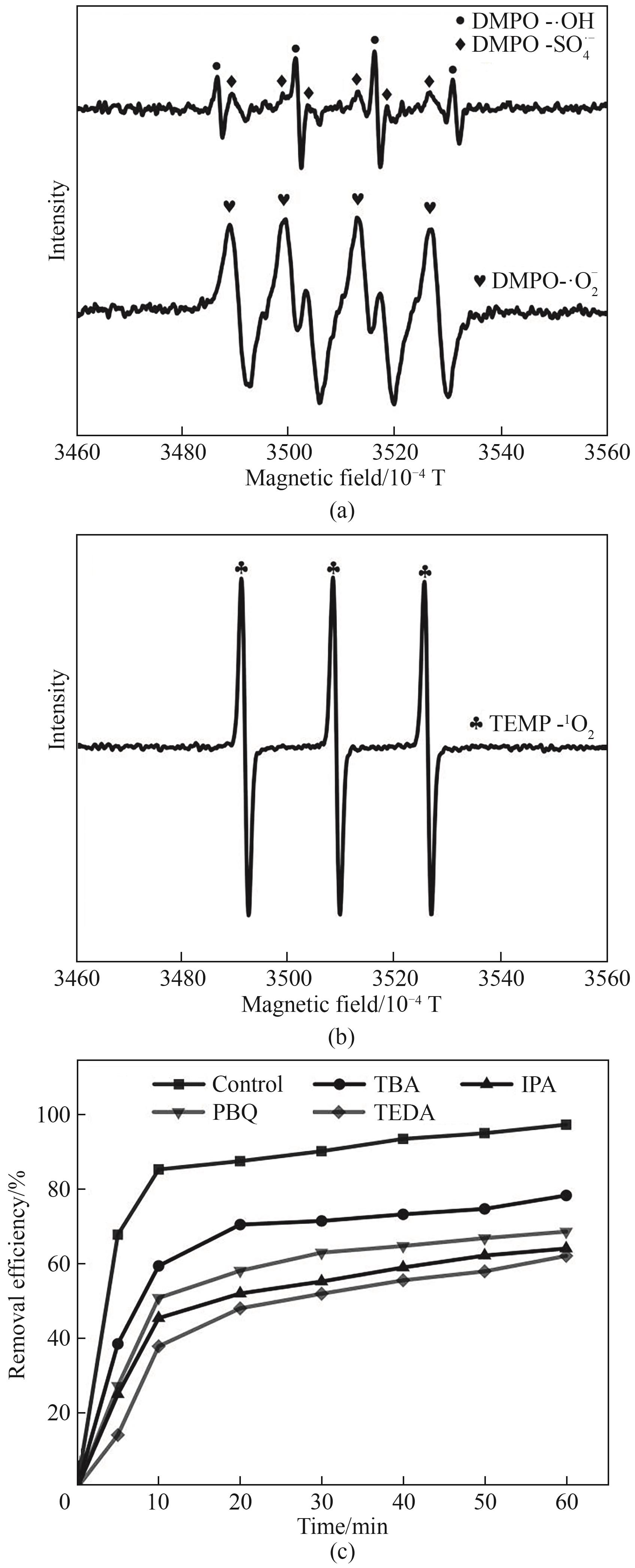
Fig.10 Behavior of free radicals in oxidative remediation of persulfate by microwave combined with biochar activation
| [1] | Cao C, Wu Y Y, Lv Z Y, et al. Uptake of polycyclic aromatic hydrocarbons (PAHs) from PAH-contaminated soils to carrots and Chinese cabbages under the greenhouse and field conditions[J]. Chemosphere, 2024, 360: 142405. |
| [2] | Gholami S, Behnami A, Hesami Arani M, et al. Impact of humic substances on the bioremediation of polycyclic aromatic hydrocarbons in contaminated soils and sediments: a review[J]. Environmental Chemistry Letters, 2024, 22(2): 889-918. |
| [3] | Zhou X, Sun Y H, Wang T T, et al. Remediation potential of an immobilized microbial consortium with corn straw as a carrier in polycyclic aromatic hydrocarbons contaminated soil[J]. Journal of Hazardous Materials, 2024, 469: 134091. |
| [4] | Zeng H P, Xu J X, Li J X, et al. Activation of peroxymonosulfate by sludge-derived magnetic biochar for pollutant removal: performance, applicability, and synergetic mechanism of iron species and carboxylated biochar[J]. Chemical Engineering Journal, 2024, 485: 149744. |
| [5] | Li Q Z, Chen R J, Xu Y, et al. Examining diverse remediation mechanisms of biochar in soil contaminated with polycyclic aromatic hydrocarbon (PAH) of various ring structures: a global meta-analysis[J]. Science of the Total Environment, 2024, 921: 171178. |
| [6] | Li R Z, Shen X Q, Zhang J X, et al. Tailoring biochar supported iron nanoparticles to activate persulfate for atrazine degradation in soil[J]. Journal of Environmental Chemical Engineering, 2024, 12(2): 111967. |
| [7] | Tian H F, Li C Q, Wang Z, et al. Polycyclic aromatic hydrocarbons degradation mechanisms in methods using activated persulfate: radical and non-radical pathways[J]. Chemical Engineering Journal, 2023, 473: 145319. |
| [8] | Kan H S, Wang T C, Yu J X, et al. Remediation of organophosphorus pesticide polluted soil using persulfate oxidation activated by microwave[J]. Journal of Hazardous Materials, 2021, 401: 123361. |
| [9] | Zhao S, Liu J B, Miao D, et al. Activation of persulfate for the degradation of ethyl-parathion in soil: combined effects of microwave with biochar[J]. Journal of Environmental Management, 2024, 351: 119930. |
| [10] | Qu J H, Liu R X, Bi X W, et al. Remediation of atrazine contaminated soil by microwave activated persulfate system: performance, mechanism and DFT calculation[J]. Journal of Cleaner Production, 2023, 399: 136546. |
| [11] | Miao D, Zhao S, Zhu K C, et al. Activation of persulfate and removal of ethyl-parathion from soil: effect of microwave irradiation[J]. Chemosphere, 2020, 253: 126679. |
| [12] | Ma M Y, Chen Y, Su R D, et al. In situ synthesis of Fe-N co-doped carbonaceous nanocomposites using biogas residue as an effective persulfate activator for remediation of aged petroleum contaminated soils[J]. Journal of Hazardous Materials, 2022, 435: 128963. |
| [13] | Li D, Zhao Y Q, Wang L P, et al. Remediation of phenanthrene contaminated soil through persulfate oxidation coupled microbial fortification[J]. Journal of Environmental Chemical Engineering, 2021, 9(5): 106098. |
| [14] | de la Rosa J M, Pérez-Dalí S M, Campos P, et al. Suitability of volcanic ash, rice husk ash, green compost and biochar as amendments for a Mediterranean alkaline soil[J]. Agronomy, 2023, 13(4): 1097. |
| [15] | Mosharrof M, Uddin M K, Mia S, et al. Influence of rice husk biochar and lime in reducing phosphorus application rate in acid soil: a field trial with maize[J]. Sustainability, 2022, 14(12): 7418. |
| [16] | Jain S, Khare P, Mishra D, et al. Biochar aided aromatic grass [Cymbopogon martini (Roxb.) Wats.] vegetation: a sustainable method for stabilization of highly acidic mine waste[J]. Journal of Hazardous Materials, 2020, 390: 121799. |
| [17] | Liu J G, Jiang S J, Chen D D, et al. Activation of persulfate with biochar for degradation of bisphenol A in soil[J]. Chemical Engineering Journal, 2020, 381: 122637. |
| [18] | Qu J H, Xue J Q, Sun M Z, et al. Superefficient non-radical degradation of benzo[a]pyrene in soil by Fe-biochar composites activating persulfate[J]. Chemical Engineering Journal, 2024, 481: 148585. |
| [19] | Li C Q, Yin S J, Yan Y T, et al. Efficient benzo(a)pyrene degradation by coal gangue-based catalytic material for peroxymonosulfate activation[J]. Journal of Environmental Management, 2024, 351: 119645. |
| [20] | El-Bestawy E A, Gaber M, Shokry H, et al. Effective degradation of atrazine by spinach-derived biochar via persulfate activation system: process optimization, mechanism, degradation pathway and application in real wastewater[J]. Environmental Research, 2023, 229: 115987. |
| [21] | Li Q C, Wang L L, Fu Y, et al. Transformation of soil organic matter subjected to environmental disturbance and preservation of organic matter bound to soil minerals: a review[J]. Journal of Soils and Sediments, 2023, 23(3): 1485-1500. |
| [22] | Tang X J, Guo J C, Gao Y, et al. Efficient remediation of the field soil contaminated with PAHs by amorphous porous iron material activated peroxymonosulfate[J]. Chemosphere, 2023, 327: 138516. |
| [23] | Xin Z M, Tong J H, Wang J, et al. Research progress on activated persulfate by biochar: soil and water environment remediation, mechanism exploration and simulation calculation[J]. Chemical Engineering Journal, 2024, 493: 152718. |
| [24] | Negi P, Chhantyal A K, Dixit A K, et al. Activated carbon derived from mango leaves as an enhanced microwave absorbing material[J]. Sustainable Materials and Technologies, 2021, 27: e00244. |
| [25] | Wu L, Wu H Y, Wen Q S, et al. Gas stripping coupled with in situ oxidation assisted microwave remediation of contaminated soil for efficient removal of polycyclic aromatic hydrocarbons (PAHs)[J]. Chemical Engineering Journal, 2023, 473: 145411. |
| [26] | Ren X H, Chen Y, Zhang M, et al. Effect of organic acids and soil particle size on heavy metal removal from bulk soil with washing[J]. Environmental Geochemistry and Health, 2023, 45(6): 3187-3198. |
| [27] | Liang C, Wang J J, Li C Q, et al. Chemical inertness conversion of carbon fraction in coal gangue via N-doping for efficient benzo(a)pyrene degradation[J]. Journal of Colloid and Interface Science, 2024, 666: 547-559. |
| [28] | Chen Y S, Shi R, Hu Y F, et al. Alkali-thermal activated persulfate treatment of tetrabromobisphenol A in soil: parameter optimization, mechanism, degradation pathway and toxicity evaluation[J]. Science of the Total Environment, 2023, 903: 166477. |
| [29] | Ning X T, Wang X L, Zhang L, et al. Efficient peroxymonosulfate activation by CTAB-modified α-FeOOH/kaolinite for the degradation of benzo[a]pyrene[J]. Chemical Engineering Science, 2023, 282: 119238. |
| [30] | Li X Y, Yu Z, Chen Q C, et al. Kill three birds with one stone: iron-doped graphitic biochar from biogas residues for ammonium persulfate activation to simultaneously degrade benzo[a]pyrene and improve lettuce growth[J]. Chemical Engineering Journal, 2022, 430: 132844. |
| [31] | Wu D, Kan H S, Zhang Y, et al. Pyrene contaminated soil remediation using microwave/magnetite activated persulfate oxidation[J]. Chemosphere, 2022, 286: 131787. |
| [32] | Ke Y X, Zhang X, Ren Y H, et al. Remediation of polycyclic aromatic hydrocarbons polluted soil by biochar loaded humic acid activating persulfate: performance, process and mechanisms[J]. Bioresource Technology, 2024, 399: 130633. |
| [33] | Guo J Y, Wen X Y, Yang J W, et al. Removal of benzo(a)pyrene in polluted aqueous solution and soil using persulfate activated by corn straw biochar[J]. Journal of Environmental Management, 2020, 272: 111058. |
| [1] | Peng YANG, Wanli YOU, Zhongqian LING, Xianyang ZENG, Yunchao LI, Jiayi LIN, Lijian WANG, Dingkun YUAN. Experimental study on performance of compact three-chamber RTO system for treating waste gas containing ethyl acetate [J]. CIESC Journal, 2025, 76(7): 3585-3595. |
| [2] | Qingping ZHAO, Min ZHANG, Hui ZHAO, Gang WANG, Yongfu QIU. Hydrogen bond effect and kinetic studies on hydroesterification of ethylene to methyl propionate [J]. CIESC Journal, 2025, 76(6): 2701-2713. |
| [3] | Yifei WANG, Jingjie REN, Mingshu BI, Haotian YE. Multi-objective optimization of cyclohexane oxidation process parameters based on inherent safety and economic performance [J]. CIESC Journal, 2025, 76(6): 2722-2732. |
| [4] | Jun HE, Yong LI, Nan ZHAO, Xiaojun HE. Study on the properties of carbon with Se doping cobalt sulfide in lithium-sulfur batteries [J]. CIESC Journal, 2025, 76(6): 2995-3008. |
| [5] | Yujie MAO, Xiaofei LU, Xian SUO, Lifeng YANG, Xili CUI, Huabin XING. Advances in research on catalysts for deep removal of trace oxygen in industrial gases [J]. CIESC Journal, 2025, 76(5): 1997-2010. |
| [6] | Zhongchen MA, Zijie WEI, Mingtao ZHU, Hengdi YE, Xueyi GUO, Lei TAN. Preparation of battery-grade manganese tetroxide for lithium manganate cathode material by one-step oxidation method [J]. CIESC Journal, 2025, 76(3): 1363-1374. |
| [7] | Yue GAO, Ding LI, Yumiao GAO. Study on catalytic oxidation remediation technology of organic polluted site soil [J]. CIESC Journal, 2025, 76(3): 1297-1304. |
| [8] | Zhongqing CHEN, Jiaxu LIU, Yanyu WANG, Hongquan JING, Cuihong HOU, Lingbo QU. Effect of K-B-Al ternary system on the melting characteristics and glass structure of tailings [J]. CIESC Journal, 2025, 76(3): 1323-1333. |
| [9] | Zhihua XIAO, Haonan FANG, Fangzhi ZHENG, Dong SUN, Lida TAO, Yongfeng LI, Chunming XU, Xinlong MA. NaCl assisted constructing high-performance pitch-based hard carbon anode material [J]. CIESC Journal, 2025, 76(2): 846-857. |
| [10] | Meilin SHI, Lianda ZHAO, Xingjian DENG, Jingsong WANG, Haibin ZUO, Qingguo XUE. Research progress on catalytic methane reforming process [J]. CIESC Journal, 2024, 75(S1): 25-39. |
| [11] | Yingyu XU, Guoqiang YANG, Jing PENG, Haining SUN, Zhibing ZHANG. Research on advanced oxidation treatment of coal chemical wastewater using microinterfaces [J]. CIESC Journal, 2024, 75(S1): 283-291. |
| [12] | Jiaying ZHANG, Cong WANG, Yajun WANG. CNT-Co/Bi2O3 catalyst photocatalytic synergistic activation of persulfate for efficient degradation of tetracycline [J]. CIESC Journal, 2024, 75(9): 3163-3175. |
| [13] | Shugang HU, Guoqing TIAN, Wenjuan LIU, Guangfei XU, Huaqing LIU, Jian ZHANG, Yanlong WANG. Preparation of nanoscale zero-valent iron and its application of reduction and oxidation technology [J]. CIESC Journal, 2024, 75(9): 3041-3055. |
| [14] | Yabin ZHANG, Yang SU, Huirong ZHANG, Yipeng SONG, Jian LI, Yanxia GUO. Mechanism of enhanced arsenic sulfide stabilization/solidification by using steel slag and carbide slag [J]. CIESC Journal, 2024, 75(7): 2656-2669. |
| [15] | Linfeng MA, Aitong OU, Zhiyuan LI, Yao LI, Runze LIU, Xiaole WU, Jingtao XU. High-efficiency adsorption of heavy metal ions by Na2S modified biochar: preparation and adsorption mechanism [J]. CIESC Journal, 2024, 75(7): 2594-2603. |
| Viewed | ||||||
|
Full text |
|
|||||
|
Abstract |
|
|||||


