CIESC Journal ›› 2025, Vol. 76 ›› Issue (9): 4922-4932.DOI: 10.11949/0438-1157.20250239
• Energy and environmental engineering • Previous Articles Next Articles
Jing ZHAO1( ), Shuchen DONG1(), Gaoyang LI1, Youke HUANG1, Haosen SHI1, Shuwen MIAO1, Chenyan TAN1, Tangqi ZHU1, Yongshuai LI2, Hui PAN1(), Hao LING2
Received:2025-03-11
Revised:2025-04-07
Online:2025-10-23
Published:2025-09-25
Contact:
Hui PAN
赵婧1(), 董书辰1(), 李高洋1, 黄友科1, 石浩森1, 缪舒文1, 谭辰妍1, 朱唐琦1, 李永帅2, 潘慧1(), 凌昊2
通讯作者:
潘慧
作者简介:赵婧(2000—),女,硕士研究生,y22202076@mail.shiep.edu.cn基金资助:CLC Number:
Jing ZHAO, Shuchen DONG, Gaoyang LI, Youke HUANG, Haosen SHI, Shuwen MIAO, Chenyan TAN, Tangqi ZHU, Yongshuai LI, Hui PAN, Hao LING. Simulation and optimization of battery performance based on the electrochemical model[J]. CIESC Journal, 2025, 76(9): 4922-4932.
赵婧, 董书辰, 李高洋, 黄友科, 石浩森, 缪舒文, 谭辰妍, 朱唐琦, 李永帅, 潘慧, 凌昊. 基于电化学模型的电池性能模拟与优化[J]. 化工学报, 2025, 76(9): 4922-4932.
Add to citation manager EndNote|Ris|BibTeX
| 电池参数 | 正极(阴极) | 隔膜 | 负极(阳极) |
|---|---|---|---|
| 最大主体容量 | 49000 mol/m³ | 31507 mol/m³ | |
| 脱锂极限 | 0 | 0.025 | |
| 固相体积分数 | 0.6 | 0.5 | 0.6 |
| 厚度 | 7×10⁻⁵ m | 3×10⁻⁵ m | 1.27×10⁻⁴ m |
| 颗粒半径 | 2×10⁻⁶ m | 2×10⁻⁶ m | |
| 过剩主体容量 | 0 | 0.25 | |
| 集流体厚度 | 5×10⁻⁶ m | 5×10⁻⁶ m | |
| 扩散系数 | 1×10-14 m2/s | 1.4523×10⁻¹³ m2/s | |
| 电导率 | 100 S/m | 3.8 S/m | |
| 最大荷电状态 | 0.975 | 0.98 | |
| 最小荷电状态 | 0 | 0 | |
| 反应速率常数 | 6.3×10⁻¹⁰ m/s | 6.3×10⁻¹⁰ m/s | |
| 电荷转移系数(传递系数) | 0.5 | 0.5 | |
| 形成循环期间的初始锂库存损失 | 0.05 | ||
| 电池中的相对卷芯体积 | 0.95 | ||
| 循环期间的 SOC 上限 | 0.75 | ||
| 循环期间的 SOC 下限 | 0.25 | ||
| 最大工作电池电压 | 4.5 V | ||
| 最小工作电池电压 | 2 V | ||
| 环境温度 | 293.15 K | ||
| 传热系数 | 10 W/(m²·K) | ||
| 电池平均热容 | 1400 J/(kg·K) | ||
| 电池平均密度 | 2000 kg/m³ | ||
| 心轴宽度 | 0.05 m | ||
| 心轴深度 | 0.005 m | ||
| 心轴长度 | 0.065 m | ||
Table 1 Parameter of lithium-ion battery model
| 电池参数 | 正极(阴极) | 隔膜 | 负极(阳极) |
|---|---|---|---|
| 最大主体容量 | 49000 mol/m³ | 31507 mol/m³ | |
| 脱锂极限 | 0 | 0.025 | |
| 固相体积分数 | 0.6 | 0.5 | 0.6 |
| 厚度 | 7×10⁻⁵ m | 3×10⁻⁵ m | 1.27×10⁻⁴ m |
| 颗粒半径 | 2×10⁻⁶ m | 2×10⁻⁶ m | |
| 过剩主体容量 | 0 | 0.25 | |
| 集流体厚度 | 5×10⁻⁶ m | 5×10⁻⁶ m | |
| 扩散系数 | 1×10-14 m2/s | 1.4523×10⁻¹³ m2/s | |
| 电导率 | 100 S/m | 3.8 S/m | |
| 最大荷电状态 | 0.975 | 0.98 | |
| 最小荷电状态 | 0 | 0 | |
| 反应速率常数 | 6.3×10⁻¹⁰ m/s | 6.3×10⁻¹⁰ m/s | |
| 电荷转移系数(传递系数) | 0.5 | 0.5 | |
| 形成循环期间的初始锂库存损失 | 0.05 | ||
| 电池中的相对卷芯体积 | 0.95 | ||
| 循环期间的 SOC 上限 | 0.75 | ||
| 循环期间的 SOC 下限 | 0.25 | ||
| 最大工作电池电压 | 4.5 V | ||
| 最小工作电池电压 | 2 V | ||
| 环境温度 | 293.15 K | ||
| 传热系数 | 10 W/(m²·K) | ||
| 电池平均热容 | 1400 J/(kg·K) | ||
| 电池平均密度 | 2000 kg/m³ | ||
| 心轴宽度 | 0.05 m | ||
| 心轴深度 | 0.005 m | ||
| 心轴长度 | 0.065 m | ||
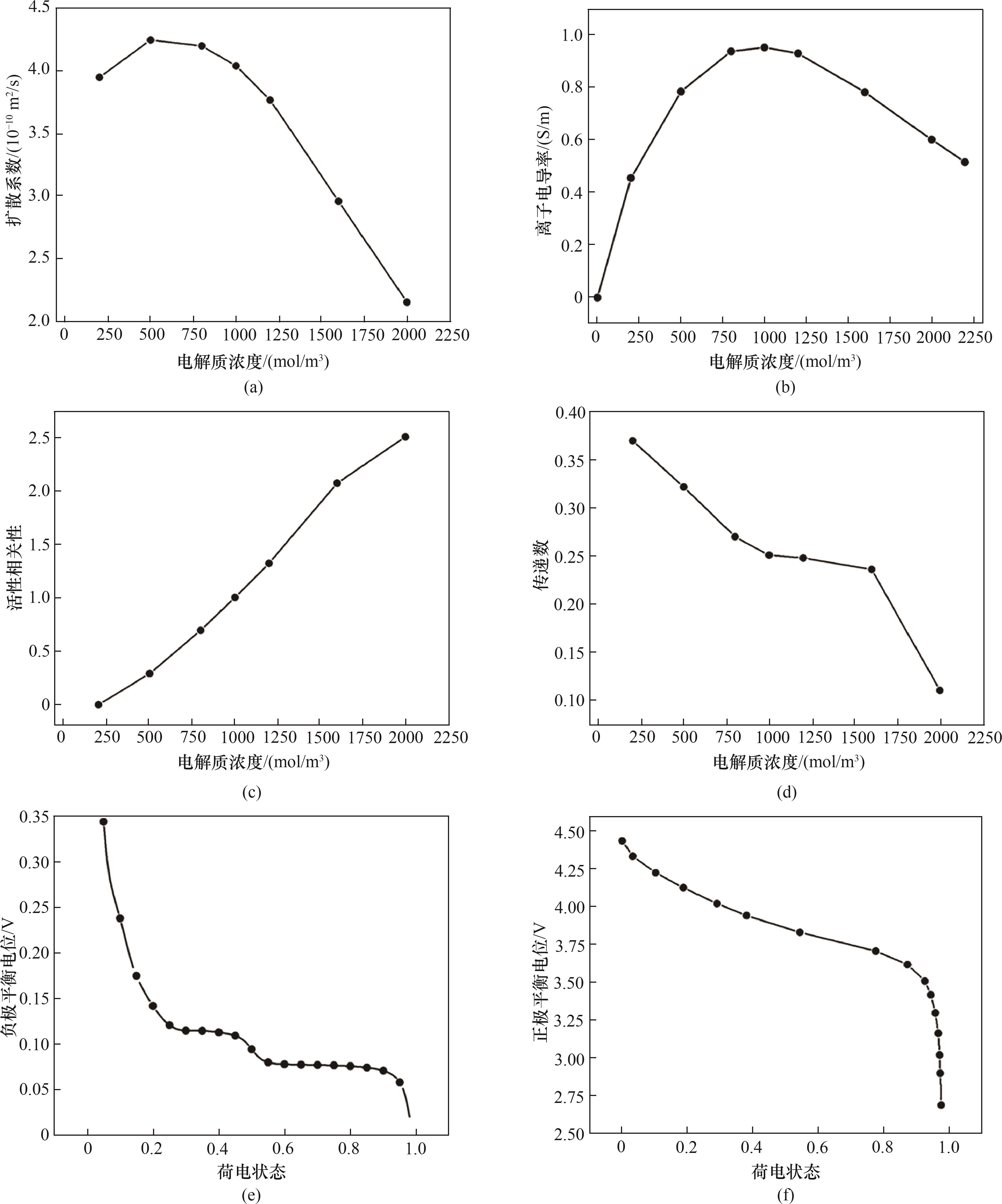
Fig.1 Parameters of battery electrode and electrolyte
| 材料 | 参数 | Xref | Ea/J |
|---|---|---|---|
| 电解质(LiPF6) | 扩散系数 | 16500 | |
| 电解质电导率 | -1000 | ||
| 活性相关性 | 4000 | ||
| 负极(LixC6) | 扩散系数 | 1.4523×10⁻¹³ | 68025.7 |
Table 2 Xref and Ea modified by temperature
| 材料 | 参数 | Xref | Ea/J |
|---|---|---|---|
| 电解质(LiPF6) | 扩散系数 | 16500 | |
| 电解质电导率 | -1000 | ||
| 活性相关性 | 4000 | ||
| 负极(LixC6) | 扩散系数 | 1.4523×10⁻¹³ | 68025.7 |
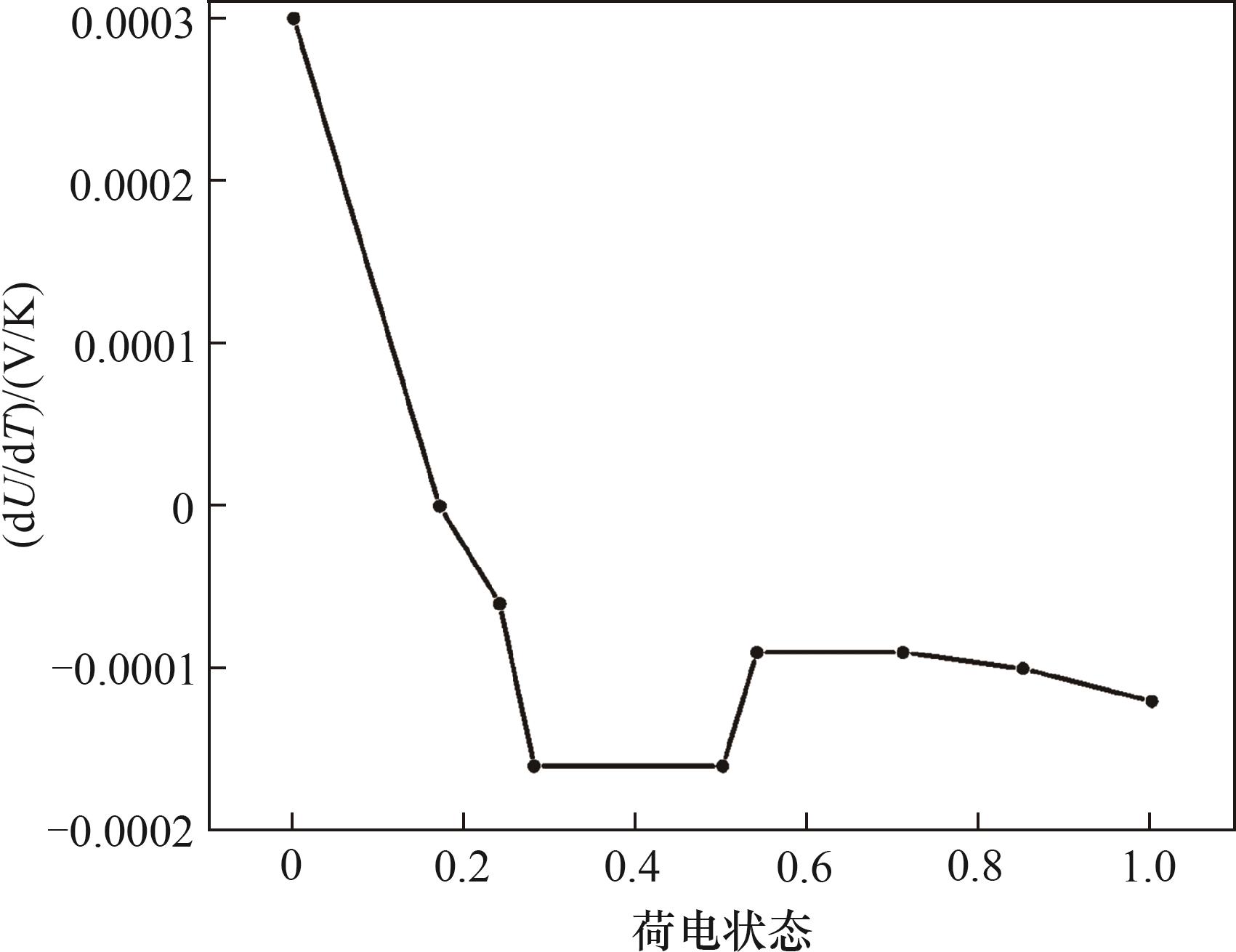
Fig.2 Temperature dependent correlation with state of charge
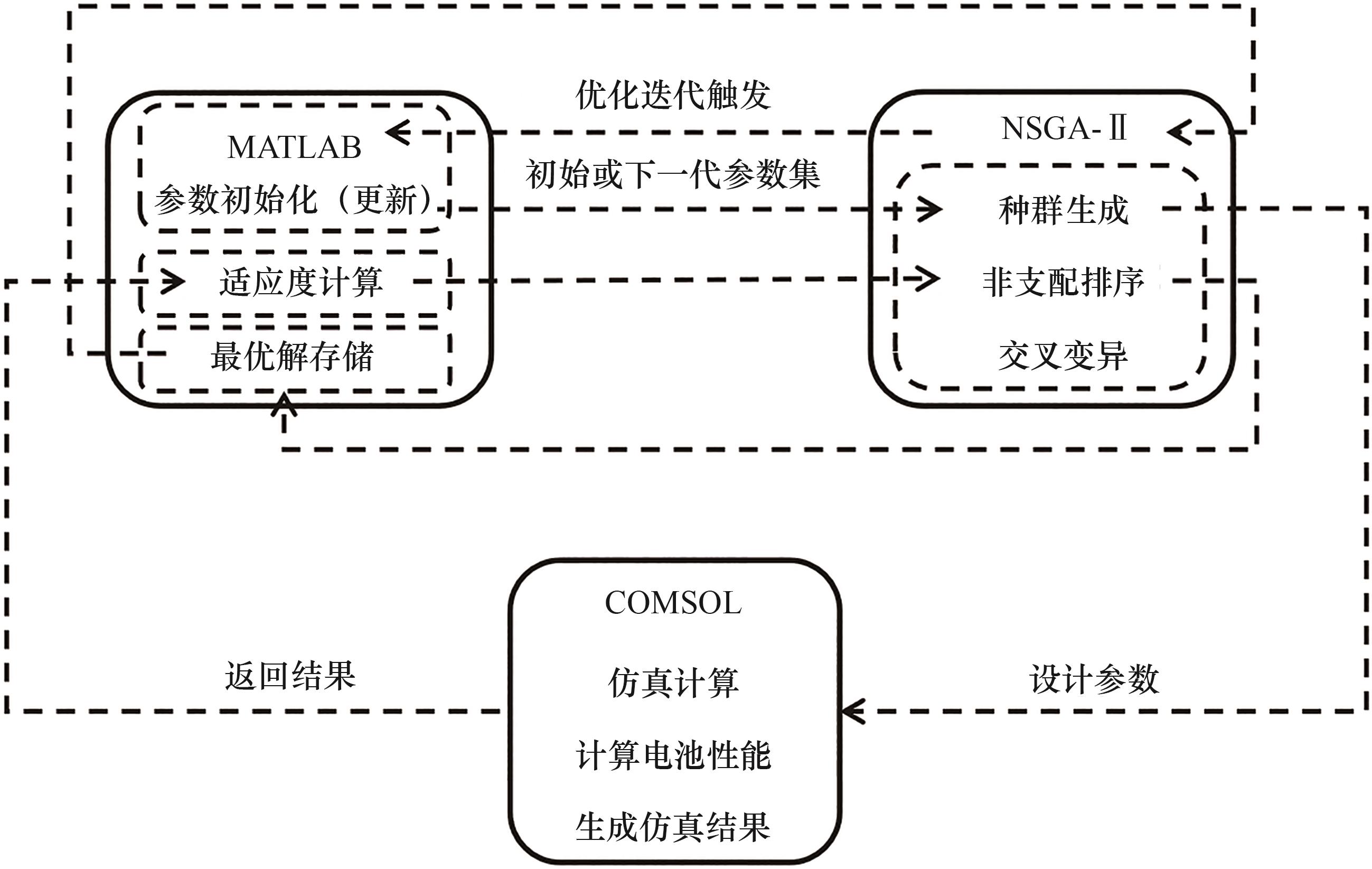
Fig.3 Flow chart of coupling the electrochemical model to the NSGA-Ⅱ algorithm
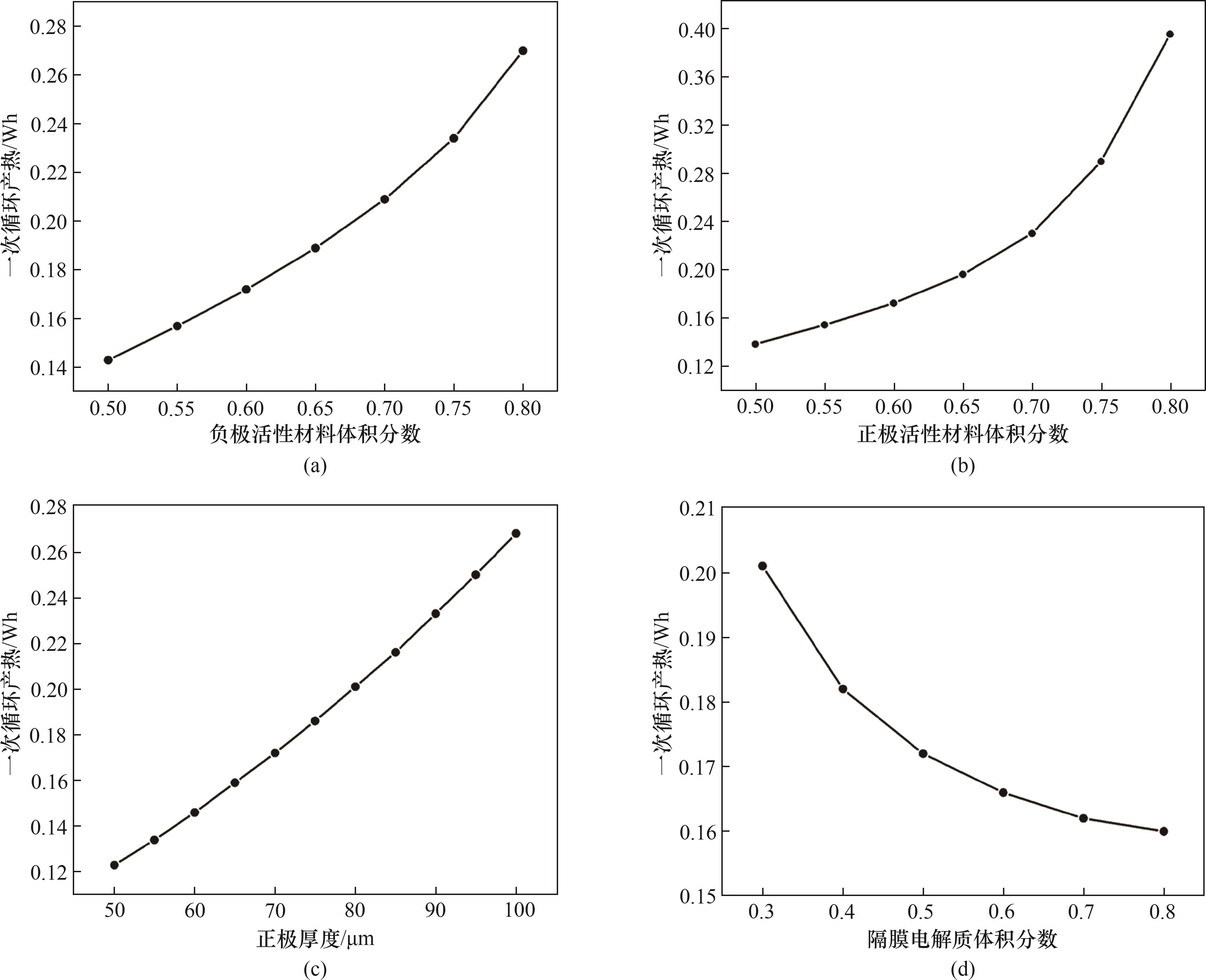
Fig.4 Effect of battery parameters on heat production of battery
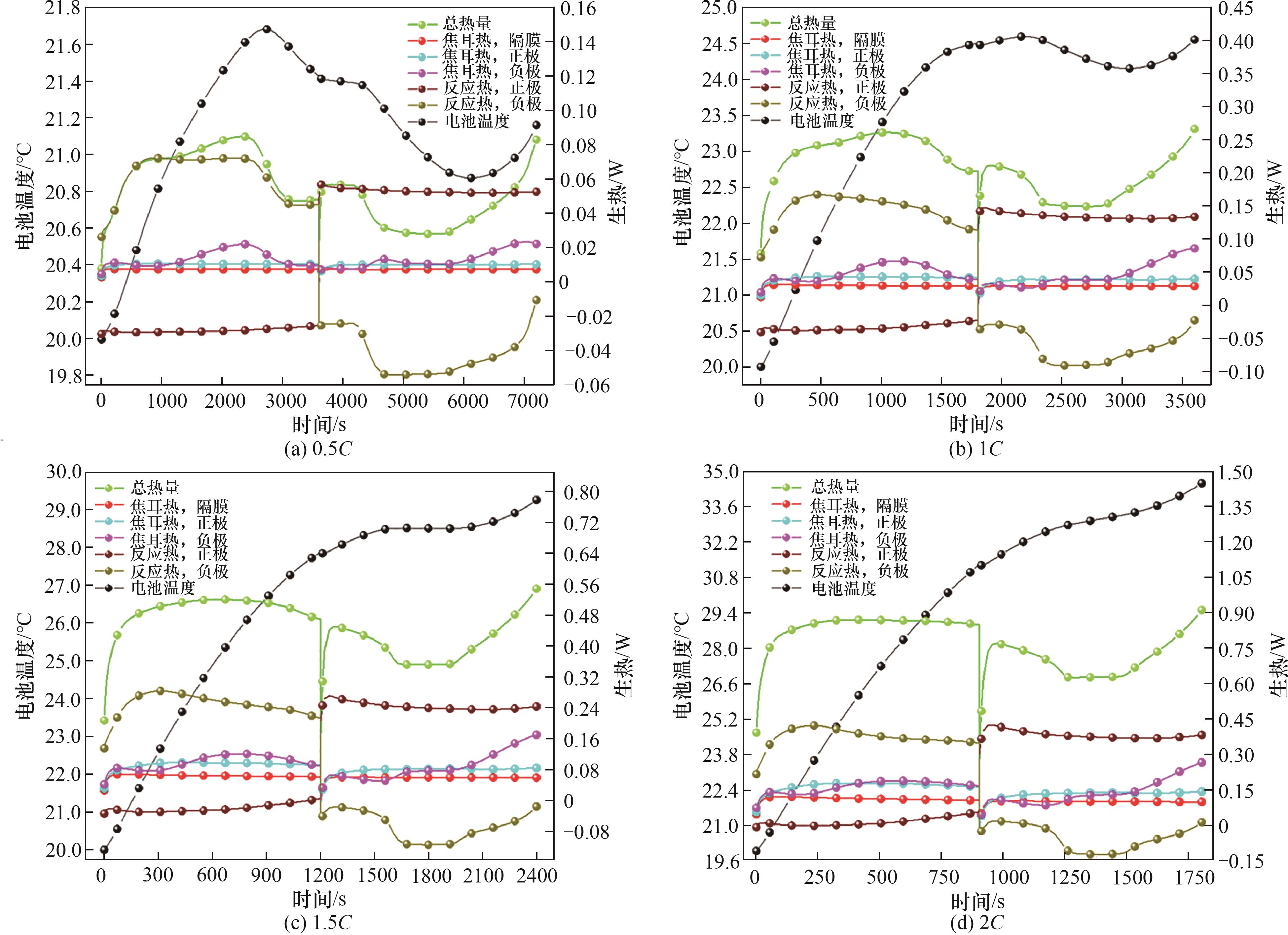
Fig.5 Relationship between battery temperature and heat generation at different charge and discharge rates
| 设计参数 | 下限 | 上限 |
|---|---|---|
| 负极活性材料体积分数 | 0.6 | 0.8 |
| 正极活性材料体积分数 | 0.6 | 0.8 |
| 正极厚度/µm | 60 | 100 |
| 隔膜电解质体积分数 | 0.6 | 0.8 |
Table 3 Design range of battery optimization parameters
| 设计参数 | 下限 | 上限 |
|---|---|---|
| 负极活性材料体积分数 | 0.6 | 0.8 |
| 正极活性材料体积分数 | 0.6 | 0.8 |
| 正极厚度/µm | 60 | 100 |
| 隔膜电解质体积分数 | 0.6 | 0.8 |
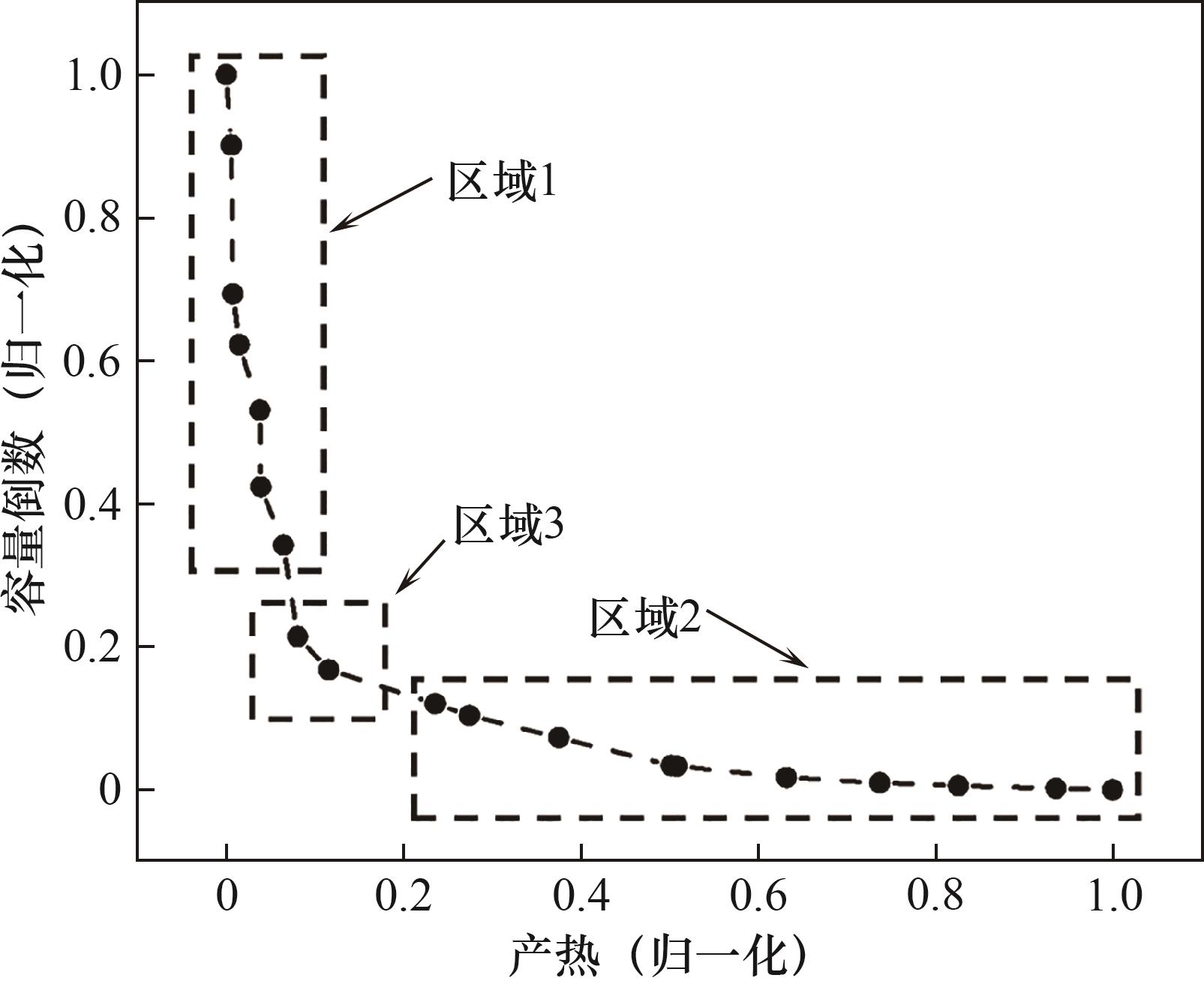
Fig.6 Pareto front of capacity-reciprocal (normalized) and heat-producing (normalized)
| 区域 | 正极活性材料体积分数 | 负极活性材料体积分数 | 正极厚度/µm | 隔膜电解质体积分数 | 容量/mAh | 产热/Wh |
|---|---|---|---|---|---|---|
| 区域1 | 0.6000 | 0.6000 | 60 | 0.8000 | 2.4958 | 0.1392 |
| 0.6000 | 0.6216 | 60 | 0.7996 | 2.5971 | 0.1450 | |
| 0.6000 | 0.6000 | 60 | 0.8000 | 2.8405 | 0.1471 | |
| 0.6119 | 0.6057 | 60 | 0.8000 | 2.9344 | 0.1543 | |
| 0.6300 | 0.6305 | 62 | 0.7996 | 3.0652 | 0.1774 | |
| 0.6000 | 0.7044 | 60 | 0.7998 | 3.2333 | 0.1786 | |
| 0.6047 | 0.7088 | 64 | 0.7998 | 3.3739 | 0.2040 | |
| 区域3 | 0.6002 | 0.7867 | 60 | 0.7998 | 3.6219 | 0.2200 |
| 0.6025 | 0.8000 | 64 | 0.7818 | 3.7212 | 0.2552 | |
| 区域2 | 0.7503 | 0.8000 | 60 | 0.7934 | 3.8282 | 0.3753 |
| 0.7474 | 0.8000 | 64 | 0.7933 | 3.8673 | 0.4140 | |
| 0.6000 | 0.7864 | 100 | 0.8000 | 3.9408 | 0.5148 | |
| 0.6000 | 0.7865 | 100 | 0.7996 | 3.9412 | 0.5149 | |
| 0.6967 | 0.8000 | 93 | 0.8000 | 4.0399 | 0.6415 | |
| 0.6993 | 0.8000 | 93 | 0.8000 | 4.0418 | 0.6479 | |
| 0.7161 | 0.8000 | 99 | 0.8000 | 4.0841 | 0.7717 | |
| 0.7394 | 0.8000 | 100 | 0.7931 | 4.1039 | 0.8771 | |
| 0.7567 | 0.8000 | 100 | 0.7996 | 4.1144 | 0.9657 | |
| 0.7740 | 0.8000 | 100 | 0.7996 | 4.1245 | 1.0758 | |
| 0.7828 | 0.8000 | 100 | 0.7998 | 4.1295 | 1.1397 |
Table 4 Battery optimization parameters
| 区域 | 正极活性材料体积分数 | 负极活性材料体积分数 | 正极厚度/µm | 隔膜电解质体积分数 | 容量/mAh | 产热/Wh |
|---|---|---|---|---|---|---|
| 区域1 | 0.6000 | 0.6000 | 60 | 0.8000 | 2.4958 | 0.1392 |
| 0.6000 | 0.6216 | 60 | 0.7996 | 2.5971 | 0.1450 | |
| 0.6000 | 0.6000 | 60 | 0.8000 | 2.8405 | 0.1471 | |
| 0.6119 | 0.6057 | 60 | 0.8000 | 2.9344 | 0.1543 | |
| 0.6300 | 0.6305 | 62 | 0.7996 | 3.0652 | 0.1774 | |
| 0.6000 | 0.7044 | 60 | 0.7998 | 3.2333 | 0.1786 | |
| 0.6047 | 0.7088 | 64 | 0.7998 | 3.3739 | 0.2040 | |
| 区域3 | 0.6002 | 0.7867 | 60 | 0.7998 | 3.6219 | 0.2200 |
| 0.6025 | 0.8000 | 64 | 0.7818 | 3.7212 | 0.2552 | |
| 区域2 | 0.7503 | 0.8000 | 60 | 0.7934 | 3.8282 | 0.3753 |
| 0.7474 | 0.8000 | 64 | 0.7933 | 3.8673 | 0.4140 | |
| 0.6000 | 0.7864 | 100 | 0.8000 | 3.9408 | 0.5148 | |
| 0.6000 | 0.7865 | 100 | 0.7996 | 3.9412 | 0.5149 | |
| 0.6967 | 0.8000 | 93 | 0.8000 | 4.0399 | 0.6415 | |
| 0.6993 | 0.8000 | 93 | 0.8000 | 4.0418 | 0.6479 | |
| 0.7161 | 0.8000 | 99 | 0.8000 | 4.0841 | 0.7717 | |
| 0.7394 | 0.8000 | 100 | 0.7931 | 4.1039 | 0.8771 | |
| 0.7567 | 0.8000 | 100 | 0.7996 | 4.1144 | 0.9657 | |
| 0.7740 | 0.8000 | 100 | 0.7996 | 4.1245 | 1.0758 | |
| 0.7828 | 0.8000 | 100 | 0.7998 | 4.1295 | 1.1397 |
| [1] | 高飞, 杨凯, 惠东, 等. 储能用磷酸铁锂电池循环寿命的能量分析[J]. 中国电机工程学报, 2013, 33(5): 41-45. |
| Gao F, Yang K, Hui D, et al. Cycle-life energy analysis of LiFePO4 batteries for energy storage[J]. Proceedings of the CSEE, 2013, 33(5): 41-45. | |
| [2] | 李谦, 于金山, 刘盛终, 等. 不同因素影响下锂离子电池热失控演变特征及危害性综述[J]. 消防科学与技术, 2023, 42(11): 1482-1487. |
| Li Q, Yu J S, Liu S Z, et al. Review on the characteristics and hazards of lithium-ion battery thermal runaway under various conditions[J]. Fire Science and Technology, 2023, 42(11): 1482-1487. | |
| [3] | 李相俊, 官亦标, 胡娟, 等. 我国储能示范工程领域十年(2012—2022)回顾[J]. 储能科学与技术, 2022, 11(9): 2702-2712. |
| Li X J, Guan Y B, Hu J, et al. Review of energy storage application in China from 2012 to 2022[J]. Energy Storage Science and Technology, 2022, 11(9): 2702-2712. | |
| [4] | 徐乐, 邓忠伟, 谢翌, 等. 锂离子电池电化学-热耦合模型对比研究[J]. 机械工程学报, 2022, 58(22): 304-320. |
| Xu L, Deng Z W, Xie Y, et al. Comparative study of electrochemical-thermal models for Li-ion batteries[J]. Journal of Mechanical Engineering, 2022, 58(22): 304-320. | |
| [5] | Liu J, Yadav S, Salman M, et al. Review of thermal coupled battery models and parameter identification for lithium-ion battery heat generation in EV battery thermal management system[J]. International Journal of Heat and Mass Transfer, 2024, 218: 124748. |
| [6] | Bahramipanah M, Torregrossa D, Cherkaoui R, et al. Enhanced equivalent electrical circuit model of lithium-based batteries accounting for charge redistribution, state-of-health, and temperature effects[J]. IEEE Transactions on Transportation Electrification, 2017, 3(3): 589-599. |
| [7] | Liu S J, Jiang J C, Shi W, et al. Butler-Volmer-equation-based electrical model for high-power lithium titanate batteries used in electric vehicles[J]. IEEE Transactions on Industrial Electronics, 2015, 62(12): 7557-7568. |
| [8] | Hu X S, Li S B, Peng H E. A comparative study of equivalent circuit models for Li-ion batteries[J]. Journal of Power Sources, 2012, 198: 359-367. |
| [9] | Zhang Y, Liu H, Liu S C, et al. Prediction model of thermal behavior of lithium battery module under high charge-discharge rate[J]. Journal of Energy Storage, 2023, 74: 109366. |
| [10] | 王超, 赵津, 张永德, 等. 基于NTGK模型的锂离子电池充电技术[J]. 电池, 2020, 50(4): 356-360. |
| Wang C, Zhao J, Zhang Y D, et al. Charging technology for Li-ion battery based on NTGK model[J]. Battery Bimonthly, 2020, 50(4): 356-360. | |
| [11] | Saeed Madani S, Swierczynski M, Knudsen Kær S. Cooling simulation and thermal abuse modeling of lithium-ion batteries using the Newman, Tiedemann, Gu, and Kim (NTGK) model[J]. ECS Transactions, 2017, 81(1): 261. |
| [12] | Namor E, Torregrossa D, Cherkaoui R, et al.Parameter identification of a lithium-ion cell single-particle model through non-invasive testing[J]. Journal of Energy Storage, 2017, 12: 138-148. |
| [13] | Mei W X, Chen H D, Sun J H, et al. The effect of electrode design parameters on battery performance and optimization of electrode thickness based on the electrochemical-thermal coupling model[J]. Sustainable Energy & Fuels, 2019, 3(1): 148-165. |
| [14] | Zhao R, Liu J, Gu J J. The effects of electrode thickness on the electrochemical and thermal characteristics of lithium ion battery.[J]. Applied Energy, 2015, 139: 220-229. |
| [15] | An Z J, Zhao Y B, Shi T L, et al. Modeling and experimental analysis of the thermal and electrochemical characteristics of lithium-ion cells with different electrode thickness[J]. Ionics, 2022, 28(2): 719-732. |
| [16] | Li Y F, Tan Z C. Effects of a separator on the electrochemical and thermal performances of lithium-ion batteries: a numerical study[J]. Energy & Fuels, 2020, 34(11): 14915-14923. |
| [17] | Yuan X D, Xiong Z K, Li L C, et al. Study on the effects of electrode volume fraction and electrode particle radius on dynamic electrochemical-thermal-aging coupling characteristics of lithium cell based on cylindrical cell design method[J]. Chemical Engineering Journal, 2024, 499: 156204. |
| [18] | 魏立婷, 贾力, 安周建. 基于伪二维电化学-热耦合模型的锂电池热特性研究[J]. 热科学与技术, 2020, 19(4): 365-373. |
| Wei L T, Jia L, An Z J. The thermal characteristics based on pseudo-two-dimensional electrochemical-thermal coupling model for lithium-ion battery[J]. Journal of Thermal Science and Technology, 2020, 19(4): 365-373. | |
| [19] | Mehta R, Gupta A. Significance of heat of mixing analysed using a pseudo two-dimensional thermo-electrochemical model of lithium-ion cells[J]. Electrochimica Acta, 2024, 475: 143509. |
| [20] | 孙涛, 郑侠, 郑岳久, 等. 基于电化学热耦合模型的锂离子电池快充控制[J]. 汽车工程, 2022, 44(4): 495-504. |
| Sun T, Zheng X, Zheng Y J, et al. Fast charging control of lithium-ion batteries based on electrochemical-thermal coupling model[J]. Automotive Engineering, 2022, 44(4): 495-504. | |
| [21] | Brodsky Ringler P, Wise M, Ramesh P, et al. Modeling of lithium plating and stripping dynamics during fast charging[J].Batteries, 2023, 9(7): 337. |
| [22] | Bei X W, Liu Q Y, Cong J W, et al. Simulation of electrochemical-thermal behavior for a 26650 lithium iron phosphate/graphite cell[J]. Ionics, 2019, 25(8): 3715-3726. |
| [23] | Maheshwari A, Dumitrescu M A, Destro M, et al. A modelling approach to understand charge discharge differences in thermal behaviour in lithium iron phosphate-graphite battery[J].Electrochimica Acta, 2017, 243: 129-141. |
| [24] | Lai Y Q, Du S L, Ai L, et al. Insight into heat generation of lithium ion batteries based on the electrochemical-thermal model at high discharge rates[J]. International Journal of Hydrogen Energy, 2015, 40(38): 13039-13049. |
| [25] | Chiew J, Chin C S, Toh W D, et al. A pseudo three-dimensional electrochemical-thermal model of a cylindrical LiFePO4/graphite battery[J]. Applied Thermal Engineering, 2019, 147: 450-463. |
| [26] | Yun F L, Tang L, Li W C, et al. Thermal behavior analysis of a pouch type Li[Ni0.7Co0.15Mn0.15]O2-based lithium-ion battery[J]. Rare Metals, 2016, 35(4): 309-319. |
| [27] | Dong G Z, Feng Y Y, Lou Y J, et al. Data-driven fast charging optimization for lithium-ion battery using Bayesian optimization with fast convergence[J]. IEEE Transactions on Transportation Electrification, 2024, 10(2): 4173-4183. |
| [28] | Khan U, Tariq M, Sarwat A I. Adaptive remaining capacity estimator of lithium-ion battery using genetic algorithm-tuned random forest regressor under dynamic thermal and operational environments[J]. Energies, 2024, 17(22): 5582. |
| [29] | Cai L, Lin J D. A charging-feature-based estimation model for state of health of lithium-ion batteries[J]. Expert Systems with Applications, 2024, 238: 122034. |
| [30] | 刘宇龄, 孟锦豪, 彭乔, 等. 基于NSGA-Ⅱ遗传算法的锂电池均衡指标优化[J]. 储能科学与技术, 2023, 12(6): 1946-1956. |
| Liu Y L, Meng J H, Peng Q, et al. NSGA-Ⅱ genetic algorithm-based optimization of the lithium battery equalization index[J]. Energy Storage Science and Technology, 2023, 12(6): 1946-1956. | |
| [31] | Liu C H, Liu L.Optimal design of Li-ion batteries through multi-physics modeling and multi-objective optimization[J]. Journal of the Electrochemical Society, 2017, 164(11): E3254-E3264. |
| [32] | Aimo C, Schmidhalter I, Aguirre P. Multi-objective optimization of a lithium cell design operating in a cyclic process[J]. Journal of Energy Storage, 2023, 57: 106256. |
| [33] | Liao X P, Ma C, Peng X B, et al. A framework of optimal design of thermal management system for lithium-ion battery pack using multi-objectives optimization[J]. Journal of Electrochemical Energy Conversion and Storage, 2021, 18(2): 021005. |
| [34] | Xu K, Fan L Y, Sun J W, et al. Multi-criteria sensitivity study and optimization of a two-stage preheated SOFC system considering thermal characteristics[J]. Applied Thermal Engineering, 2025, 261: 125090. |
| [35] | Zhou X L, Guo W L, Shi X Y, et al. Machine learning assisted multi-objective design optimization for battery thermal management system[J]. Applied Thermal Engineering, 2024, 253: 123826. |
| [36] | Doyle M, Fuller T F, Newman J. Modeling of galvanostatic charge and discharge of the lithium/polymer/insertion cell[J]. Journal of the Electrochemical Society, 1993, 140(6): 1526. |
| [37] | Deb K, Pratap A, Agarwal S, et al. A fast and elitist multiobjective genetic algorithm: NSGA-Ⅱ[J]. IEEE Transactions on Evolutionary Computation, 2002, 6(2): 182-197. |
| [1] | Ziqing ZANG, Xiuzhen LI, Yingying TAN, Xiaoqing LIU. Investigation on effect of fractionation on performance of two-stage separation-based auto-cascade refrigeration cycle [J]. CIESC Journal, 2025, 76(S1): 17-25. |
| [2] | Zixiang ZHAO, Zhongdi DUAN, Haoran SUN, Hongxiang XUE. Numerical modelling of water hammer induced by two phase flow with large temperature difference [J]. CIESC Journal, 2025, 76(S1): 170-180. |
| [3] | Hao HUANG, Wen WANG, Longkun HE. Simulation and analysis on precooling process of membrane LNG carriers [J]. CIESC Journal, 2025, 76(S1): 187-194. |
| [4] | Siyuan WANG, Guoqiang LIU, Tong XIONG, Gang YAN. Characteristics of non-uniform wind velocity distribution in window air conditioner axial fans and their impact on optimizing condenser circuit optimization [J]. CIESC Journal, 2025, 76(S1): 205-216. |
| [5] | Qingtai CAO, Songyuan GUO, Jianqiang LI, Zan JIANG, Bin WANG, Rui ZHUAN, Jingyi WU, Guang YANG. Numerical study on influence of perforated plate on retention performance of liquid oxygen tank under negative gravity [J]. CIESC Journal, 2025, 76(S1): 217-229. |
| [6] |
Jichao GUO, Xiaoxiao XU, Yunlong SUN.
Airflow simulation and optimization based on |
| [7] | Jiuchun SUN, Yunlong SANG, Haitao WANG, Hao JIA, Yan ZHU. Study on influence of jet flow on slurry transport characteristics in slurry chamber of shield tunneling machines [J]. CIESC Journal, 2025, 76(S1): 246-257. |
| [8] | Yifan SHI, Gang KE, Hao CHEN, Xiaosheng HUANG, Fang YE, Chengjiao LI, Hang GUO. Simulation of temperature control in large-scale high and low temperature environmental laboratory [J]. CIESC Journal, 2025, 76(S1): 268-280. |
| [9] | Ting HE, Shuyang HUANG, Kun HUANG, Liqiong CHEN. Research on the coupled process of natural gas chemical absorption decarbonization and high temperature heat pump based on waste heat utilization [J]. CIESC Journal, 2025, 76(S1): 297-308. |
| [10] | Aihua MA, Shuai ZHAO, Lin WANG, Minghui CHANG. Research on dynamic simulation methods for solar-powered absorption refrigeration cycles [J]. CIESC Journal, 2025, 76(S1): 318-325. |
| [11] | Chengyun WU, Haoran SUN. Performance simulation and fuel penalty investigation of civil aircraft air conditioning systems [J]. CIESC Journal, 2025, 76(S1): 351-359. |
| [12] | Wei LI, Hao CHEN, Gang KE, Xiaosheng HUANG, Chengjiao LI, Hang GUO, Fang YE. Simulation of the fresh air system in the simulation platform of the high-altitude environmental adaptability laboratory [J]. CIESC Journal, 2025, 76(S1): 360-369. |
| [13] | Senqing ZHUO, Hua CHEN, Wei CHEN, Bin SHANG, Hengheng LIU, Tangtang GU, Wei BAI, Longyan WANG, Haomin CAO, Guoliang DING. Model development and software implementation for predicting APF of multi-split air conditioning system [J]. CIESC Journal, 2025, 76(S1): 370-376. |
| [14] | Xin XIAO, Geng YANG, Yunfeng WANG. Simulation of solar heat pump system integration of cascade latent heat thermal energy storage based on TRNSYS [J]. CIESC Journal, 2025, 76(S1): 393-400. |
| [15] | Xiaoguang MI, Guogang SUN, Hao CHENG, Xiaohui ZHANG. Performance simulation model and validation of printed circuit natural gas cooler [J]. CIESC Journal, 2025, 76(S1): 426-434. |
| Viewed | ||||||
|
Full text |
|
|||||
|
Abstract |
|
|||||