CIESC Journal ›› 2025, Vol. 76 ›› Issue (8): 4205-4216.DOI: 10.11949/0438-1157.20250053
• Biochemical engineering and technology • Previous Articles Next Articles
Xiaochen ZHANG1( ), Zhongshan LU1, Teng GUO1, Heng GUI2, Hongbing SONG1, Meng XIAO1()
Received:2025-01-13
Revised:2025-04-14
Online:2025-09-17
Published:2025-08-25
Contact:
Meng XIAO
张晓晨1(), 鲁中山1, 郭腾1, 桂恒2, 宋红兵1, 肖盟1()
通讯作者:
肖盟
作者简介:张晓晨(1998—),女,硕士研究生,2457107890@qq.com
CLC Number:
Xiaochen ZHANG, Zhongshan LU, Teng GUO, Heng GUI, Hongbing SONG, Meng XIAO. Isolation and study of the degradation mechanism of hydroxyl-terminated polybutadiene-degrading strain[J]. CIESC Journal, 2025, 76(8): 4205-4216.
张晓晨, 鲁中山, 郭腾, 桂恒, 宋红兵, 肖盟. 一株端羟基聚丁二烯降解菌的筛选及降解机理研究[J]. 化工学报, 2025, 76(8): 4205-4216.
Add to citation manager EndNote|Ris|BibTeX
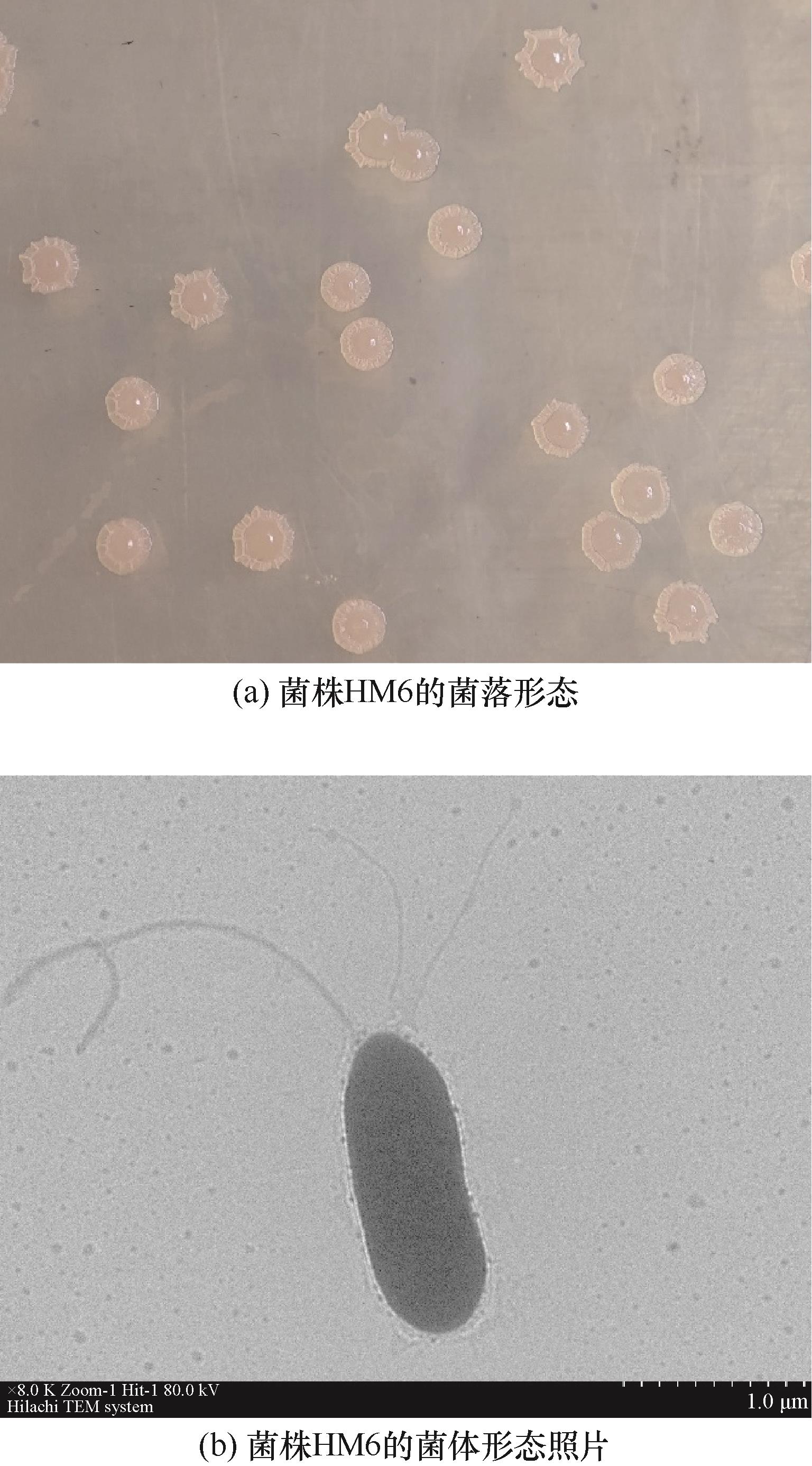
Fig.1 Morphological picture of strain HM6
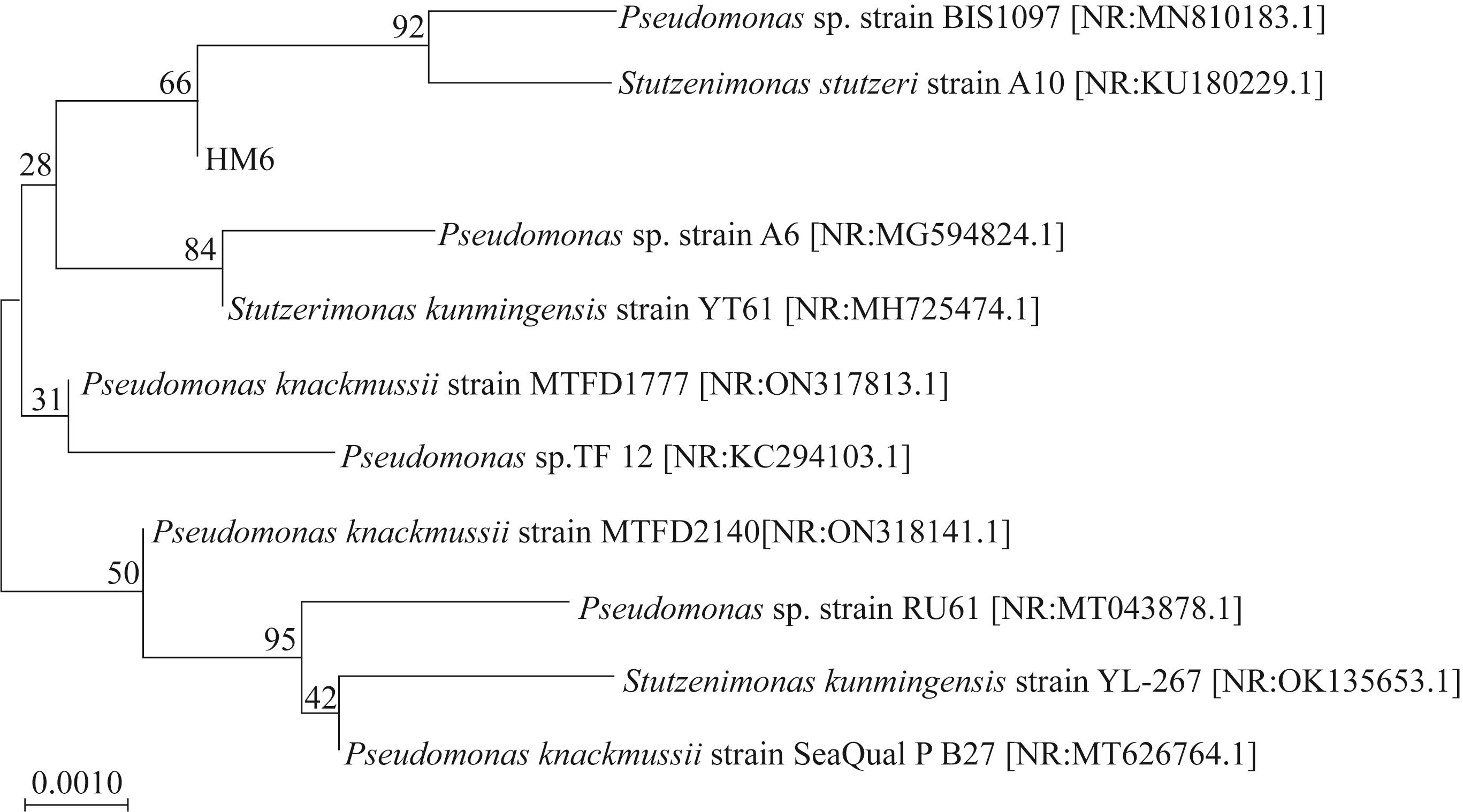
Fig.2 Phylogenetic analysis of strain HM6 based on 16S rDNA sequence
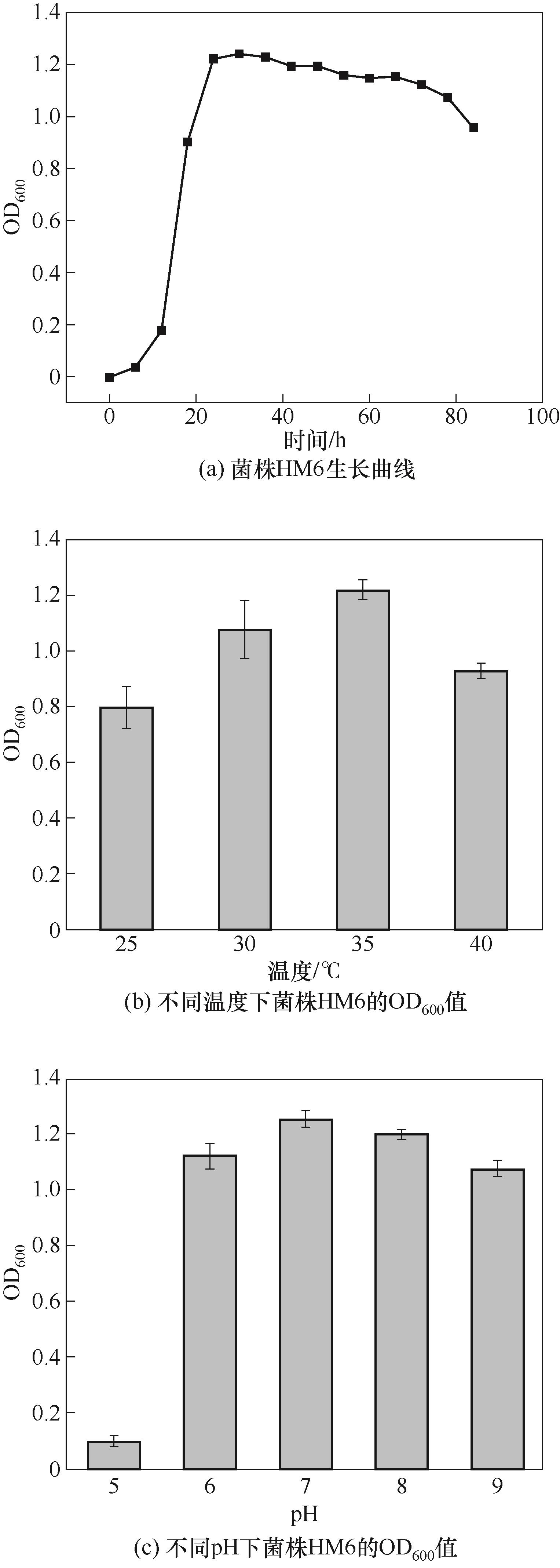
Fig.3 Grow curve(a), OD600 values of strain HM6 at different temperatures(b) and pH (c)
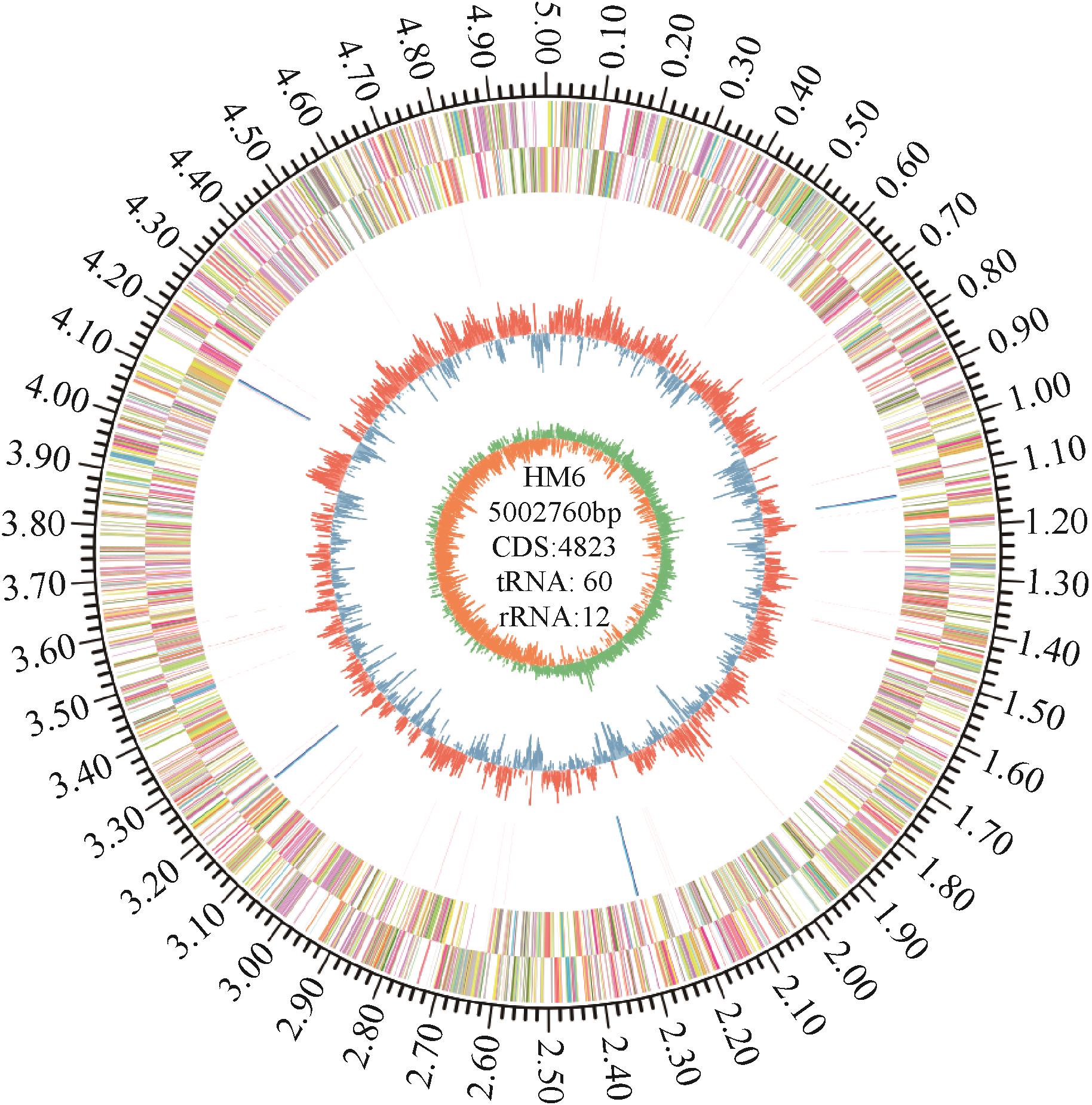
Fig.4 Genome map of strain HM6
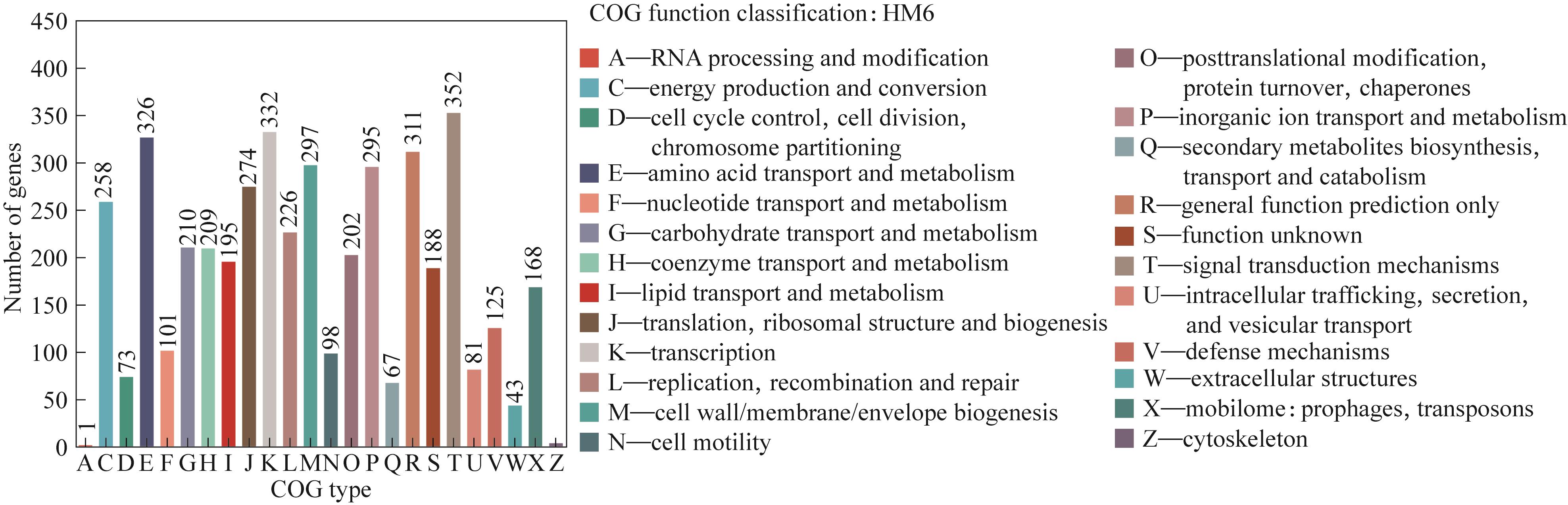
Fig.5 Genome function annotation of COG database
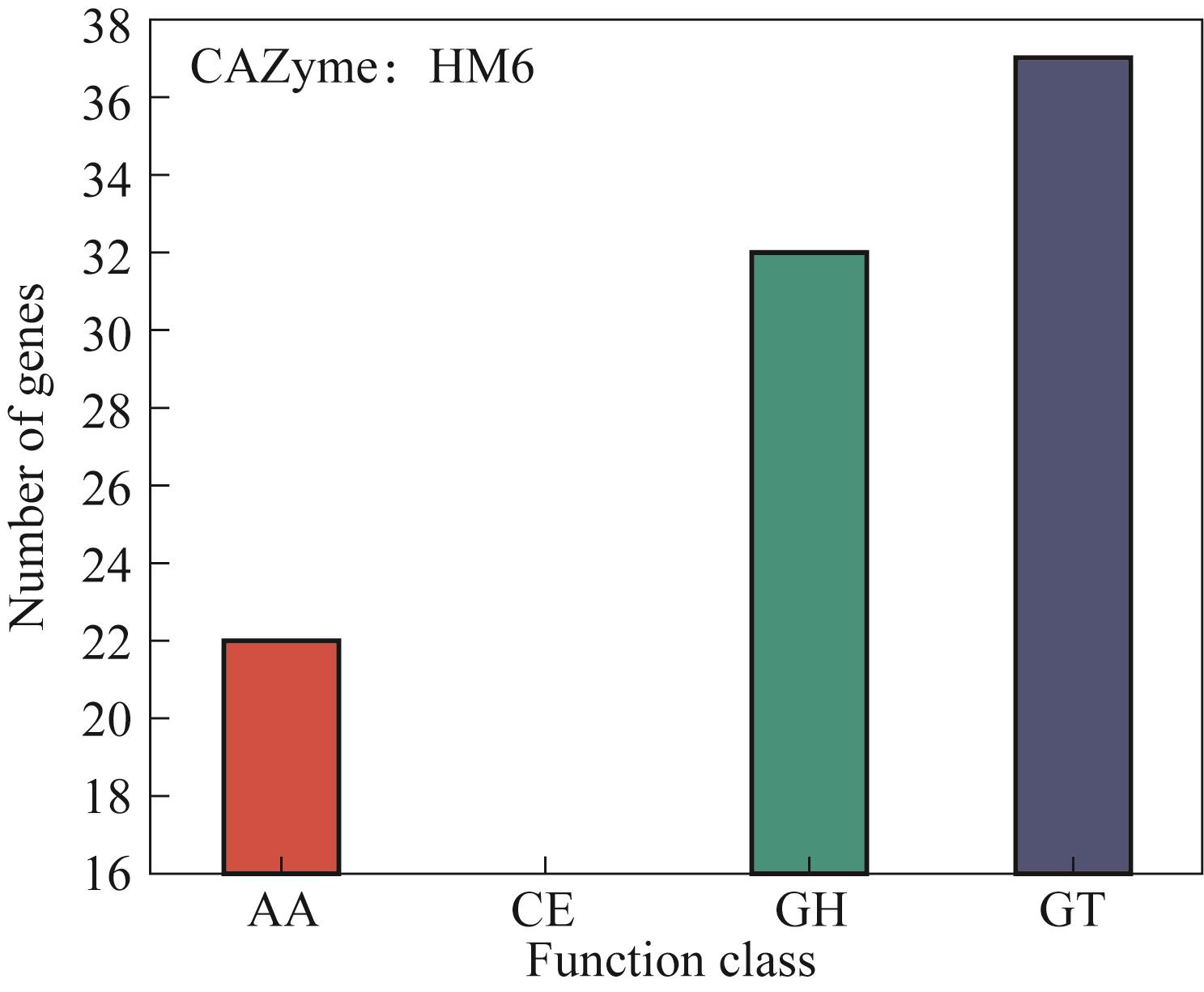
Fig.6 Carbohydrate-active enzyme annotation statistics
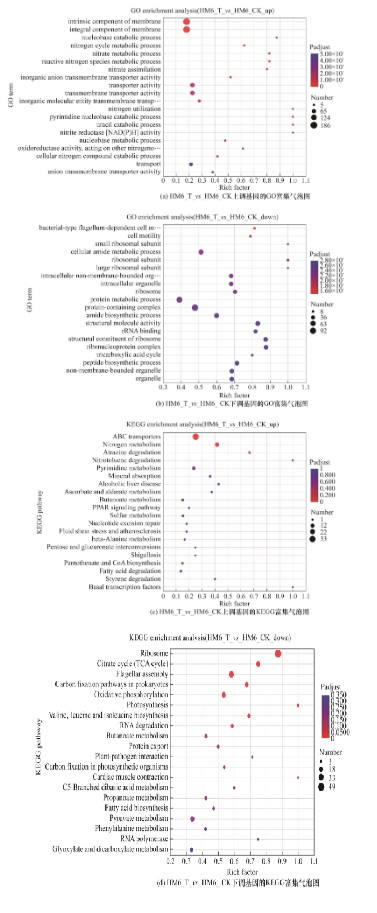
Fig.7 GO and KEGG enrichment analysis of differentially expressed genes between group HM6-T and group HM6-CK
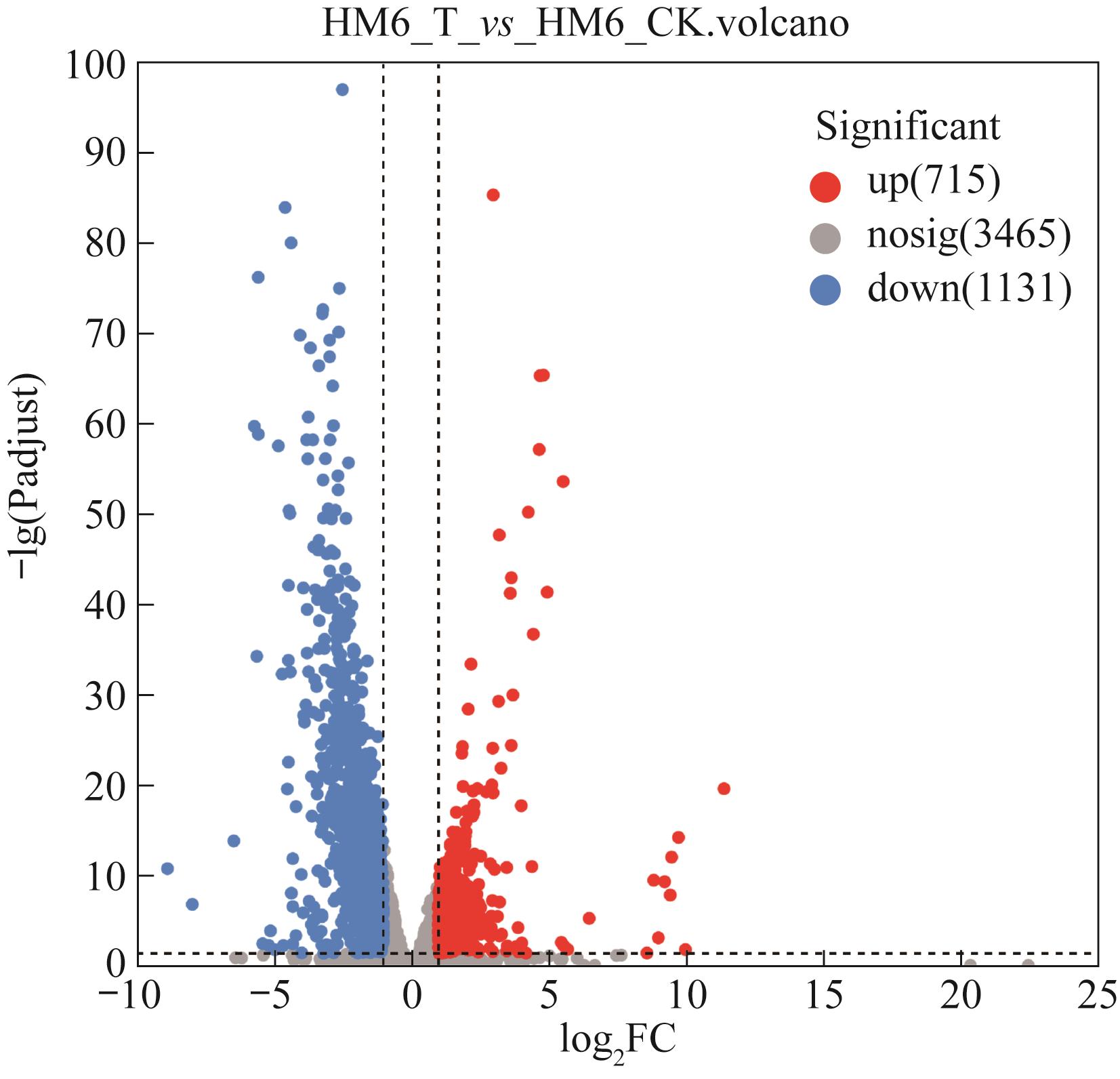
Fig.8 Volcano diagram of expression difference of strain HM6 under different carbon source conditions
| KEGG | 基因编号 | 名称 | 基因描述 | 显著性 | 上/下调情况 |
|---|---|---|---|---|---|
| K01692 | gene2244 | paaF | crotonase/enoyl-CoA hydratase family protein | yes | up |
| K00059 | gene1731 | fabG | MULTISPECIES: 3-oxoacyl-ACP reductase FabG | yes | up |
| gene2659 | fabG | MULTISPECIES: 3-oxoacyl-ACP reductase FabG | yes | up | |
| K00249 | gene0772 | acd | acyl-CoA dehydrogenase family protein | yes | up |
| gene2751 | bcd | acyl-CoA dehydrogenase | yes | down | |
| K22552 | gene1654 | copper oxidase | yes | up | |
| K00257 | gene2983 | acd | acyl-CoA/acyl-ACP dehydrogenase | yes | up |
| K00128 | gene0641 | aldB | MULTISPECIES: aldehyde dehydrogenase | yes | down |
| gene0924 | MULTISPECIES: aldehyde dehydrogenase family protein | yes | up | ||
| gene2891 | aldB | MULTISPECIES: aldehyde dehydrogenase | yes | down | |
| gene4094 | mmsA | MULTISPECIES: CoA-acylating methylmalonate-semialdehyde dehydrogenase | yes | up |
Table 1 Genes involved in HTPB degradation
| KEGG | 基因编号 | 名称 | 基因描述 | 显著性 | 上/下调情况 |
|---|---|---|---|---|---|
| K01692 | gene2244 | paaF | crotonase/enoyl-CoA hydratase family protein | yes | up |
| K00059 | gene1731 | fabG | MULTISPECIES: 3-oxoacyl-ACP reductase FabG | yes | up |
| gene2659 | fabG | MULTISPECIES: 3-oxoacyl-ACP reductase FabG | yes | up | |
| K00249 | gene0772 | acd | acyl-CoA dehydrogenase family protein | yes | up |
| gene2751 | bcd | acyl-CoA dehydrogenase | yes | down | |
| K22552 | gene1654 | copper oxidase | yes | up | |
| K00257 | gene2983 | acd | acyl-CoA/acyl-ACP dehydrogenase | yes | up |
| K00128 | gene0641 | aldB | MULTISPECIES: aldehyde dehydrogenase | yes | down |
| gene0924 | MULTISPECIES: aldehyde dehydrogenase family protein | yes | up | ||
| gene2891 | aldB | MULTISPECIES: aldehyde dehydrogenase | yes | down | |
| gene4094 | mmsA | MULTISPECIES: CoA-acylating methylmalonate-semialdehyde dehydrogenase | yes | up |
| 降解时间 | 组分1 | 组分2 | ||||
|---|---|---|---|---|---|---|
Mn/ (g/mol) | Mw/ (g/mol) | 多分散性 | Mn/ (g/mol) | Mw/ (g/mol) | 多分散性 | |
| 原样 | 9523 | 22364 | 2.350 | — | — | — |
| 对照组(28d) | 9426 | 20882 | 2.220 | — | — | — |
| 5 d | 9179 | 19808 | 2.160 | 682 | 784 | 1.150 |
| 10 d | 8767 | 19406 | 2.210 | 716 | 806 | 1.330 |
| 14 d | 6932 | 16141 | 2.328 | 383 | 652 | 1.701 |
| 21 d | 6857 | 15968 | 2.329 | 394 | 648 | 1.644 |
| 28 d | 6809 | 15795 | 2.320 | 366 | 617 | 1.685 |
Table 2 Distribution of HTPB molecular mass before and after degradation
| 降解时间 | 组分1 | 组分2 | ||||
|---|---|---|---|---|---|---|
Mn/ (g/mol) | Mw/ (g/mol) | 多分散性 | Mn/ (g/mol) | Mw/ (g/mol) | 多分散性 | |
| 原样 | 9523 | 22364 | 2.350 | — | — | — |
| 对照组(28d) | 9426 | 20882 | 2.220 | — | — | — |
| 5 d | 9179 | 19808 | 2.160 | 682 | 784 | 1.150 |
| 10 d | 8767 | 19406 | 2.210 | 716 | 806 | 1.330 |
| 14 d | 6932 | 16141 | 2.328 | 383 | 652 | 1.701 |
| 21 d | 6857 | 15968 | 2.329 | 394 | 648 | 1.644 |
| 28 d | 6809 | 15795 | 2.320 | 366 | 617 | 1.685 |
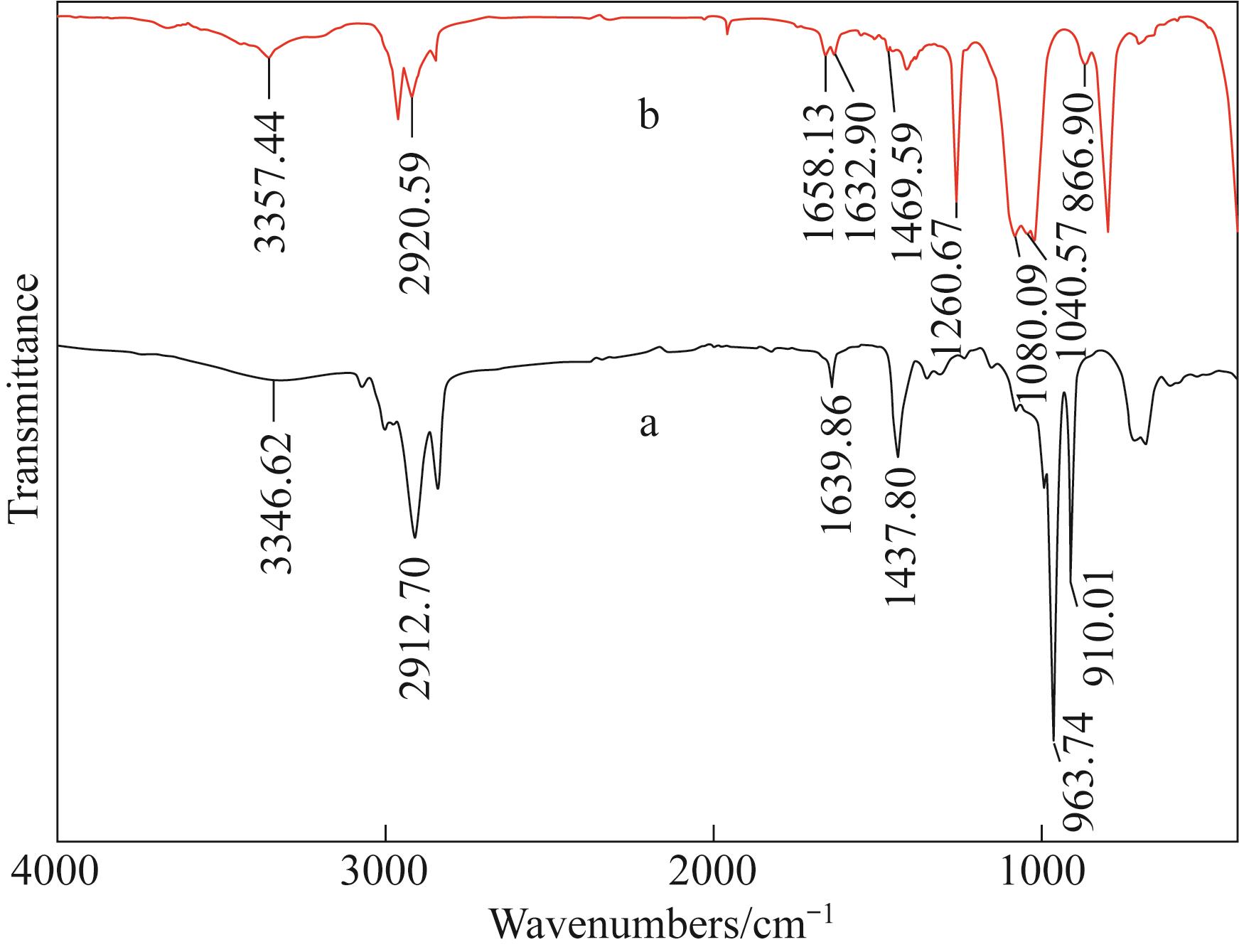
Fig.9 Fourier transform infrared spectra of HTPB before and after degradation
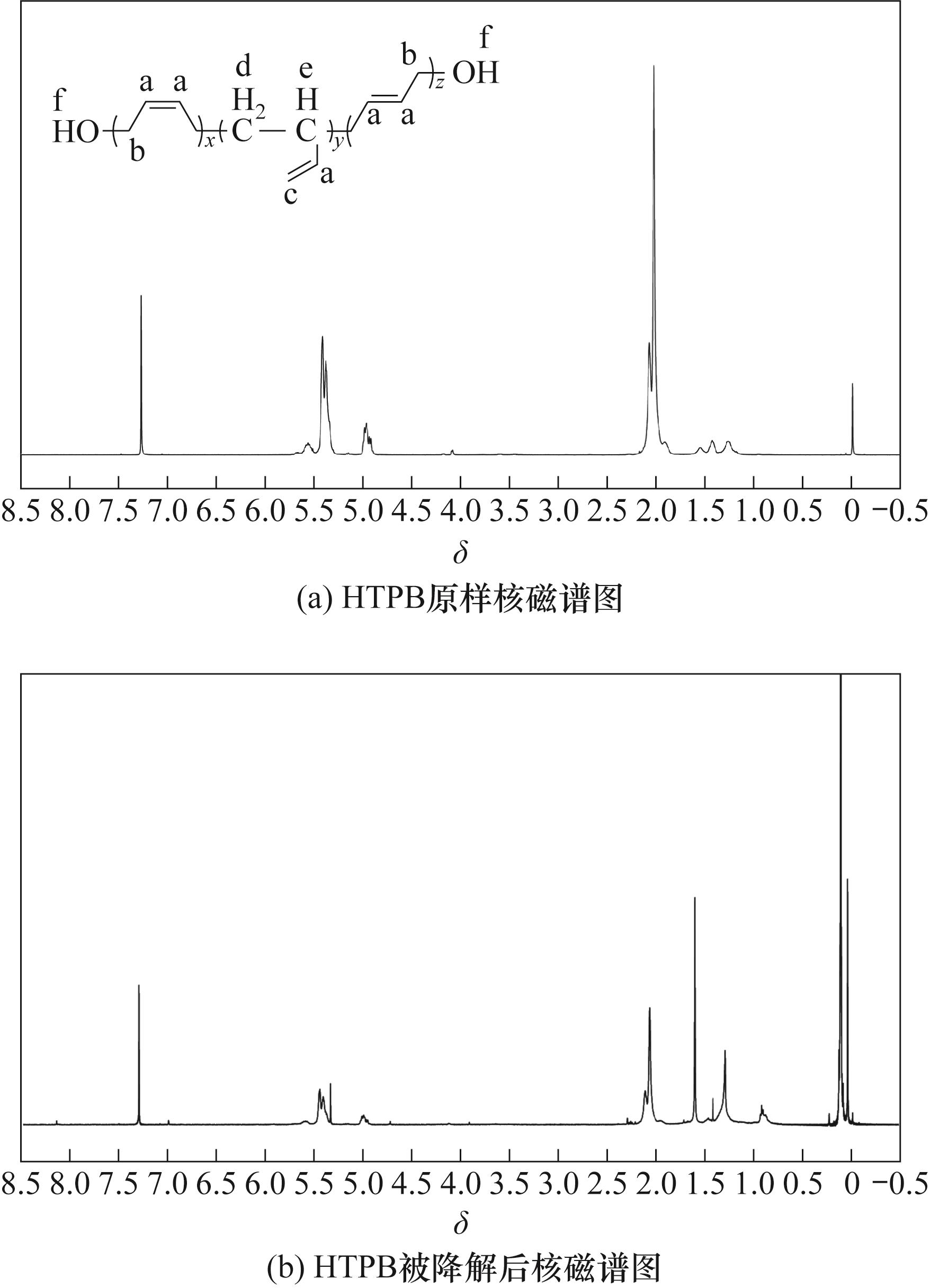
Fig.10 Nuclear magnetic spectra of HTPB before and after degradation
| 序号 | 保留时间/min | 化学式 | 鉴定产物 |
|---|---|---|---|
| 1 | 2.518 | CH4O | 甲醇 |
| 2 | 18.079 | C17H34O2 | 棕榈酸甲酯 |
| 3 | 19.665 | C19H40O | 十九烷醇 |
| 4 | 20.019 | C19H38O2 | 硬酯酸甲酯C18 |
| 5 | 20.758 | C22H44O2 | 正二十醋酸 |
| 6 | 21.575 | C20H42 | 正二十烷 |
| 7 | 22.069 | C21H38O4 | 一亚油酸甘油酯 |
| 8 | 22.420 | C23H32O2 | 抗氧剂2246 |
| 9 | 23.990 | C36H74 | 正三十六烷 |
| 10 | 25.465 | C34H70 | 正三十四烷 |
| 11 | 26.917 | C44H90 | 四十四烷 |
Table 3 Products detected by GC-MS
| 序号 | 保留时间/min | 化学式 | 鉴定产物 |
|---|---|---|---|
| 1 | 2.518 | CH4O | 甲醇 |
| 2 | 18.079 | C17H34O2 | 棕榈酸甲酯 |
| 3 | 19.665 | C19H40O | 十九烷醇 |
| 4 | 20.019 | C19H38O2 | 硬酯酸甲酯C18 |
| 5 | 20.758 | C22H44O2 | 正二十醋酸 |
| 6 | 21.575 | C20H42 | 正二十烷 |
| 7 | 22.069 | C21H38O4 | 一亚油酸甘油酯 |
| 8 | 22.420 | C23H32O2 | 抗氧剂2246 |
| 9 | 23.990 | C36H74 | 正三十六烷 |
| 10 | 25.465 | C34H70 | 正三十四烷 |
| 11 | 26.917 | C44H90 | 四十四烷 |
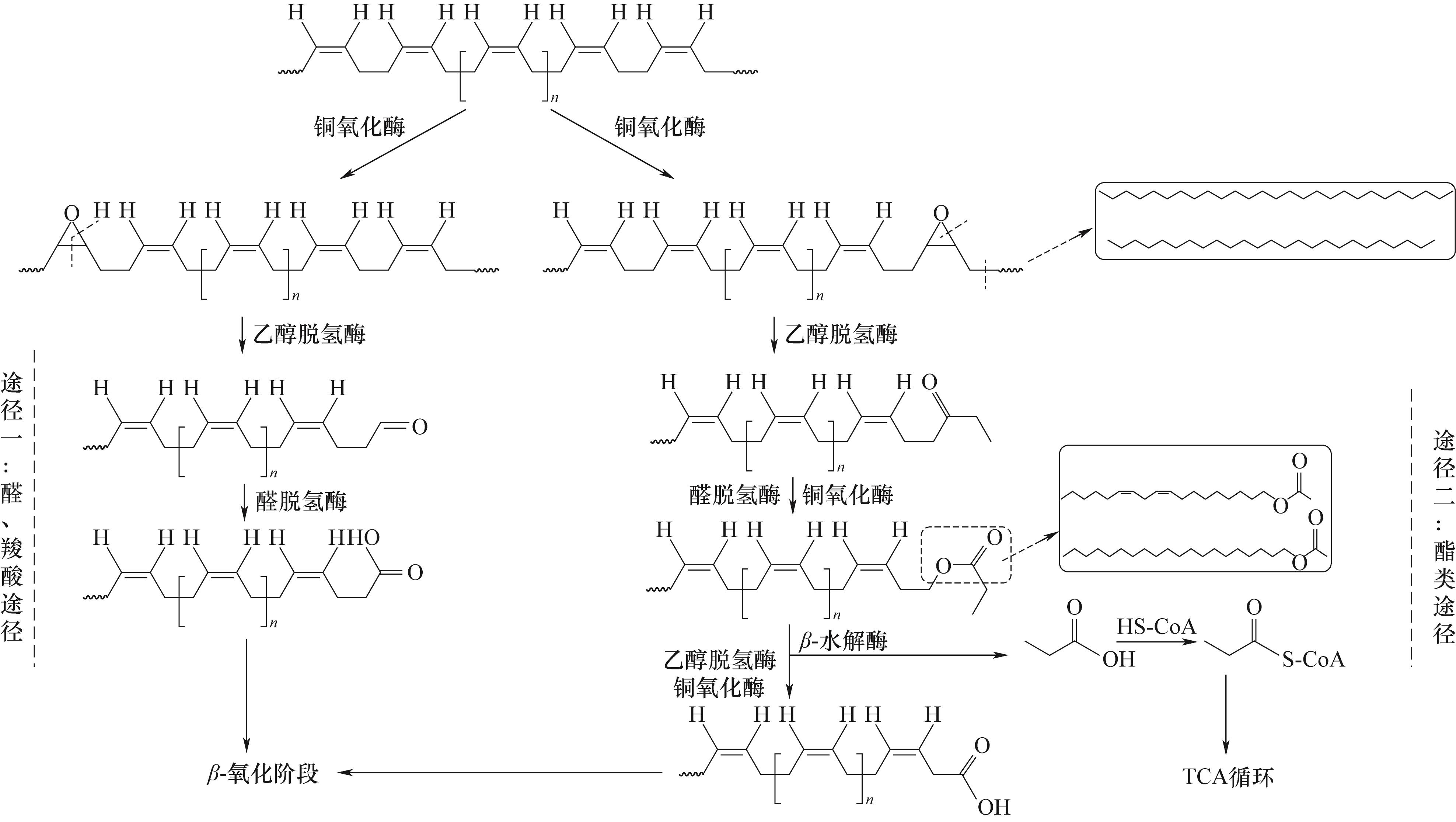
Fig.11 The degradation pathway of HTPB by strain HM6
| [1] | Kohga M. From cross-linking to plasticization–characterization of glycerin/HTPB blends[J]. Propellants, Explosives, Pyrotechnics, 2009, 34(5): 436-443. |
| [2] | Mohan Y M, Raju K M. Synthesis and characterization of HTPB-GAP cross-linked co-polymers[J]. Designed Monomers and Polymers, 2005, 8(2): 159-175. |
| [3] | Luo Y L, Miao Y, Xu F. Synthesis, phase behavior, and simulated in vitro degradation of novel HTPB-b-PEG polyurethane copolymers[J]. Macromolecular Research, 2011, 19(12): 1233-1241. |
| [4] | Medchill C, Perezselsky A A, Cortopassi A, et al. Transient plasma enhanced combustion of solid rocket propellants[J]. Aerospace Science and Technology, 2024, 148: 109107. |
| [5] | 李立远, 张丽华, 王鹏, 等. 废弃丁羟推进剂的处理与再利用研究进展[J]. 河南化工, 2010, 27(24): 3-7. |
| Li L Y, Zhang L H, Wang P, et al. Research progress on treatment and reuse of waste HTPB propellants[J]. Henan Chemical Industry, 2010, 27(24): 3-7. | |
| [6] | 鲁彦玲, 张力, 施冬梅, 等. 废弃发射药的再利用研究[J]. 环境科学与技术, 2006, 29(S1): 147-150. |
| Lu Y L, Zhang L, Shi D M, et al. Study on the reusing obsolete propellant[J]. Environmental Science & Technology, 2006, 29(S1): 147-150. | |
| [7] | Ganesh K, Sundarrajan S, Kishore K, et al. Primary pyrolysis products of hydroxy-terminated polybutadiene[J]. Macromolecules, 2000, 33(2): 326-330. |
| [8] | Williams P T. Pyrolysis of waste tyres: a review[J]. Waste Management, 2013, 33(8): 1714-1728. |
| [9] | 仪建华, 赵凤起, 李上文, 等. 美俄废弃火箭发动机装药绿色销毁与回收技术研究进展[J]. 化学推进剂与高分子材料, 2006, 4(6): 25-27, 37. |
| Yi J H, Zhao F Q, Li S W, et al. Research progress of green destruction and reclamation technology of obsolete rocket motor charge in America and Russia[J]. Chemical Propellants & Polymeric Materials, 2006, 4(6): 25-27, 37. | |
| [10] | Zhang Y, Zou M, Lodhi A F, et al. Microbial degradation and community structure analysis of hydroxyl-terminated polybutadiene (HTPB)[J]. AMB Express, 2021, 11(1): 180. |
| [11] | Wu K, Liu Y C, Ma Y, et al. Pretreatment of hydroxy-terminated polybutadiene (HTPB)/toluene diisocyanate (TDI) binder system for biodegradation[J]. Advanced Composites and Hybrid Materials, 2021, 4(1): 96-103. |
| [12] | 吴凯. 废弃丁羟推进剂黏合体系生物降解方法及机理[D]. 太原: 中北大学, 2021. |
| Wu K. Biodegradation method and mechanism of binder system waste from HTPB propellant[D]. Taiyuan: North University of China, 2021. | |
| [13] | Imai S, Ichikawa K, Muramatsu Y, et al. Isolation and characterization of Streptomyces, Actinoplanes, and Methylibium strains that are involved in degradation of natural rubber and synthetic poly(cis-1,4-isoprene)[J]. Enzyme and Microbial Technology, 2011, 49(6/7): 526-531. |
| [14] | Bröker D, Dietz D, Arenskötter M, et al. The genomes of the non-clearing-zone-forming and natural-rubber-degrading species Gordonia polyisoprenivorans and Gordonia westfalica harbor genes expressing Lcp activity in Streptomyces strains[J]. Applied and Environmental Microbiology, 2008, 74(8): 2288-2297. |
| [15] | Ibrahim E M A, Arenskötter M, Luftmann H, et al. Identification of poly(cis-1, 4-isoprene) degradation intermediates during growth of moderately thermophilic actinomycetes on rubber and cloning of a functional lcp homologue from Nocardia farcinica strain E1[J]. Applied and Environmental Microbiology, 2006, 72(5): 3375-3382. |
| [16] | Roy R V, Das M, Banerjee R, et al. Comparative studies on crosslinked and uncrosslinked natural rubber biodegradation by Pseudomonas sp.[J]. Bioresource Technology, 2006, 97(18): 2485-2488. |
| [17] | Yikmis M, Arenskötter M, Rose K, et al. Secretion and transcriptional regulation of the latex-clearing protein, Lcp, by the rubber-degrading bacterium Streptomyces sp. strain K30[J]. Applied and Environmental Microbiology, 2008, 74(17): 5373-5382. |
| [18] | Rose K, Tenberge K B, Steinbüchel A. Identification and characterization of genes from Streptomyces sp. strain K30 responsible for clear zone formation on natural rubber latex and poly(cis-1,4-isoprene) rubber degradation [J]. Biomacromolecules, 2005, 6(1): 180-188. |
| [19] | Nayanashree G, Thippeswamy B. Biodegradation of natural rubber by laccase and manganese peroxidase enzyme of Bacillus subtilis [J]. Environmental Processes, 2015, 2(4): 761-772. |
| [20] | Vivod R, Oetermann S, Hiessl S, et al. Oligo(cis-1,4-isoprene) aldehyde-oxidizing dehydrogenases of the rubber-degrading bacterium Gordonia polyisoprenivorans VH2[J]. Applied Microbiology and Biotechnology, 2017, 101(21): 7945-7960. |
| [21] | Song F, Li C, Zhang N, et al. A novel endophytic bacterial strain improves potato storage characteristics by degrading glycoalkaloids and regulating microbiota[J]. Postharvest Biology and Technology, 2023, 196: 112176. |
| [22] | Zhang N, Ding M Z, Yuan Y J. Current advances in biodegradation of polyolefins [J]. Microorganisms, 2022, 10(8): 1537. |
| [23] | Iiyoshi Y, Tsutsumi Y, Nishida T. Polyethylene degradation by lignin-degrading fungi and manganese peroxidase[J]. Journal of Wood Science, 1998, 44(3): 222-229. |
| [24] | Zhang Y, Pedersen J N, Eser B E, et al. Biodegradation of polyethylene and polystyrene: from microbial deterioration to enzyme discovery[J]. Biotechnology Advances, 2022, 60: 107991. |
| [25] | Cheng Y J, Wei Y C, Wu H L, et al. Biodegradation of vulcanized natural rubber by enriched bacterial consortia[J]. Chemical Engineering Journal, 2024, 481: 148685. |
| [26] | Ma Y X, Yan F, An L L, et al. Transcriptome analysis of changes in M. aeruginosa growth and microcystin production under low concentrations of ethinyl estradiol[J]. Science of the Total Environment, 2023, 859: 160226. |
| [27] | Wang F, Du W, Huang W X, et al. Linkages of volatile fatty acids and polyhexamethylene guanidine stress during sludge fermentation: metagenomic insights of microbial metabolic traits and adaptation[J]. Chinese Chemical Letters, 2023, 34(6): 107890. |
| [28] | Rozen R, Vockley J, Zhou L B, et al. Isolation and expression of a cDNA encoding the precursor for a novel member (ACADSB) of the acyl-CoA dehydrogenase gene family[J]. Genomics, 1994, 24(2): 280-287. |
| [29] | Manow R, Wang C, Garza E, et al. Expression of acetaldehyde dehydrogenase (aldB) improved ethanol production from xylose by the ethanologenic Escherichia coli RM10[J]. World Journal of Microbiology & Biotechnology, 2020, 36(4): 59. |
| [30] | Zhou S F, Ainala S K, Seol E, et al. Inducible gene expression system by 3-hydroxypropionic acid[J]. Biotechnology for Biofuels, 2015, 8: 169. |
| [31] | Harris D J, Assink R A, Celina M. NMR analysis of oxidatively aged HTPB/IPDI polyurethane rubber: degradation products, dynamics, and heterogeneity[J]. Macromolecules, 2001, 34(19): 6695-6700. |
| [32] | 康莹, 陈智群, 陈曼, 等. 复合固体推进剂长贮中HTPB胶微结构损伤研究[J]. 固体火箭技术, 2015, 38(4): 519-522, 527. |
| Kang Y, Chen Z Q, Chen M, et al. Microstructure damage of HTPB glue in the long-time storage of composite solid propellants[J]. Journal of Solid Rocket Technology, 2015, 38(4): 519-522, 527. | |
| [33] | Lv G Z, Cen L, Tan X W, et al. Preparation of epoxidized acrylonitrile butadiene rubber and its compatibilization effect on water-swellable rubber composites[J]. Journal of Applied Polymer Science, 2019, 136(26): 47694. |
| [34] | Huerta Lwanga E, Thapa B, Yang X M, et al. Decay of low-density polyethylene by bacteria extracted from earthworm's guts: a potential for soil restoration[J]. Science of the Total Environment, 2018, 624: 753-757. |
| [35] | Cheng X T, Xia M L, Yang Y. Biodegradation of vulcanized rubber by a gut bacterium from plastic-eating mealworms[J]. Journal of Hazardous Materials, 2023, 448: 130940. |
| [1] | Liang QIAO, Shang LI, Xinliang LIU, Ming WANG, Pei ZHANG, Yingfei HOU. Synthesis and molecular simulation of terpolymer viscosity reducer for heavy oil [J]. CIESC Journal, 2025, 76(7): 3686-3695. |
| [2] | Naisheng GUO, Xiaobo ZHU, Shuang WANG, Ping CHEN, Zhaoyang CHU, Zhichen WANG. Research progress on high and low temperature performance and influencing factors of polyurethane modified asphalt [J]. CIESC Journal, 2025, 76(6): 2505-2523. |
| [3] | Yanqiu LU, Yang DI, Wenbo SHI, Congcong YIN, Yong WANG. Research progress of smart responsive membranes based on novel porous organic polymers [J]. CIESC Journal, 2025, 76(5): 2101-2118. |
| [4] | Zijuan LI, Xiaoyan TAN, Yongsheng WU, Chenyi YANG, Hong CHEN, Xiaogang BI, Jie LIU, Faquan YU. Molecular simulation study on CO2/N2 separation via 3D-contorted catalytic arene-norbornene annulation polymer membrane [J]. CIESC Journal, 2025, 76(5): 2348-2357. |
| [5] | Zihang ZHAI, Jie JIANG, Jinjin LI, Ling ZHAO, Zhenhao XI. Synthesis and properties of ternary random copolyester PBSF based on 2,5-furandicarboxylic acid [J]. CIESC Journal, 2025, 76(2): 868-878. |
| [6] | Xin YING, Miao DU, Pengju PAN, Guorong SHAN. Synthesis, structure and properties of high refrective index polythiourethane [J]. CIESC Journal, 2025, 76(2): 858-867. |
| [7] | Chenlong GUO, Zhengqi PENG, Bingxue JIANG, Zhengkai WU, Deliang WANG, Qingyue WANG, Jieyuan ZHENG, Lim Khak Ho, Shengbin SHI, Xuan YANG, Pingwei LIU, Wenjun WANG. Advances in upcycling of post-consumer PET [J]. CIESC Journal, 2025, 76(2): 532-542. |
| [8] | Yanping JIA, Yanju MA, Wenxin GUAN, Bin YANG, Jian ZHANG, Lanhe ZHANG. Process conditions optimization and degradation mechanism of dye wastewater by Fe0/H2O2 system using response surface methodology [J]. CIESC Journal, 2025, 76(1): 348-362. |
| [9] | Qirui GUO, Liyuan REN, Kang CHEN, Xiangyu HUANG, Weihua MA, Leqin XIAO, Weiliang ZHOU. Numerical simulation of static mixing tubes for HTPB propellant slurry [J]. CIESC Journal, 2024, 75(S1): 206-216. |
| [10] | Jiaying ZHANG, Cong WANG, Yajun WANG. CNT-Co/Bi2O3 catalyst photocatalytic synergistic activation of persulfate for efficient degradation of tetracycline [J]. CIESC Journal, 2024, 75(9): 3163-3175. |
| [11] | Haiyan DU, Kai ZHU, Feng YOU, Jinfeng WANG, Yifan ZHAO, Nan ZHANG, Ying LI. Self-healing anti-freezing ionic hydrogel for strain sensors [J]. CIESC Journal, 2024, 75(7): 2709-2722. |
| [12] | Lin ZHANG, Ziyi ZHANG, Yong LI, Shaoping TONG. Preparation of Fe-carbon/nitrogen composites from Fe-MOF-74 precusor and its performance in activating peroxymonosulfate [J]. CIESC Journal, 2024, 75(5): 1882-1889. |
| [13] | Tao SUN, Meili SUN, Ran LU, Yizi YU, Kaifeng WANG, Xiaojun JI. Synthetic biology of yeasts drives green biomanufacturing of succinic acid [J]. CIESC Journal, 2024, 75(4): 1382-1393. |
| [14] | Wenhui ZHANG, Ruyi TANG, Xili CUI, Huabin XING. Fluorine spectrum analysis and structural characterization of Y-type perfluoropolyether carboxylic acid [J]. CIESC Journal, 2024, 75(4): 1718-1723. |
| [15] | Shupeng WANG, Jianjun DU, Yao YAO, Jiangli FAN, Xiaojun PENG. Mitochondria-targeted rhodamine photosensitizers for tumor fluorescence imaging [J]. CIESC Journal, 2024, 75(4): 1679-1686. |
| Viewed | ||||||
|
Full text |
|
|||||
|
Abstract |
|
|||||