CIESC Journal ›› 2025, Vol. 76 ›› Issue (6): 2828-2837.DOI: 10.11949/0438-1157.20241255
• Process system engineering • Previous Articles Next Articles
Xinyi LI1,2( ), Gongming WANG1,2(), Zipeng WANG1,2, Junfei QIAO1,2
Received:2024-11-06
Revised:2024-11-26
Online:2025-07-09
Published:2025-06-25
Contact:
Gongming WANG
李欣怡1,2(), 王功明1,2(), 王自鹏1,2, 乔俊飞1,2
通讯作者:
王功明
作者简介:李欣怡(2003—),女,硕士研究生,XINYILI599@emails.bjut.edu.cn
基金资助:CLC Number:
Xinyi LI, Gongming WANG, Zipeng WANG, Junfei QIAO. Research on intelligent prediction of water quality in sewage treatment process based on event triggering[J]. CIESC Journal, 2025, 76(6): 2828-2837.
李欣怡, 王功明, 王自鹏, 乔俊飞. 基于事件触发的污水处理过程水质智能预测研究[J]. 化工学报, 2025, 76(6): 2828-2837.
Add to citation manager EndNote|Ris|BibTeX
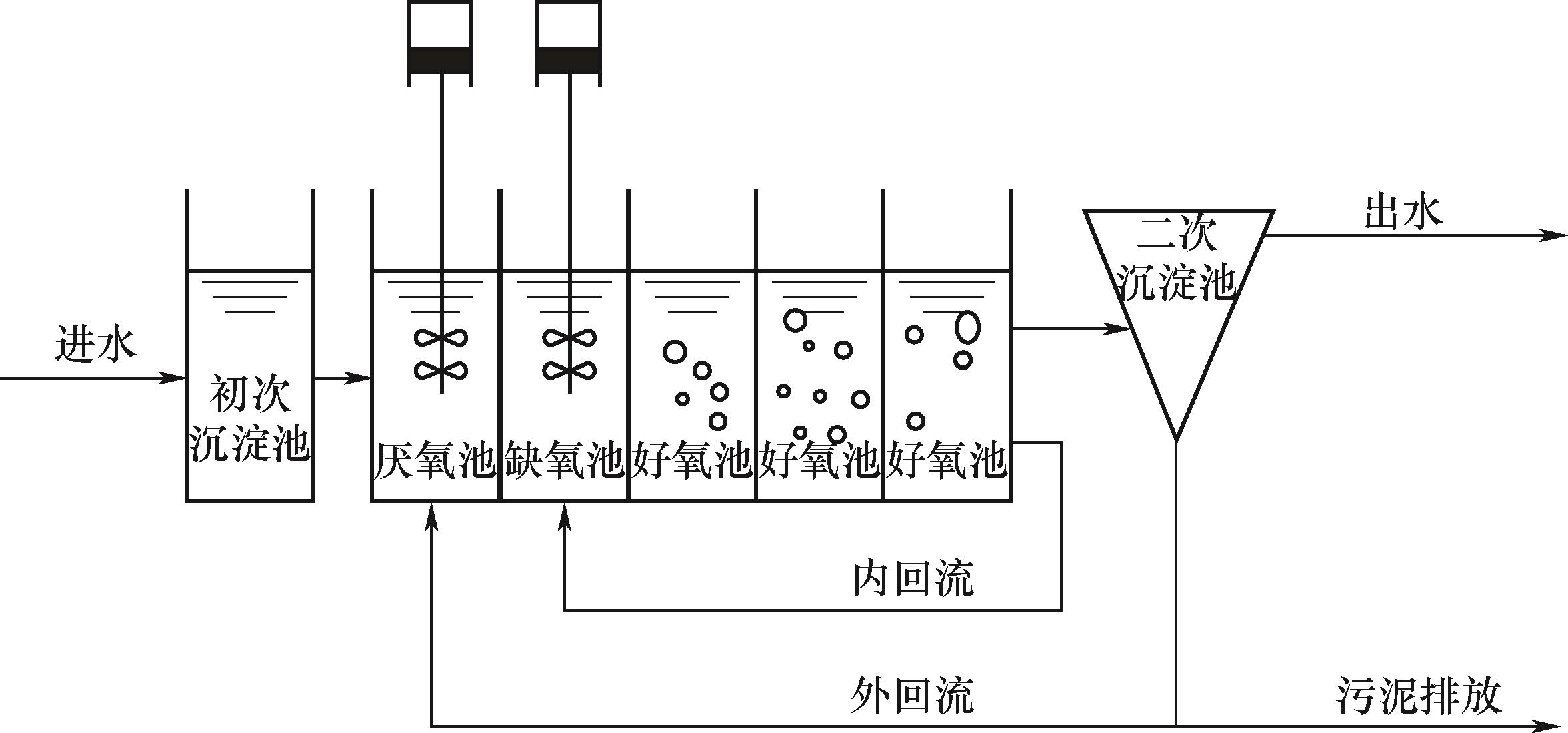
Fig.1 Schematic diagram of activated sludge in WWTP
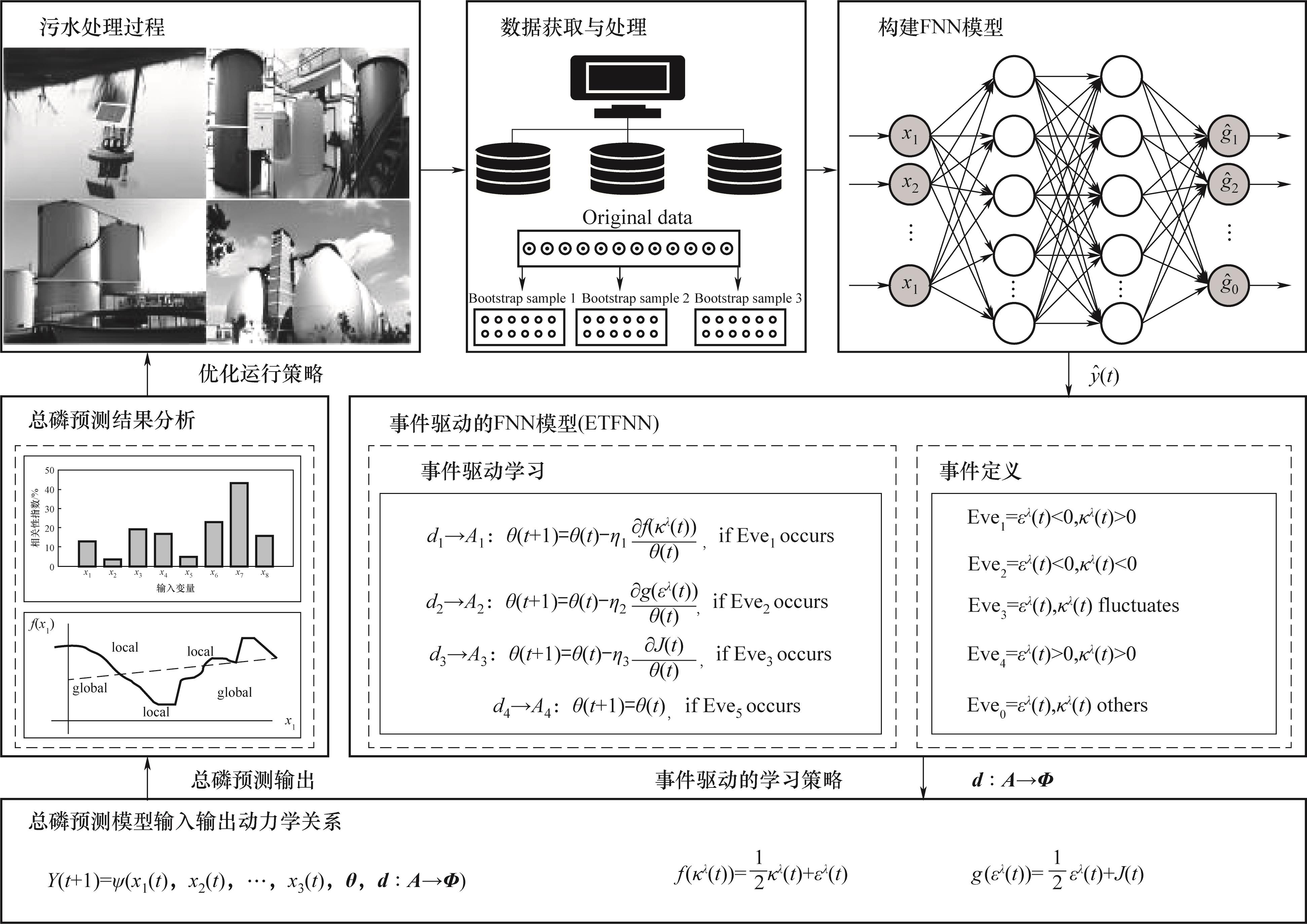
Fig.2 Operating schematic diagram of ETFNN-based total phosphorus soft-sensing model

Fig.3 Topology structure of FNN
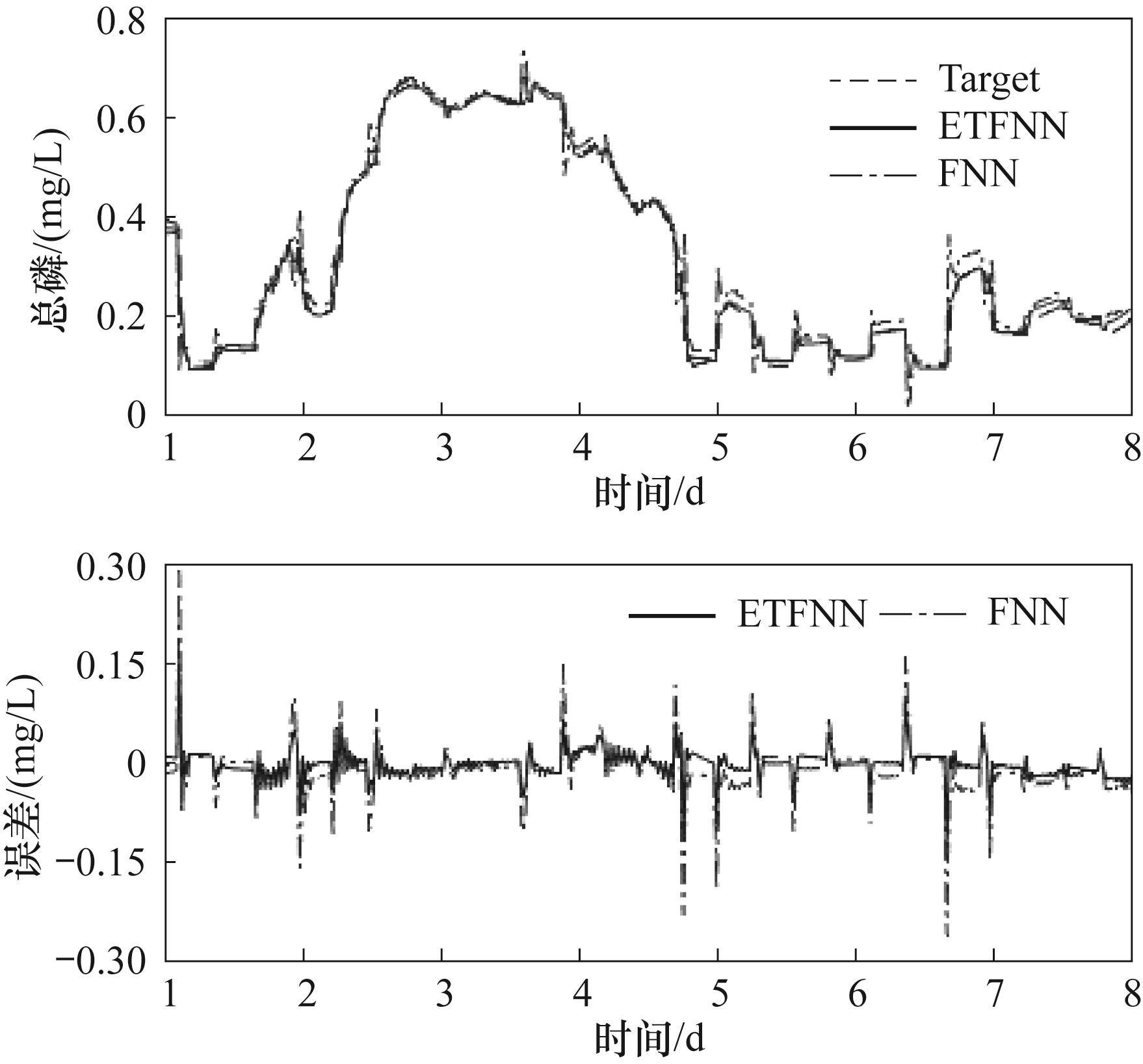
Fig.4 Training results and errors of total phosphorus
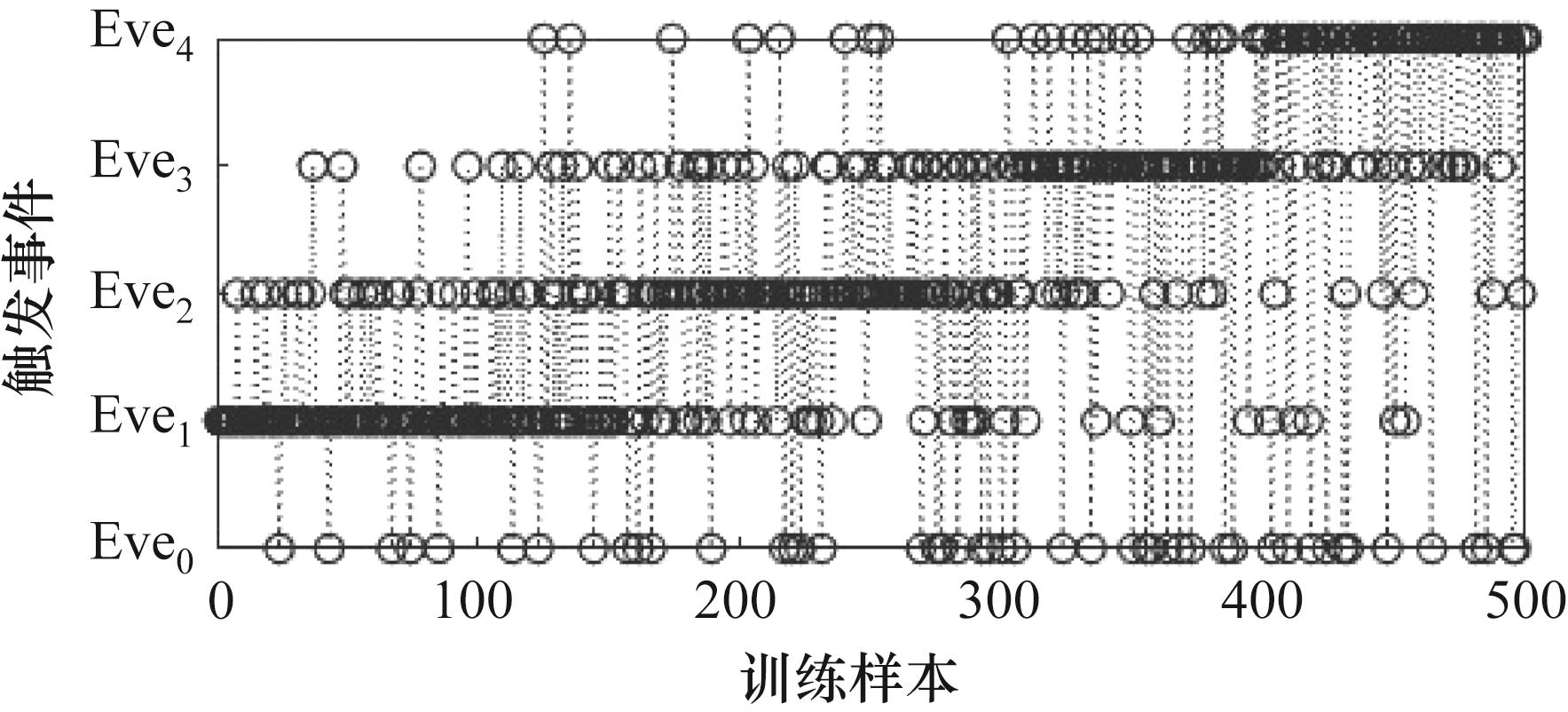
Fig.5 Triggering instants of events in training process
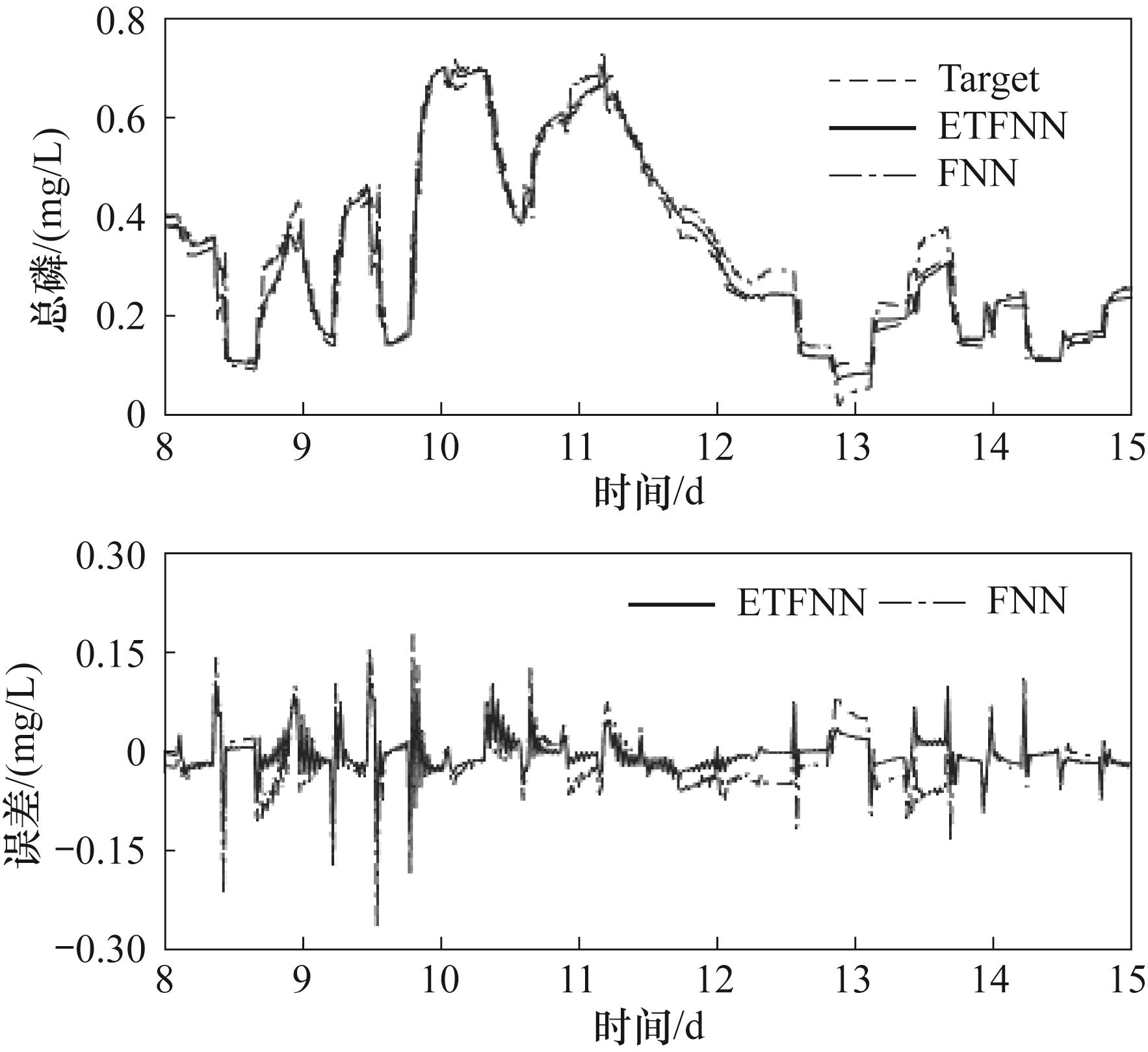
Fig.6 Prediction results and errors of total phosphorus
| 方法 | 训练样本RMSE/(mg/L) | 训练样本中参数有效更新次数 | 预测样本RMSE/(mg/L) | 预测样本运行时间/s |
|---|---|---|---|---|
ETFNN FNN SOFNN DBN LSTMNN RBFNN BPNN | 0.0415±0.0053 0.0861±0.0089 0.0646±0.0076 0.0598±0.0071 0.1094±0.0217 0.1208±0.0346 0.1572±0.0538 | 257±8 (48.60%±2.80%)↓ 500 500 500 500 500 500 | 0.0436±0.0068 0.0977±0.0094 0.0703±0.0082 0.0697±0.0075 0.1273±0.0243 0.3745±0.0492 0.1783±0.6858 | 13.29±0.92 18.65±1.43 15.58±1.18 21.93±1.58 18.51±1.47 20.38±1.52 25.76±1.93 |
Table 1 Comparison results of ETFNN soft-sensing model with the others in total phosphorus predictions
| 方法 | 训练样本RMSE/(mg/L) | 训练样本中参数有效更新次数 | 预测样本RMSE/(mg/L) | 预测样本运行时间/s |
|---|---|---|---|---|
ETFNN FNN SOFNN DBN LSTMNN RBFNN BPNN | 0.0415±0.0053 0.0861±0.0089 0.0646±0.0076 0.0598±0.0071 0.1094±0.0217 0.1208±0.0346 0.1572±0.0538 | 257±8 (48.60%±2.80%)↓ 500 500 500 500 500 500 | 0.0436±0.0068 0.0977±0.0094 0.0703±0.0082 0.0697±0.0075 0.1273±0.0243 0.3745±0.0492 0.1783±0.6858 | 13.29±0.92 18.65±1.43 15.58±1.18 21.93±1.58 18.51±1.47 20.38±1.52 25.76±1.93 |

Fig.7 Correlation index between TP and its related variables
| [1] | 中华人民共和国国家发展和改革委员会. 关于推进污水资源化利用的指导意见[R]. (2021-01-11)[2024-11-06].https://www.ndrc.gov.cn/xwdt/tzgg/202101/t20210111_1264795.html. |
| National Development and Reform Commission. Duidances on promoting the utilization of polluted water resources[R]. (2021-01-11)[2024-11-06]. https://www.ndrc.gov.cn/xwdt/tzgg/202101//t20210111_1264795.html. | |
| [2] | 徐敏, 张涛, 王东, 等. 中国水污染防治40年回顾与展望[J]. 中国环境管理, 2019, 11(3): 65-71. |
| Xu M, Zhang T, Wang D, et al. Review and prospect of water pollution prevention and control of China in the forty years of reform and opening-up[J]. Chinese Journal of Environmental Management, 2019, 11(3): 65-71. | |
| [3] | 蔡婕萍, 左高山, 许和连. 虚拟水: 国际水资源管理与启示[J]. 生态经济, 2019, 35(10): 200-206. |
| Cai J P, Zuo G S, Xu H L. Virtual water: the ana-lysis and enlightment of international water resources management[J]. Ecological Economy, 2019, 35(10): 200-206. | |
| [4] | 王功明, 李文静, 乔俊飞. 基于PLSR自适应深度信念网络的出水总磷预测[J]. 化工学报, 2017, 68(5): 1987-1997. |
| Wang G M, Li W J, Qiao J F. Prediction of effluent total phosphorus using PLSR-based adaptive deep belief network[J]. CIESC Journal, 2017, 68(5): 1987-1997. | |
| [5] | 张帅, 周平. 污水处理过程递推双线性子空间建模及无模型自适应控制[J]. 自动化学报, 2022, 48(7): 1747-1759. |
| Zhang S, Zhou P. Recursive dual-line subspace modeling and model-free adaptive control in sewage treatment process[J]. Acta Automatica Sinica, 2022, 48(7): 1747-1759. | |
| [6] | Wang G M, Jia Q S, Qiao J F, et al. A sparse deep belief network with efficient fuzzy learning framework[J]. Neural Networks, 2020, 121: 430-440. |
| [7] | 郭鑫, 李文静, 乔俊飞. 基于自组织模块化神经网络的污水处理过程出水参数预测[J]. 化工学报, 2024, 75(9): 3242-3254. |
| Guo X, Li W J, Qiao J F. Prediction of effluent parameters in wastewater treatment process using self-organizing modular neural network[J]. CIESC Journal, 2024, 75(9): 3242-3254. | |
| [8] | 王康成, 尚超, 柯文思, 等. 化工过程深度神经网络软测量的结构与参数自动调整方法[J]. 化工学报, 2018, 69(3): 900-906. |
| Wang K C, Shang C, Ke W S, et al. Automatic structure and parameters tuning method for deep neural network soft sensor in chemical industries[J]. CIESC Journal, 2018, 69(3): 900-906. | |
| [9] | Wang G M, Jia Q S, Zhou M C, et al. Artificial neural networks for water quality soft-sensing in wastewater treatment: a review[J]. Artificial Intelligence Review, 2022, 55(1): 565-587. |
| [10] | Foschi J, Turolla A, Antonelli M. Soft sensor predictor of E.coli concentration based on conventional monitoring parameters for wastewater disinfection control[J]. Water Research, 2021, 191: 116806. |
| [11] | 韩红桂, 陈治远, 乔俊飞, 等. 基于区间二型模糊神经网络的出水氨氮软测量[J]. 化工学报, 2017, 68(3): 1032-1040. |
| Han H G, Chen Z Y, Qiao J F, et al. Soft-sensor method for effluent ammonia nitrogen based on interval type-2 fuzzy neural networks[J]. CIESC Journal, 2017, 68(3): 1032-1040. | |
| [12] | 廉小亲, 王俐伟, 安飒, 等. 基于SOM-RBF神经网络的COD软测量方法[J]. 化工学报, 2019, 70(9): 3465-3472. |
| Lian X Q, Wang L W, An S, et al. On soft sensor of chemical oxygen demand by SOM-RBF neural network[J]. CIESC Journal, 2019, 70(9): 3465-3472. | |
| [13] | 闻超垚, 周平. 污水处理过程出水水质稀疏鲁棒建模[J]. 自动化学报, 2022, 48(6): 1469-1481. |
| Wen C Y, Zhou P. Sparse robust modeling of effluent quality indices in wastewater treatment process[J]. Acta Automatica Sinica, 2022, 48(6): 1469-1481. | |
| [14] | 张瑞垚, 周平. 基于鲁棒加权模糊聚类的污水处理过程监测方法[J]. 自动化学报, 2022, 48(9): 2198-2211. |
| Zhang R Y, Zhou P. Robust weighted fuzzy clustering for sewage treatment process monitoring[J]. Acta Automatica Sinica, 2022, 48(9): 2198-2211. | |
| [15] | 李文静, 李萌, 乔俊飞. 基于互信息和自组织RBF神经网络的出水BOD软测量方法[J]. 化工学报, 2019, 70(2): 687-695. |
| Li W J, Li M, Qiao J F. Effluent BOD soft measurement based on mutual information and self-organizing RBF neural network[J]. CIESC Journal, 2019, 70(2): 687-695. | |
| [16] | 曹跃, 陈志文, 袁小锋, 等. 部分子块通讯的分布式PCA厂级工业过程监测方法[J]. 控制与决策, 2020, 35(6): 1281-1290. |
| Cao Y, Chen Z W, Yuan X F, et al. Distributed PCA for plant-wide processes monitoring with partial block communication[J]. Control and Decision, 2020, 35(6): 1281-1290. | |
| [17] | Heo S, Nam K, Loy-Benitez J, et al. Data-driven hybrid model for forecasting wastewater influent loads based on multimodal and ensemble deep learning[J]. IEEE Transactions on Industrial Informatics, 2021, 17(10): 6925-6934. |
| [18] | 钱锋, 杜文莉, 钟伟民, 等. 石油和化工行业智能优化制造若干问题及挑战[J]. 自动化学报, 2017, 43(6): 893-901. |
| Qian F, Du W L, Zhong W M, et al. Problems and challenges of smart optimization manufacturing in petrochemical industries[J]. Acta Automatica Sinica, 2017, 43(6): 893-901. | |
| [19] | 韩红桂, 张琳琳, 伍小龙, 等. 数据和知识驱动的城市污水处理过程多目标优化控制[J]. 自动化学报, 2021, 47(11): 2538-2546. |
| Han H G, Zhang L L, Wu X L, et al. Data-knowledge driven multiobjective optimal control for municipal wastewater treatment process[J]. Acta Automatica Sinica, 2021, 47(11): 2538-2546. | |
| [20] | 佟素娟, 薛同来. 基于PSO-ACO算法的再生水厂出水总磷预测模型研究[J]. 现代盐化工, 2023, 50(4): 35-37. |
| Tong S J, Xue T L. Study on prediction model of total phosphorus in effluent of reclaimed water plant based on PSO-ACO algorithm[J]. Modern Salt Chemical Industry, 2023, 50(4): 35-37. | |
| [21] | Wang K, Yuan X F, Chen J, et al. Supervised and semi-supervised probabilistic learning with deep neural networks for concurrent process-quality monitoring[J]. Neural Networks, 2021, 136: 54-62. |
| [22] | 孙铭, 魏守科, 王莹洁, 等. 基于小波分解的LSTM水质预测模型[J]. 计算机系统应用, 2020, 29(12): 55-63. |
| Sun M, Wei S K, Wang Y J, et al. Prediction model of water quality based on wavelet decomposition and LSTM[J]. Computer Systems & Applications, 2020, 29(12): 55-63. | |
| [23] | Zhou H B, Qiao J F. Soft sensing of effluent ammonia nitrogen using rule automatic formation-based adaptive fuzzy neural network[J]. Desalination and Water Treatment, 2019, 140: 132-142. |
| [24] | Wang G M, Qiao J F. An efficient self-organizing deep fuzzy neural network for nonlinear system modeling[J]. IEEE Transaction on Fuzzy Systems, 2022, 30(7): 2170-2182. |
| [25] | Du S L, Zhang Q D, Han H G, et al. Event-triggered model predictive control of wastewater treatment plants[J]. Journal of Water Process Engineering, 2022, 47: 102765. |
| [26] | Liu Z, Han H G, Yang H Y, et al. Knowledge-aided and data-driven fuzzy decision making for sludge bulking[J]. IEEE Transactions on Fuzzy Systems, 2023, 31(4): 1189-1201. |
| [27] | Wang G M, Chen H, Han H G, et al. Predicting water quality with nonstationarity: event-triggered deep fuzzy neural network[J]. IEEE Transactions on Fuzzy Systems, 2024, 32(5): 2690-2699. |
| [28] | Wu Z J, Jia Q S, Guan X H. Optimal control of multiroom HVAC system: an event-based approach[J]. IEEE Transactions on Control Systems Technology, 2016, 24(2): 662-669. |
| [29] | Cao X R. Stochastic learning and optimization—A sensitivity-based approach[J]. Annual Reviews in Control, 2009, 33(1):11-24. |
| [30] | Wang G M, Chen H, Jiang S L, et al. Neurodynamics-driven prediction model for state evolution of coastal water quality[J]. IEEE Transactions on Instrumentation and Measurement, 2024, 73: 2519409. |
| [31] | Bi J, Lin Y Z, Dong Q X, et al. Large-scale water quality prediction with integrated deep neural network[J]. Information Sciences, 2021, 571: 191-205. |
| [1] | Jingxin ZHANG, Jiaojie HE, Qingwang CAI, Ziyi KANG, Yusi YANG, Tong WANG, Xiantao CAO, Liwei YANG. Prediction of COD concentration in wastewater treatment plant effluent based on secondary decomposition and BiLSTM [J]. CIESC Journal, 2025, 76(6): 2859-2871. |
| [2] | Tianyong ZHANG, Jingyi ZHANG, Shuang JIANG, Bin LI, Dongjun LYU, Dumin CHEN, Xue CHEN. Preparation and utilization of carbon-based adsorbent from organic pollutants in waste salt during acidic blue AS dye production [J]. CIESC Journal, 2024, 75(3): 890-899. |
| [3] | Yong ZHANG, Jingbo ZHAO, Limin QUAN. A prediction method for effluent ammonia nitrogen concentration based on convolutional layer and attention mechanism long short-term memory network [J]. CIESC Journal, 2024, 75(12): 4679-4688. |
| [4] | ZHAO Yang, XIONG Weili. Multi-objective optimization control of wastewater treatment process based on multi-strategy adaptive differential evolution algorithm [J]. CIESC Journal, 2021, 72(4): 2167-2177. |
| [5] | WANG Ying, LI Qian, CAO Lixia, LI Yanxiang, LI Wangliang. Progress of biomass-based materials for uranium adsorption [J]. CIESC Journal, 2021, 72(3): 1205-1216. |
| [6] | Tangwei CHEN, Zhicheng PAN, Ying CHEN, Min LIU, Tingting CHEN, Yaping ZHONG. Effect of hydrocyclone split ratio on carbon release performance of excess sludge [J]. CIESC Journal, 2021, 72(11): 5761-5769. |
| [7] | Hongbiao ZHOU, Yu ZHANG, Xiaoying BAI, Baolian LIU, Huanyu ZHAO. Model predictive control of nonlinear system based on adaptive fuzzy neural network [J]. CIESC Journal, 2020, 71(7): 3201-3212. |
| [8] | Lu ZHANG, Jiacheng ZHANG, Honggui HAN, Junfei QIAO. FNN-based process control for biochemical phosphorus in WWTP [J]. CIESC Journal, 2020, 71(3): 1217-1225. |
| [9] | Meihua QIN, Hongqiu ZHU, Yonggang LI, Junming CHEN, Fengxue ZHANG, Wenting LI. Soft-sensor method for ion concentration of electrochemical wastewater treatment based on STA-K-means clustering [J]. CIESC Journal, 2019, 70(9): 3458-3464. |
| [10] | Wei CHAI, Longhang GUO, Binbin CHI. Interval model for predicting effluent quality variables of wastewater treatment plants [J]. CIESC Journal, 2019, 70(9): 3449-3457. |
| [11] | Junfei QIAO, Zengzeng HE, Shengli DU. Design of self-organizing fuzzy neural network based on hybrid evaluation index [J]. CIESC Journal, 2019, 70(7): 2606-2615. |
| [12] | Fei LI, Cuili YANG, Wenjing LI, Junfei QIAO. Optimal control of wastewater treatment process using NSGAII algorithm based on multi-objective uniform distribution [J]. CIESC Journal, 2019, 70(5): 1868-1878. |
| [13] | Jing WU, Yiqi LIU, Jian LIU, Daoping HUANG, Yu QIU, Guangping YU. Study on the soft sensor of multi-kernel relevance vector machine based on time difference [J]. CIESC Journal, 2019, 70(4): 1472-1484. |
| [14] | Yongming LI, Xudong SHI, Weili XIONG. Condition recognition based intelligent multi-objective optimal control for wastewater treatment [J]. CIESC Journal, 2019, 70(11): 4325-4336. |
| [15] | XU Yuge, SUN Chengli, LAI Chunling, LUO Fei. Ensemble WELM method for imbalanced learning in fault diagnosis of wastewater treatment process [J]. CIESC Journal, 2018, 69(7): 3114-3124. |
| Viewed | ||||||
|
Full text |
|
|||||
|
Abstract |
|
|||||


