化工学报 ›› 2025, Vol. 76 ›› Issue (12): 6277-6288.DOI: 10.11949/0438-1157.20250492
张博1( ), 李弘锐1, 王露1, 李震1,2()
收稿日期:2025-05-06
修回日期:2025-09-26
出版日期:2025-12-31
发布日期:2026-01-23
通讯作者:
李震
作者简介:张博(1996—),男,博士研究生,b-zhang21@mails.tsinghua.edu.cn
基金资助:
Bo ZHANG1(), Hongrui LI1, Lu WANG1, Zhen LI1,2()
Received:2025-05-06
Revised:2025-09-26
Online:2025-12-31
Published:2026-01-23
Contact:
Zhen LI
摘要:
随着服务器功耗持续攀升,传统风冷技术因能耗高、噪声大及冷却能力不足等缺陷逐渐受限。单相浸没液冷技术凭借传热系数大、能耗低、噪声低等优势成为研究热点。首先,针对矿物油、硅油和氟碳液三种典型单相浸没冷却液的物性进行对比分析。结果显示,油基冷却液(矿物油与硅油)的密度约为氟碳液的1/2,比热容和热导率接近氟碳液的2倍,但黏度却高出氟碳液1~2个数量级,导致边界层厚度显著增加。其次,以典型服务器为研究对象,采用计算流体力学(CFD)方法模拟不同冷却液的冷却效果,并提出析热系数(HDC)作为性能评价指标。HDC分析表明,SS-110冷却液具有优异的流动换热特性,其核心优势在于极低的运动黏度。最后,设计并搭建单相浸没液冷实验系统,对矿物油的冷却效果进行实测。实验结果显示,在矿物油流量为1080 L/h时,可以带走1600 W的热量,但是存在流量分配不均匀现象,导致不同环氧树脂板上的发热片平均温度相差可达到9.8℃。此外,实验发现导热硅脂在硅油环境中出现部分溶解现象,因此,不建议将导热硅脂应用于以硅油为冷却介质的浸没液冷系统。
中图分类号:
张博, 李弘锐, 王露, 李震. 单相浸没冷却液及液冷系统的流动换热特性研究[J]. 化工学报, 2025, 76(12): 6277-6288.
Bo ZHANG, Hongrui LI, Lu WANG, Zhen LI. Research on the flow and heat transfer characteristics of single-phase immersion coolants and liquid cooling system[J]. CIESC Journal, 2025, 76(12): 6277-6288.
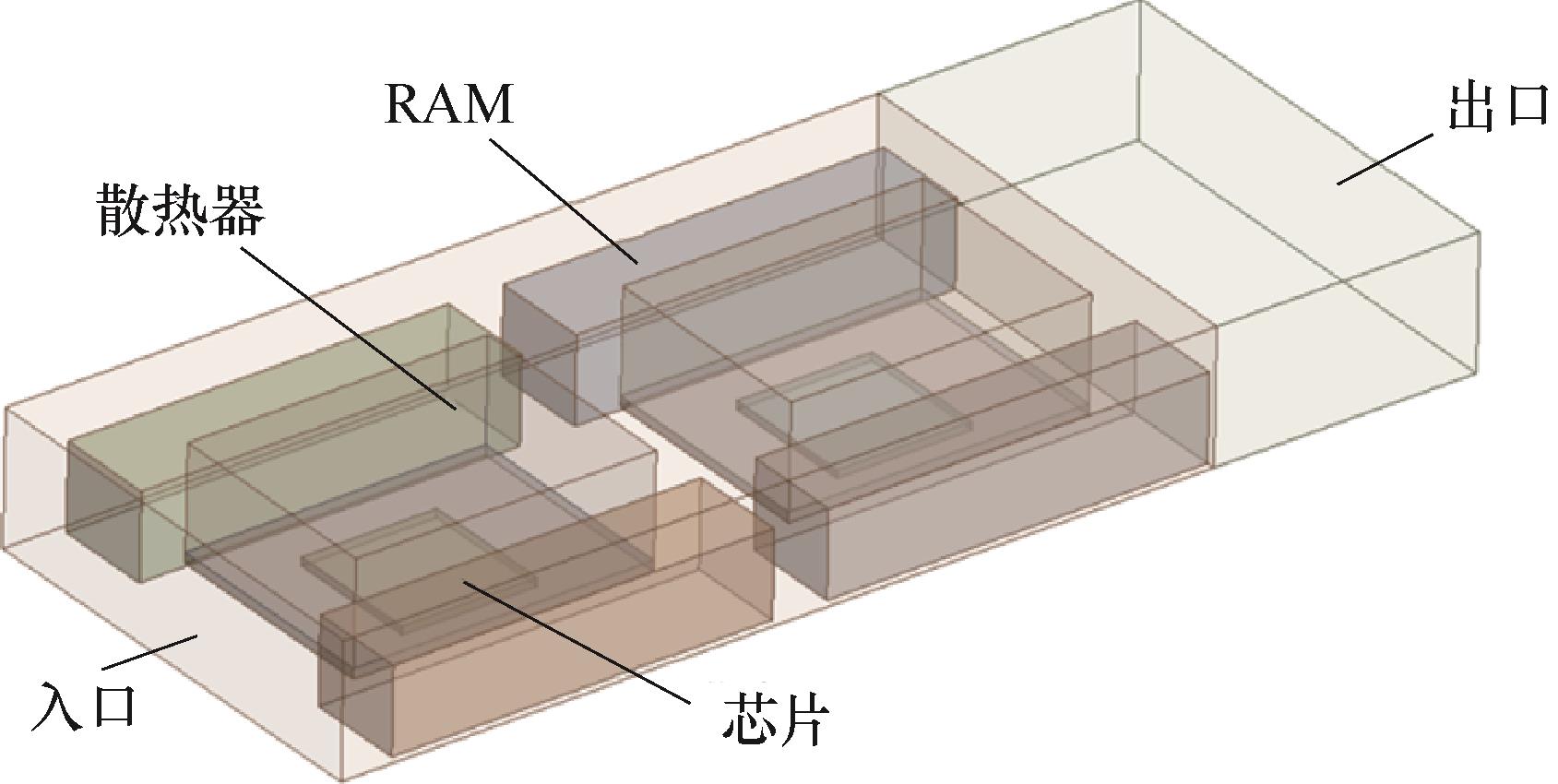
图1 CFD计算中使用的服务器模型
Fig.1 The server model employed in the CFD calculation
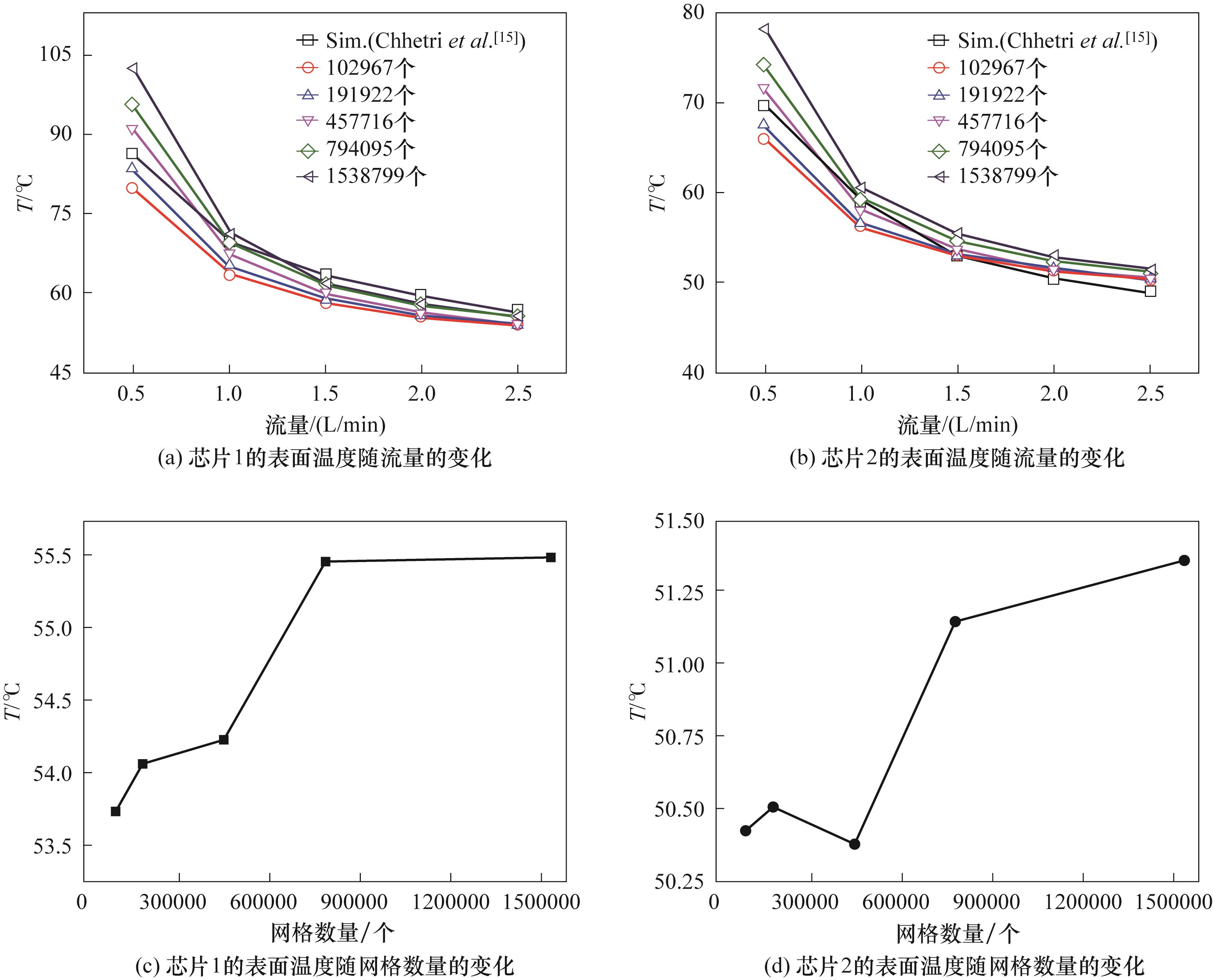
图2 网格无关性验证
Fig.2 Grid independence verification
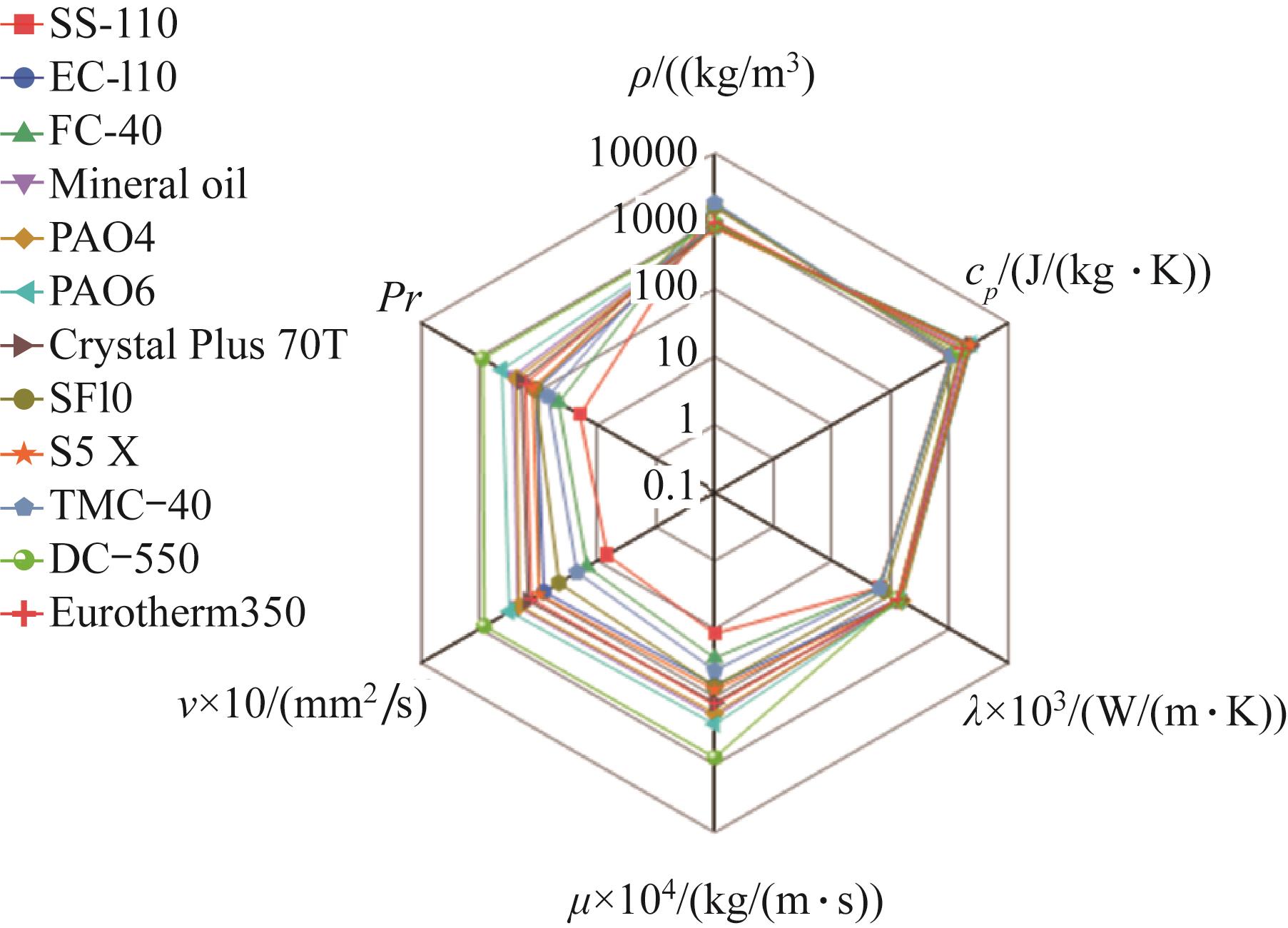
图3 不同冷却液的物性参数对比
Fig.3 Comparison of the physical property parameters of different coolants
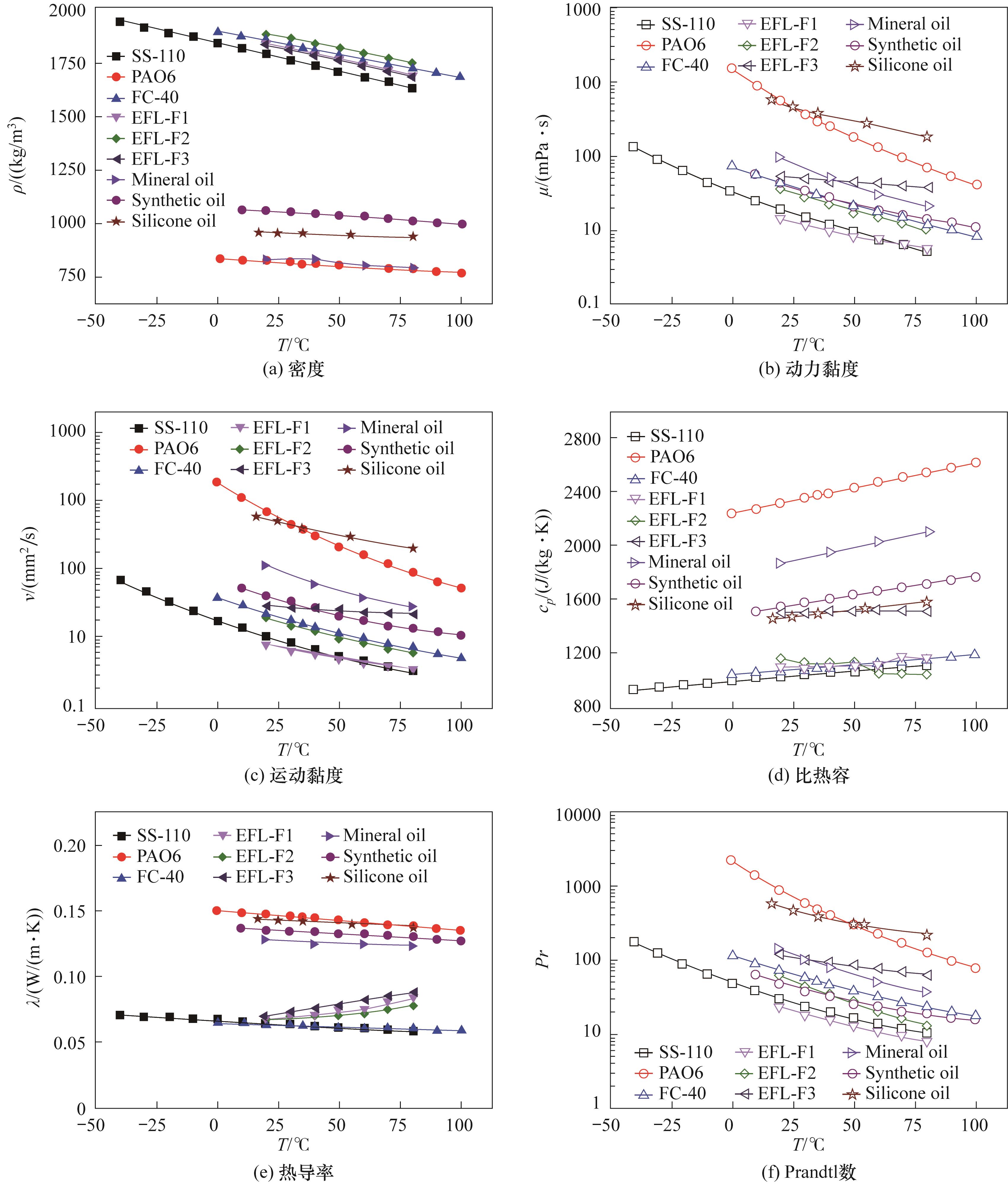
图4 不同冷却液的物性随温度的变化
Fig.4 Physical properties of different coolants as functions of temperature
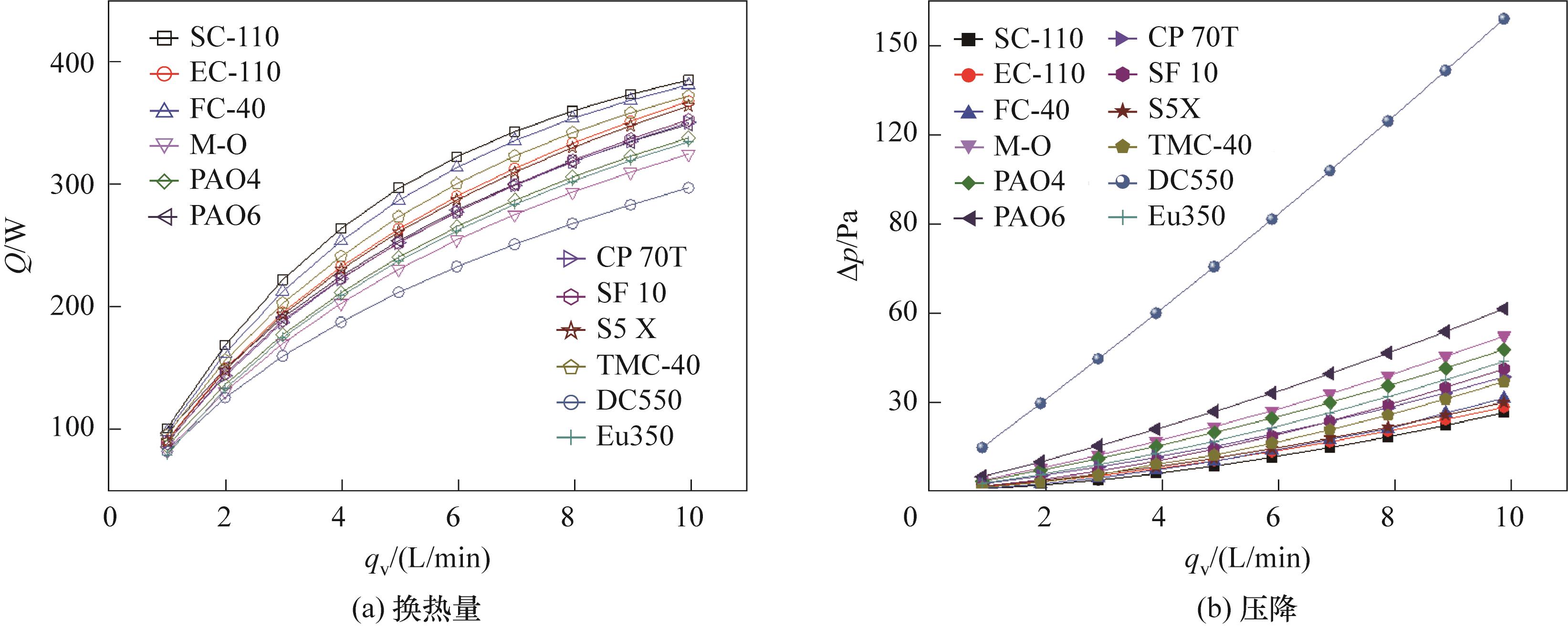
图5 不同流量下不同冷却液的换热量和压降
Fig.5 Heat transfer and pressure drop of different coolants at various flow rates
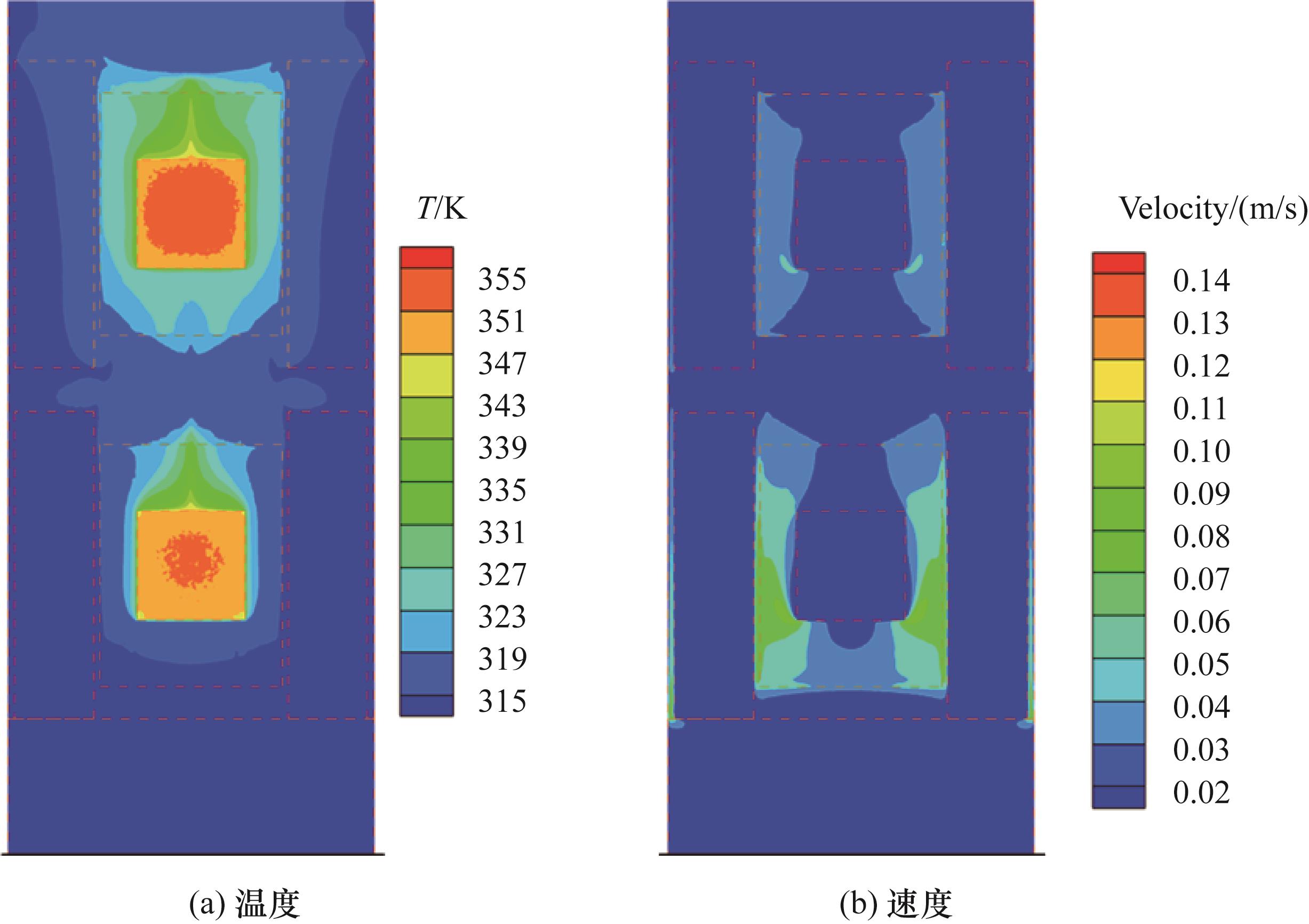
图6 使用SS-110冷却液时高度为0.21 cm处截面的温度和速度
Fig.6 The temperature profile and the velocity profile at the cross-section with a height of 0.21 cm when using SS-110 coolant
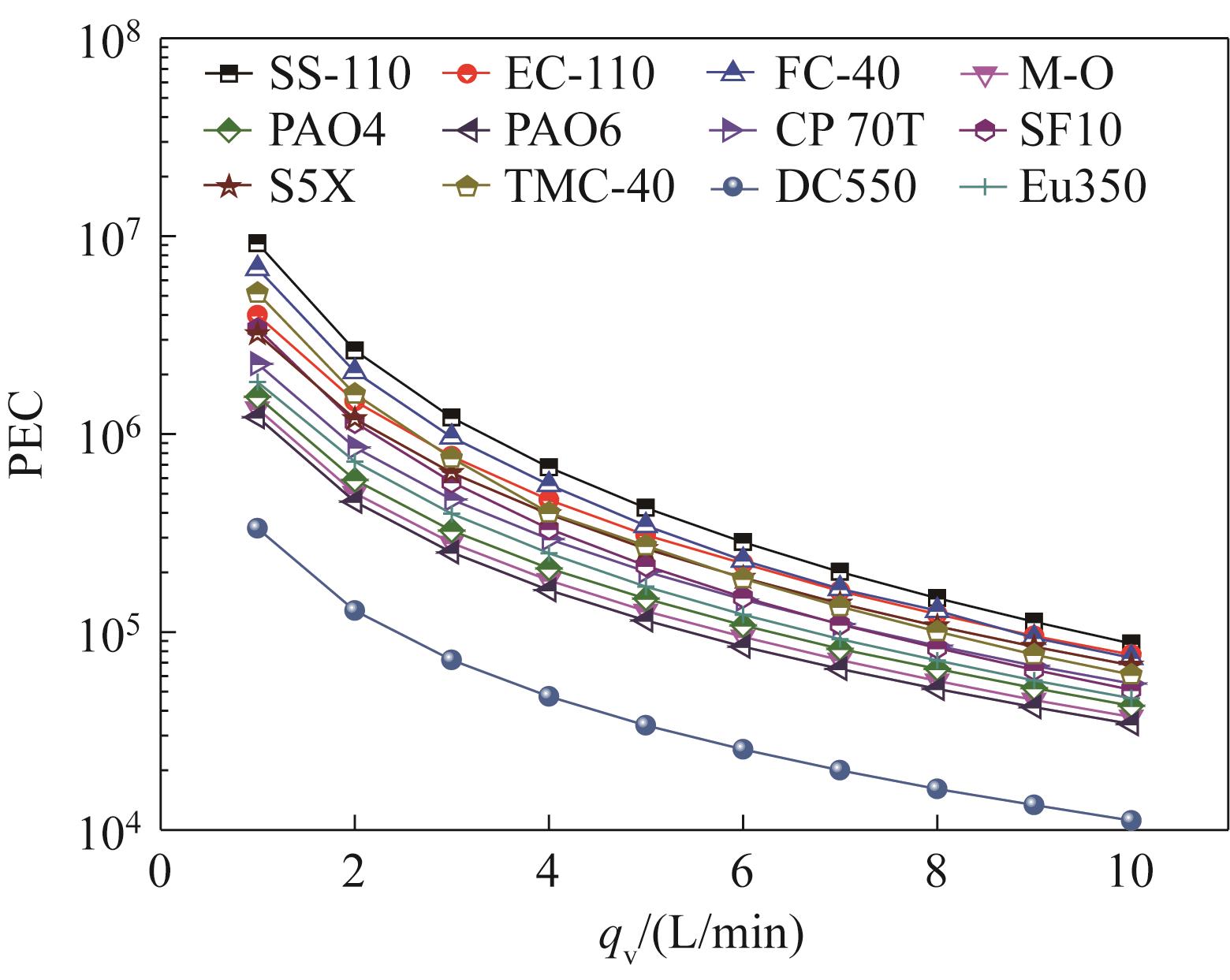
图7 不同冷却液的性能比较指标随流量的变化
Fig.7 Variation of the PEC of different coolants with the flow rate
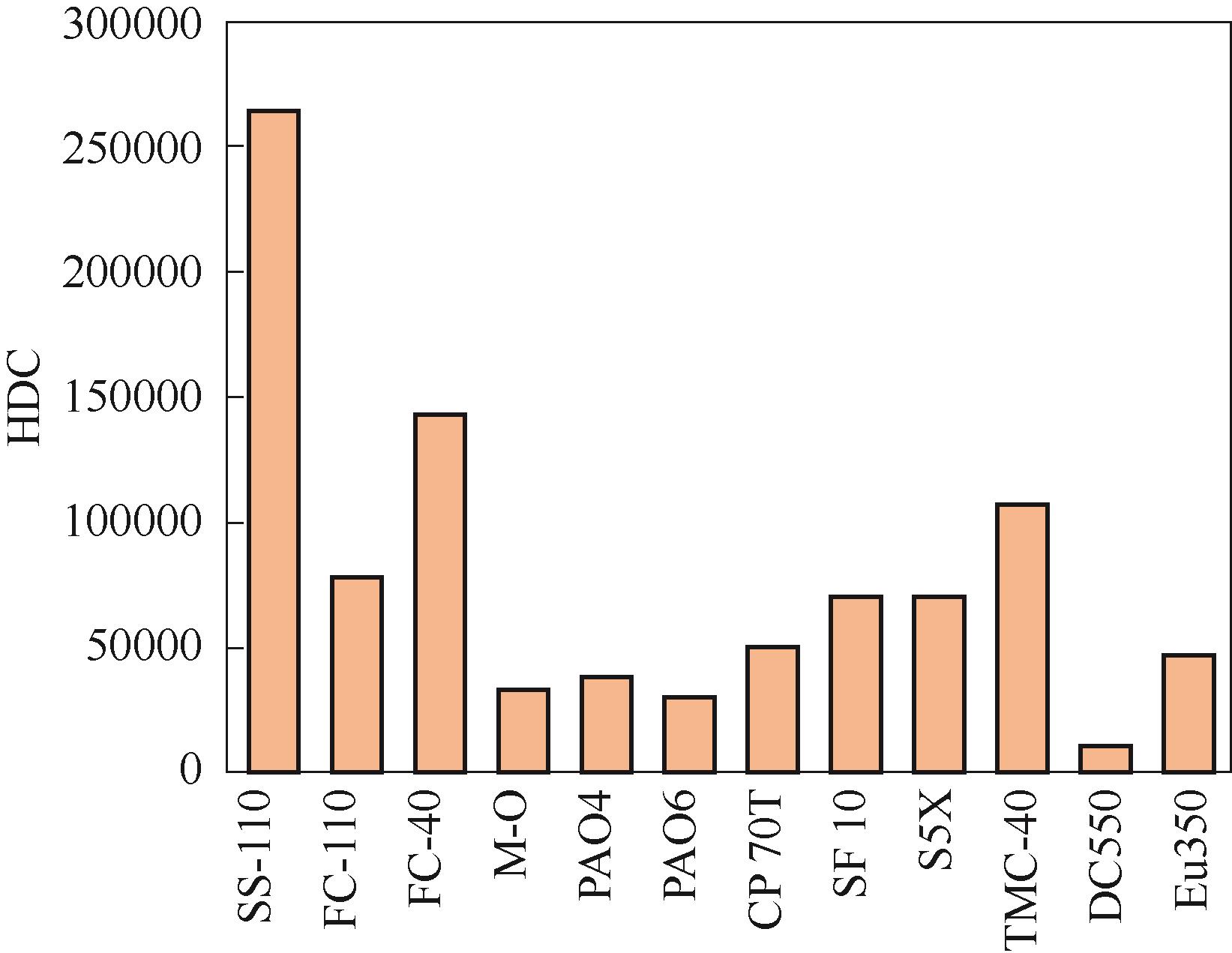
图8 不同冷却液的析热系数对比
Fig.8 Comparison of the HDC of different coolants
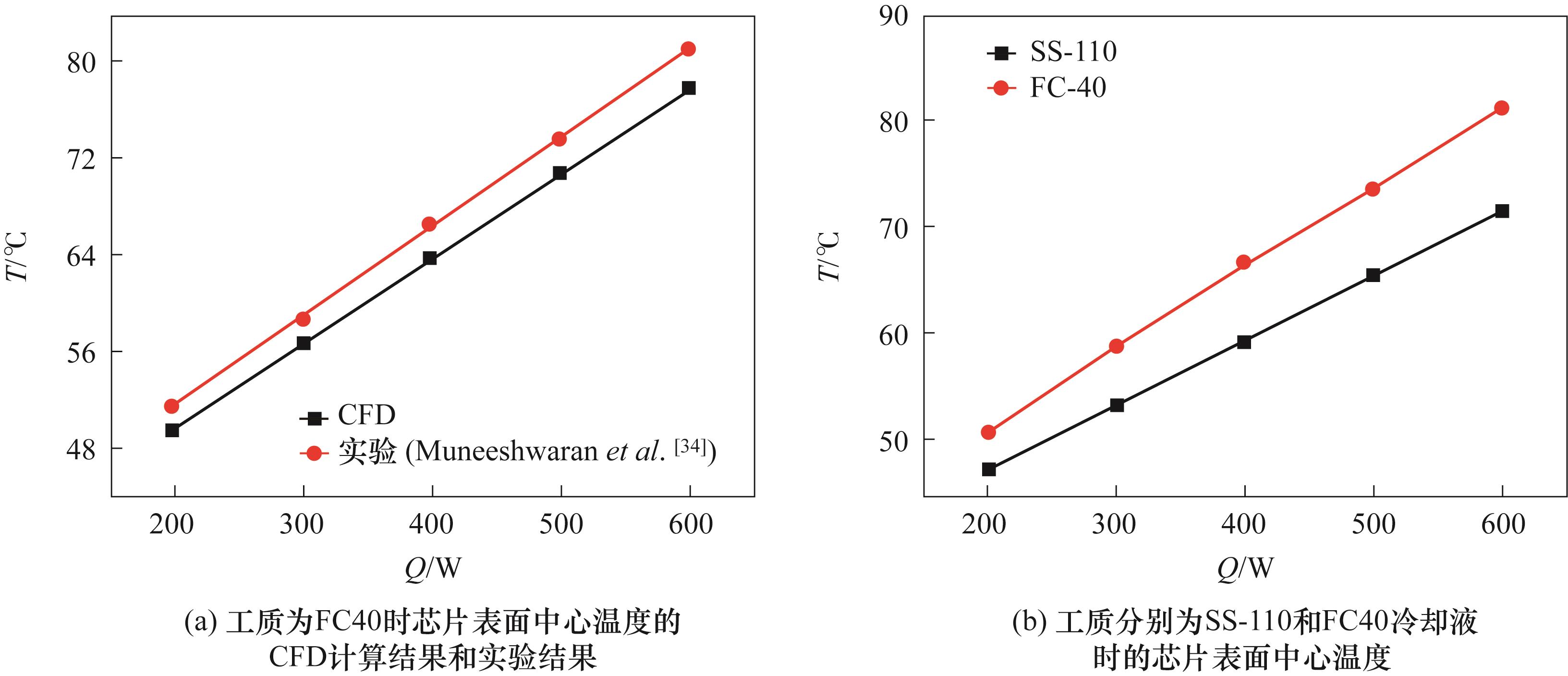
图9 CFD计算验证和不同冷却液的对比
Fig.9 CFD calculation verification and comparison of different coolants
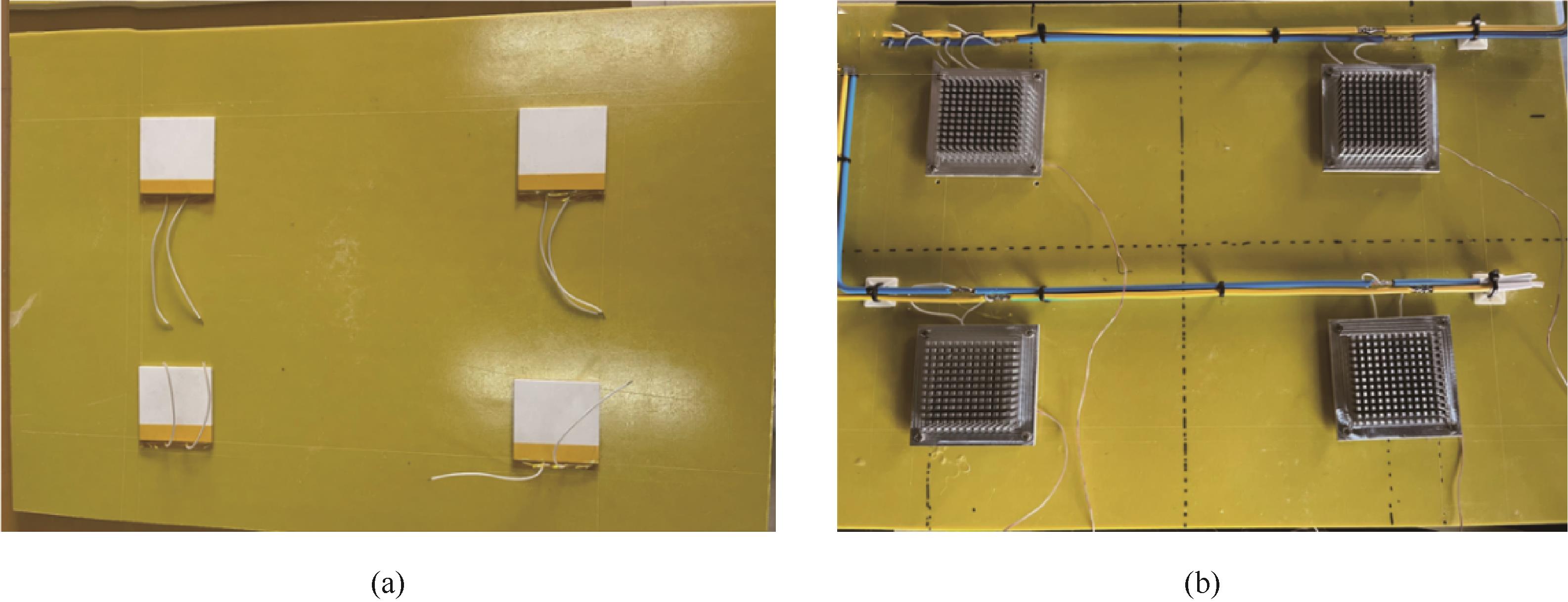
图10 (a)环氧树脂板和陶瓷发热片;(b)装有铝散热器的陶瓷发热片和环氧树脂板
Fig.10 (a) Epoxy resin board and ceramic heating element; (b) Ceramic heating element and epoxy resin board equipped with an aluminum radiator
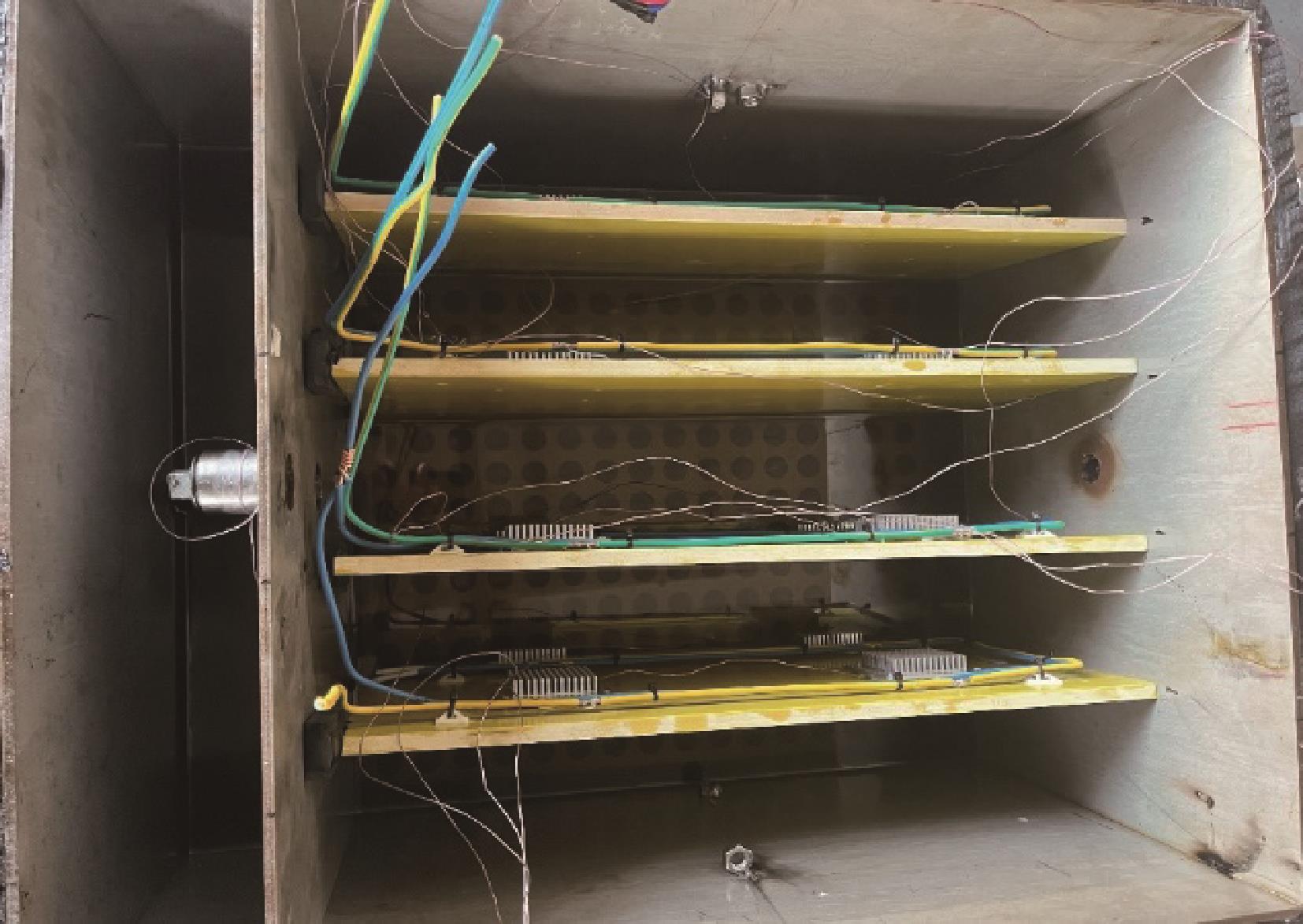
图11 放置在浸没箱中的4块安装有陶瓷发热片的环氧树脂板
Fig.11 Four epoxy resin boards installed with ceramic heating elements placed in the immersion tank
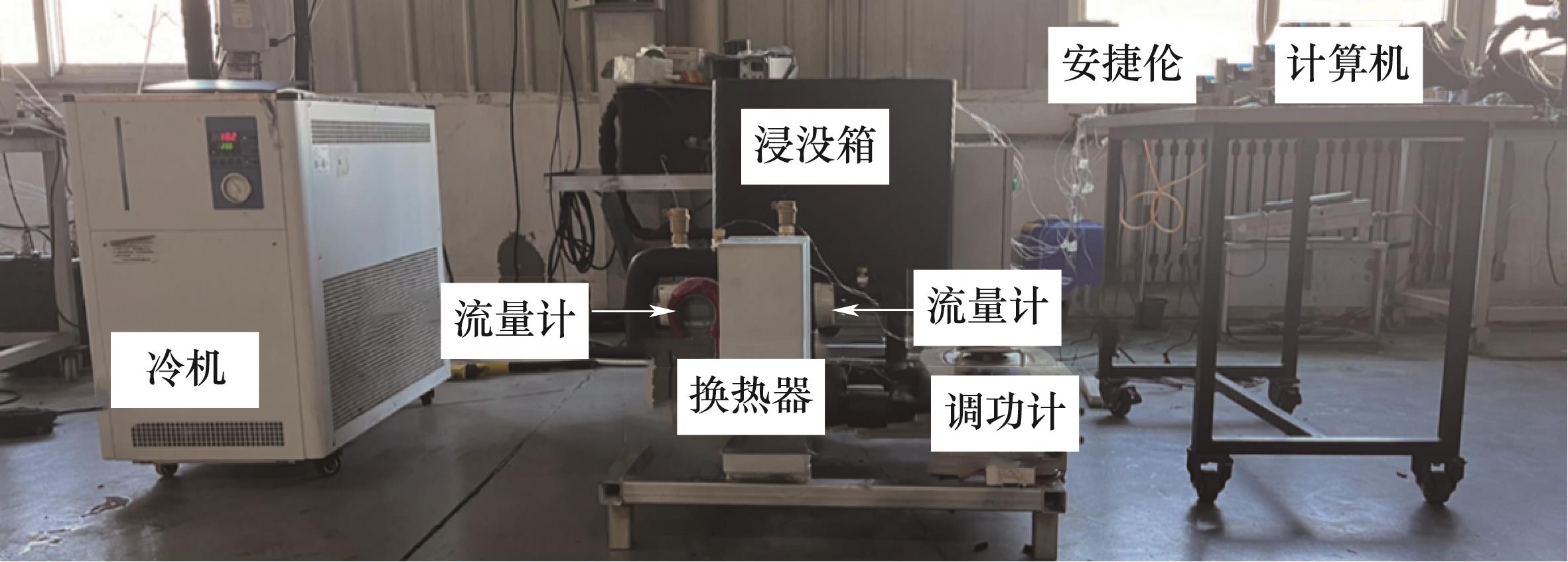
图12 单相浸没液冷实验系统实物图
Fig.12 The physical diagram of the single - phase immersion liquid cooling experimental system
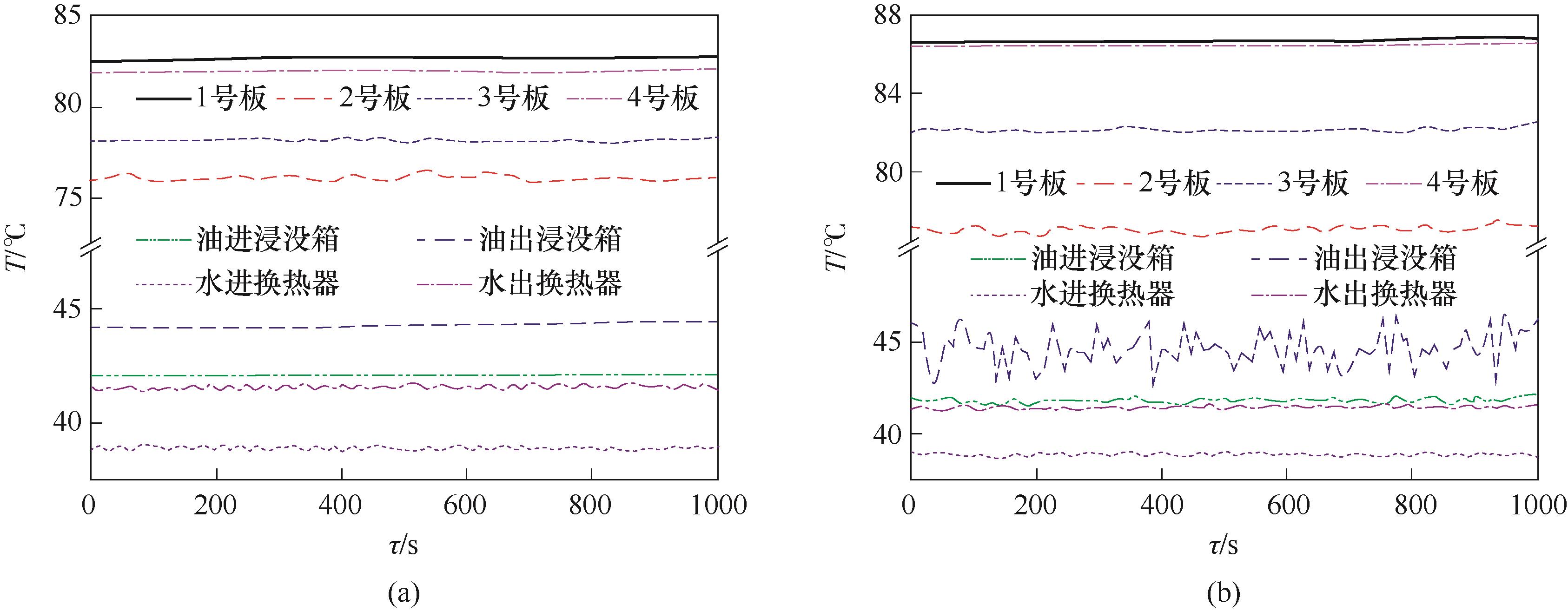
图13 1400 W(a)和1600 W(b)加热功率下不同部位的温度
Fig.13 Temperatures at different positions under a heating power of 1400 W (a) and 1600 W (b)
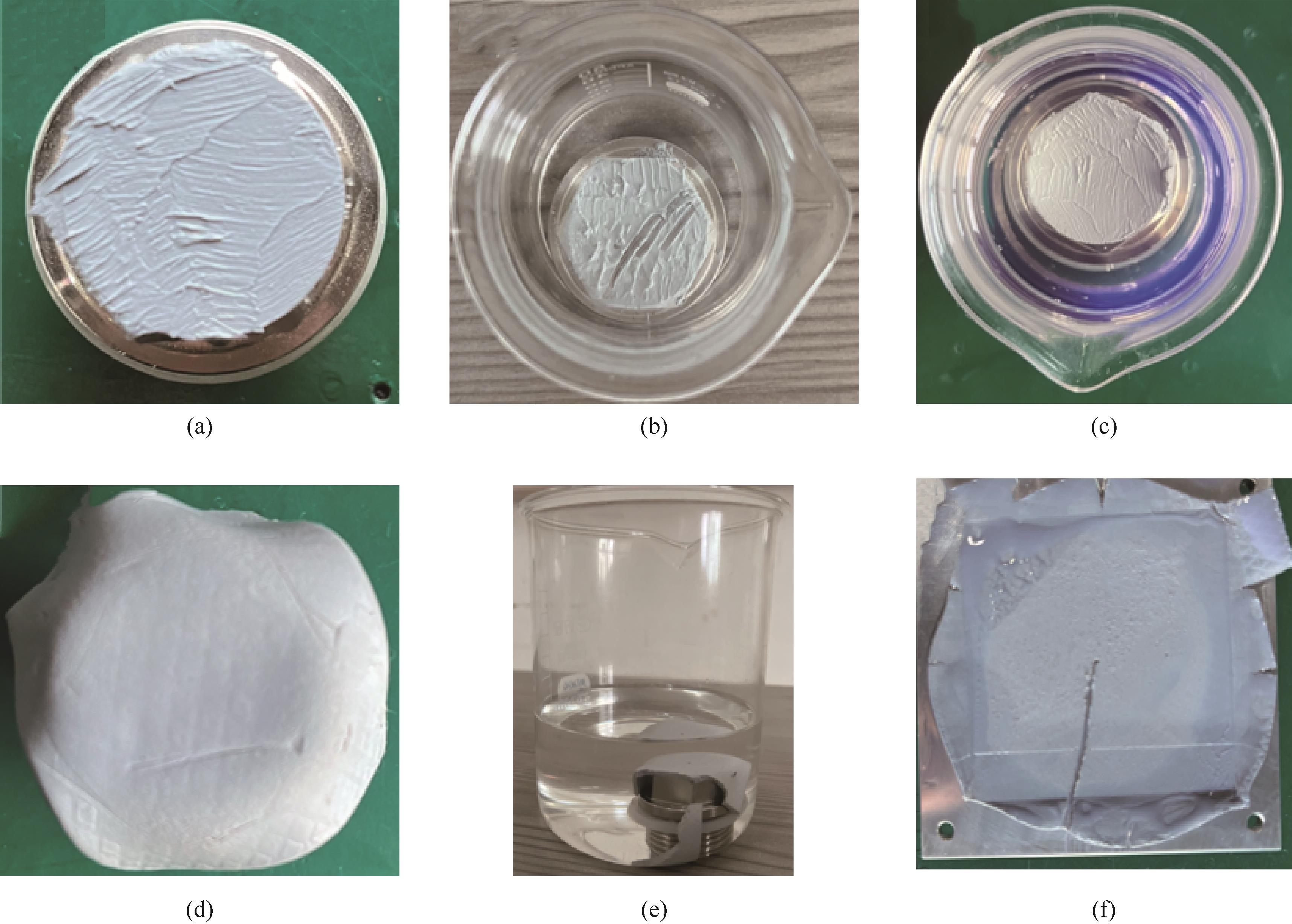
图14 放置在空气中(a)、硅油中(b)、矿物油(c)中的导热硅脂和放置在空气中(d)、硅油中(e)、矿物油中(f)的导热垫片
Fig.14 Thermal conductive grease placed in air (a), silicone oil (b), mineral oil (c) and thermal conductive pads placed in air (d), silicone oil (e), mineral oil (f)
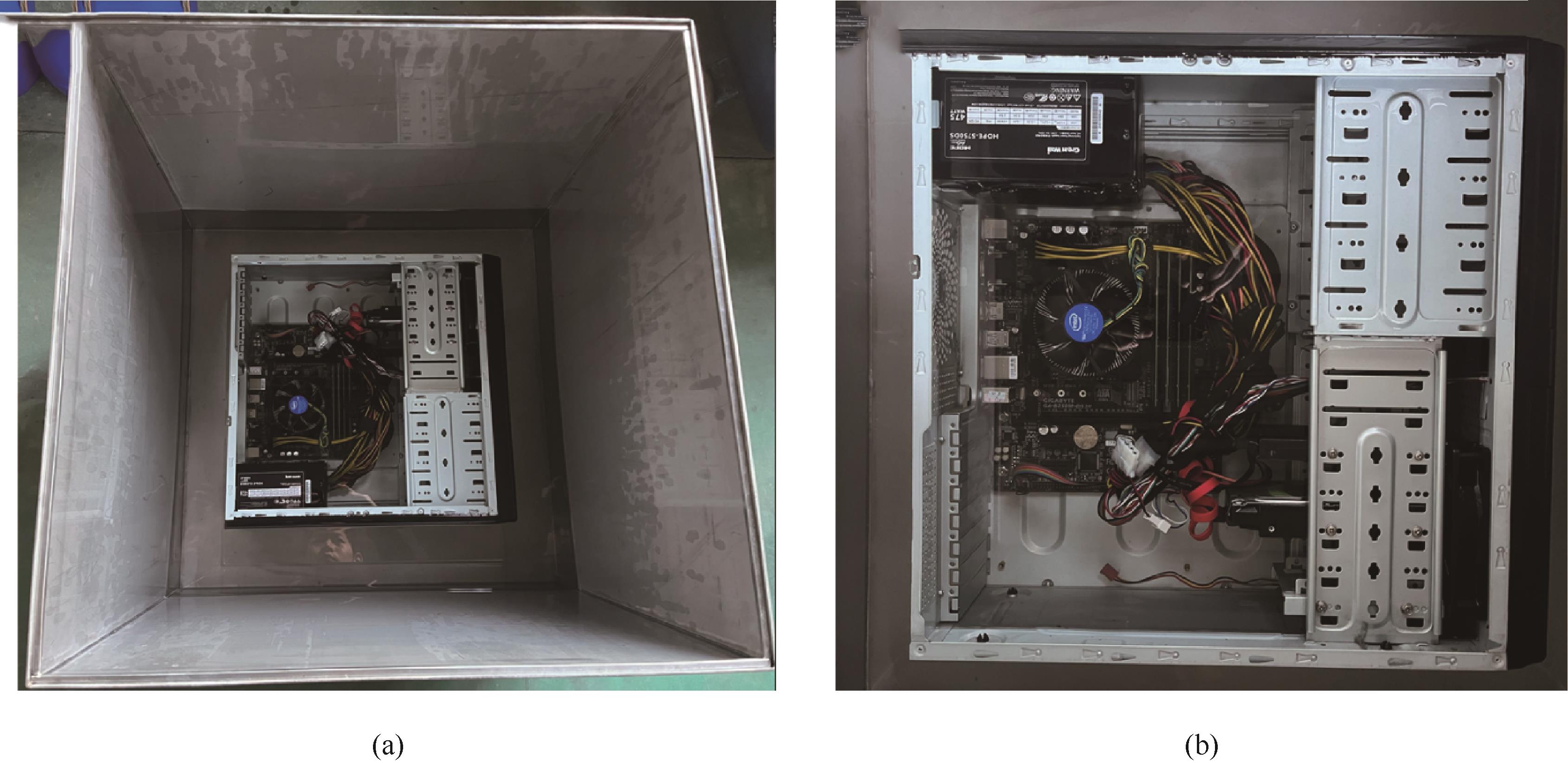
图15 (a)浸没在硅油中的计算机主机;(b)计算机主机的放大图
Fig.15 (a) A computer mainframe immersed in silicone oil; (b) An enlarged view of the computer mainframe
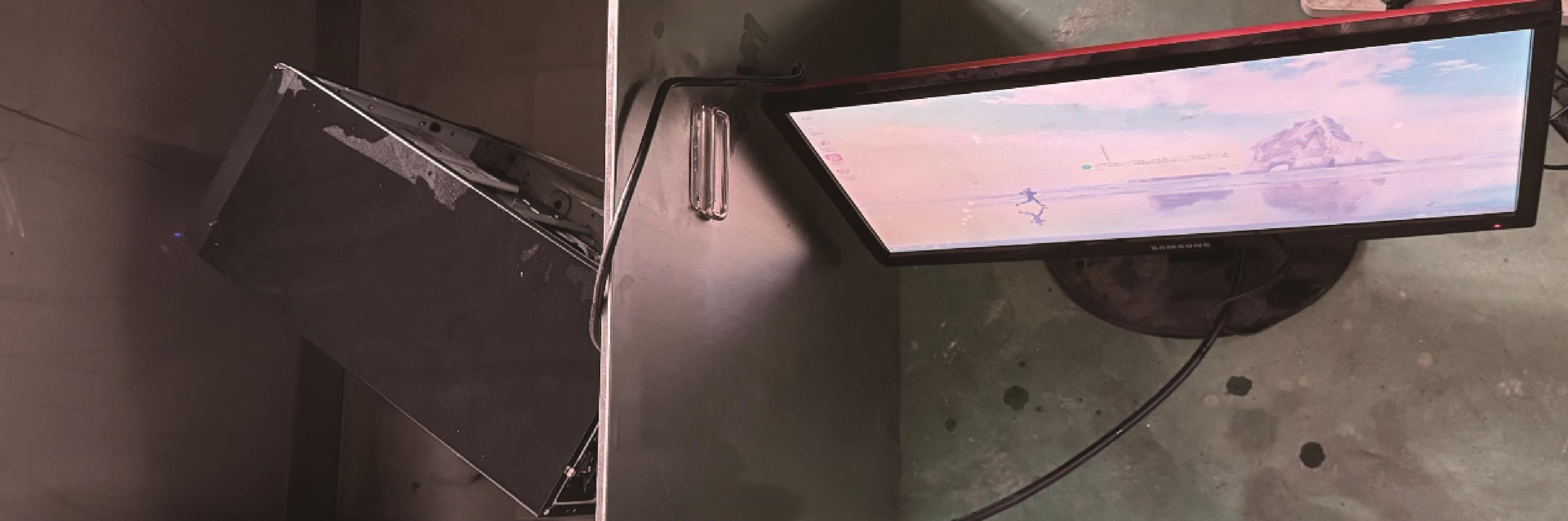
图16 在硅油中浸泡50 d进行通电测试的计算机
Fig.16 A computer that undergoes a power - on test after being immersed in silicone oil for 50 d
| [1] | Masanet E, Shehabi A, Lei N A, et al. Recalibrating global data center energy-use estimates[J]. Science, 2020, 367(6481): 984-986. |
| [2] | Liu Y N, Wei X X, Xiao J Y, et al. Energy consumption and emission mitigation prediction based on data center traffic and PUE for global data centers[J]. Global Energy Interconnection, 2020, 3(3): 272-282. |
| [3] | Khattak Z, Ali H M. Air cooled heat sink geometries subjected to forced flow: a critical review[J]. International Journal of Heat and Mass Transfer, 2019, 130: 141-161. |
| [4] | Wu Z J, Zhang G Y, Lu S A, et al. A comprehensive review of cold plate liquid cooling technology for data centers[J]. Chemical Engineering Science, 2025, 310: 121525. |
| [5] | Zheng S, Su C S, Yang X P, et al. A comprehensive review of single-phase immersion cooling in data centres[J]. Applied Thermal Engineering, 2025, 272: 126385. |
| [6] | Zhang C, Wang H, Huang Y, et al. Immersion liquid cooling for electronics: materials, systems, applications and prospects[J]. Renewable and Sustainable Energy Reviews, 2025, 208: 114989. |
| [7] | Bansode P, Suthar R, Bhandari R, et al. Impact of immersion cooling on thermomechanical properties of halogen-free substrate core[J]. Journal of Electronic Packaging, 2024, 146(4): 041112. |
| [8] | Beau V V, Marion K, Pieter S. Performance evaluation of a next generation ester based dielectric for single-phase precision immersion cooling[C]//2024 IEEE 5th International Conference on Dielectrics (ICD). IEEE, 2024: 1-6. |
| [9] | Chauhan T, Bhandari R, Sivaraju K B, et al. Impact of immersion cooling on thermomechanical properties of low-loss material printed circuit boards[J]. Journal of Enhanced Heat Transfer, 2021, 28(7): 73-90. |
| [10] | Luo Q Y, Wang C H, Wen H P, et al. Research and optimization of thermophysical properties of sic oil-based nanofluids for data center immersion cooling[J]. International Communications in Heat and Mass Transfer, 2022, 131: 105863. |
| [11] | Shah J M, Padmanaban K, Singh H, et al. Evaluating the reliability of passive server components for single-phase immersion cooling[J]. Journal of Electronic Packaging, 2022, 144(2): 021109. |
| [12] | Shah J M, Eiland R, Rajmane P, et al. Reliability considerations for oil immersion-cooled data centers[J]. Journal of Electronic Packaging, 2019, 141(2): 021007. |
| [13] | Shinde P A, Bansode P V, Saini S, et al. Experimental analysis for optimization of thermal performance of a server in single phase immersion cooling[C]//ASME 2019 International Technical Conference and Exhibition on Packaging and Integration of Electronic and Photonic Microsystems. Anaheim, California, USA: American Society of Mechanical Engineers, 2019: 1-8. |
| [14] | Eiland R, Edward Fernandes J, Vallejo M, et al. Thermal performance and efficiency of a mineral oil immersed server over varied environmental operating conditions[J]. Journal of Electronic Packaging, 2017, 139(4): 041005. |
| [15] | Chhetri A, Kashyap D, Mali A, et al. Numerical simulation of the single-phase immersion cooling process using a dielectric fluid in a data server[J]. Materials Today: Proceedings, 2022, 51: 1532-1538. |
| [16] | Shrigondekar H, Lin Y C, Wang C-C. Investigations on performance of single-phase immersion cooling system[J]. International Journal of Heat and Mass Transfer, 2023, 206: 123961. |
| [17] | Chen X, Huang Y P, Xu S J, et al. Thermal performance evaluation of electronic fluorinated liquids for single-phase immersion liquid cooling[J]. International Journal of Heat and Mass Transfer, 2024, 220: 124951. |
| [18] | Wang H J, Yuan X J, Zhang K, et al. Performance evaluation and optimization of data center servers using single-phase immersion cooling[J]. International Journal of Heat and Mass Transfer, 2024, 221: 125057. |
| [19] | Hnayno M, Chehade A, Klaba H, et al. Experimental investigation of a data-centre cooling system using a new single-phase immersion/liquid technique[J]. Case Studies in Thermal Engineering, 2023, 45: 102925. |
| [20] | Kim J, Choi H, Lee S, et al. Computational study of single-phase immersion cooling for high-energy density server rack for data centers[J]. Applied Thermal Engineering, 2025, 264: 125476. |
| [21] | Zhang Y Y, Wang Y, Kosonen R, et al. Numerical research on the flow and heat transfer characteristics in the immersion jet cooling for servers[J]. Case Studies in Thermal Engineering, 2024, 60: 104748. |
| [22] | Huang Y P, Ge J L, Chen Y P, et al. Natural and forced convection heat transfer characteristics of single-phase immersion cooling systems for data centers[J]. International Journal of Heat and Mass Transfer, 2023, 207: 124023. |
| [23] | Zhang Y D, Lin Y C, Wang C C. Investigation of the single-phase immersion cold plate amid PAO-4 and Noah@3000A—an experimental approach and its numerical verification[J]. International Communications in Heat and Mass Transfer, 2024, 155: 107509. |
| [24] | Taddeo P, Romaní J, Summers J, et al. Experimental and numerical analysis of the thermal behaviour of a single-phase immersion-cooled data centre[J]. Applied Thermal Engineering, 2023, 234: 121260. |
| [25] | Liu Z, Sun X S, Ji S R, et al. A multi-objective optimization of a single-phase immersion cooling system at cabinet level[J]. Energy and Buildings, 2024, 312: 114221. |
| [26] | Kanbur B B, Wu C L, Fan S M, et al. System-level experimental investigations of the direct immersion cooling data center units with thermodynamic and thermoeconomic assessments[J]. Energy, 2021, 217: 119373. |
| [27] | Sun X S, Liu Z, Ji S R, et al. Experimental study on thermal performance of a single-phase immersion cooling unit for high-density computing power data center[J]. International Journal of Heat and Fluid Flow, 2025, 112: 109735. |
| [28] | Liu S C, Xu Z M, Wang Z M, et al. Optimization and comprehensive evaluation of liquid cooling tank for single-phase immersion cooling data center[J]. Applied Thermal Engineering, 2024, 245: 122864. |
| [29] | Li X Q, Guo S T, Sun H W, et al. Experimental study of the performance of liquid cooling tank used for single-phase immersion cooling data center[J]. Case Studies in Thermal Engineering, 2024, 63: 105386. |
| [30] | Lionello M, Rampazzo M, Beghi A, et al. Graph-based modelling and simulation of liquid immersion cooling systems[J]. Energy, 2020, 207: 118238. |
| [31] | Culham J R, Muzychka Y S. Optimization of plate fin heat sinks using entropy generation minimization[J]. IEEE Transactions on Components and Packaging Technologies, 2001, 24(2): 159-165. |
| [32] | Ferrouillat S, Bontemps A, Ribeiro J P, et al. Hydraulic and heat transfer study of SiO2/water nanofluids in horizontal tubes with imposed wall temperature boundary conditions[J]. International Journal of Heat and Fluid Flow, 2011, 32(2): 424-439. |
| [33] | Ehrenpreis C, El Bahi H, Xu H H, et al. Physically-motivated Figure of Merit (FOM) assessing the cooling performance of fluids suitable for the direct cooling of electrical components[C]//2020 19th IEEE Intersociety Conference on Thermal and Thermomechanical Phenomena in Electronic Systems (ITherm). IEEE, 2020: 422-429. |
| [34] | Muneeshwaran M, Lin Y C, Wang C-C. Performance analysis of single-phase immersion cooling system of data center using FC-40 dielectric fluid[J]. International Communications in Heat and Mass Transfer, 2023, 145: 106843. |
| [1] | 郭松源, 周晓庆, 缪五兵, 汪彬, 耑锐, 曹庆泰, 陈成成, 杨光, 吴静怡. 火箭上升段含多孔板液氧贮箱增压输运数值研究[J]. 化工学报, 2025, 76(S1): 62-74. |
| [2] | 孙九春, 桑运龙, 王海涛, 贾浩, 朱艳. 泥水盾构仓体内射流对泥浆输送特性影响研究[J]. 化工学报, 2025, 76(S1): 246-257. |
| [3] | 曹潇风, 张华海, 王江云, 王利民. 锥形气体层流元件结构设计及流动特性研究[J]. 化工学报, 2025, 76(9): 4440-4448. |
| [4] | 陈昇, 李子争, 苗超, 白学刚, 李飞, 刘家璇, 李天天, 杨爽, 吕蓉蓉, 王江云. 大尺度密集场景高危氯气非均匀湍流扩散特性三维CFD模拟[J]. 化工学报, 2025, 76(9): 4630-4643. |
| [5] | 解勤勤, 翁俊旗, 林振利, 叶光华, 周兴贵. 固定床反应器中甲醇制芳烃工业催化剂结构影响的研究[J]. 化工学报, 2025, 76(9): 4487-4498. |
| [6] | 贾志勇, 沈宪琨, 蓝晓程, 王铁峰. 气体密度对高压流态化影响的CFD-DEM模拟[J]. 化工学报, 2025, 76(9): 4383-4397. |
| [7] | 张帅, 徐嘉宇, 华蕾娜, 葛蔚. 气固系统的CG-DPM与MP-PIC耦合模拟方法[J]. 化工学报, 2025, 76(9): 4412-4424. |
| [8] | 苏国庆, 田学梅, 李彦, 张建文, 张志军. 气力输送系统弯管三通的冲蚀分析及改进[J]. 化工学报, 2025, 76(8): 3894-3904. |
| [9] | 马永丽, 安澍, 杨捷, 刘明言. 气液固流化床直接数值模拟研究进展[J]. 化工学报, 2025, 76(8): 3772-3788. |
| [10] | 王泽, 胡琼, 陈雅静, 王衍, 耿佳旭, 沈斐然. 液体自冲击密封泄漏特性、密封机理与优化设计[J]. 化工学报, 2025, 76(8): 4194-4204. |
| [11] | 陈曦, 王淑彦, 邵宝力, 丁诺, 谢磊. 基于颗粒动态恢复系数二阶矩模型的液固流化床数值模拟研究[J]. 化工学报, 2025, 76(7): 3246-3258. |
| [12] | 夏天炜, 王谙词, 句子涵, 孙晓霞, 胡定华. 基于三周期极小曲面结构的高密度储热器蓄放热特性研究[J]. 化工学报, 2025, 76(7): 3605-3614. |
| [13] | 王富玉, 周晅毅. 结合非定常伴随方程和遗传算法的化工区反演[J]. 化工学报, 2025, 76(6): 3104-3114. |
| [14] | 张亿韵, 陈恒志, 李洋, 慕长安, 王泉海. 湍流对双组分颗粒流化床气体径向扩散的影响[J]. 化工学报, 2025, 76(6): 2559-2568. |
| [15] | 谷德银, 杨豪, 李昌树, 刘作华. 分形穿流桨搅拌槽内假塑性流体的混合行为[J]. 化工学报, 2025, 76(6): 2569-2579. |
| 阅读次数 | ||||||
|
全文 |
|
|||||
|
摘要 |
|
|||||
 京公网安备 11010102001995号