CIESC Journal ›› 2025, Vol. 76 ›› Issue (10): 5510-5521.DOI: 10.11949/0438-1157.20250296
• Process safety • Previous Articles Next Articles
Wenlong JIA1( ), Junzhe CHEN1, Changjun LI1, Yong LIU2, Wen XIE1
Received:2025-03-24
Revised:2025-05-18
Online:2025-11-25
Published:2025-10-25
Contact:
Wenlong JIA
贾文龙1(), 陈浚哲1, 李长俊1, 刘勇2, 谢玟1
通讯作者:
贾文龙
作者简介:贾文龙(1986—)男,博士,教授,jiawenlong08@126.com
基金资助:CLC Number:
Wenlong JIA, Junzhe CHEN, Changjun LI, Yong LIU, Wen XIE. Leak localization method for gas pipeline based on TPE-XGBoost modeling[J]. CIESC Journal, 2025, 76(10): 5510-5521.
贾文龙, 陈浚哲, 李长俊, 刘勇, 谢玟. 基于TPE-XGBoost模型的输气管道泄漏定位方法[J]. 化工学报, 2025, 76(10): 5510-5521.
Add to citation manager EndNote|Ris|BibTeX
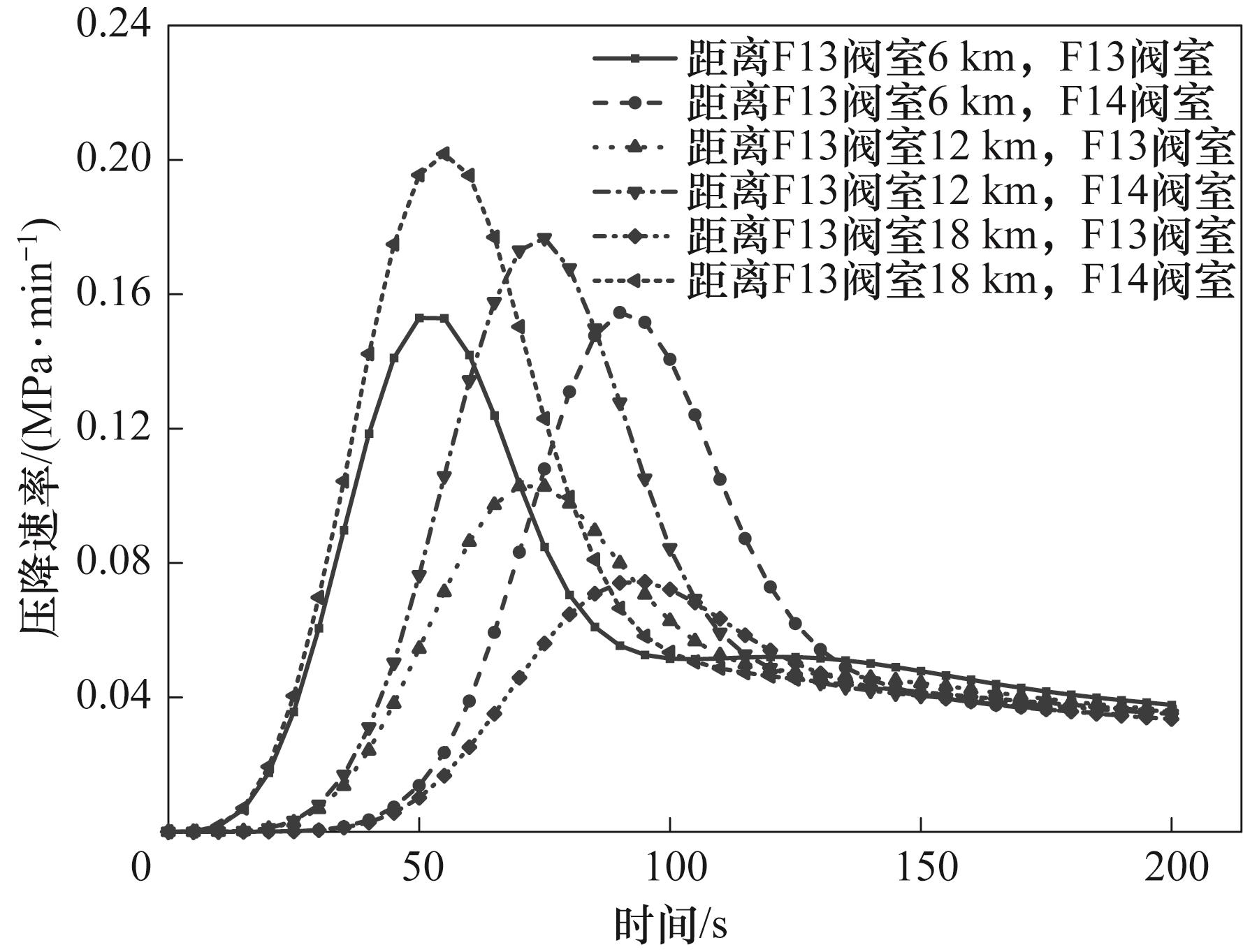
Fig.1 Pressure drop rate versus time for leakage condition of pipe section
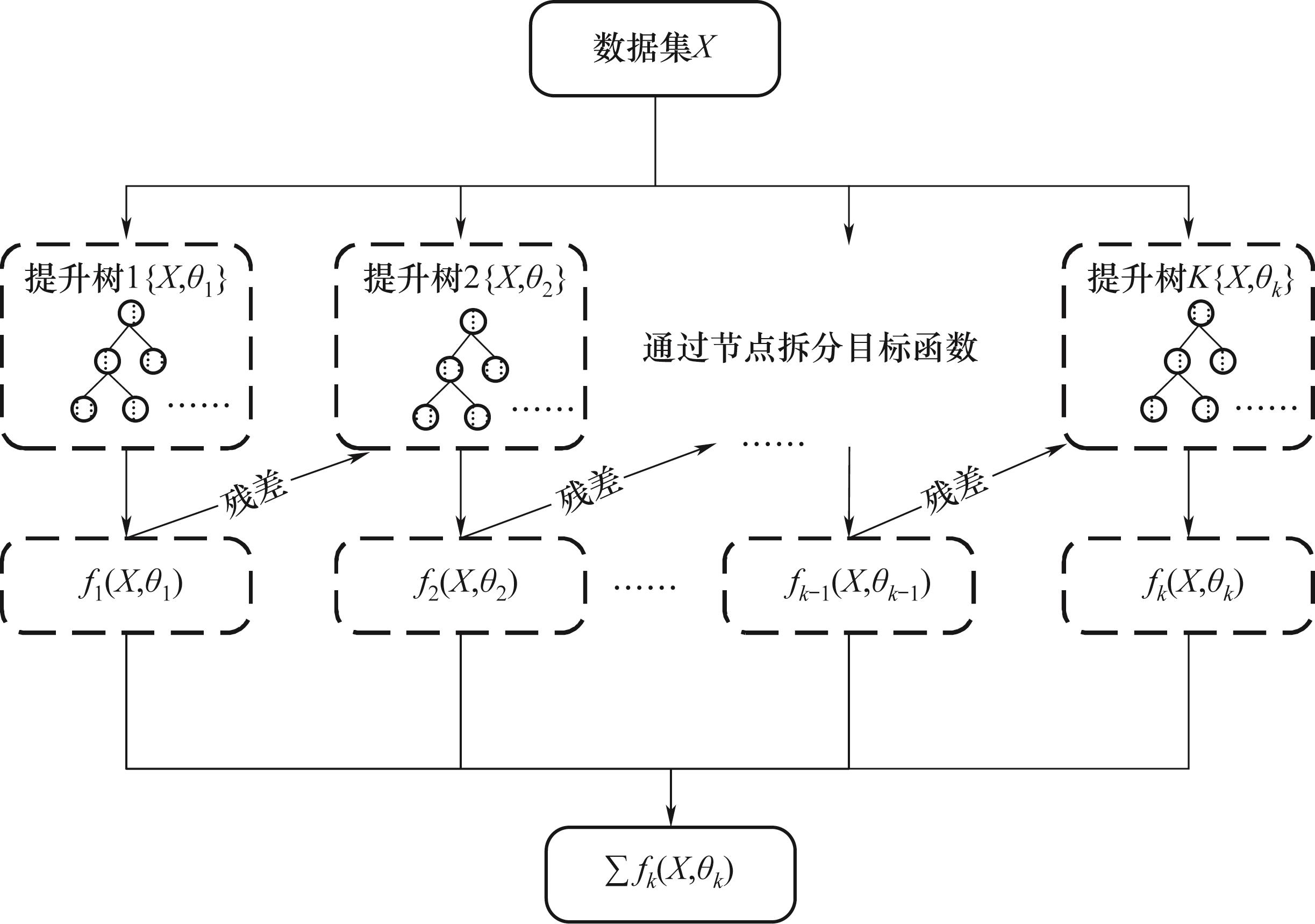
Fig.2 Schematic diagram of XGBoost computation principle[25]
| 参数 | 参数的解释 | 搜索范围 |
|---|---|---|
| n_estimators | 决策树的数量 | [100, 500] |
| max_depth | 决策树最大深度 | [ |
| learning_rate | 学习率,用于控制每棵树对最终预测的贡献 | [0.01, 0.3] |
| subsample | 子采样比例,训练每棵树时使用的样本比例 | [0.6, 1.0] |
| colsample_bytree | 特征采样比例,训练每棵树时使用的特征比例 | [0.6, 1.0] |
| alpha | L1正则化项系数 | [0, 10] |
| lambda | L2正则化项系数 | [0, 10] |
| min_child_weight | 叶子节点最小样本权重 | [ |
Table 1 Control parameters in the XGboost model and their interpretation and search range
| 参数 | 参数的解释 | 搜索范围 |
|---|---|---|
| n_estimators | 决策树的数量 | [100, 500] |
| max_depth | 决策树最大深度 | [ |
| learning_rate | 学习率,用于控制每棵树对最终预测的贡献 | [0.01, 0.3] |
| subsample | 子采样比例,训练每棵树时使用的样本比例 | [0.6, 1.0] |
| colsample_bytree | 特征采样比例,训练每棵树时使用的特征比例 | [0.6, 1.0] |
| alpha | L1正则化项系数 | [0, 10] |
| lambda | L2正则化项系数 | [0, 10] |
| min_child_weight | 叶子节点最小样本权重 | [ |
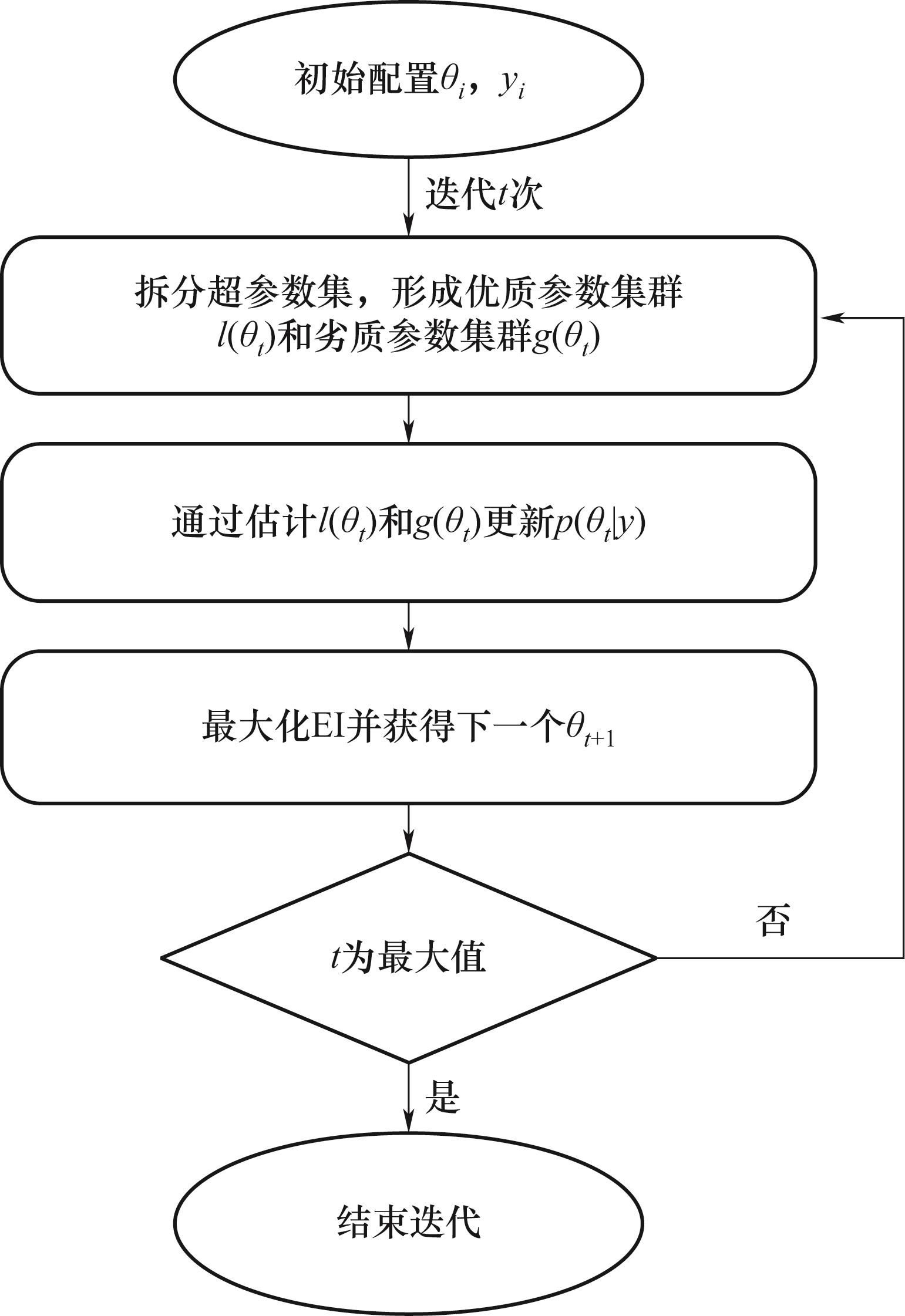
Fig.3 Schematic diagram of the computational structure of the TPE optimization algorithm[27]
| 优化方法 | 最优的XGBoost超参数 | R2 | MAPE/% | RMSE | MAE |
|---|---|---|---|---|---|
| 未优化 | [100, 5, 0.1, 1.0, 1.0, 1.0, 1.0, 10] | 0.9766 | 82.0688 | 0.9334 | 0.4219 |
| Optuna | [500, 10, 0.2406, 0.7196, 0.6002, 9.9782, 2.8999, 3] | 0.9820 | 4.3397 | 0.8185 | 0.3722 |
| PSO | [110, 8, 0.0527, 0.6674, 0.8353, 4.0561, 0.0, 7] | 0.9827 | 4.5012 | 0.8036 | 0.3746 |
| BOA | [364, 6, 0.1846, 1.0, 0.9079, 2.8133, 9.4656, 10] | 0.9822 | 3.9499 | 0.8145 | 0.3523 |
| TPE | [300, 10, 0.0322, 0.7473, 0.8959, 1.2055, 2.9552, 10] | 0.9835 | 3.7669 | 0.7850 | 0.3257 |
Table 2 Optimal parameters and model accuracy of XGBoost model under different optimization methods
| 优化方法 | 最优的XGBoost超参数 | R2 | MAPE/% | RMSE | MAE |
|---|---|---|---|---|---|
| 未优化 | [100, 5, 0.1, 1.0, 1.0, 1.0, 1.0, 10] | 0.9766 | 82.0688 | 0.9334 | 0.4219 |
| Optuna | [500, 10, 0.2406, 0.7196, 0.6002, 9.9782, 2.8999, 3] | 0.9820 | 4.3397 | 0.8185 | 0.3722 |
| PSO | [110, 8, 0.0527, 0.6674, 0.8353, 4.0561, 0.0, 7] | 0.9827 | 4.5012 | 0.8036 | 0.3746 |
| BOA | [364, 6, 0.1846, 1.0, 0.9079, 2.8133, 9.4656, 10] | 0.9822 | 3.9499 | 0.8145 | 0.3523 |
| TPE | [300, 10, 0.0322, 0.7473, 0.8959, 1.2055, 2.9552, 10] | 0.9835 | 3.7669 | 0.7850 | 0.3257 |
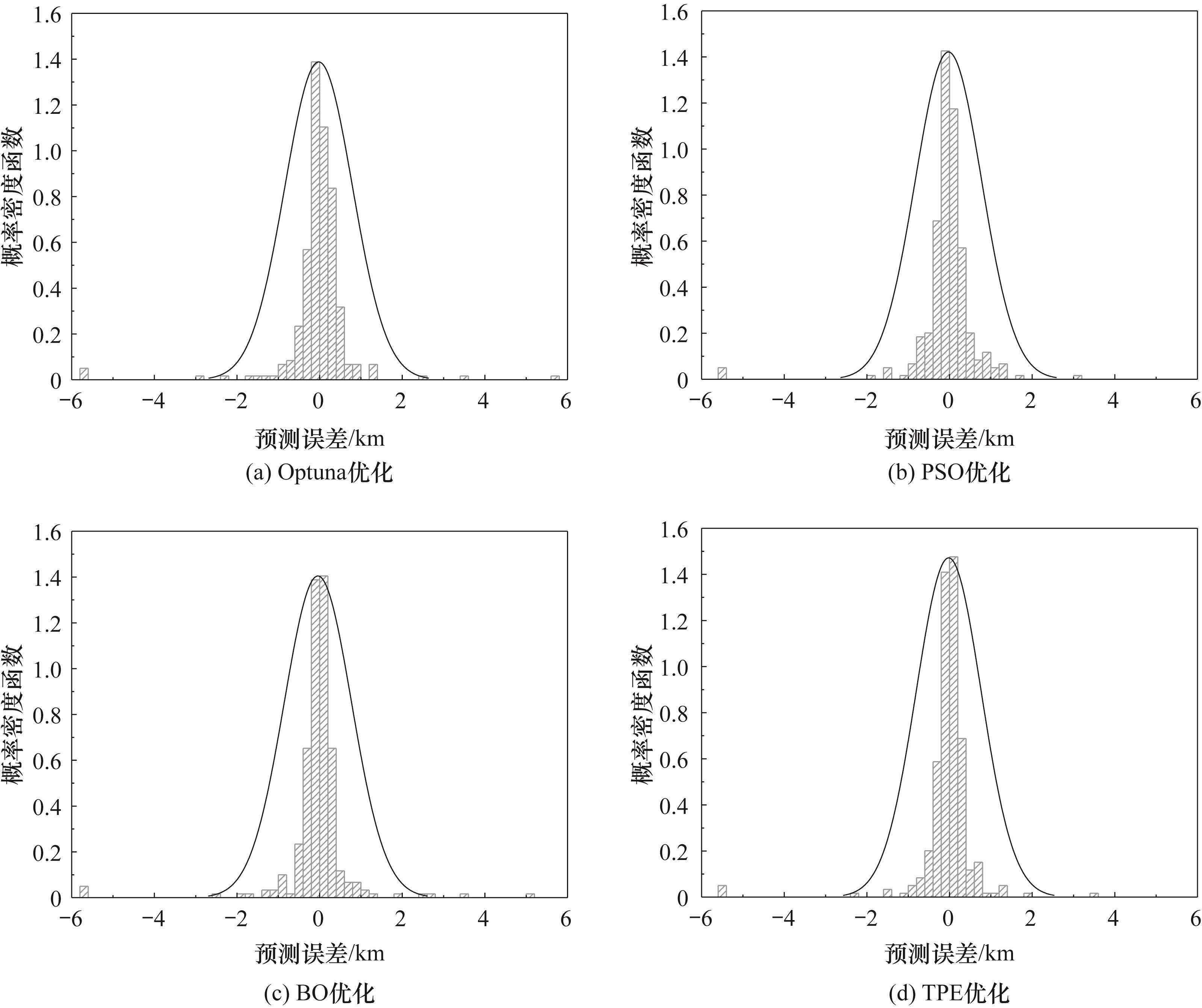
Fig.4 Error analysis for different optimization methods
| 对比模型 | 评价指标 | |||
|---|---|---|---|---|
| R2 | MAPE/% | RMSE | MAE | |
| SVM模型 | 0.3684 | 44.1430 | 4.6039 | 3.4720 |
| CNN模型 | 0.9285 | 70.8405 | 7.8271 | 1.1014 |
| CNN-LSTM-Attention模型 | 0.9821 | 5.4649 | 0.8161 | 0.4868 |
| TPE-XGBoost模型 | 0.9835 | 3.7669 | 0.7850 | 0.3257 |
Table 3 Evaluation metrics of different models after training
| 对比模型 | 评价指标 | |||
|---|---|---|---|---|
| R2 | MAPE/% | RMSE | MAE | |
| SVM模型 | 0.3684 | 44.1430 | 4.6039 | 3.4720 |
| CNN模型 | 0.9285 | 70.8405 | 7.8271 | 1.1014 |
| CNN-LSTM-Attention模型 | 0.9821 | 5.4649 | 0.8161 | 0.4868 |
| TPE-XGBoost模型 | 0.9835 | 3.7669 | 0.7850 | 0.3257 |
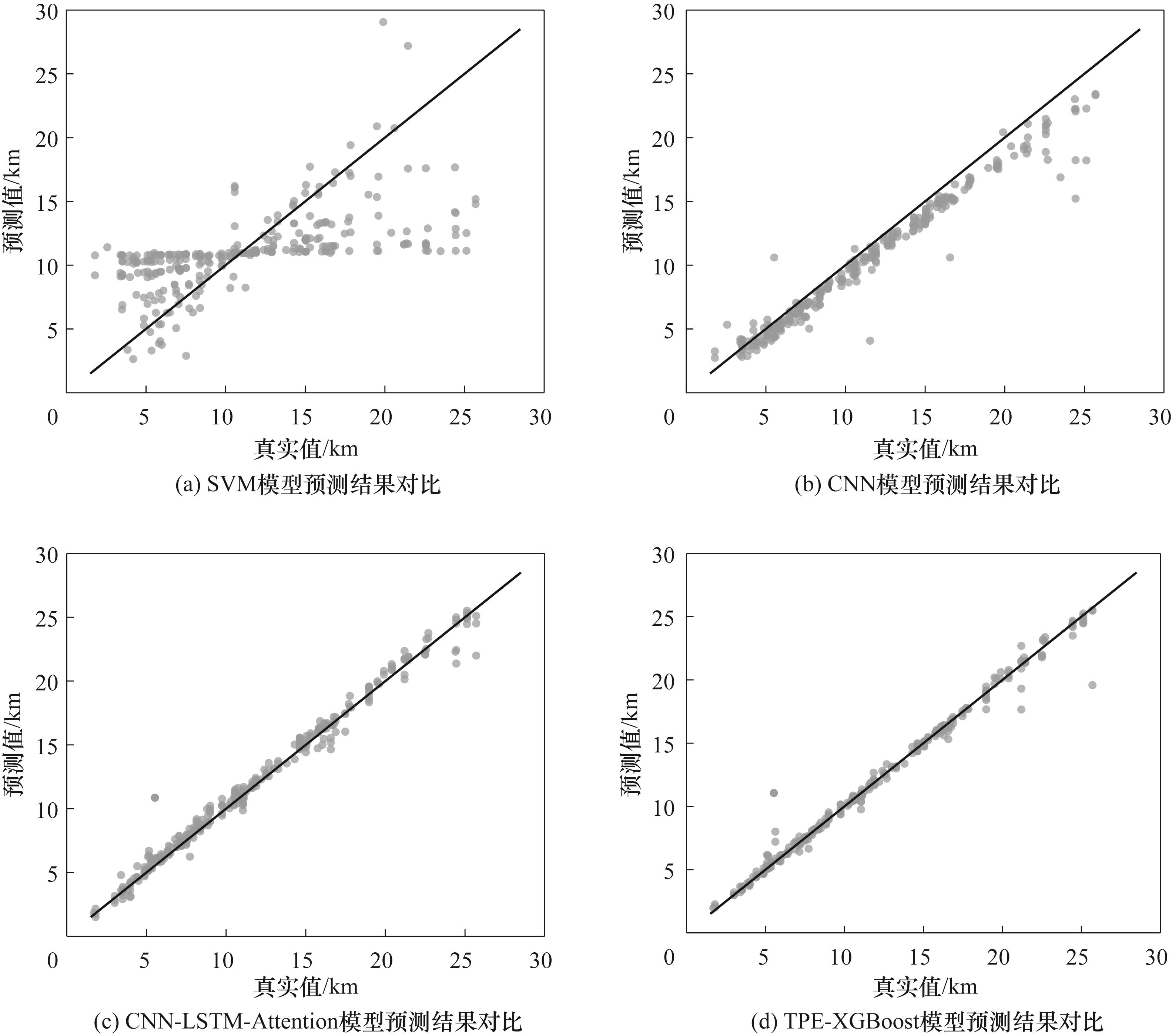
Fig.5 Predicted versus actual values for different model validation sets
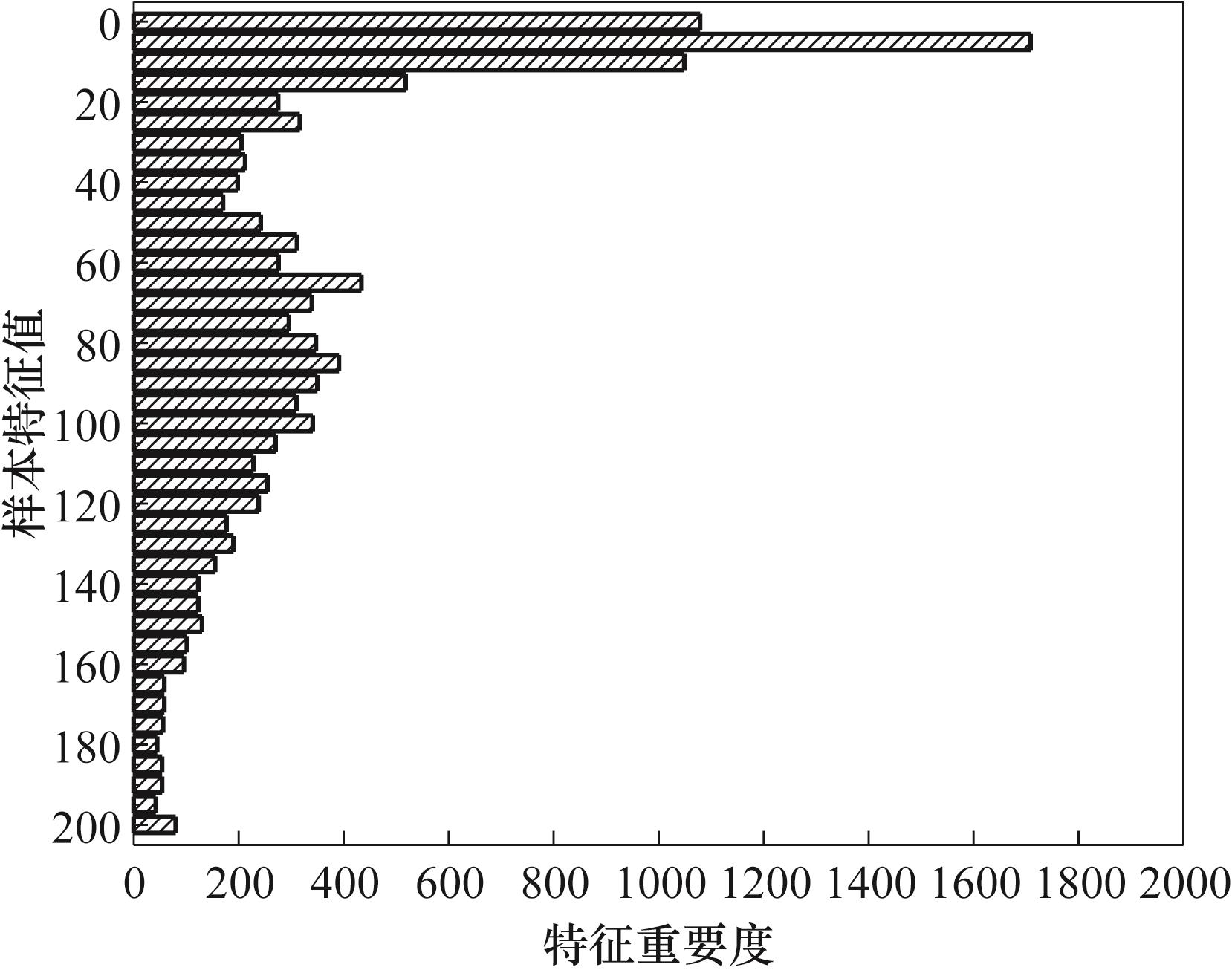
Fig.6 Importance analysis of model features
| 时间序列长度/s | 最优的XGBoost超参数 | R2 | MAPE/% | RMSE | MAE |
|---|---|---|---|---|---|
| 200(原样本) | [300, 10, 0.0322, 0.7473, 0.8959, 1.2055, 2.9552, 10] | 0.9835 | 3.7669 | 0.7850 | 0.3257 |
| 30 | [500, 7, 0.0343, 0.6883, 0.8551, 0.1294, 8.4151, 5] | 0.9684 | 4.6900 | 1.0850 | 0.4593 |
| 60 | [500, 3, 0.2373, 0.7256, 0.6869, 0.6724, 6.8736, 3] | 0.9746 | 4.6420 | 0.9729 | 0.4454 |
| 100 | [300, 10, 0.0196, 0.8709, 0.9269, 0.0061, 2.4808, 1] | 0.9778 | 3.4073 | 0.9090 | 0.2966 |
| 150 | [200, 5, 0.0663, 0.7551, 0.7193, 1.2775, 2.7646, 10] | 0.9815 | 4.2921 | 0.8312 | 0.3726 |
Table 4 Comparison of time window length and predictive accuracy
| 时间序列长度/s | 最优的XGBoost超参数 | R2 | MAPE/% | RMSE | MAE |
|---|---|---|---|---|---|
| 200(原样本) | [300, 10, 0.0322, 0.7473, 0.8959, 1.2055, 2.9552, 10] | 0.9835 | 3.7669 | 0.7850 | 0.3257 |
| 30 | [500, 7, 0.0343, 0.6883, 0.8551, 0.1294, 8.4151, 5] | 0.9684 | 4.6900 | 1.0850 | 0.4593 |
| 60 | [500, 3, 0.2373, 0.7256, 0.6869, 0.6724, 6.8736, 3] | 0.9746 | 4.6420 | 0.9729 | 0.4454 |
| 100 | [300, 10, 0.0196, 0.8709, 0.9269, 0.0061, 2.4808, 1] | 0.9778 | 3.4073 | 0.9090 | 0.2966 |
| 150 | [200, 5, 0.0663, 0.7551, 0.7193, 1.2775, 2.7646, 10] | 0.9815 | 4.2921 | 0.8312 | 0.3726 |
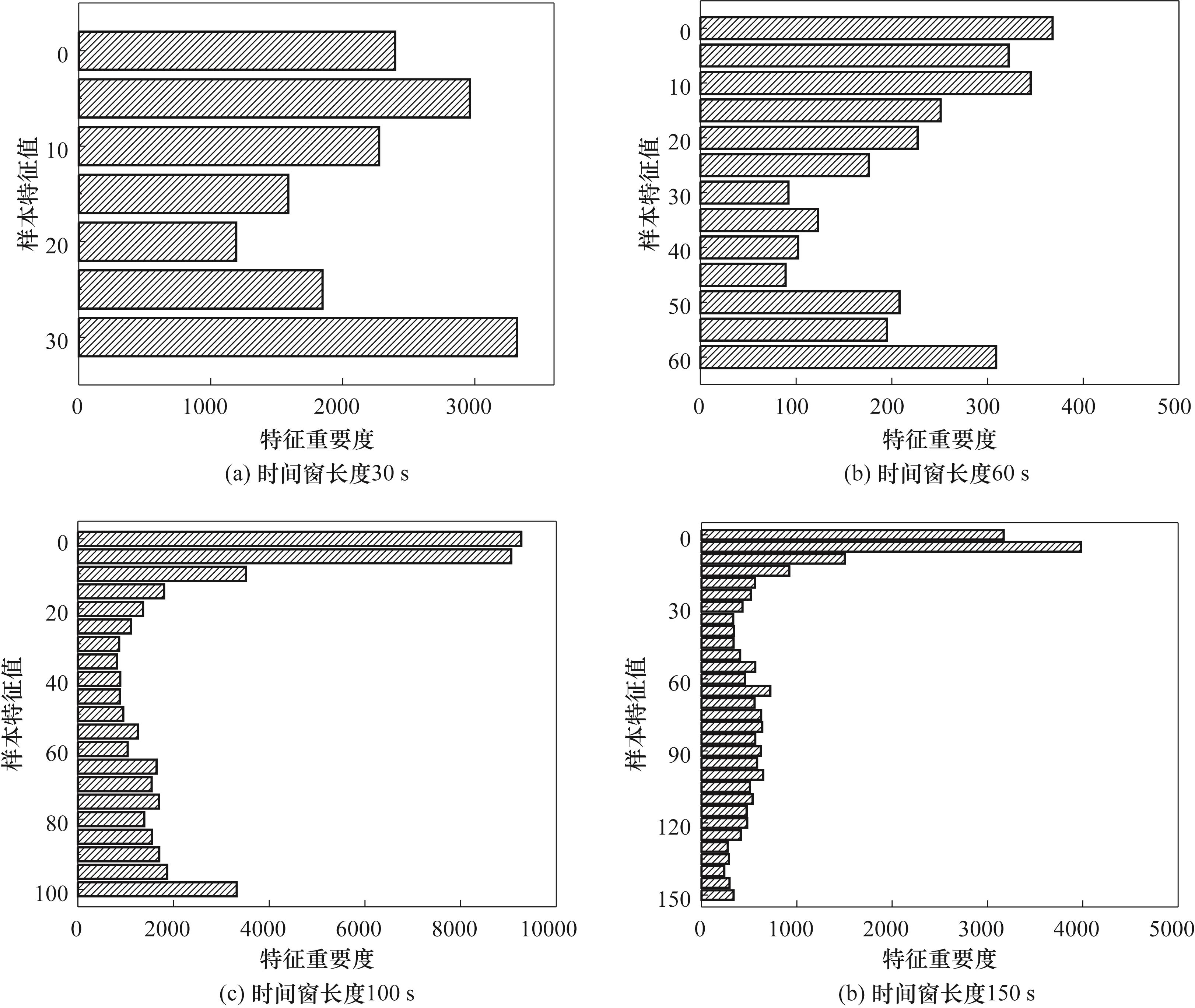
Fig.7 Importance analysis of features of the model for different time window lengths
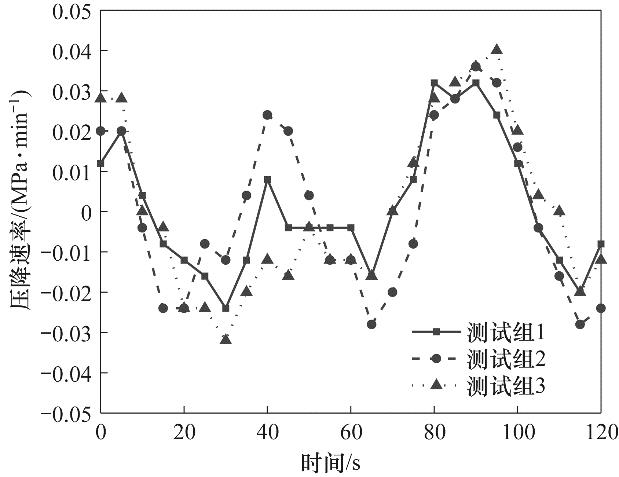
Fig.8 Pressure drop rate variation during normal pipeline operation
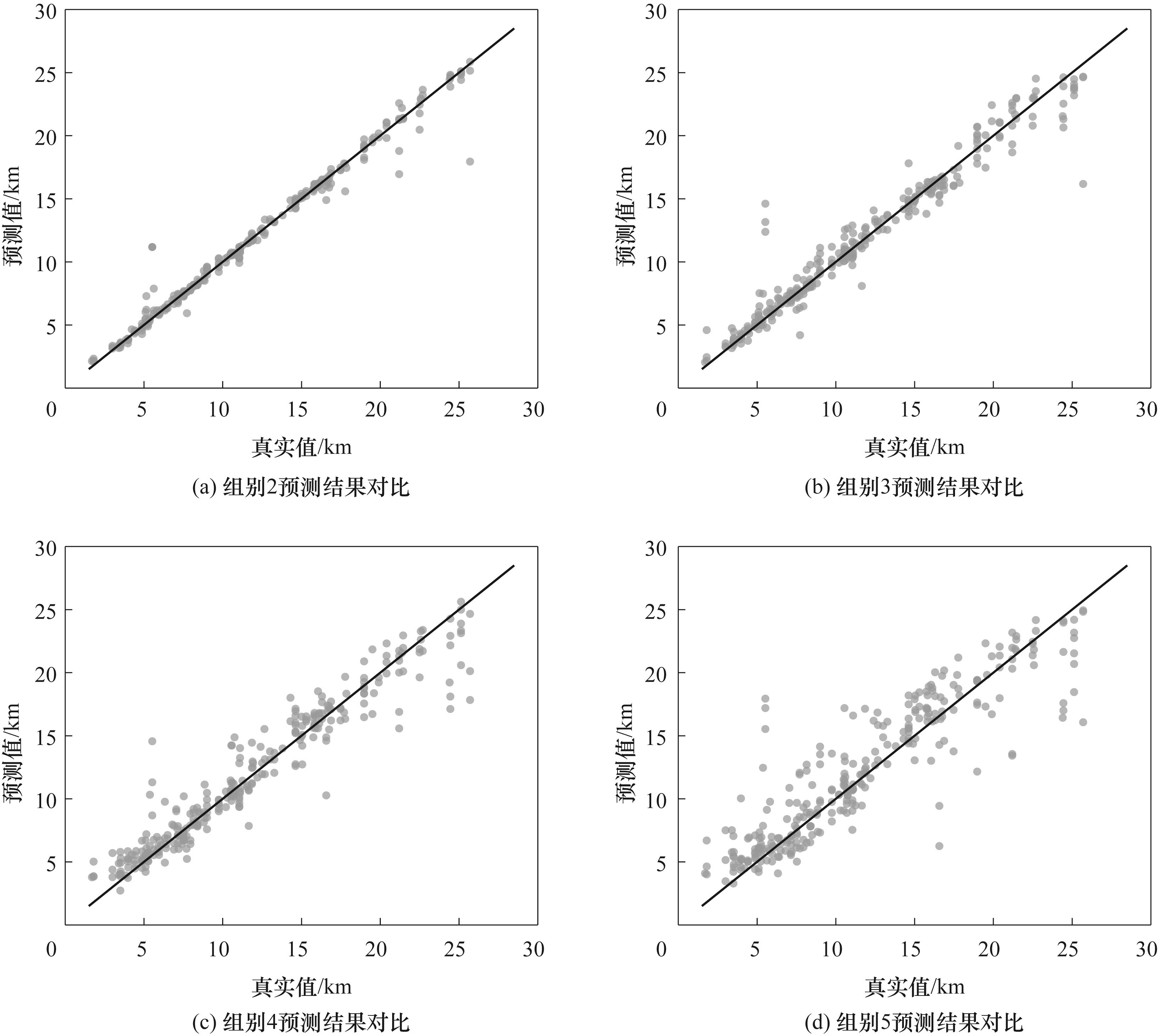
Fig.9 Scatterplot comparing prediction accuracy results when simulating fluctuations in pipeline operation
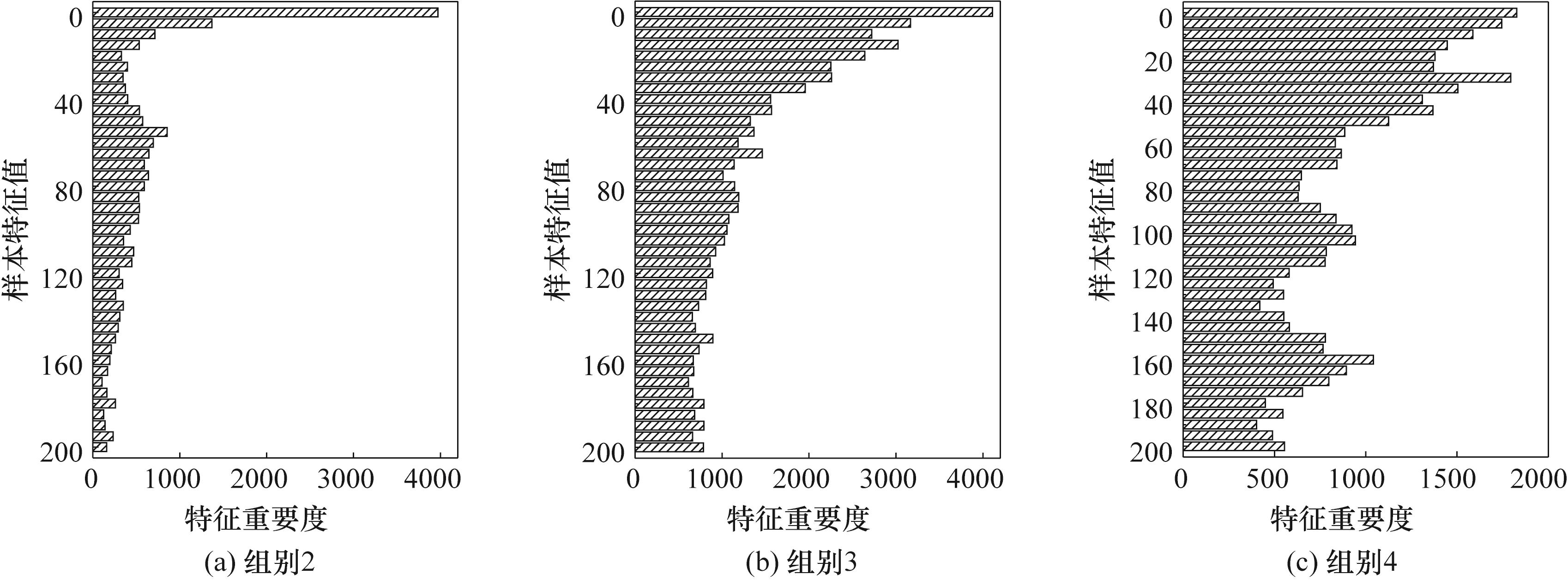
Fig.10 Importance analysis of model features when simulating fluctuations in pipeline operation
| 组别 | 数据集参数 | R2 | MAPE/% | RMSE | MAE |
|---|---|---|---|---|---|
| 1 | 仿真数据组 | 0.9835 | 3.7669 | 0.7850 | 0.3257 |
| 2 | 引入分析窗口起始点偏移组 | 0.9707 | 3.8550 | 1.0445 | 0.3436 |
| 3 | 增加运行噪声组 | 0.9580 | 7.5797 | 1.2510 | 0.6891 |
| 4 | 同时增加运行噪声和偏移分析窗口起始点组 | 0.9202 | 13.0698 | 1.7250 | 1.1217 |
| 5 | CNN-LSTM-Attention同时增加运行噪声和偏移分析窗口起始点组 | 0.8109 | 21.3808 | 2.6551 | 1.7654 |
Table 5 Dataset setup and model accuracy for simulating fluctuations in pipeline operations
| 组别 | 数据集参数 | R2 | MAPE/% | RMSE | MAE |
|---|---|---|---|---|---|
| 1 | 仿真数据组 | 0.9835 | 3.7669 | 0.7850 | 0.3257 |
| 2 | 引入分析窗口起始点偏移组 | 0.9707 | 3.8550 | 1.0445 | 0.3436 |
| 3 | 增加运行噪声组 | 0.9580 | 7.5797 | 1.2510 | 0.6891 |
| 4 | 同时增加运行噪声和偏移分析窗口起始点组 | 0.9202 | 13.0698 | 1.7250 | 1.1217 |
| 5 | CNN-LSTM-Attention同时增加运行噪声和偏移分析窗口起始点组 | 0.8109 | 21.3808 | 2.6551 | 1.7654 |
| [1] | 孙良, 王建林. 基于泄漏瞬变模型的管道泄漏检测与定位方法[J]. 应用基础与工程科学学报, 2012, 20(1): 159-168. |
| Sun L, Wang J L. Release transient modeling based leak detection and location method for pipelines[J]. Journal of Basic Science and Engineering, 2012, 20(1): 159-168. | |
| [2] | 孟令雅. 基于瞬态模型法的输气管道泄漏监测与定位技术[J]. 北京交通大学学报, 2008, 32(3): 73-77. |
| Meng L Y. Research on leak detection and position for natural gas pipeline based on transient model method[J]. Journal of Beijing Jiaotong University, 2008, 32(3): 73-77. | |
| [3] | 王辰, 刘庆文, 陈典, 等. 基于分布式光纤声波传感的管道泄漏监测[J]. 光学学报, 2019, 39(10): 1006005. |
| Wang C, Liu Q W, Chen D, et al. Monitoring pipeline leakage using fiber-optic distributed acoustic sensor[J]. Acta Optica Sinica, 2019, 39(10): 1006005. | |
| [4] | 付士崇, 张丹, 罗群. 基于光纤分布式声波传感的输气管道泄漏识别与定位方法[J]. 激光与光电子学进展, 2025, 62(3): 111-117. |
| Fu S C, Zhang D, Luo Q. Gas pipeline leakage identification and localization method based on fiber-optic distributed acoustic sensing[J]. Laser & Optoelectronics Progress, 2025, 62(3): 111-117. | |
| [5] | 韩宝坤, 何景涛, 王金瑞, 等. 天然气管道泄漏声学检测及定位方法[J]. 噪声与振动控制, 2021, 41(5): 58-64, 146. |
| Han B K, He J T, Wang J R, et al. Acoustic detection and location method for natural gas pipeline leakage[J]. Noise and Vibration Control, 2021, 41(5): 58-64, 146. | |
| [6] | Yan Z, Cui X, Gao Y. Acoustic injection method based on weak echo signals for leak detection and localization in gas pipelines[J]. Applied Acoustics, 2023, 211: 109577. |
| [7] | 杨红英, 华科, 叶昊, 等. 基于Hilbert-Huang变换的输气管道泄漏诊断方法[J]. 化工学报, 2011, 62(8): 2095-2100. |
| Yang H Y, Hua K, Ye H, et al. Leak diagnosis of gas transport pipelines based on Hilbert-Huang transform[J]. CIESC Journal, 2011, 62(8): 2095-2100. | |
| [8] | 周芷怡, 尹冠雄, 王彬, 等. 考虑基准点: 修正点两阶段的天然气管道泄漏定位新方法[J]. 天然气工业, 2023, 43(5): 88-99. |
| Zhou Z Y, Yin G X, Wang B, et al. A new two-stage natural gas pipeline leakage locating method considering base point and correction point[J]. Natural Gas Industry, 2023, 43(5): 88-99. | |
| [9] | 王春园. 可燃气体管道泄漏检测方法的研究[D]. 大连: 大连理工大学, 2019. |
| Wang C Y. Research on method for leakage detection of flammable gas pipeline[D]. Dalian: Dalian University of Technology, 2019. | |
| [10] | 李玉星, 刘翠伟. 基于声波的输气管道泄漏监测技术研究进展[J]. 科学通报, 2017, 62(7): 650-658. |
| Li Y X, Liu C W. Advances in leak detection and location based on acoustic wave for gas pipelines[J]. Chinese Science Bulletin, 2017, 62(7): 650-658. | |
| [11] | 贾文龙, 孙溢彬, 汤丁, 等. 基于支持向量机的输气管道泄漏压降信号智能识别方法[J]. 化工进展, 2022, 41(9): 4713-4722. |
| Jia W L, Sun Y B, Tang D, et al. Intelligent recognition method for pressure drop signals of gas pipeline leakage based on support vector machine[J]. Chemical Industry and Engineering Progress, 2022, 41(9): 4713-4722. | |
| [12] | Zhao J, Li J, Bai Y, et al. Research on leakage detection technology of natural gas pipeline based on modified Gaussian plume model and Markov chain Monte Carlo method[J]. Process Safety and Environmental Protection, 2024, 182: 314-326. |
| [13] | Hou Q, Ren L, Jiao W, et al. An improved negative pressure wave method for natural gas pipeline leak location using FBG based strain sensor and wavelet transform[J]. Mathematical Problems in Engineering, 2013(1): 1-8. |
| [14] | Tian X, Jiao W, Liu T, et al. Leakage detection of low-pressure gas distribution pipeline system based on linear fitting and extreme learning machine[J]. International Journal of Pressure Vessels and Piping, 2021, 194: 10553. |
| [15] | Yang L, Li Y, Di C. Application of XGBoost in identification of power quality disturbance source of steady-state disturbance events[C]//2019 IEEE 9th International Conference on Electronics Information and Emergency Communication (ICEIEC). 2019: 1-6. |
| [16] | Khan M S, Salsabil N, Alam M G R, et al. CNN-XGBoost fusion-based affective state recognition using EEG spectrogram image analysis[J]. Scientific Reports, 2022, 12(1): 14122. |
| [17] | 张忠义, 张磊, 王宇, 等. 基于数据挖掘的玉米淀粉果糖生产流程的关键位点筛选[J]. 化工学报, 2023, 74(10): 4208-4217. |
| Zhang Z Y, Zhang L, Wang Y, et al. Data mining-based screening of key points for corn starch and sugar production process[J]. CIESC Journal, 2023, 74(10): 4208-4217. | |
| [18] | Chakraborty D, Elzarka H. Advanced machine learning techniques for building performance simulation: a comparative analysis[J]. Journal of Building Performance Simulation, 2018, 12(2): 193-207. |
| [19] | Rong G, Li K, Su Y, et al. Comparison of tree-structured parzen estimator optimization in three typical neural network models for landslide susceptibility assessment[J]. Remote Sensing, 2021, 13(22): 4694. |
| [20] | Bergstra J, Bardenet R, Bengio Y, et al. Algorithms for hyper-parameter optimization[C]//Proceedings of the 24th International Conference on Neural Information Processing Systems. Red Hook, NY, USA: Curran Associates Inc., 2011: 2546-2554. |
| [21] | Ramachandram D, Lisicki M, Shields T J, et al. Bayesian optimization on graph-structured search spaces: optimizing deep multimodal fusion architectures[J]. Neurocomputing, 2018, 298: 80-89. |
| [22] | Lago J, De Ridder F, Vrancx P, et al. Forecasting day-ahead electricity prices in Europe: the importance of considering market integration[J]. Applied Energy, 2018, 211: 890-903. |
| [23] | Lago J, De Brabandere K, De Ridder F, et al. Short-term forecasting of solar irradiance without local telemetry: a generalized model using satellite data[J]. Solar Energy, 2018, 173: 566-577. |
| [24] | Chen T Q, Guestrin C. XGBoost: a scalable tree boosting system[C]//Proceedings of the 22nd ACM SIGKDD International Conference on Knowledge Discovery and Data Mining. San Francisco: ACM, 2016: 785-794. |
| [25] | Guo R, Zhao Z Q, Wang T, et al. Degradation state recognition of piston pump based on ICEEMDAN and XGBoost[J]. Applied Sciences, 2020, 10(18): 6593. |
| [26] | Ghanbari-Adivi F, Mosleh M. Text emotion detection in social networks using a novel ensemble classifier based on Parzen Tree Estimator (TPE)[J]. Neural Computing and Applications, 2019, 31(12): 8971-8983. |
| [27] | Shen K Y, Qin H, Zhou J Z, et al. Runoff probability prediction model based on natural gradient boosting with tree-structured parzen estimator optimization[J]. Water, 2022, 14(4): 545. |
| [28] | 孔凡超, 刘懿晗, 刘士吉, 等. 基于智能优化算法和Bi-LSTM神经网络的盾构隧道刀盘扭矩智能预测方法[J]. 中国科学: 技术科学, 2025, 55(1):171-186. |
| Kong F C, Liu Y H, Liu S J, et al. Intelligent prediction method for cutterhead torque of shield tunnel based on intelligent optimization algorithm and Bi-LSTM neural network[J]. Scientia Sinica (Technological), 2025, 55(1): 171-186. | |
| [29] | Sameen M I, Pradhan B, Lee S. Application of convolutional neural networks featuring Bayesian optimization for landslide susceptibility assessment[J]. Catena, 2020, 186: 104249. |
| [30] | 马飞虎, 雷皓安, 孙翠羽, 等. 基于RFE-OPTUNA-XGBoost模型的高速公路逃费模式识别[J]. 应用科学学报, 2024, 42(5): 857-870. |
| Ma F H, Lei H A, Sun C Y, et al. Highway toll evasion patterns identification based on RFE-OPTUNA-XGBoost model[J]. Journal of Applied Sciences, 2024, 42(5): 857-870. |
| [1] | Xiaoguang MI, Guogang SUN, Hao CHENG, Xiaohui ZHANG. Performance simulation model and validation of printed circuit natural gas cooler [J]. CIESC Journal, 2025, 76(S1): 426-434. |
| [2] | Bo HUANG, Hao HUANG, Wen WANG, Longkun HE. Analysis of temperature field of membrane liquid cargo in a LNG carrier [J]. CIESC Journal, 2025, 76(S1): 195-204. |
| [3] |
Jichao GUO, Xiaoxiao XU, Yunlong SUN.
Airflow simulation and optimization based on |
| [4] | Ting HE, Shuyang HUANG, Kun HUANG, Liqiong CHEN. Research on the coupled process of natural gas chemical absorption decarbonization and high temperature heat pump based on waste heat utilization [J]. CIESC Journal, 2025, 76(S1): 297-308. |
| [5] | Xu GUO, Jining JIA, Kejian YAO. Modeling of batch distillation process based on optimized CNN-BiLSTM neural network [J]. CIESC Journal, 2025, 76(9): 4613-4629. |
| [6] | Lu LIU, Wenyue WANG, Teng WANG, Tai WANG, Xinyu DONG, Jiancheng TANG, Shaoheng WANG. Optimization and analysis of hydrogen liquefaction process based on dual mixed refrigerant deep-cooling [J]. CIESC Journal, 2025, 76(9): 4933-4943. |
| [7] | Guangzheng ZHOU, Zihan ZHONG, Yanqun HUANG, Xuezhong WANG. Intelligent monitoring of crystallization processes based on in situ imaging and image analysis [J]. CIESC Journal, 2025, 76(9): 4351-4368. |
| [8] | Yiyang LIU, Zhixiang XING, Yecheng LIU, Ming PENG, Yuyang LI, Yunhao LI, Ningzhou SHEN. Numerical simulation study on the leakage diffusion characteristics and safety monitoring of liquid hydrogen in hydrogen refueling stations [J]. CIESC Journal, 2025, 76(9): 4694-4708. |
| [9] | Chunmeng ZHU, Zeng LI, Nan LIU, Yunpeng ZHAO, Xiaogang SHI, Xingying LAN. Fault detection of catalyst loss in FCC disengager based on autoencoder and multi-scale symbolic transfer entropy [J]. CIESC Journal, 2025, 76(9): 4512-4523. |
| [10] | Jing ZHAO, Shuchen DONG, Gaoyang LI, Youke HUANG, Haosen SHI, Shuwen MIAO, Chenyan TAN, Tangqi ZHU, Yongshuai LI, Hui PAN, Hao LING. Simulation and optimization of battery performance based on the electrochemical model [J]. CIESC Journal, 2025, 76(9): 4922-4932. |
| [11] | Lanhao LOU, Lipeng YANG, Xiaoguang YANG. Review of parameter identification for physics-based lithium-ion battery models [J]. CIESC Journal, 2025, 76(9): 4369-4382. |
| [12] | Xuewen LI, Zhihong WANG, Yang GAO, Ming'ou WU, Wenhao MA, Renmin TAN. Multi-objective optimization of amine-based desulfurization regeneration system integrated with heat pump technology [J]. CIESC Journal, 2025, 76(9): 4563-4577. |
| [13] | Jinghao ZHANG, Yajun WANG, Yongkang ZHANG. Evaluation of chemical process operation status based on NRBO-SLSTM [J]. CIESC Journal, 2025, 76(8): 4145-4154. |
| [14] | Qidong ZHANG, Liqiang AI, Yuan MA, Shengbao WU, Lei WANG, Yanzhong LI. Research on two-phase flow and heat transfer characteristics in precooling process of low-temperature pipelines based on one-dimensional drift-flux model [J]. CIESC Journal, 2025, 76(8): 3842-3852. |
| [15] | Zhihong CHEN, Jiawei WU, Xiaoling LOU, Junxian YUN. Recent advances in machine learning for biomanufacturing of chemicals [J]. CIESC Journal, 2025, 76(8): 3789-3804. |
| Viewed | ||||||
|
Full text |
|
|||||
|
Abstract |
|
|||||